
The kitchen. It’s more than just a place to prepare meals; it’s the pulsating heart of many homes. It’s where laughter echoes during family gatherings, where the aroma of a slow-cooked stew fills the air, and where impromptu conversations unfold over steaming cups of coffee. And at the center of it all, quite literally, lies the kitchen countertop. It’s the stage for your culinary masterpieces, the landing strip for your groceries, and often, a impromptu breakfast bar. So, when it comes to selecting the material for this vital surface, it’s a decision that deserves careful consideration, a touch of inspiration, and perhaps, a sprinkle of practical wisdom.

When we talk about kitchen countertops, stone is often the material that springs to mind. It evokes images of luxury, durability, and a connection to the earth itself. But the world of stone is vast and varied, each type offering its unique blend of beauty, performance, and personality. Let’s embark on a journey to explore the most popular contenders, understanding what makes each one special and how it might fit into the tapestry of your dream kitchen.
First on our list, and perhaps the reigning monarch of kitchen countertops, is Granite. For decades, granite has been the go-to choice for homeowners seeking a material that is both stunning and steadfast. Its allure lies in its natural origin; each slab is a unique work of art, carved by the earth’s immense pressure and heat over millennia. You’ll find granite in an astonishing array of colors and patterns, from the deep, speckled blacks and grays that exude sophistication, to the warm, earthy browns and beiges that invite a sense of comfort. Then there are the vibrant hues, the swirling patterns, and the dramatic veining that can turn a countertop into a true statement piece.
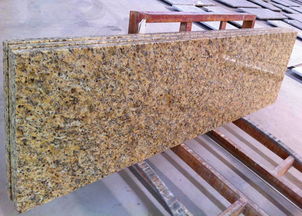
But granite isn’t just about looks; it’s a workhorse. It’s incredibly hard and dense, making it highly resistant to scratches, heat, and stains. This is fantastic news for busy home cooks who don’t want to tiptoe around their kitchen. You can place hot pots and pans directly from the stove onto a granite surface (though using trivets is always a good habit to prolong its life and shine). Its durability means it can withstand the daily rigors of chopping, dicing, and the general hubbub of family life.
However, like any natural material, granite does have its quirks. It’s a porous stone, meaning it can absorb liquids if not properly sealed. Fortunately, sealing is a relatively straightforward maintenance task that, when done periodically (typically once a year or every couple of years, depending on usage and the sealant), keeps your granite protected. You’ll also want to be mindful of acidic substances like lemon juice or vinegar, which can etch the surface if left to sit for too long. Cleaning is generally simple – a mild soap and water solution is usually all you need. Avoid harsh chemicals or abrasive cleaners, as these can degrade the sealant and damage the stone over time. Despite these minor considerations, granite remains a formidable choice, offering a timeless beauty and enduring performance that’s hard to beat.
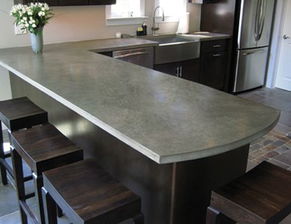
Moving on to a material that has surged in popularity, especially in recent years, is Quartz. Now, it’s important to clarify that when we talk about quartz countertops, we’re usually referring to engineered quartz. This isn’t a stone that’s mined directly from the earth in slab form. Instead, it’s a composite material created by blending approximately 90-95% natural quartz crystals with about 5-10% polymers, resins, and pigments. This manufacturing process is what gives quartz its remarkable characteristics.
The primary advantage of engineered quartz is its incredible durability and low maintenance. Because it’s non-porous, it’s naturally resistant to stains, scratches, and even bacteria. This means spills from wine, coffee, or juice won’t penetrate the surface, and you won’t have to worry about sealing it. It’s also highly resistant to heat, though again, using trivets is always a wise practice to protect the resin binders from potential scorching or discoloration.
Aesthetically, quartz offers an incredible range of options. Because the colors and patterns are engineered, you can achieve a consistent look that’s often difficult with natural stones. Want a pristine white countertop with subtle veining that mimics marble, but without the maintenance? Quartz can do that. Prefer a sleek, uniform look in a bold color? Quartz can do that too. It can also be designed to replicate the look of other natural stones, offering a more predictable and often more affordable alternative. The consistency also means that if you ever need to repair a section, matching the color and pattern is usually much easier than with natural stone.
The engineered nature of quartz also means it’s a more environmentally conscious choice for some, as it utilizes a readily available mineral and minimizes waste during production. However, some individuals prefer the inherent uniqueness and natural character that only a stone quarried directly from the earth can provide. While quartz is incredibly resilient, it’s worth noting that extreme, prolonged heat can potentially damage the resins. Also, while it’s resistant to scratches, it’s not entirely scratch-proof, so using cutting boards is still recommended. Overall, quartz presents a compelling case for those seeking a high-performance, low-maintenance, and visually versatile countertop material.

The conversation about kitchen countertops would be incomplete without mentioning Marble. Synonymous with luxury, elegance, and timeless beauty, marble has adorned kitchens and bathrooms for centuries. Its distinctive veining, often in soft grays, blues, or greens against a creamy white or subtle beige background, is simply captivating. Each slab tells a story, a geological narrative etched into its surface, making it a statement of refined taste and classic sophistication.
However, marble’s delicate nature is also part of its charm, and it’s a characteristic that requires careful consideration. Unlike granite or quartz, marble is a relatively soft and porous stone. This means it’s more susceptible to etching from acidic substances like lemon juice, vinegar, or tomato sauce. Those beautiful veins can quickly become dull if these liquids are left to sit. It’s also more prone to staining, especially lighter varieties, and can develop a patina over time – a natural wear and tear that some find adds to its character, while others consider it a sign of damage.
Scratch resistance is another area where marble falls short compared to its granite and quartz counterparts. While it can handle everyday use, deep scratches from knives or abrasive scrubbing can occur. Because of its porosity, marble requires frequent sealing to help protect it from stains and etching. Even with diligent sealing, a certain level of vigilance is needed. Wiping up spills immediately, using coasters for glasses, and employing cutting boards are not just good advice with marble; they are almost essential practices.
Despite its more demanding care routine, the allure of marble persists. For those who appreciate the beauty of natural imperfection and are willing to commit to its upkeep, marble offers an unparalleled sense of grandeur. Its cool surface is also a delight for bakers, providing an ideal environment for working with pastry dough. If you dream of a kitchen that exudes timeless elegance and are prepared for the commitment of its care, marble remains a cherished option.
Continuing our exploration of the wonderful world of kitchen countertop stones, we’ve already touched upon the enduring popularity of granite, the modern resilience of engineered quartz, and the classic luxury of marble. But the landscape of countertop materials is far richer, offering even more exquisite options for discerning homeowners. Let’s delve deeper into some other fantastic choices that bring their own unique advantages to the table – or rather, to your kitchen island.
First, let’s discuss Quartzite. This is a natural stone, and it’s crucial to distinguish it from engineered quartz, though its name might cause a bit of confusion. Quartzite is a metamorphic rock that forms when sandstone is subjected to intense heat and pressure deep within the earth. The result is an incredibly hard and durable stone composed primarily of quartz. Visually, quartzite can be breathtaking, often featuring subtle, elegant veining and a soft, almost luminous quality. It comes in a range of colors, from pristine whites and soft grays to warmer tones, and its patterns can range from understated elegance to dramatic swirls.
What makes quartzite so appealing is its impressive durability. It’s significantly harder than granite, making it highly resistant to scratches and chips. Its density also means it’s less porous than many other natural stones, which translates to better stain resistance. While it’s not entirely stain-proof, it holds up remarkably well against everyday spills, especially when properly sealed. Like granite, quartzite is also quite heat-resistant, allowing you to place hot items on its surface, though the use of trivets is always recommended to maintain its pristine condition.
The beauty of quartzite lies in its natural formation, offering a unique and elegant aesthetic that can rival even the most luxurious marbles, but with a significantly more forgiving performance. Because it’s a natural stone, each slab will have its own unique character, meaning no two kitchens will be exactly alike. If you’re drawn to the sophisticated look of marble but are concerned about its maintenance, quartzite often presents an excellent compromise. It offers a similar visual appeal with enhanced durability and better stain resistance.
However, it’s important to note that the quality and properties of quartzite can vary depending on its geological origin. Some quartzite slabs might be denser and less porous than others. When selecting quartzite, it’s wise to inquire about its specific characteristics and how it has been treated during fabrication. While it’s generally very durable, it’s not indestructible, and like all natural stones, proper sealing is recommended to maximize its resistance to stains and etching. Regular cleaning with a mild soap and water is usually sufficient. For those seeking a natural stone that combines striking beauty with exceptional resilience, quartzite is a standout contender.
Next, we venture into the realm of Soapstone. This is another unique natural stone, known for its distinctive velvety texture and rich, deep colors, most commonly found in shades of gray, green, and black. What truly sets soapstone apart is its feel – it’s surprisingly soft and smooth to the touch, almost buttery. Historically, it was used for carving, and you can still find old soapstone sinks and countertops that have endured for generations, a testament to its longevity.
Soapstone is formed from talc and has a lower quartz content than granite or quartzite, which contributes to its unique feel and properties. It is naturally non-porous, meaning it won’t stain and doesn’t require sealing. This makes it incredibly hygienic and easy to maintain. You can spill anything on soapstone – wine, oil, vinegar – and it won’t penetrate the surface. Cleaning is as simple as wiping it down with a damp cloth.
Another significant advantage of soapstone is its heat resistance. It can handle hot pots and pans without any issue. In fact, soapstone retains heat, which can be a pleasant feature in a kitchen, keeping food warm on the surface for a period. Over time, soapstone will naturally darken and develop a patina, a process that some find incredibly appealing and part of its charm. This patina is a result of everyday use and exposure to oils and light. If you prefer a consistent look, you can periodically re-oil the surface to maintain a deeper color. Alternatively, you can embrace the natural aging process.
However, because soapstone is a softer stone, it is more susceptible to scratching and chipping than granite or quartzite. While it can be scratched, many owners find that these marks can be easily buffed out or minimized with sanding, and the deepening patina can often camouflage minor imperfections. For those who appreciate a material that evolves with time and offers unparalleled ease of maintenance, soapstone is a truly distinctive and charming choice. Its natural, organic aesthetic and tactile appeal make it a beloved option for kitchens aiming for a rustic, farmhouse, or minimalist modern vibe.
Finally, let’s briefly touch upon Limestone and Travertine. These are both sedimentary rocks and can offer a unique, natural aesthetic. Limestone is known for its earthy tones and subtle fossil inclusions, while travertine is characterized by its distinct pits and natural holes, which are typically filled during fabrication for a smoother surface. Both stones offer a softer, more organic look than granite or quartz.
However, their porosity and relatively softer nature mean they are more prone to etching and staining, similar to marble. They require diligent sealing and careful maintenance to keep them looking their best. While they can be beautiful, they are often considered less practical for high-traffic kitchen environments compared to harder stones. They tend to be more suited for applications where durability is not the absolute top priority, or for homeowners who are committed to meticulous upkeep and appreciate the natural, sometimes rustic, character they bring.
Choosing the right countertop stone is a deeply personal decision, one that intertwines aesthetics, functionality, and lifestyle. Whether you’re drawn to the rugged beauty of granite, the sleek modernity of quartz, the timeless elegance of marble, the resilient charm of quartzite, the tactile warmth of soapstone, or the earthy character of limestone and travertine, there’s a stone out there waiting to become the heart of your home. Take your time, explore the samples, envision your daily life in your future kitchen, and select the material that will not only serve you well but also inspire you every time you step into the room. The perfect countertop is more than just a surface; it’s a foundation for memories, a canvas for creativity, and a testament to the enduring appeal of natural beauty.









