
The gentle curl of smoke, the earthy aroma of wood-fired cooking, the comforting warmth radiating from a hearth – these are the sensory hallmarks of a traditional rural kitchen. In many parts of the world, the kitchen isn’t just a place to prepare food; it’s the vibrant epicenter of family life, a sanctuary where stories are shared and traditions are kept alive. While modern kitchens often boast sleek lines and high-tech appliances, there’s an undeniable allure to the simplicity and soul of a more rustic setup. This is especially true when considering a compact space, like the charming 2×2.5 meter kitchen we’re about to explore, centered around the timeless elegance of a rural earth stove.
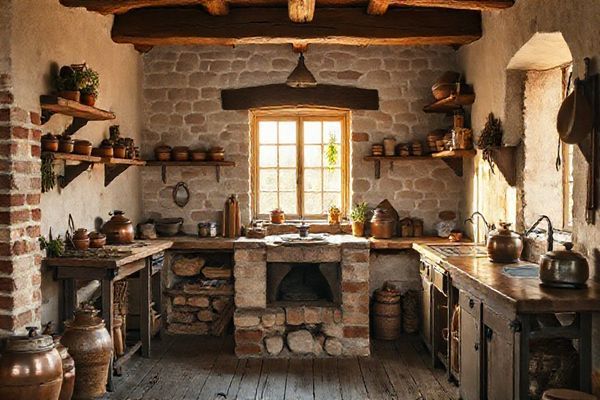
Imagine stepping into this intimate space. The dimensions, while modest at 2 meters by 2.5 meters, are not a limitation but an invitation to thoughtful design. This isn’t about cramming in as much as possible; it’s about curating an experience. At the heart of this experience is the “土灶” (tǔ zào), the earth stove. This isn’t just a cooking appliance; it’s a piece of living history, a testament to resourcefulness and a direct connection to the land. Unlike its modern counterparts, an earth stove is typically built from bricks, clay, and other natural materials. Its primary fuel is wood, which lends a unique, smoky depth to dishes that is simply unattainable with gas or electricity. The gentle, even heat it provides is perfect for slow cooking, simmering stews, baking bread, and even heating the kitchen during colder months.
The beauty of integrating an earth stove into a small kitchen lies in its multi-functional nature. It’s not just for cooking; it often serves as a central gathering point. Families might sit around it, chatting while meals are prepared, or the residual heat can warm a corner of the room. This inherent social aspect is key to understanding why the earth stove remains cherished. In our 2×2.5 meter space, the earth stove will command a significant, yet harmonious, presence. Its placement is crucial. Ideally, it would occupy one of the longer walls, perhaps towards one end, allowing for a natural flow of movement around it. This positioning also facilitates a practical setup for wood storage, which can be cleverly integrated into the overall design.
Let’s consider the materials that would complement the earth stove. Natural elements are paramount. Think rough-hewn wooden countertops, perhaps a salvaged timber slab, or even a polished concrete surface that mimics the earthy tones of the stove itself. For cabinetry, consider simple, sturdy wooden units. Shaker-style doors or open shelving could enhance the rustic feel. Avoid overly ornate finishes; the beauty here lies in the raw, honest materiality. Painted wooden cabinets in muted, earthy tones like sage green, warm terracotta, or a soft cream would beautifully echo the natural surroundings.
The floor is another opportunity to reinforce the rural aesthetic. Terracotta tiles are a classic choice, offering durability and a warm, inviting look. Alternatively, well-sealed natural stone or even a quality wood-effect vinyl flooring could provide a practical and attractive option. The key is to choose materials that are easy to clean, especially around the cooking area, and that contribute to the overall sense of grounded warmth.
Lighting plays a vital role in shaping the ambiance of any kitchen, and in a small space, it’s even more critical. Natural light should be maximized. If the kitchen has a window, keep window treatments simple and functional, allowing as much daylight to flood in as possible. For artificial lighting, consider a mix of task and ambient lighting. A pendant light above the earth stove or a central island (if space allows for a very narrow one) can provide focused illumination. Warm-toned LED bulbs will create a cozy atmosphere in the evenings. Wrought iron or simple metal fixtures would align perfectly with the rustic theme. Think about strategically placed task lighting under cabinets to illuminate countertops, ensuring that every corner of this compact kitchen is both functional and inviting.
The 2×2.5 meter layout needs to be carefully planned to avoid a feeling of being cramped. A single-wall or galley kitchen layout is likely the most practical. With a single-wall layout, all the elements – sink, prep area, and the earth stove – are aligned along one wall. This maximizes open floor space. A galley layout, with units on opposing walls, might work if one wall is significantly shorter, but in a 2×2.5m space, this can quickly feel restrictive. Therefore, focusing on a well-designed single-wall layout, with the earth stove as the anchor, is probably the most sensible approach.
The sink and prep area would ideally be positioned adjacent to the earth stove, allowing for a logical workflow. Imagine preparing ingredients on a wooden counter, then sliding them into a pot simmering on the earth stove. The sink could be a deep, ceramic farmhouse sink, adding to the character. Ample storage is, of course, a necessity. Open shelving can display charming crockery and jars, making the space feel lived-in and personal. Closed cabinets below the countertops can house less attractive items, keeping the overall look tidy. The vertical space should also be utilized effectively. Consider wall-mounted pot racks or magnetic knife strips to free up precious counter space. In a small rural kitchen, every square inch counts, and thoughtful storage solutions are paramount to maintaining both functionality and aesthetic appeal. The earth stove itself often has built-in nooks or shelves that can be used for storing cooking utensils or even kindling, further enhancing its practicality. This approach ensures that even a compact kitchen can feel spacious, organized, and deeply welcoming.
Continuing our exploration of the 2×2.5 meter rural kitchen, the focus shifts from the foundational elements to the finer details that truly bring this charming space to life. The earth stove remains the undeniable star, its presence dictating much of the aesthetic and functional choices. However, it’s the thoughtful integration of other essential kitchen components that transforms this modest footprint into a highly usable and deeply evocative hearth.
Considering the workflow, the layout needs to be efficient without feeling sterile. If we adopt a single-wall layout, with the earth stove as the anchor, the areas for food preparation and cleaning need to be strategically placed. Let’s envision the earth stove positioned at one end of the 2.5-meter wall. Adjacent to it, perhaps with a small, continuous wooden countertop section, would be the prep area. This counter space should be generous enough for chopping vegetables, mixing ingredients, and plating. A sturdy, easily cleaned surface is key here – perhaps a thick butcher block that can be seasoned and maintained, or a smooth, sealed concrete.
The sink area would logically follow. A deep, single-bowl ceramic farmhouse sink would not only be practical for washing larger pots and pans but also contribute significantly to the rustic aesthetic. Imagine a simple, unlacquered brass or brushed nickel tap – functional yet elegant. Beneath the sink, cabinetry can house cleaning supplies and perhaps a small waste bin. Integrated pull-out bins are a brilliant space-saving solution for compact kitchens.
Ventilation is a critical, often overlooked, aspect of any kitchen, especially one featuring a wood-fired earth stove. While the stove itself will produce smoke, effective extraction is necessary for comfort and air quality. A traditional, attractive range hood above the stove is essential. Opt for one with a classic design, perhaps in brushed stainless steel or a dark, enameled finish, that complements the earth stove rather than competes with it. Ensure it has adequate extraction power for the size of the room. Alternatively, if the kitchen design allows for it, a well-placed window that can be opened during cooking can provide natural ventilation, working in conjunction with a less obtrusive ventilation system.
Storage solutions in a small kitchen demand creativity. Open shelving above the countertops is not just practical for displaying charming ceramics, earthenware pots, and mason jars filled with dry goods, but it also makes the space feel more open and airy. Consider a mix of open shelves and closed cabinets. Below the countertops, simple wooden cabinets with sturdy hardware can house less aesthetically pleasing items. The goal is to create a sense of organized abundance rather than cluttered chaos. Vertical space should be maximized. Wall-mounted spice racks, magnetic knife strips, and hanging pot racks are invaluable. A well-placed pegboard could be a charming and functional addition for hanging utensils, aprons, or even small decorative items.
The earth stove itself often provides natural storage opportunities. The area around its base can sometimes accommodate a small stack of neatly cut firewood. Some designs might incorporate simple shelves or alcoves within the stove’s structure, perfect for storing kindling or perhaps a few frequently used cooking implements. This inherent multi-functionality is part of the earth stove’s enduring appeal.
Beyond the practicalities, the sensory experience of this kitchen is paramount. The scent of wood smoke mingling with simmering herbs and spices creates an inviting atmosphere. The sound of gentle crackling from the stove, the clinking of ceramic dishes, the murmur of conversation – these all contribute to the soul of the home. Textiles can play a significant role in enhancing this cozy feel. Consider simple, natural fiber curtains, perhaps in a linen or cotton, in muted, earthy tones. A woven rug or a natural fiber runner on the floor can add warmth and texture. Even a simple, hand-embroidered tea towel hanging from a hook adds a touch of personality.
The choice of cookware and tableware is another avenue to amplify the rustic charm. Earthenware pots, cast iron pans, and wooden spoons complement the earth stove beautifully. For serving, consider rustic ceramic plates, wooden bowls, and perhaps some vintage enamelware. These elements, when chosen with care, contribute to a cohesive and authentic narrative for the kitchen.
Finally, the integration of the earth stove into the overall design must feel organic. It shouldn’t appear as an afterthought or an anomaly. The surrounding cabinetry and countertops should flow seamlessly, with materials and colors that harmonize with the stove’s natural materials. The warmth radiating from the stove should feel like an embrace, making this compact 2×2.5 meter space not just a place to cook, but a place to gather, to connect, and to cherish the simple, profound pleasures of home-cooked food and shared moments. It’s a testament to the fact that a small kitchen, especially one centered around a traditional earth stove, can be the most fulfilling and beloved room in the house, embodying a spirit of warmth, tradition, and enduring comfort.









