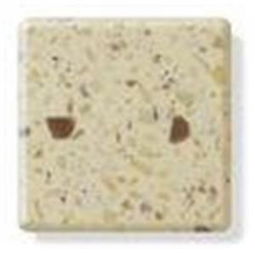
Sure, I can definitely help you with that! Here’s a soft article on the differences between acrylic and artificial stone, presented in two parts as you requested.

The kitchen and bathroom: often called the heart and soul of a home. They are spaces of creation, rejuvenation, and connection. And at the very core of these vital areas lie the surfaces that bear the brunt of our daily lives – the countertops. Choosing the right material is not just an aesthetic decision; it’s a functional one, impacting durability, maintenance, and even the overall atmosphere of your home. In the realm of modern surfacing, two materials frequently capture the attention of homeowners and designers alike: acrylic and artificial stone. While both offer a sleek, contemporary appeal, their origins, properties, and performance are remarkably different. Understanding these distinctions is key to making an informed choice that will not only elevate your home’s design but also stand the test of time.
Let’s begin our exploration with acrylic, a material that has carved a significant niche for itself due to its unique composition and versatile nature. Often referred to as solid surface material, acrylic is a composite made primarily from acrylic polymers and alumina trihydrate (ATH), a mineral derived from bauxite ore. This blend results in a non-porous, homogenous material that can be molded and shaped in ways that natural stone simply cannot. Think of it as a highly engineered substance, designed for performance and adaptability. One of acrylic’s most celebrated attributes is its seamless appearance. Because it’s manufactured in large sheets, seams can be virtually eliminated by using a special adhesive that chemically bonds the material, creating a continuous, unbroken surface. This is a game-changer for hygiene-conscious individuals and those who appreciate a clean, minimalist aesthetic. No grout lines means no hidden crevices for bacteria to thrive, making it an excellent choice for kitchens and bathrooms where cleanliness is paramount. Furthermore, acrylic’s non-porous nature means it resists staining from common household culprits like coffee, wine, and oil. Spills can typically be wiped away with ease, without the need for aggressive scrubbing or specialized cleaners.
Beyond its practical advantages, acrylic boasts an incredible design flexibility. It can be thermoformed, meaning it can be heated and bent into curves, organic shapes, and intricate designs. This opens up a world of possibilities for custom countertops, integrated sinks, backsplashes, and even wall panels that flow seamlessly from one surface to another. Imagine a countertop that gracefully curves around a corner, or a sink that appears to be an inherent part of the countertop itself – acrylic makes this a reality. The color palette for acrylic is also exceptionally broad. It can be manufactured in a vast array of colors, patterns, and even translucent options, allowing for a highly personalized design. Whether you’re seeking a bold statement color, a subtle marble-like veining, or a light-diffusing effect, acrylic can likely accommodate your vision.
However, acrylic isn’t without its vulnerabilities. Its relative softness compared to stone means it can be more susceptible to scratches and heat damage. While minor scratches can often be buffed out or even repaired by a professional, deep gouges or burns can be more challenging to fix. Therefore, using cutting boards and trivets is highly recommended to protect the surface from sharp knives and hot pots. Maintenance, while generally easy, requires a gentle approach. Harsh abrasive cleaners can dull the finish over time, so mild soap and water or specialized acrylic cleaners are the preferred methods for daily cleaning. Despite these considerations, acrylic’s unique blend of seamless design, hygienic properties, and design versatility makes it a compelling option for those looking to create a modern, functional, and highly customized living space. It’s a material that allows for unparalleled creativity, transforming visions into tangible realities with its adaptable and elegant nature.
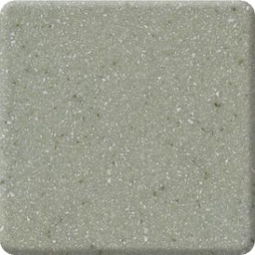
Now, let’s turn our attention to the esteemed artificial stone, a category that encompasses a range of engineered materials designed to mimic the beauty and performance of natural stone, often with enhanced properties. The most prevalent form of artificial stone in countertops is quartz. Unlike acrylic, which is a solid composite, quartz countertops are typically made from about 90-95% natural quartz crystals, combined with resins and pigments. This composition creates a material that is incredibly hard, durable, and non-porous, offering many of the desirable qualities of granite or marble but with greater consistency and lower maintenance. The “artificial” aspect comes into play through the manufacturing process, where the quartz particles are bound together with polymer resins and molded into slabs. This controlled environment allows for precise engineering of the material’s properties and a wide range of aesthetic choices.
The primary allure of quartz lies in its remarkable durability and resilience. Its hardness, second only to diamond, makes it exceptionally resistant to scratches, chips, and cracks. This means you can confidently chop vegetables directly on its surface (though a cutting board is still advisable for knife longevity) and place hot pans down without immediate concern for scorching. The non-porous nature, thanks to the binding resins, is another significant advantage. Similar to acrylic, this inherent characteristic prevents liquids from seeping into the material, making quartz highly resistant to staining from coffee, wine, and other common kitchen spills. This also means it’s inherently hygienic, as there are no microscopic pores for bacteria to harbor. Cleaning is typically straightforward, requiring just soap and water.
Aesthetically, quartz offers a stunning array of designs that often rival, and sometimes surpass, the beauty of natural stone. The manufacturing process allows for a consistent and predictable appearance. Unlike natural stone, where each slab can have unique variations, quartz can be produced with uniform patterns and colors, ensuring that the countertop you select will look exactly as you envision it. You can find quartz that mimics the classic elegance of Carrara marble, the dramatic veining of Calacatta, or the earthy tones of granite, all with the added benefit of engineered perfection. The pigment integration means that the color runs throughout the entire slab, so if a chip does occur, the exposed material beneath will match the surface color, making repairs less noticeable.
However, artificial stone, particularly quartz, also has its limitations. While resistant to heat, prolonged exposure to extremely high temperatures can potentially damage the resins, leading to discoloration or scorching. Therefore, the use of trivets for hot pots and pans remains a prudent practice. Also, while quartz is incredibly durable, it is not indestructible. Heavy impacts or extreme force can still cause chipping or cracking, especially along edges. Another point to consider is that while UV rays don’t typically affect the color of quartz, some cheaper or lower-quality artificial stones might fade over time if exposed to direct sunlight for extended periods. Lastly, compared to acrylic, the seamless look is not as easily achieved. While fabrication techniques have improved, visible seams are generally unavoidable in larger installations, particularly around corners or where multiple slabs meet. The resin binders, while crucial for durability, can also mean that the material is less adaptable to complex thermoforming compared to acrylic; intricate curves are more challenging and costly to achieve. Despite these considerations, the sheer durability, stain resistance, and consistent aesthetic appeal of artificial stone, especially quartz, make it a top contender for those seeking a robust, low-maintenance, and visually stunning countertop solution that brings the best of natural beauty with engineered reliability.