
The kitchen and bathroom are often considered the heart of the home. They are spaces where we gather, create, and refresh. The countertops within these vital areas play a starring role, not just functionally but also aesthetically. When embarking on a renovation or building a new space, the sheer number of material options can feel overwhelming. Among the popular choices, acrylic and solid surface materials frequently come up in conversation. But are their advantages and disadvantages truly the same? Let’s dive deep into the world of these versatile materials and uncover what makes them unique.

Acrylic, often known by brand names like Corian (though Corian is technically a brand of solid surface, the name has become somewhat synonymous with the material type for many), is a synthetic material composed primarily of acrylic polymers and alumina trihydrate. This composition gives it a distinct set of properties that homeowners often find appealing. One of the most lauded benefits of acrylic is its non-porous nature. This is a significant advantage, particularly in high-moisture environments like kitchens and bathrooms. Because it doesn’t absorb liquids, it is highly resistant to staining from common culprits like coffee, wine, and sauces. This also means that bacteria and mold have a much harder time finding a home within the material, contributing to a more hygienic surface. Cleaning is generally straightforward; a damp cloth and a mild detergent are usually sufficient for everyday spills and messes.
Furthermore, acrylic is known for its seamless appearance. It can be fabricated and thermoformed into virtually any shape, allowing for integrated sinks and backsplashes that create a fluid, uninterrupted surface. This lack of seams not only enhances the aesthetic appeal by providing a sleek, modern look but also eliminates potential hiding places for dirt and grime, further contributing to its hygienic qualities. The ability to thermoform acrylic opens up a world of design possibilities. Imagine a curved countertop that perfectly fits your unique kitchen layout or a waterfall edge that cascades elegantly down the side of your island. This adaptability makes it a favorite among designers seeking to create bespoke spaces.
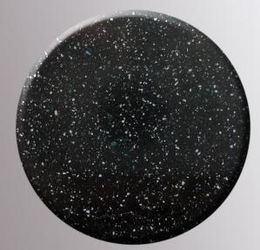
When it comes to repairs, acrylic also shines. Minor scratches and chips can often be buffed out or repaired by a professional, restoring the countertop to its original glory without visible signs of damage. This is a considerable advantage over materials like granite or quartz, where a deep scratch can be much more challenging and costly to fix. The repairability contributes to the longevity and overall value of an acrylic countertop.
However, acrylic is not without its drawbacks. Its primary vulnerability lies in its susceptibility to heat. High temperatures can cause acrylic to scorch, warp, or even melt. This means that using trivets and hot pads for hot pots and pans directly from the stove or oven is not just recommended, but absolutely essential. While many homeowners adapt to this practice, it requires a conscious effort and a shift in habit. Another consideration is its relative softness compared to some other countertop materials. While this contributes to its ease of fabrication and repair, it also makes it more prone to scratching from sharp objects or abrasive cleaning tools. Again, mindful use and proper care are key to maintaining its pristine appearance.
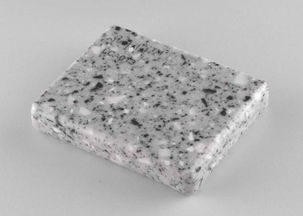
The aesthetic range of acrylic is impressive, offering a vast spectrum of colors, patterns, and finishes, from solid vibrant hues to subtle marbled effects. This versatility allows homeowners to match their countertops to virtually any interior design scheme. The visual appeal, combined with its functional benefits, makes acrylic a strong contender for many renovation projects.
Now, let’s turn our attention to solid surface. Solid surface materials are also synthetic, typically composed of a blend of acrylic polymers, polyester resins, and mineral fillers derived from bauxite ore (alumina trihydrate). This composition results in a material that shares many of the desirable traits of acrylic, but with some nuanced differences. Like acrylic, solid surface is non-porous, offering excellent resistance to stains and the proliferation of bacteria. This makes it an equally hygienic choice for kitchens and bathrooms. The seamless installation capabilities are also a hallmark of solid surface, allowing for integrated sinks and an unbroken aesthetic.
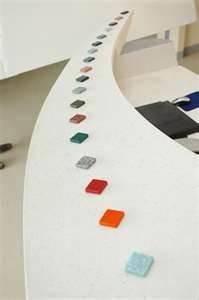
The beauty of solid surface lies in its uniformity. Because it is manufactured in sheets, the color and pattern are consistent throughout the material. This means that any scratches or chips that occur can be more easily repaired to blend seamlessly with the surrounding surface. Professionals can often sand down the damaged area and re-finish it to a point where the repair is virtually invisible. This inherent reparability is a major selling point for solid surface.
Solid surface also offers a broad palette of colors and patterns, mimicking the look of natural stone or offering unique, modern designs. Its versatility in design is a significant plus for homeowners aiming for a specific look and feel. The ability to be thermoformed means that designers can still achieve those flowing curves and custom shapes that elevate a space.
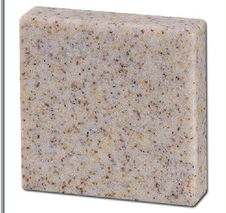
However, solid surface shares some of the same vulnerabilities as acrylic, most notably its sensitivity to heat. While some formulations might offer slightly better heat resistance than pure acrylic, it is still crucial to use trivets and hot pads to protect the surface from high temperatures. Likewise, its susceptibility to scratching from sharp objects or abrasive cleaners is also a concern. While repairs are generally effective, prevention through careful use is always the best approach.
The key differentiator between acrylic and solid surface often boils down to the specific resin blend used. While both are composite materials, the exact proportions of acrylic polymer, polyester resin, and mineral fillers can influence their performance characteristics. Generally speaking, solid surface materials that lean more heavily on polyester resins might offer slightly better hardness and scratch resistance than those with a higher acrylic content. Conversely, materials with a higher acrylic content may offer greater flexibility during fabrication and potentially better UV resistance. It’s a subtle balance, and the specific product’s formulation is what truly dictates its precise performance.
When considering these materials, it’s also important to think about the installation process. Both acrylic and solid surface are typically cut and fabricated off-site by specialized professionals. This ensures precision and the ability to create those seamless joints and integrated features. The installation itself is relatively straightforward for experienced fabricators.
In summary for this part, both acrylic and solid surface offer a compelling blend of aesthetics, hygiene, and design flexibility. Their non-porous nature and seamless installation capabilities make them excellent choices for busy households. However, both require a mindful approach to heat and sharp objects to maintain their beauty over time. The choice between them often comes down to subtle differences in performance, a homeowner’s specific design vision, and, of course, budget.
Continuing our exploration into the world of countertop materials, the distinction between acrylic and solid surface, while nuanced, can significantly influence your decision-making process. While they share many similarities, understanding their subtle differences in performance, aesthetic nuances, and cost implications will help you arrive at the ideal surface for your home.
One area where a distinction can sometimes be observed is in the perceived “feel” of the material. Acrylic, being a pure acrylic polymer, can sometimes have a slightly warmer or softer feel to the touch compared to some solid surface formulations that might incorporate more mineral filler. This is a subjective observation, of course, but for some homeowners, the tactile experience of their countertop is an important consideration.
The repairability, while a strong suit for both, can sometimes present minor differences depending on the specific formulation of the solid surface material. As mentioned, solid surface is typically a blend. If a solid surface product contains a higher proportion of polyester resins, it might be slightly harder and more prone to chipping than a pure acrylic, although this same increased hardness could translate to better scratch resistance in some cases. Conversely, if the acrylic content is very high, it might be softer but more pliable for complex designs. The key takeaway here is that not all “solid surface” is created equal, and the exact composition matters. For acrylic, a pure acrylic composition generally means consistent properties throughout. When repairs are needed, minor scratches on acrylic can often be buffed out with fine-grit sandpaper or a specialized polishing compound, a process that can be replicated with solid surface. However, deeper gouges or chips might require professional intervention for both materials to ensure a seamless blend. The skill of the fabricator and installer also plays a crucial role in the long-term performance and appearance of both acrylic and solid surface countertops.
Let’s talk about aesthetics. While both materials offer an extensive range of colors and patterns, the way these are achieved can differ. Acrylics can be formulated to achieve very bright, vibrant, and even translucent effects. This translucency can be particularly striking in certain applications, allowing for creative lighting designs to be incorporated beneath the surface. Solid surface materials, while offering a wide array of looks, including those that mimic natural stone with remarkable accuracy, may not always achieve the same level of translucency or the sheer breadth of intensely saturated colors that pure acrylic can offer. However, solid surface excels in replicating the intricate veining and depth of natural stones, providing a sophisticated and timeless appeal. If you’re looking for a countertop that truly emulates the luxurious look of marble or granite without the inherent porosity and maintenance challenges of natural stone, solid surface often has the edge in achieving that particular aesthetic.
When it comes to cost, the price point for acrylic and solid surface countertops can vary significantly based on brand, complexity of design, edge profiles, and the specific finish chosen. Generally speaking, entry-level solid surface options can be comparable in price to mid-range acrylics, and vice-versa. However, highly intricate designs, complex curves, or specialized finishes can drive up the cost for both materials. It’s important to get detailed quotes from fabricators, as the cost of labor for fabrication and installation will also be a significant factor. Some homeowners find that certain brands of solid surface offer a slightly better value proposition for their particular aesthetic preferences, while others prioritize the unique design capabilities or perceived tactile qualities of pure acrylic.
Durability is a multifaceted concept. While both are considered durable for everyday use, their specific resistances can differ. As previously mentioned, heat is a common enemy to both. Scratch resistance can vary. Some high-performance solid surface materials might offer a slightly harder surface that resists superficial scratches better than some acrylic formulations. However, this can be a trade-off, as a harder surface might be more prone to chipping if subjected to a sharp impact. Acrylic’s slightly softer nature can make it more forgiving with impacts, but also more susceptible to fine scratches over time if not treated with care. For most residential applications, and with proper use, both will hold up admirably. The key is understanding the limitations and adapting usage habits accordingly.
Maintenance for both is generally low, which is a significant part of their appeal. Daily cleaning with a soft cloth, warm water, and a mild, non-abrasive detergent is usually all that’s needed. For tougher stains, a paste of baking soda and water can often work wonders on both acrylic and solid surface. Avoid abrasive cleaners, steel wool, and harsh chemicals, as these can dull the finish or damage the material. Regular, gentle cleaning will preserve the beauty and integrity of your countertops for years to come. The non-porous nature means you don’t have to worry about sealing them, unlike natural stone.
Environmental considerations are also worth noting. Both acrylic and solid surface are manufactured products, and the environmental impact of their production and disposal is a factor for some homeowners. However, many manufacturers are increasingly focused on sustainable practices, using recycled content and developing more energy-efficient production methods. Some solid surface materials can also be more easily recycled at the end of their life. It’s worth investigating the specific manufacturer’s environmental policies if this is a priority for you.
In conclusion, while acrylic and solid surface share a significant overlap in their advantages – namely, non-porosity, seamless installation, hygiene, and design flexibility – they are not identical. Acrylic can offer exceptional vibrancy, translucency, and a softer feel, with generally consistent repairability. Solid surface, with its varied formulations, can provide superior mimicry of natural stone, potentially better scratch resistance in some cases, and a broad range of aesthetic options. The choice ultimately hinges on your specific design aspirations, your tolerance for mindful use regarding heat and scratches, your budget, and any particular tactile or visual preferences you may have. Both materials are excellent investments that can enhance the beauty and functionality of your home, offering a durable and attractive surface for years of enjoyment. Taking the time to understand these subtle differences will ensure you select the material that truly is the heart of your home.









