
The kitchen. It’s the engine room of the modern home, a place where creativity ignites, conversations flow, and memories are made. And at the very heart of this vibrant space, commanding attention and bearing witness to it all, are your countertops. They are the unsung heroes, the silent workhorses, the canvases upon which culinary masterpieces are painted and daily routines are etched. Choosing the right material for these pivotal surfaces is a decision that impacts not only the aesthetic appeal of your kitchen but also its functionality and longevity. When it comes to enduring beauty and resilience, natural and engineered stones stand out as premier choices, each offering a unique symphony of qualities.

Let’s begin our exploration with the titans of the countertop world: granite and quartz. Granite, a true gift from the earth, is a natural igneous rock formed under immense heat and pressure deep within the planet. Its allure lies in its unparalleled natural beauty. Each slab of granite is a unique work of art, showcasing a breathtaking array of colors, patterns, and veining that can range from subtle and understated to bold and dramatic. Imagine the deep, inky blacks flecked with shimmering mica, the warm, earthy browns swirling with creamy veins, or the cool, sophisticated grays punctuated by subtle crystalline structures. This inherent uniqueness means that no two granite countertops will ever be precisely alike, offering a bespoke character that engineered materials can only aspire to replicate. Beyond its visual appeal, granite is renowned for its exceptional durability. It’s one of the hardest natural stones, boasting a formidable resistance to scratches, heat, and everyday wear and tear. This makes it an ideal candidate for busy kitchens where chopping, slicing, and the occasional hot pan are part of the daily rhythm. Its non-porous nature (when properly sealed) means it’s also resistant to staining, a crucial factor in a space prone to spills of wine, coffee, or olive oil. The tactile sensation of cool, solid granite under your fingertips evokes a sense of permanence and quality that is truly satisfying.
However, the natural world, in its infinite variety, also presents considerations. Granite does require periodic sealing, typically once a year, to maintain its stain resistance. While the maintenance is straightforward, it’s a step that should not be overlooked. Furthermore, the sheer weight of granite means that cabinetry must be sturdy and capable of supporting its considerable mass. Installation by professionals is essential to ensure a seamless and secure fit. The cost of granite can also vary significantly, with rarer colors and more intricate patterns commanding higher prices. But for those who appreciate the untamed elegance and robust performance of a material forged by nature, granite remains an enduring and highly desirable choice.
In contrast to granite’s natural artistry, quartz is a triumph of modern engineering. It’s an engineered stone, meticulously crafted from approximately 90-95% natural quartz crystals, bound together with polymers and pigments. This process yields a material of remarkable consistency and predictability in its appearance. If you envision a countertop with a uniform color, a clean, modern look, or a specific pattern that complements your design, quartz offers unparalleled control. The palette available for quartz is vast and ever-expanding, encompassing everything from pure whites and soft grays to vibrant hues and convincing imitations of natural stones like marble and granite. This versatility allows designers and homeowners to achieve a precise aesthetic without the inherent variations found in natural materials.
The engineering of quartz also bestows upon it a suite of highly practical advantages. Its non-porous surface is a significant benefit, making it exceptionally resistant to stains and bacteria. Unlike granite, quartz does not require regular sealing, simplifying maintenance considerably. A simple wipe-down with soap and water is usually all that’s needed to keep it looking pristine. Its inherent hardness makes it highly resistant to scratches and chips, standing up admirably to the rigors of a busy kitchen. Furthermore, the manufacturing process allows for a consistent finish and a very uniform appearance, which can be a significant advantage for those seeking a clean, modern look. The density of quartz also makes it very hygienic, as it doesn’t harbor bacteria or viruses. This combination of low maintenance, high durability, and design flexibility has propelled quartz to the forefront of countertop popularity in recent years. It’s a material that offers the best of both worlds: the aesthetic appeal of stone with the practical advantages of a low-maintenance, high-performance surface.
While quartz offers a compelling package of benefits, it’s worth noting a couple of aspects. Because it is an engineered product, its resistance to extreme heat is not as robust as granite. While it can tolerate warm pots for short periods, prolonged exposure to high temperatures can cause discoloration or damage. Therefore, using trivets and hot pads is still recommended. Additionally, while quartz is incredibly durable, its engineered nature means that seams can be more noticeable in certain installations compared to monolithic slabs of natural stone. However, the advancements in fabrication techniques continue to minimize this issue. The consistency that makes quartz so appealing also means it lacks the unique, one-of-a-kind character of natural granite. If you crave the subtle variations and geological story embedded within a natural slab, quartz might feel less organic. Nevertheless, for many, the practical advantages and design control offered by quartz make it an exceptional choice for a modern, functional, and beautiful kitchen.
Continuing our journey into the world of stone countertops, we encounter two more captivating options: marble and quartzite. Marble, with its timeless elegance and luxurious appeal, has been a symbol of sophistication for centuries. Think of the majestic sculptures of antiquity or the grand interiors of historic buildings – marble has always been associated with artistry and prestige. Its characteristic veining, often described as wispy, cloudy, or dendritic, creates a soft, organic flow across the surface, adding a depth and character that is simply breathtaking. The colors of marble are typically more subdued than granite, ranging from pristine whites and soft creams to subtle grays and muted blues, often with delicate veins of contrasting color. This understated beauty lends an air of refined luxury to any kitchen, transforming it into a space of unparalleled elegance. The cool, smooth touch of marble is also a sensory delight, making it a joy to work on.
However, marble is also the most “lived-in” of the natural stones. It is softer and more porous than granite or quartz, meaning it is more susceptible to etching, staining, and scratching. Etching occurs when acidic substances, such as lemon juice, vinegar, or even certain cleaning products, come into contact with the stone, causing a dulling or slight erosion of the surface. Stains can also penetrate the pores if spills are not wiped up immediately. While some see these marks as adding character and a patina of age, others find them to be a drawback. Regular sealing and diligent care are absolutely essential for marble countertops to maintain their pristine appearance. This means embracing a more hands-on approach to kitchen maintenance, being mindful of every spill and drip. For those who appreciate the unparalleled beauty of marble and are prepared for the commitment to its upkeep, it remains an exquisite choice that can elevate a kitchen to a level of timeless grandeur. The allure of marble is undeniable, but it demands respect and a willingness to nurture its delicate nature.
In stark contrast to the inherent softness of marble, quartzite emerges as a formidable contender, a natural stone that boasts incredible strength and resilience, often rivaling or even surpassing granite. Quartzite is a metamorphic rock, formed when sandstone is subjected to intense heat and pressure deep within the earth, transforming the quartz grains into a densely interlocked crystalline structure. This geological process results in a stone of exceptional hardness and durability. Visually, quartzite can be incredibly diverse. It often features a beautiful interplay of colors and patterns, from subtle, cloudy veining to bolder, more dramatic striations. Many quartzites mimic the appearance of marble with their elegant veining, offering a similar aesthetic but with vastly superior performance. You can find quartzites in a spectrum of whites, grays, blues, pinks, and even greens, each slab telling a unique geological story.
What truly sets quartzite apart is its remarkable durability. It is incredibly resistant to scratches, heat, and stains, making it an excellent choice for demanding kitchen environments. Its natural density means it is less porous than granite and significantly less so than marble, which translates to superior stain resistance. While it’s always recommended to seal natural stones, many quartzites require less frequent sealing than granite. The low porosity also means it’s less likely to harbor bacteria, contributing to a more hygienic kitchen surface. The combination of its stunning natural beauty, impressive hardness, and practical resilience makes quartzite an increasingly popular choice for homeowners seeking a low-maintenance yet sophisticated countertop material. It offers the visual elegance of natural stone with a performance profile that can meet the challenges of even the busiest kitchens. For those who desire the breathtaking artistry of natural stone without the intensive care requirements of marble, quartzite presents a compelling and often surprisingly accessible alternative.
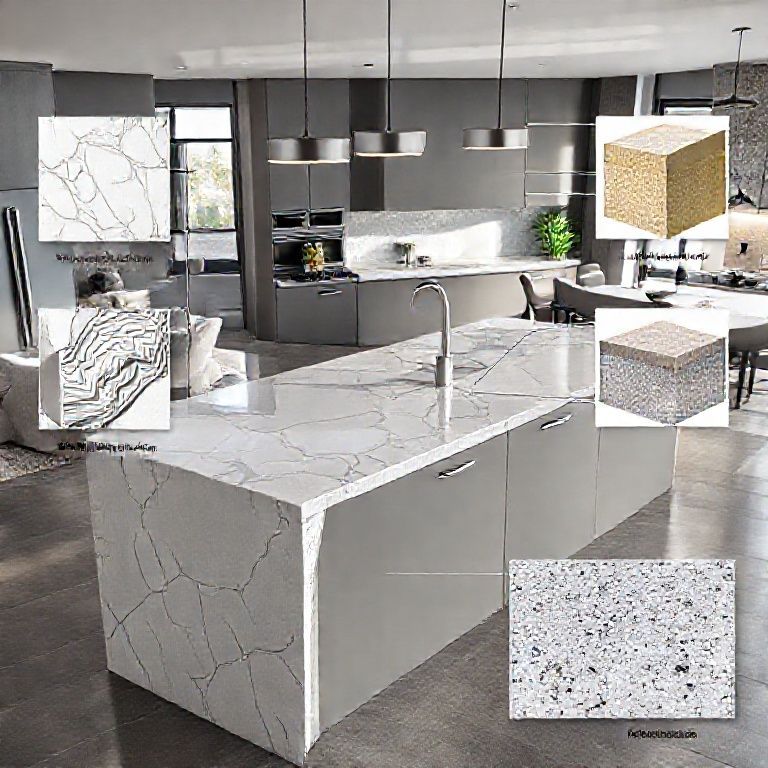
When embarking on the quest for the perfect kitchen countertops, the choices can feel overwhelming, yet exhilarating. Beyond the titans of granite, quartz, marble, and quartzite, a spectrum of other stone materials and considerations awaits, each offering unique attributes to shape your culinary haven. Understanding these nuances is key to making an informed decision that harmonizes beauty, functionality, and your personal lifestyle.
Let’s delve into the world of natural stones beyond the most common players. Travertine, for instance, is a form of limestone deposited by mineral springs, particularly hot springs. Its characteristic feature is its distinctive pitting and natural holes, which are often filled with resin or cement during the fabrication process to create a smooth, usable surface. Travertine offers a warm, earthy aesthetic, often found in creamy beige, tan, and light brown hues. Its rustic charm makes it a wonderful choice for kitchens aiming for a natural, Mediterranean, or country-inspired feel. While it can be beautiful, it is a relatively soft stone and is porous, meaning it requires regular sealing and careful maintenance to prevent staining and etching, similar to marble. However, its unique texture and natural variations provide a distinctive character that many find appealing.
Limestone, in its various forms, is another natural stone that can grace a kitchen countertop. Generally softer than granite, limestone presents a more subdued, matte finish compared to the often polished gleam of other stones. Its color palette typically leans towards earthy tones – creams, grays, and subtle browns. Limestone can offer a wonderfully organic and timeless feel to a kitchen. However, its softness makes it more prone to scratching and etching from acidic substances. Therefore, limestone countertops demand a conscious effort towards careful use and regular sealing to preserve their appearance. For those who embrace the natural patina that develops over time, limestone can be a charming and enduring choice, but it’s not for the faint of heart when it comes to maintenance.
Then there are the more exotic and less common natural stones. Soapstone, for example, is a metamorphic rock known for its velvety smooth texture and natural resistance to heat and stains. It has a distinctive, deep gray to black color that often develops a beautiful, rich patina over time with use. Soapstone is non-porous, meaning it doesn’t require sealing and is highly resistant to staining. Its ability to withstand high temperatures makes it a practical choice for kitchens. However, it is a relatively soft stone and can be scratched, though these scratches can often be sanded out. The aesthetic of soapstone is unique and appeals to those seeking a more rustic or artisanal look.
Beyond the realm of natural stone, engineered materials offer compelling alternatives that often blur the lines between practicality and aesthetics. While quartz is the most prevalent engineered stone, there are other composite materials worth considering. Solid surface countertops, often made from acrylic or polyester resins, offer a seamless, non-porous surface that is highly resistant to stains and easy to repair. They come in an extensive range of colors and patterns, and can even be thermoformed into curved shapes for unique design possibilities. However, solid surface materials are generally less resistant to scratches and heat compared to natural or engineered stones.
Another category of engineered materials includes high-performance laminates and ceramics. Laminate countertops have come a long way from their earlier iterations, now offering surprisingly realistic stone and wood finishes at a more accessible price point. They are lightweight, easy to install, and available in a vast array of designs. While they are relatively resistant to stains and moisture, their surface can be susceptible to scratches and heat damage. Ceramic tiles, when used as a countertop surface, offer a unique textural element and a wide range of design possibilities. However, the grout lines between tiles can be a point of weakness, prone to staining and difficult to clean. Large-format porcelain slabs are a more modern and increasingly popular ceramic option, offering a seamless look with excellent durability, heat resistance, and stain resistance.
When making your final selection, it’s essential to consider your lifestyle and the demands placed upon your kitchen. Are you a passionate home chef who frequently uses acidic ingredients like lemons and vinegars? Then a more stain-resistant and etch-resistant material like quartz or quartzite might be ideal. Do you often place hot pots and pans directly on the counter? Granite and quartzite excel in heat resistance. Is low maintenance a top priority? Quartz and sealed granite are excellent choices, while marble and travertine will require more diligent attention.
Consider also the aesthetic you wish to achieve. If you crave the unique, one-of-a-kind beauty of nature, then granite, marble, or quartzite might be your calling. If you prefer a consistent, predictable look and a vast color palette, quartz offers unparalleled design control. Think about the overall style of your kitchen – modern, traditional, rustic, or minimalist – and how the countertop material will contribute to that vision.
Finally, budget plays a significant role. Natural stones like granite and quartzite can vary widely in price depending on rarity and complexity of pattern. Quartz is generally mid-range, offering excellent value for its performance. Marble, especially exotic varieties, can be at the higher end, reflecting its luxurious appeal and the challenges in its quarrying and fabrication. Laminates and some solid surfaces offer more budget-friendly options.
The journey of selecting kitchen countertops is an exciting opportunity to imbue your home with a material that is both functional and a source of daily pleasure. Whether you are drawn to the raw, untamed beauty of granite, the engineered perfection of quartz, the timeless elegance of marble, the robust resilience of quartzite, or the unique character of other stones, understanding the properties and care requirements of each will empower you to create a kitchen that is not just a place to cook, but a true reflection of your taste and lifestyle, a vibrant heart for your home that will serve you beautifully for years to come.









