
The allure of artificial stone countertops in modern kitchens is undeniable. Sleek, durable, and available in an astonishing array of colors and patterns, they offer a sophisticated aesthetic that appeals to a wide range of homeowners. From the crisp, clean lines of a minimalist design to the bold statements of a more eclectic style, artificial stone, often quartz or engineered stone, provides a versatile canvas. However, as with any popular material, myths and misconceptions tend to swirl. One of the most persistent questions we hear is: “Are artificial stone kitchen countertops afraid of heat?” It’s a valid concern, especially in a space where cooking, baking, and the occasional forgotten hot pot are part of daily life. The short answer is, they are not invincible, but the reality is far more nuanced than a simple yes or no.
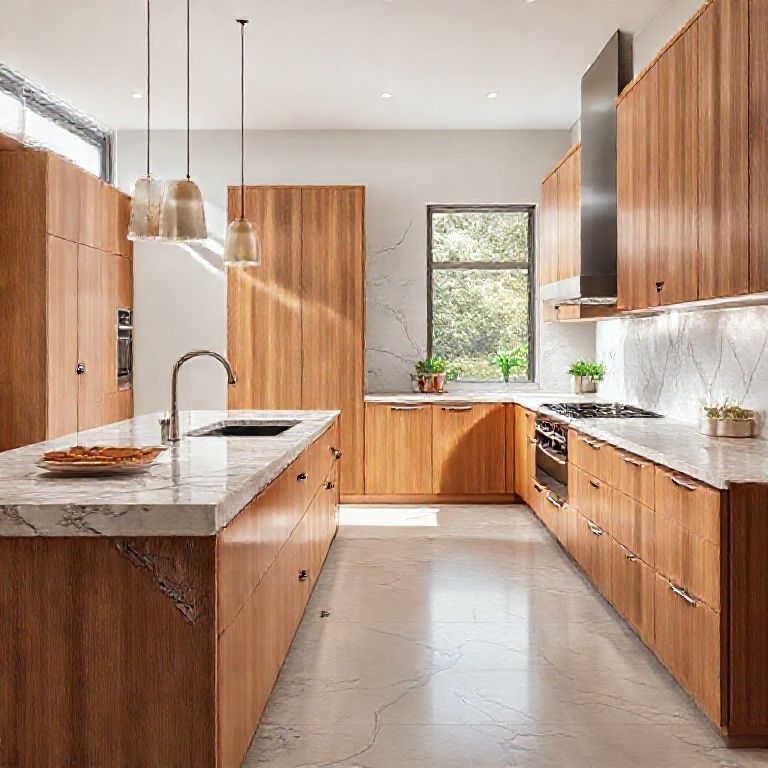
Let’s begin by understanding what artificial stone actually is. Unlike natural granite or marble, which are quarried directly from the earth, artificial stone is a composite material. The most common type, quartz countertops, are made by combining around 90-95% ground natural quartz with about 5-10% polymer resins and pigments. This fusion creates a material that inherits the strengths of quartz – its inherent hardness and durability – while benefiting from the engineered nature of the resins and pigments, which allow for consistent patterns, colors, and enhanced stain resistance. Engineered stone is a broader category that can include quartz, but also other composite materials using different binders and aggregates. For the purpose of this discussion, we’ll primarily focus on quartz, as it’s the dominant player in the artificial stone countertop market and generally has the best heat resistance within this category.
The “fear of heat” associated with these surfaces often stems from a misunderstanding of how they react to thermal shock. Quartz, being a natural mineral, is highly heat-resistant. It can withstand relatively high temperatures before any visible damage occurs. The resins, however, are the potential weak link. These polymers are what bind the quartz particles together and give the countertop its smooth, non-porous surface. When subjected to sudden and extreme temperature changes – what’s known as thermal shock – these resins can, in some cases, degrade. This degradation can manifest as discoloration, a dulling of the surface, or, in more severe instances, small cracks or chipping. Imagine a very hot pan being placed directly onto a cool countertop. The rapid transfer of heat can cause the resins to expand and contract at a different rate than the quartz, creating stress within the material.
It’s important to differentiate between sustained high heat and sudden extreme heat. Placing a warm (not piping hot) dish on a quartz countertop for a short period is unlikely to cause any issues. Many manufacturers even state that their quartz products can tolerate temperatures up to around 300-350°F (150-175°C) for brief periods. This is more than sufficient for most common kitchen activities. For instance, a freshly baked cake might be placed on a cooling rack on the counter, and the residual heat would likely be well within this tolerance. The real danger lies in actions like placing a red-hot skillet directly from the stove or oven onto the countertop without any protection. This creates a localized area of extreme temperature that the resins are not designed to withstand.
The quality and composition of the artificial stone also play a significant role. Higher quality quartz countertops, made with a higher percentage of quartz and superior resins, tend to exhibit better heat resistance. Manufacturers invest in research and development to create formulations that minimize the risk of thermal shock. However, even the best products have their limits. It’s a bit like saying a high-performance car can go fast – it can, but pushing it to its absolute limit constantly will eventually lead to wear and tear.
So, what does this mean for the average homeowner? It means you can enjoy the beauty and practicality of artificial stone countertops without excessive anxiety, provided you adopt sensible kitchen habits. This isn’t about treating your kitchen like a sterile laboratory; it’s about understanding the material’s properties and taking a few simple precautions. For many, this is an easy transition, as using trivets and hot pads is already a common practice for protecting any countertop surface, whether it’s laminate, wood, or natural stone. The goal is to prevent direct contact with extreme heat.
Consider the context of your kitchen. If you’re someone who frequently cooks elaborate meals, using multiple hot pans and pots, and often places them directly on the counter for a moment, then perhaps an extra layer of caution or a different material might be worth considering. However, for the vast majority of home cooks, the heat resistance of artificial stone is more than adequate. The peace of mind that comes with a non-porous, stain-resistant, and low-maintenance surface often outweighs the minimal risk associated with heat, especially when simple protective measures are employed. The aesthetic benefits, the hygienic surface, and the long-term durability are compelling reasons why artificial stone remains a top choice for kitchen renovations. The “fear of heat” is often more of a cautionary tale than a definitive disqualifier, a reminder that even the most robust materials benefit from a little care and respect. Understanding the science behind it demystifies the concern and empowers you to make an informed decision, ensuring your kitchen is both a functional masterpiece and a resilient workspace.
Continuing our exploration into the heat resistance of artificial stone countertops, it’s crucial to move beyond the theoretical and into the practical implications for your kitchen design and daily life. We’ve established that while artificial stone, particularly quartz, is quite resilient, it’s not impervious to extreme and sudden temperature changes. The key takeaway is that understanding and mitigating these risks is straightforward and doesn’t necessitate a kitchen devoid of warmth or culinary passion.
Let’s delve into preventative measures. The simplest and most effective tool in your arsenal is the humble trivet or hot pad. These are not just for protecting your table from a hot serving dish; they are essential for any countertop material when dealing with extreme heat. Think of them as your kitchen’s little shields. Whether you opt for cork, silicone, fabric, or a decorative ceramic design, having a selection readily available near your cooking zones is a game-changer. When you remove a pot from the stove or a pan from the oven, make it a habit to place it on a trivet first. This small act of mindfulness creates a buffer, allowing the heat to dissipate gradually rather than shocking the countertop. It’s a practice that preserves the integrity of your surfaces and extends their lifespan, regardless of the material.
Beyond trivets, consider the placement and duration of heat exposure. A scorching hot pan held aloft for a few seconds while you reach for a trivet is vastly different from letting that same pan sit directly on the countertop for several minutes. The resins in artificial stone can withstand brief moments of high heat, but prolonged exposure to concentrated heat is what poses a risk. This means that while you might not need to panic if a stray drop of hot liquid lands on your counter, leaving a boiling pot unattended on the surface for an extended period is not advisable. It’s about understanding the difference between an accidental spill and intentional, sustained heat application.
Another factor to consider is the type of cookware you use. While this might seem less directly related to the countertop itself, certain cookware can exacerbate heat transfer. For instance, pans with very thin, metallic bases can transfer heat more intensely than heavier, multi-ply constructions. While not a direct cause of damage to the countertop, it’s a subtle aspect of kitchen dynamics that can influence the overall thermal load on your surfaces.
When it comes to engineered stone that isn’t predominantly quartz, the heat resistance can vary more widely. Some engineered stones use different binders, such as polyester resins, which might be more susceptible to heat damage. If you’re considering a less common type of engineered stone, it’s always wise to consult with the manufacturer or supplier about its specific heat resistance properties and any particular care instructions. However, the trend in the market is heavily towards quartz-based composites due to their superior performance characteristics, including heat tolerance.
The aesthetic benefits of artificial stone are often a primary driver for its selection, and it’s important to ensure that the chosen material aligns with your lifestyle without demanding an overly restrictive approach to cooking. The beauty of artificial stone lies in its low maintenance. It’s non-porous, meaning it resists stains from common kitchen culprits like wine, coffee, and oil. It’s also incredibly durable and resistant to scratching, making it a practical choice for busy households. When you weigh these advantages against the relatively minor precautions needed for heat, artificial stone emerges as a highly sensible option for most kitchens.
For those who are particularly concerned or whose cooking habits lean towards extreme heat usage, there are still solutions. You could designate a specific “hot zone” in your kitchen – perhaps a small area near the stove that is either covered by a heat-resistant cutting board permanently or has a built-in trivet. Alternatively, some homeowners opt for a contrasting material in the immediate vicinity of their primary cooking area, such as a durable stainless steel inlay or even a small section of natural stone known for its exceptional heat resistance. However, for the majority, these are unnecessary complications.
The narrative around artificial stone and heat resistance is often one of exaggeration. The reality is that these countertops are designed for the demands of a modern kitchen. They are engineered to be beautiful, functional, and resilient. The “fear” of heat is, in essence, a call for mindful usage. By embracing simple habits like using trivets, understanding the difference between brief exposure and sustained heat, and choosing reputable brands, you can confidently install and enjoy artificial stone countertops for years to come. They offer a perfect blend of style and substance, allowing you to create a kitchen that is not only a culinary hub but also a testament to smart, lasting design. The heat is on, but with a little common sense, your artificial stone countertops will stay cool, calm, and collected.









