
In the ever-evolving landscape of kitchen design, surfaces that marry form and function are highly sought after. Among these, sintered stone has emerged as a prominent contender, lauded for its remarkable durability, hygienic properties, and a sleek, modern aesthetic. Often marketed as a near-indestructible material, it’s presented as the ultimate solution for busy kitchens. However, like any material, sintered stone is not without its imperfections. Beneath the glossy veneer of its undeniable advantages lie certain limitations and potential hazards that warrant a closer examination, especially when considering it for your kitchen countertops. This exploration aims to provide a balanced perspective, moving beyond the marketing hype to understand the true nature of sintered stone and its implications for your culinary sanctuary.

One of the primary appeals of sintered stone is its exceptional resistance to heat, scratches, and stains. This is largely attributed to its manufacturing process, which involves subjecting natural minerals to extremely high temperatures and immense pressure. The result is a non-porous material that is incredibly dense and robust. In theory, this means you can place hot pans directly onto the surface, chop ingredients without fear of scratching, and spill wine or oil without worrying about permanent marks. While this holds true to a significant extent, it’s crucial to understand the nuances. “Heat resistant” doesn’t equate to “heat proof.” Sudden, intense thermal shock – like placing a preheated cast-iron pan directly from a blazing stovetop onto a cold sintered stone surface – can still cause damage. This can manifest as hairline cracks or thermal expansion, potentially leading to more serious structural issues over time. Many manufacturers advise using trivets and hot pads as a precautionary measure, a detail often downplayed in promotional materials.
Similarly, the scratch resistance, while formidable, isn’t absolute. While everyday utensils and knives are unlikely to leave a mark, abrasive materials or prolonged dragging of heavy, rough-bottomed objects can still etch or scratch the surface. Think of dragging a ceramic pot with a gritty base across the countertop; such actions could compromise the pristine finish. Therefore, while the need for cutting boards might be less stringent than with other materials, it’s not entirely eliminated if you wish to preserve the showroom-quality appearance indefinitely. Understanding these limits means treating your sintered stone countertop with a degree of care, rather than as an impervious shield.
The non-porous nature of sintered stone is a significant advantage in terms of hygiene and stain resistance. Unlike natural stone or engineered quartz, it doesn’t absorb liquids, making it highly resistant to common kitchen spills like red wine, coffee, or cooking oils. This makes cleaning a breeze, typically requiring just a damp cloth and mild soap. However, “stain resistant” doesn’t mean “stain proof” in all circumstances. While the stone itself won’t absorb stains, certain substances, particularly those with strong dyes or acids, can sit on the surface and, if left for extended periods, may cause discoloration or etching. Some aggressive cleaning agents, especially those containing harsh chemicals or abrasives, can also damage the surface, dulling its sheen or even causing permanent marks. It’s always advisable to wipe up spills promptly and consult the manufacturer’s cleaning guidelines to avoid using incompatible products.
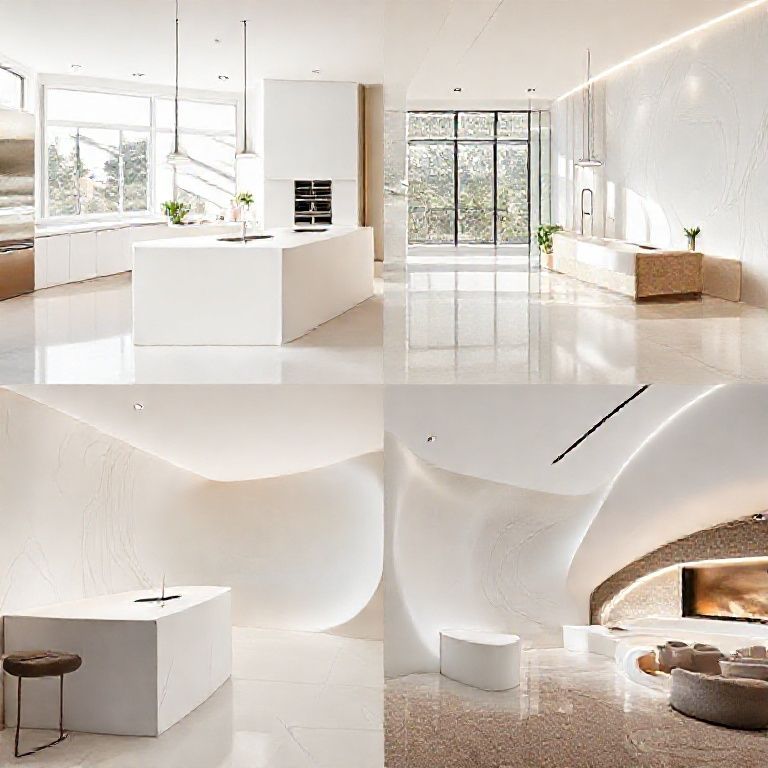
Beyond the material’s inherent properties, the installation of sintered stone countertops presents its own set of challenges and potential risks. Due to its density and brittle nature, improper handling during transport and installation can lead to chips or breaks. This is not a material that can be easily cut or modified on-site like solid wood or laminate. Precise measurements and professional installation are paramount. A poorly fitted countertop can lead to stress points, making it more susceptible to cracking under pressure or impact. Furthermore, the seams between slabs, while often expertly joined by professionals, can still be a point of weakness if not executed flawlessly. Any deviation from perfect alignment or adhesive application can create an uneven surface or a visible line that detracts from the seamless aesthetic. The weight of sintered stone slabs also necessitates robust cabinetry and support structures, as they are significantly heavier than many alternative countertop materials. Failure to adequately reinforce the underlying cabinets can lead to structural failure, a rather alarming, albeit rare, hazard.
The cost of sintered stone countertops is another factor that can be perceived as a disadvantage by some. While it positions itself as a premium product, its price point often exceeds that of traditional granite, quartz, or even solid surface materials. This higher initial investment needs to be weighed against its long-term durability and low maintenance. However, for homeowners on a tighter budget, the upfront cost can be a significant barrier. Furthermore, the specialized nature of its fabrication and installation often means engaging specialized fabricators and installers, which can add to the overall expense. The potential for breakage during installation, though uncommon with experienced professionals, can also lead to unexpected costs if a slab needs to be replaced.
While the environmental impact of many building materials is a growing concern, sintered stone’s manufacturing process, which involves high energy consumption for extreme temperatures and pressures, can raise questions. While the raw materials are natural minerals, the energy-intensive production cycle warrants consideration. However, proponents argue that the longevity and durability of sintered stone mean it doesn’t need frequent replacement, thus reducing waste over its lifespan. The recyclability of sintered stone is also a developing area; while not as straightforward as some other materials, efforts are being made to incorporate recycled content and explore recycling options at the end of its life cycle. Understanding these considerations allows for a more informed decision, balancing aesthetic desires with practical realities and a broader perspective on sustainability.
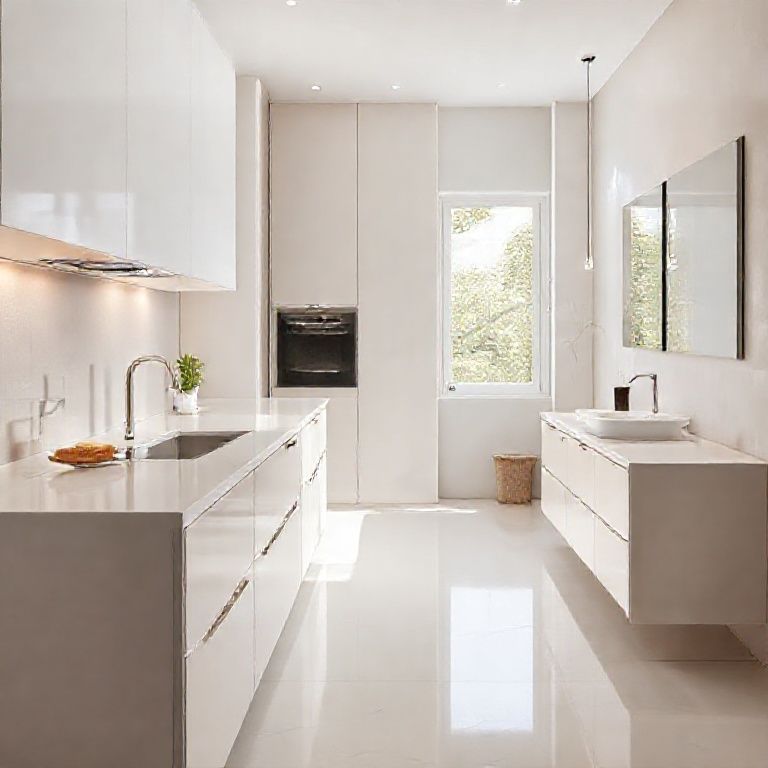
Continuing our deep dive into the practicalities of sintered stone countertops, let’s move beyond the intrinsic material properties and focus on the user experience and potential long-term implications in a busy kitchen environment. While the glossy advertisements often showcase pristine kitchens untouched by the realities of daily life, the true test of any countertop lies in its performance under consistent use. This section will delve into how sintered stone holds up over time, the considerations for maintenance, and some of the less commonly discussed risks associated with its integration into the heart of your home.
One of the most frequently asked questions regarding any countertop material is its ease of maintenance. Sintered stone shines brightly in this regard, thanks to its non-porous nature. Unlike materials that require periodic sealing to prevent staining, sintered stone offers a virtually maintenance-free surface. This means no more worrying about the hassle of resealing granite or the potential for etch marks on marble. A quick wipe-down with a damp cloth and a mild detergent is usually sufficient to keep it looking immaculate. This low-maintenance aspect is a significant draw for busy households or individuals who prefer to spend less time on cleaning and more time enjoying their culinary pursuits. However, it’s important to be aware of what constitutes “mild detergent.” Harsh chemicals, abrasive cleaners, or scouring pads can, over time, dull the finish or even cause micro-scratches that are not immediately apparent but can accumulate, detracting from the initial lustrous appearance. It’s a small detail, but one that can significantly impact the long-term aesthetics if overlooked.
While sintered stone is lauded for its durability, it’s not entirely immune to the rigors of a working kitchen. The edges and corners, in particular, can be vulnerable to chipping or cracking if subjected to sharp impacts. Dropping a heavy pot or pan directly onto an edge, for instance, can cause a noticeable chip. While these chips can often be repaired by specialized technicians, they are visible and can detract from the seamless beauty of the countertop. The process of repair can also be costly and may not always result in a perfectly invisible fix, depending on the color and pattern of the stone. Therefore, while the main surface is remarkably resilient, treating the edges with a bit more caution is advisable. This might involve being mindful of how you maneuver large appliances or heavy cookware around the perimeter of your kitchen island or countertops.
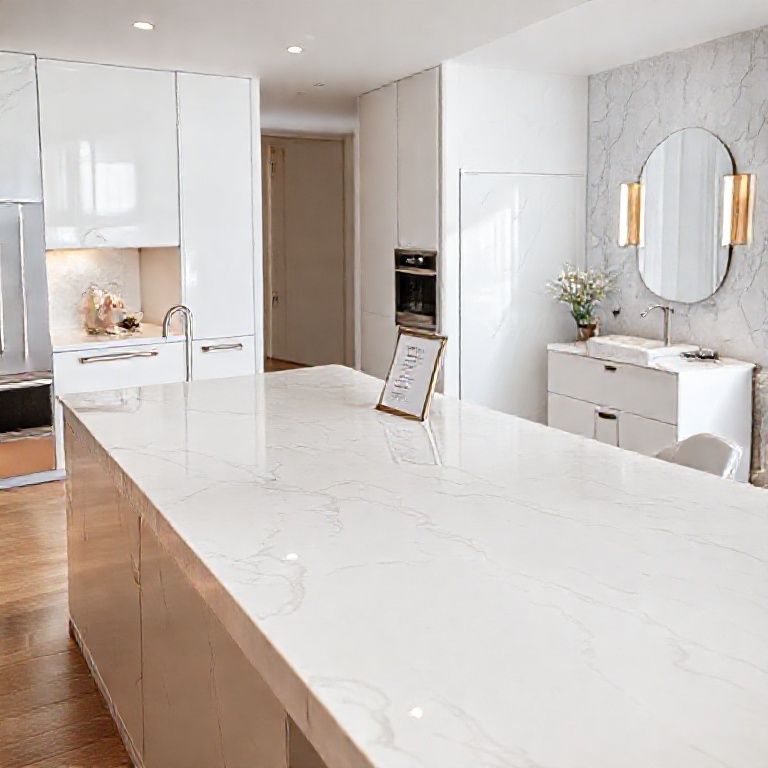
The visual appeal of sintered stone is undeniable. It offers a vast range of colors, patterns, and finishes, mimicking the look of natural stone like marble and quartzite, or offering unique contemporary designs. However, one potential drawback is that, like many man-made materials, it can sometimes lack the subtle, unique variations found in natural stone. While this is often seen as a positive for those seeking a consistent look, some homeowners desire the inherent “imperfections” and one-of-a-kind character that natural stone offers. The uniformity of sintered stone, while a testament to its precise manufacturing, can sometimes feel less organic and more manufactured, which might not appeal to everyone’s design sensibilities. If you are looking for a surface that tells a unique story with every vein and swirl, sintered stone might not fully satisfy that desire.
Another consideration, particularly for those who enjoy cooking with traditional methods, is the potential for sintered stone to feel colder than natural materials like wood or even some types of granite. This is due to its density and composition. While this can be an advantage in warmer climates, in cooler environments, it might contribute to a less inviting feel in the kitchen, especially during colder months. This is a subjective point, of course, but one that can influence the overall ambiance of the space.
The “hazard” aspect of sintered stone countertops often surfaces in discussions about its installation and potential for breakage. As mentioned earlier, sintered stone is a brittle material. While this contributes to its hardness, it also means that if it experiences significant stress or impact, it can fracture rather than bend. This is why professional installation by experienced fabricators is not just recommended, but essential. A DIY installation or an inexperienced installer significantly increases the risk of the material cracking or breaking during transport, cutting, or fitting. The cost of replacing a broken slab can be substantial, and the inconvenience of project delays can be a significant stressor. It’s crucial to vet your installers thoroughly and ensure they have specific experience with sintered stone.
Furthermore, the consistent, often highly polished finish of many sintered stone countertops can present a slip hazard, especially when wet. While this is a concern with any smooth countertop surface, the extreme smoothness of some sintered stone finishes can exacerbate the issue. This is a minor point for most, but for households with very young children or elderly individuals, it’s a factor worth considering. Using anti-slip mats or coasters can mitigate this, but it’s an additional layer of precaution that might not be necessary with more textured surfaces.
Finally, let’s touch upon the aesthetic limitations that can arise over time. While sintered stone is incredibly resistant to fading from UV light, the sealants or finishes applied during fabrication, especially for certain textures or patterns, can, in rare cases, degrade or discolor if exposed to specific chemicals or prolonged direct sunlight. This is highly dependent on the specific product and its formulation. Most reputable manufacturers offer warranties that cover such issues, but understanding the fine print and adhering to recommended maintenance practices is key to avoiding these potential long-term aesthetic concerns. The pursuit of a timeless, beautiful kitchen is an investment, and understanding all facets of the materials used, including their less-advertised drawbacks, empowers you to make the most informed and satisfying choices.









