Understanding Synthetic Stone Countertops and Their Odors
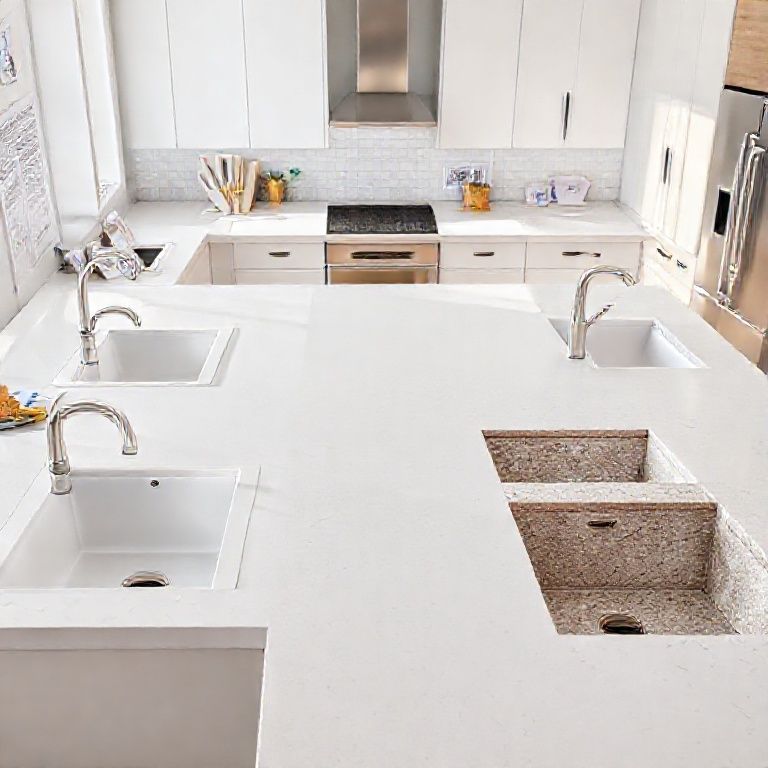
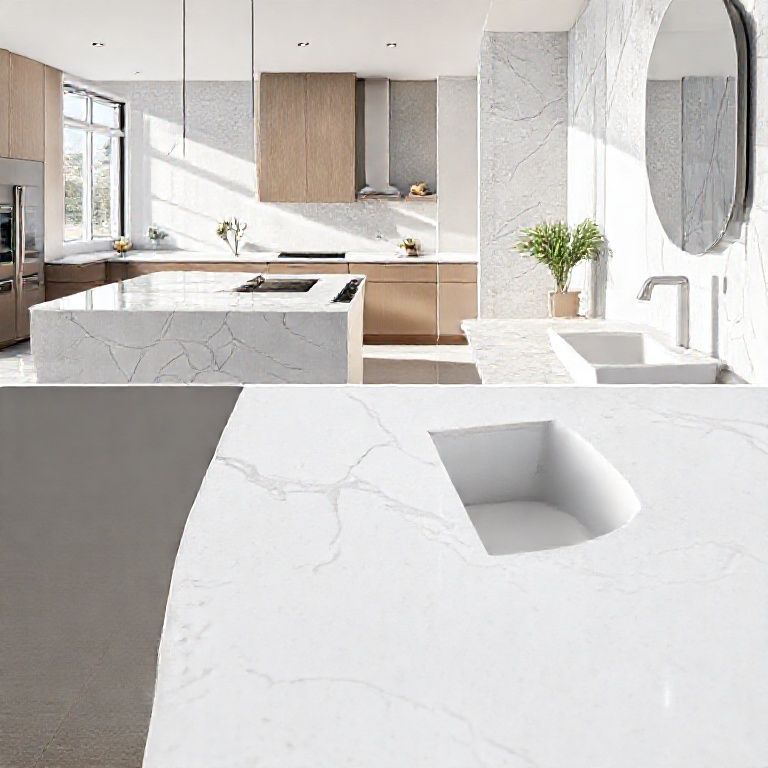
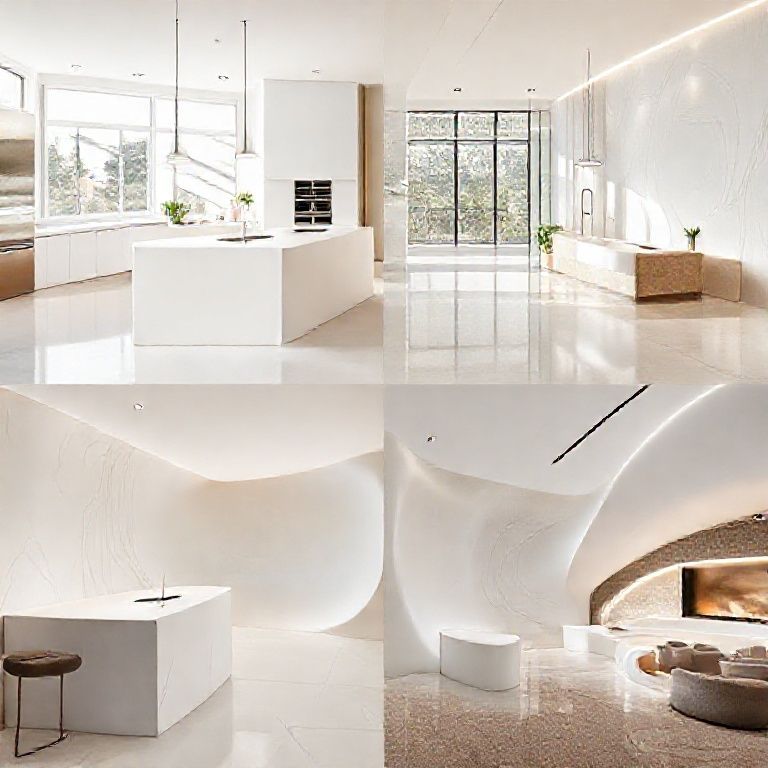
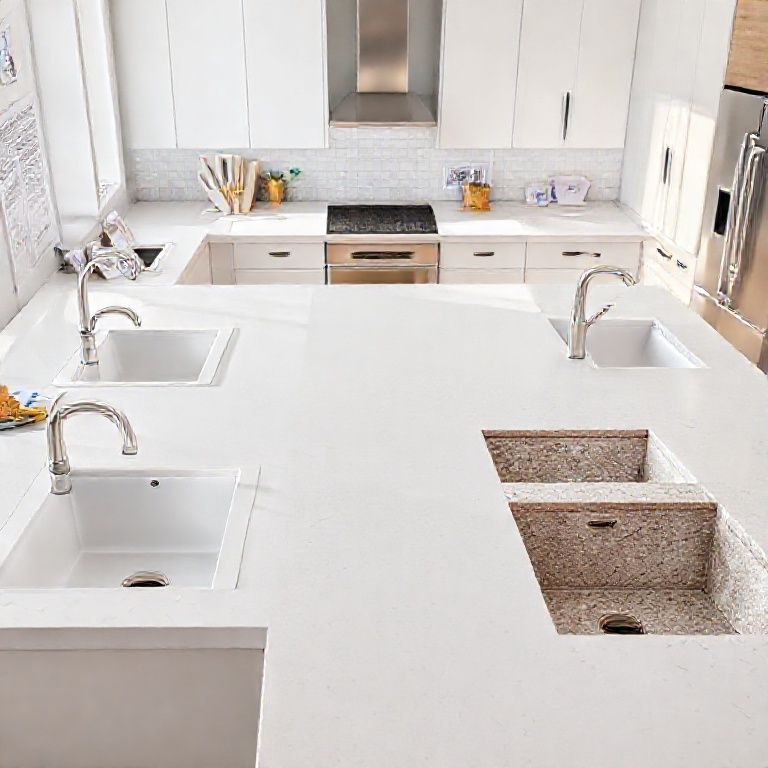
In today’s modern homes, synthetic stone countertops have become a popular choice for their durability, aesthetic appeal, and relatively low maintenance. Made from a combination of natural stone powders and resins, these countertops mimic the look of traditional stone while offering a more affordable and easier-to-maintain alternative. However, despite their many benefits, synthetic stone countertops are not immune to issues, one of which is the unwelcome problem of odors.

The Science Behind the Smell
Synthetic stone, while durable, is not entirely inert. The resins and fillers used in its creation can sometimes emit volatile organic compounds (VOCs). These compounds are responsible for the initial “new countertop” smell that can linger in your home after installation. However, over time, synthetic stone countertops can also pick up and retain odors from the environment, particularly in high-traffic areas like kitchens and bathrooms.
Common sources of odors include:
Cooked Food: The porous nature of some synthetic stones can trap food particles and odors, making them difficult to remove. Moisture: Damp environments can lead to mold and mildew growth, which can produce unpleasant smells. Personal Hygiene: Bathrooms often have higher humidity levels, which can create an ideal environment for bacteria and fungi that produce odors.
Why Odors Matter
Odors from synthetic stone countertops can detract from the overall ambiance of your home, making spaces feel less inviting and clean. They can also be particularly bothersome in areas where food preparation and personal hygiene are frequent activities. Addressing and preventing these odors is essential for maintaining a fresh and pleasant environment.

Solutions and Maintenance Tips for Fresh Synthetic Stone Countertops
Now that we understand the root causes and implications of odors in synthetic stone countertops, let’s explore effective solutions and maintenance tips to keep these surfaces smelling fresh and clean.
Immediate Odor Removal Techniques
If you’ve already noticed an unpleasant smell emanating from your synthetic stone countertop, don’t worry—there are several immediate steps you can take to tackle the issue:
Ventilation: Proper ventilation is crucial in reducing and preventing odors. Open windows and use exhaust fans in kitchens and bathrooms to circulate fresh air.

Activated Charcoal: Place bowls of activated charcoal on the countertop. Activated charcoal is known for its odor-absorbing properties and can help neutralize smells effectively.
Baking Soda: Sprinkle baking soda over the countertop and let it sit for several hours. The baking soda will absorb odors before you sweep it up. For tougher odors, mix baking soda with a small amount of water to form a paste and leave it on the surface for a longer period.
Vinegar: A mixture of equal parts vinegar and water can be used as a natural disinfectant and deodorizer. Spray the solution on the countertop and wipe it clean with a microfiber cloth.

Long-Term Maintenance and Prevention
To ensure that your synthetic stone countertops remain fresh over time, follow these long-term maintenance and prevention strategies:
Regular Cleaning: Use a mild, non-abrasive cleaner specifically designed for synthetic stone. Avoid using harsh chemicals that can damage the surface.
Immediate Food Spillage Cleanup: Wipe up food spills immediately to prevent particles from embedding into the surface, which can lead to odor retention.
Protective Coatings: Consider applying a protective coating or sealant designed for synthetic stone. These products can help to lock in moisture and create a barrier against odors.
Air Purifiers: Installing an air purifier in areas with synthetic stone countertops can help to maintain air quality and reduce the risk of odors.
Humidity Control: Use dehumidifiers in high-humidity areas like bathrooms to prevent mold and mildew growth, which can contribute to unpleasant odors.
Proper Ventilation in Cooking Areas: Ensure that your kitchen has adequate ventilation when cooking. Use range hoods and exhaust fans to remove cooking fumes and odors from the immediate area.
Expert Tips for Synthetic Stone Countertop Care
To further extend the life and freshness of your synthetic stone countertops, consider these expert tips:
Avoid Using Cutting Boards Directly on the Countertop: Use a cutting board or a silicone mat to prevent scratches and to avoid trapping food particles. Regular Inspection: Regularly inspect your countertops for any signs of wear, mold, or mildew. Early detection can prevent bigger problems down the line. Professional Cleaning: If odors persist, consider hiring a professional cleaning service that specializes in synthetic stone. They have the right tools and products to deep clean and refresh your countertops. Avoid Exposure to Direct Heat and UV Light: Prolonged exposure to direct heat and UV light can cause discoloration and damage to synthetic stone. Use trivets or pot holders when transferring hot items.
Conclusion
Synthetic stone countertops are a fantastic choice for many homeowners, offering a blend of durability, beauty, and low maintenance. However, like any surface, they are not immune to issues such as odors. By understanding the root causes of these smells and implementing effective maintenance strategies, you can ensure that your synthetic stone countertops remain fresh, clean, and inviting.
In the next part, we will delve deeper into advanced cleaning techniques, explore innovative products designed specifically for synthetic stone maintenance, and discuss the importance of regular professional cleaning services. Stay tuned to learn how to keep your synthetic stone countertops looking and smelling their best!