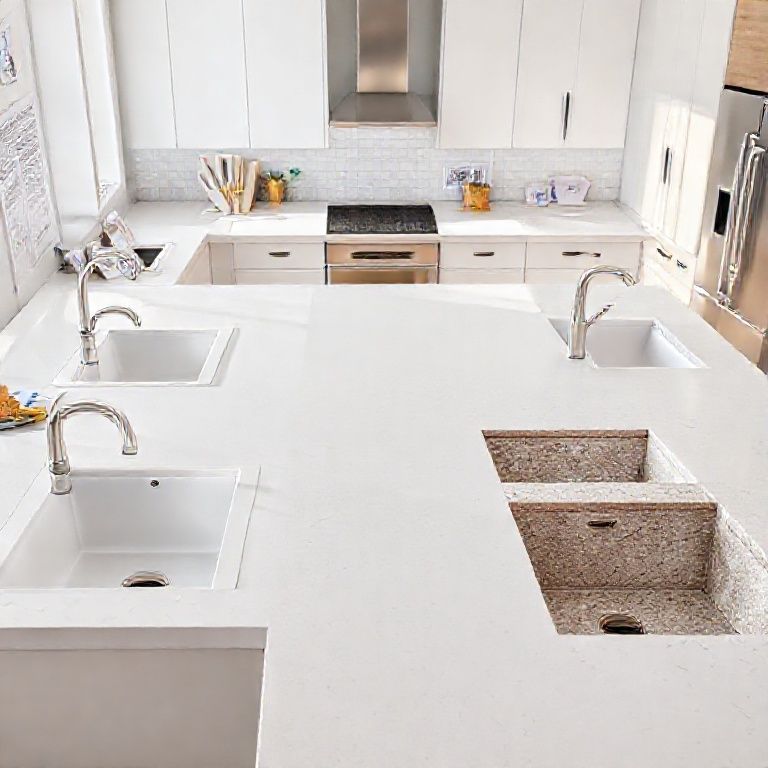
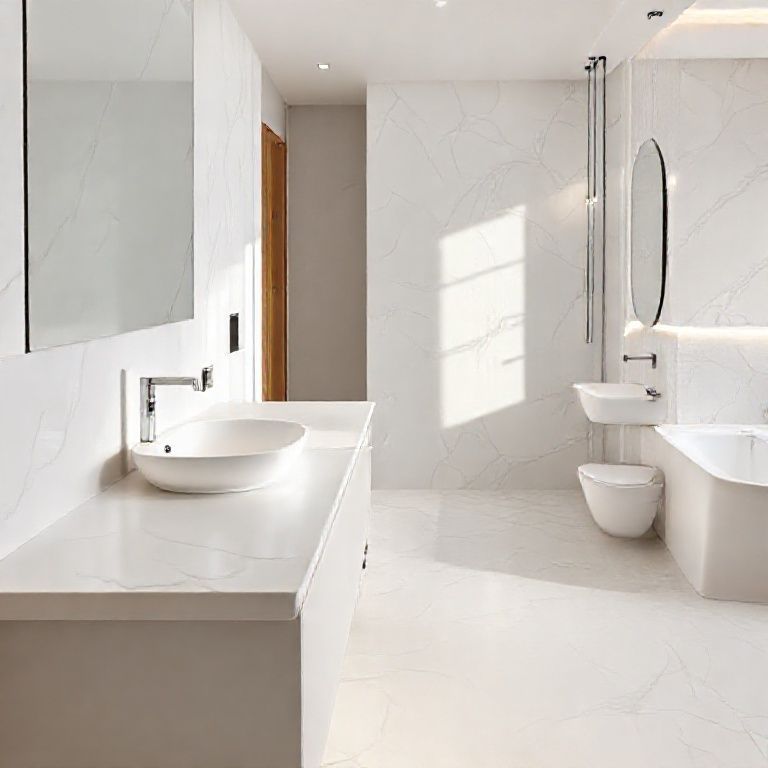
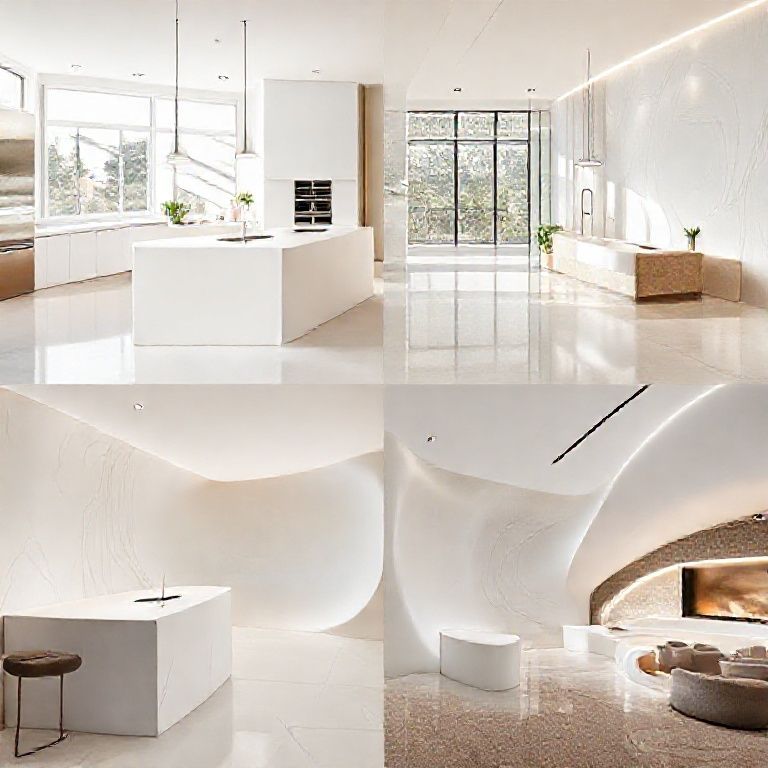
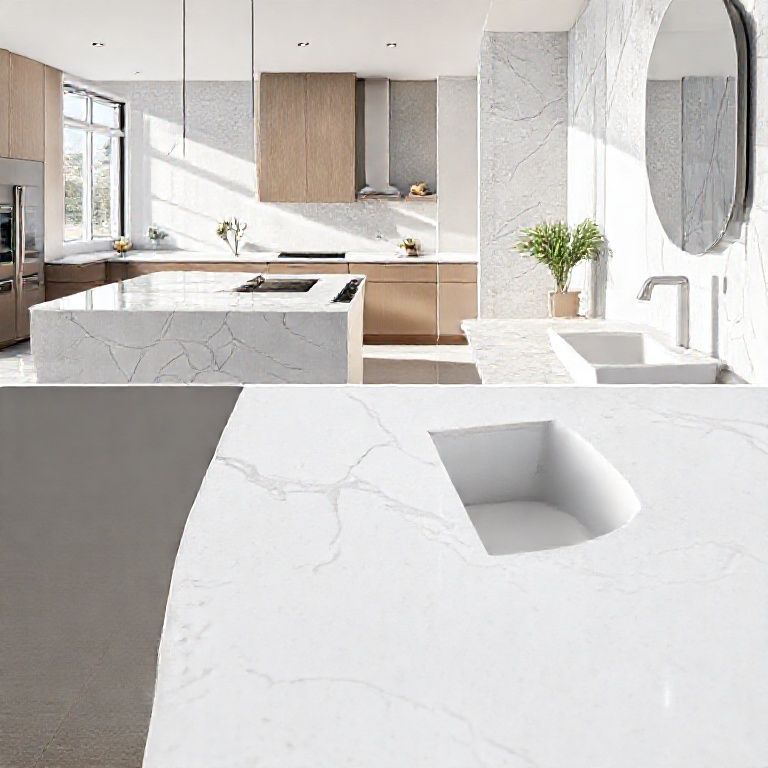
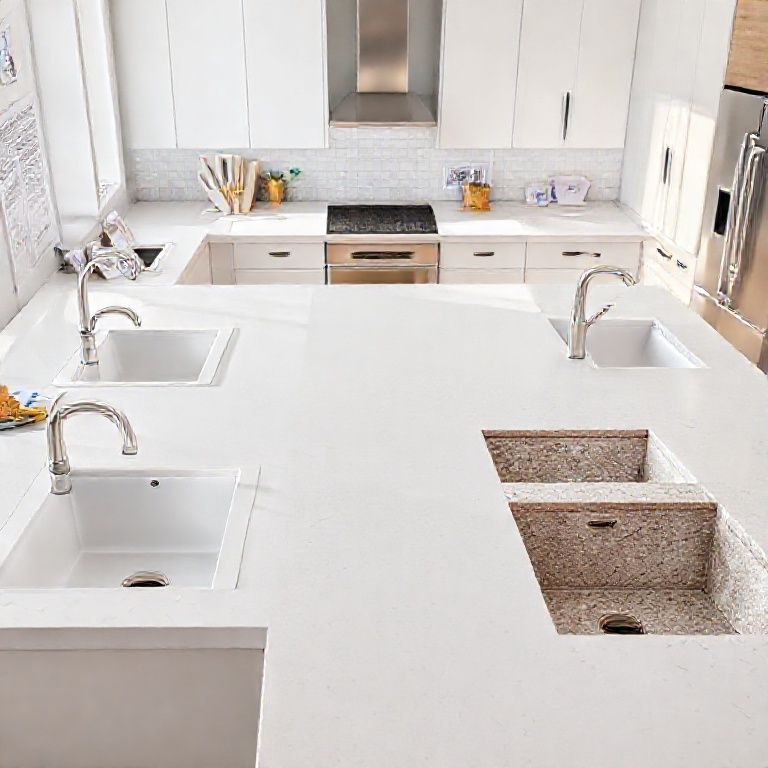
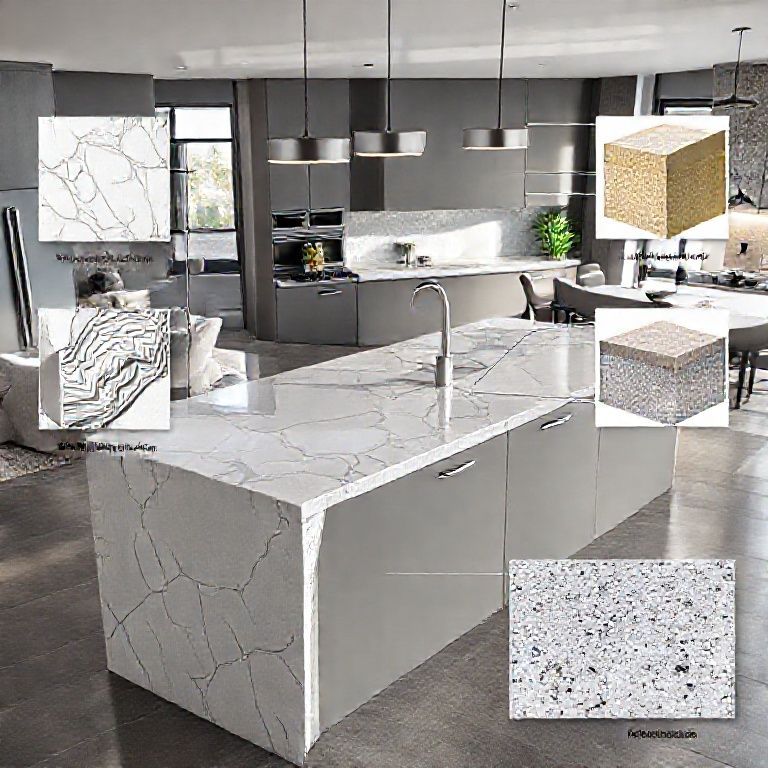
When it comes to kitchen design, the countertop is one of the most important elements. Not only does it serve as the primary workspace for food preparation, but it also plays a key role in the overall aesthetic of your kitchen. Selecting the ideal material for your kitchen countertop is crucial to achieving a blend of functionality, durability, and style. In this part of our guide, we’ll explore several popular countertop materials, their pros and cons, and what to consider when making your decision.
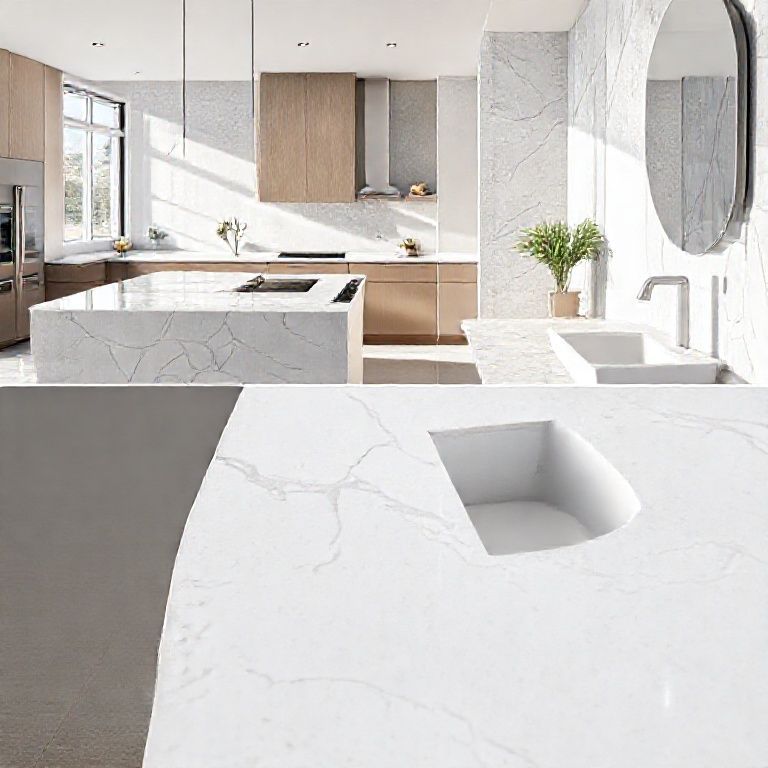
Granite: The Classic Choice
Granite countertops have long been a favorite among homeowners for their timeless appeal and durability. Originating from natural stone, granite countertops offer a unique, veined pattern that adds character to any kitchen.
Advantages:
Durability: Granite is one of the hardest natural stones, making it highly resistant to scratches and impacts. Low Maintenance: Granite countertops require minimal maintenance. A simple wipe-down with a mild soap solution is usually sufficient to keep them looking pristine. Aesthetic Appeal: With its unique, natural patterns, granite provides a sophisticated look that enhances the kitchen’s design.
Disadvantages:
Cost: Granite countertops are often on the higher end of the price spectrum. Weight: Due to its density, granite can be quite heavy, which might be an issue for older homes with older construction. Heat Sensitivity: Although granite is highly durable, it can still be affected by extremely hot pots and pans, leading to thermal shock.
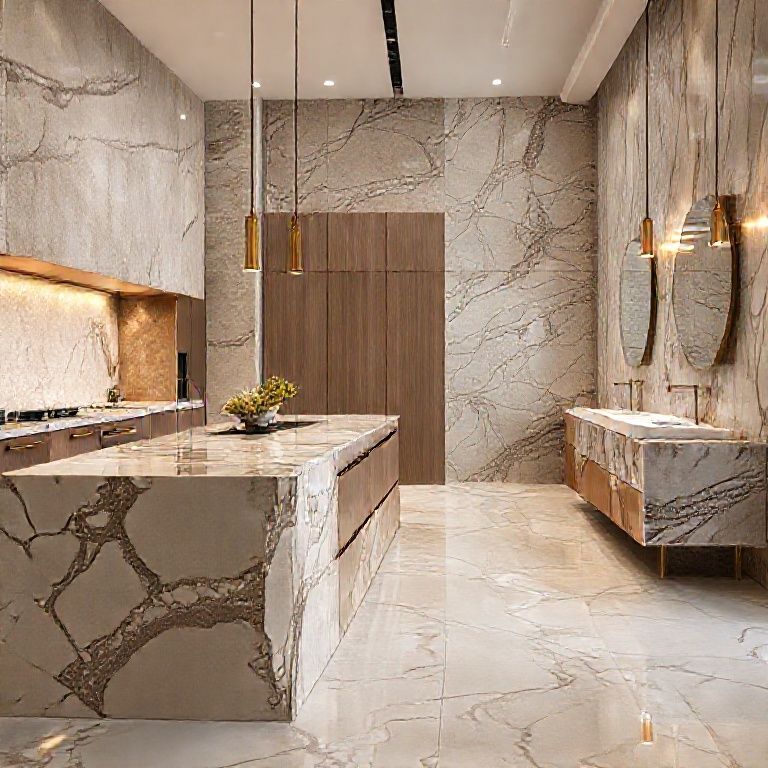
Quartz: The Modern Alternative
Quartz countertops, made from 90% natural quartz and 10% resin, have gained popularity due to their stunning appearance and durability.
Advantages:
Durability: Quartz is incredibly hard and resistant to scratches, stains, and cuts. Heat Resistance: Quartz can withstand high temperatures without any damage. Low Maintenance: Easy to clean with just water and a mild soap. Variety of Colors: Available in a wide range of colors and patterns, allowing for versatile design options.
Disadvantages:
Cost: Quartz countertops can be more expensive than some other materials. Installation: Requires professional installation due to the material’s rigidity and the need for precise cuts.
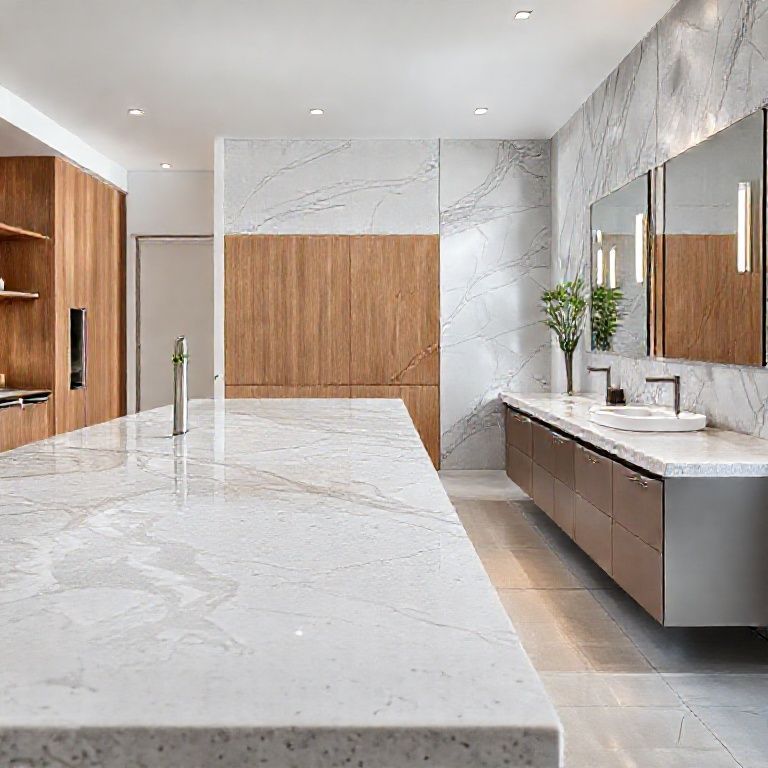
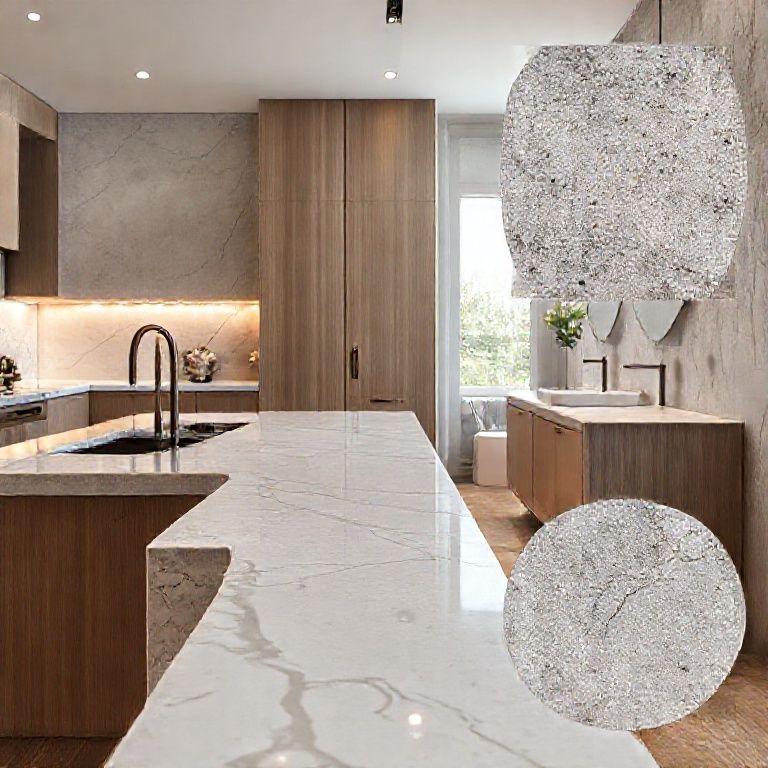
Marble: The Luxurious Option
Marble countertops exude elegance and luxury, making them a popular choice for those looking to add a touch of opulence to their kitchen.
Advantages:
Aesthetic Appeal: Marble’s natural beauty and unique veining make it a statement piece. Variety: Marble comes in a wide array of colors and patterns, offering endless design possibilities. Durability: Marble is quite hard and can withstand heavy use if properly sealed.
Disadvantages:
Maintenance: Marble requires regular sealing to prevent stains and water rings. Cost: Marble countertops can be expensive, especially high-end varieties. Sensitivity to Acids: Marble can be etched by acidic foods and cleaning agents.
Laminate: The Affordable Choice
For those looking for an affordable yet stylish option, laminate countertops are a great choice. Made from high-pressure laminate, these countertops are affordable and come in a variety of colors and patterns.
Advantages:
Affordability: Laminate countertops are generally more budget-friendly. Design Options: Available in numerous colors, patterns, and styles to suit any design preference. Easy to Clean: Requires minimal maintenance and can be easily wiped clean.
Disadvantages:
Durability: Laminate is less durable than natural stone and can be scratched. Heat Sensitivity: Laminate can melt or warp when exposed to high heat. Limited Design Options: While laminate offers many patterns, it doesn’t match the natural beauty of natural stone.
Composite: The Versatile Material
Composite countertops are made from a combination of natural stone dust and resin, offering a blend of durability and affordability.
Advantages:
Durability: Composites are highly durable and resistant to scratches, stains, and cuts. Affordability: Generally more affordable than natural stone countertops. Low Maintenance: Easy to clean and maintain.
Disadvantages:
Heat Sensitivity: Like laminate, composite can be damaged by high heat. Limited Aesthetic Options: While versatile, the aesthetic options are somewhat limited compared to natural stone.
Conclusion
Choosing the right material for your kitchen countertop is a significant decision that impacts both the functionality and aesthetic of your kitchen. Granite offers timeless elegance and durability, while quartz provides modern, versatile options. Marble adds luxury and natural beauty, albeit with higher maintenance requirements. Laminate and composite provide affordable, stylish alternatives that are easier to maintain. Each material has its unique advantages and disadvantages, so it’s essential to consider your specific needs, preferences, and budget when making your decision.
In the next part of our guide, we will delve deeper into additional materials such as solid surface countertops, bamboo, and engineered stone, comparing their features and helping you make an informed choice for your kitchen countertop.
Building on the foundational knowledge from Part 1 of our guide, this second part will explore additional materials for kitchen countertops. We’ll delve into the unique features, advantages, and disadvantages of solid surface, bamboo, and engineered stone, providing you with a comprehensive overview to help you make the best choice for your kitchen.
Solid Surface: The Versatile Option
Solid surface countertops, such as Corian and Formica, are made from a composite material that combines acrylic, polyester, or nylon with pigmented resin. These countertops are highly versatile and offer a range of design options.
Advantages:
Durability: Solid surface countertops are highly durable, scratch-resistant, and can withstand high temperatures. Design Flexibility: Available in a variety of colors and patterns, including those that mimic natural stone, wood, and metal. Low Maintenance: Easy to clean and maintain with minimal effort. Customizable: Can be cut to any size and shape, making them ideal for unique designs.
Disadvantages:
Cost: Solid surface countertops can be expensive, particularly for custom designs. Cutting: Requires professional installation and cutting due to the material’s rigidity. Heat Sensitivity: While generally heat-resistant, very high heat can cause damage.
Bamboo: The Eco-Friendly Choice
Bamboo countertops are an eco-friendly option that’s both stylish and sustainable. Made from bamboo, a fast-growing renewable resource, these countertops are lightweight yet durable.
Advantages:
Sustainability: Bamboo grows rapidly and is a renewable resource, making it an environmentally friendly choice. Durability: Bamboo is a strong, durable material that can withstand heavy use. Aesthetic Appeal: Bamboo offers a natural, organic look that’s visually appealing.
Disadvantages:
Maintenance: Bamboo requires regular maintenance to prevent scratches and water rings. Cost: Bamboo countertops can be more expensive than some other materials. Heat Sensitivity: Bamboo can be damaged by high heat, although less so than some other materials.
Engineered Stone: The High-Performance Material
Engineered stone countertops combine natural stone with synthetic resin to create a highly durable and versatile material.
Advantages:
Durability: Engineered stone is highly resistant to scratches, stains, and cuts, offering a durable and long-lasting option. Heat Resistance: It can withstand high temperatures without any damage. Design Options: Available in a wide range of colors and patterns, including those that mimic natural stone and marble. Low Maintenance: Easy to clean and maintain.
Disadvantages:
Cost: Engineered stone can be more expensive than some other countertop materials. Installation: Requires professional installation due to the material’s rigidity and need for precise cuts. Heat Sensitivity: While durable, engineered stone can still be affected by extremely high heat.
Comparing the Options
When comparing the various countertop materials, it’s essential to consider factors such as durability, maintenance, design flexibility, and cost. Here’s a quick comparison to help you make an informed decision:
Durability:
Highest: Granite, Quartz, Engineered Stone Medium: Laminate, Composite, Solid Surface Lowest: Bamboo
Maintenance:
Lowest: Granite, Quartz, Solid Surface, Engineered Stone Medium: Laminate, Composite Highest: Marble, Bamboo
Design Flexibility:
Highest: Solid Surface, Laminate, Composite Medium: Granite, Quartz, Engineered Stone Lowest: Marble, Bamboo
Cost:
-Cost:
Highest: Granite, Marble, Quartz, Engineered Stone Medium: Solid Surface Lowest: Laminate, Composite, Bamboo
Final Thoughts
Choosing the right material for your kitchen countertop involves weighing several factors, including durability, maintenance, design flexibility, and budget. Here are some final tips to guide your decision:
Consider Your Cooking Habits: If you frequently use the countertop for cooking, a more durable and heat-resistant material like granite, quartz, or engineered stone would be ideal. For lighter use, materials like laminate or composite might suffice.
Maintenance Preferences: If you prefer low maintenance and don’t want to spend time cleaning, materials like solid surface, granite, quartz, and engineered stone are excellent choices.
Design and Aesthetics: Think about the overall design of your kitchen. If you want a natural, organic look, bamboo or natural stone might be the best option. For a modern, sleek look, quartz or granite could be perfect.
Budget: Set a budget and choose a material that offers the best balance of quality and cost. While granite and marble are more expensive, laminate and composite offer great value for a more affordable price.
Long-Term Investment: Consider the long-term value and resale potential of your kitchen. Natural stone and high-quality materials like quartz often hold their value better over time.
By taking these factors into account, you can make an informed decision that will enhance both the functionality and beauty of your kitchen for years to come. Whether you opt for the timeless elegance of granite, the modern appeal of quartz, or the eco-friendly charm of bamboo, the right material can transform your kitchen into a workspace and showpiece that you’ll love.
If you have any specific questions or need further assistance in choosing the perfect countertop material for your kitchen, feel free to ask!