The Ideal Thickness for Artificial Stone Countertops
Introduction
Artificial stone countertops have become a popular choice for both residential and commercial kitchens and bathrooms due to their durability, aesthetic appeal, and relatively low maintenance. However, one crucial factor that can significantly affect the longevity and performance of these countertops is their thickness. In this first part of our comprehensive guide, we delve into the ideal thickness for artificial stone countertops, exploring how thickness impacts durability, installation, and overall aesthetics.
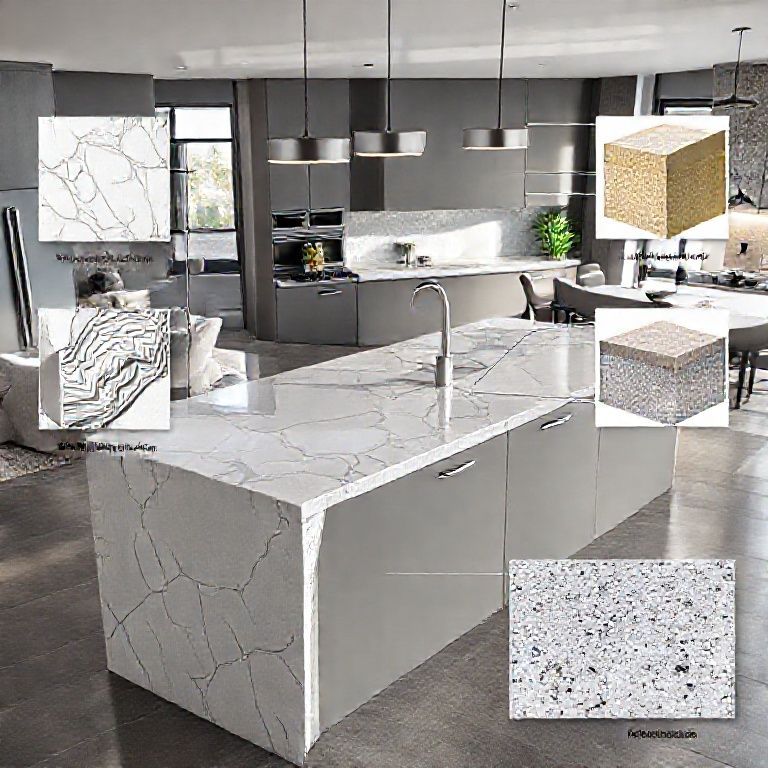
Understanding Artificial Stone Countertops
Artificial stone, also known as quartz, is a composite material made primarily from crystalline silica and other minerals. It’s manufactured using advanced technology to create a stone-like appearance and texture. These countertops are known for their strength, resistance to scratches, stains, and heat, making them a preferred choice over natural stone.
Importance of Thickness
The thickness of an artificial stone countertop plays a vital role in its overall functionality and longevity. Here are some key aspects to consider:
Durability
Thicker countertops are generally more durable. They can withstand heavier use and are less prone to cracking or breaking under pressure. For commercial spaces, where countertops see constant use, a thickness of 2 to 3 inches is often recommended.
Installation
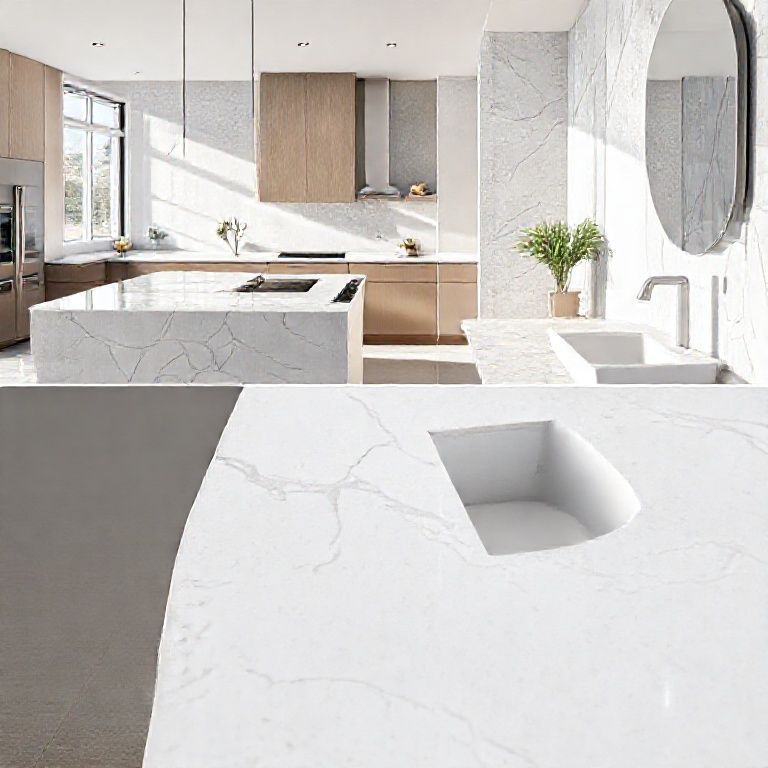
Thicker countertops may require more robust installation techniques, such as specialized adhesives and supports. Ensuring proper installation is crucial for preventing long-term issues like warping or detachment.
Aesthetics
Thickness can also affect the visual appeal of the countertop. Thinner countertops might not provide the same solidity and weight, which could be desirable in minimalist designs. However, a thicker countertop often gives a more substantial and high-quality appearance.
Standard Thickness Options
When it comes to choosing the right thickness, here are the most common options:
1. 1/2 Inch Thickness
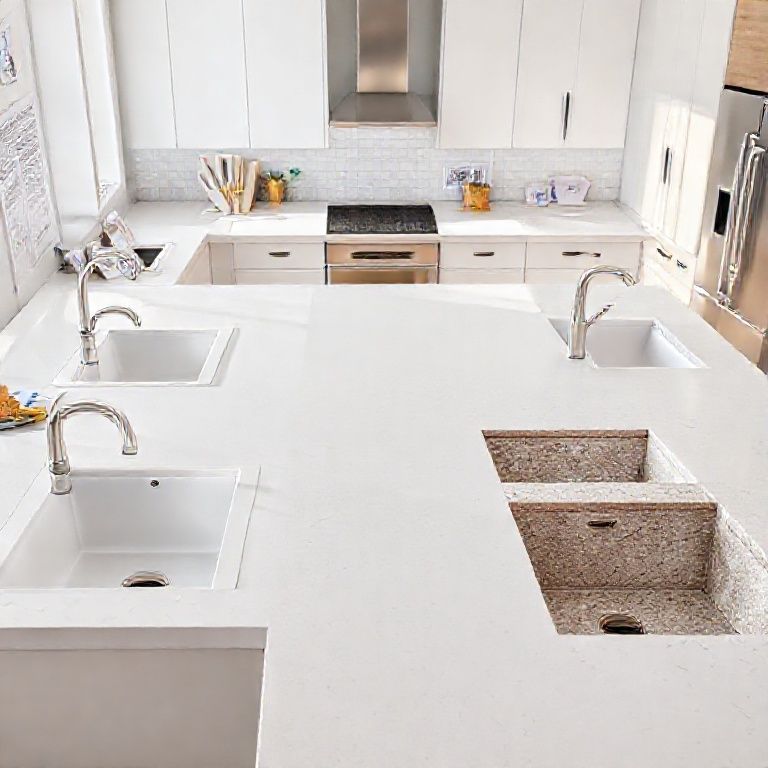
A half-inch thick artificial stone countertop is suitable for light to medium-duty applications. It’s perfect for small kitchen islands, sinks, or bathroom vanities where durability is less of a concern.
2. 3/4 Inch Thickness
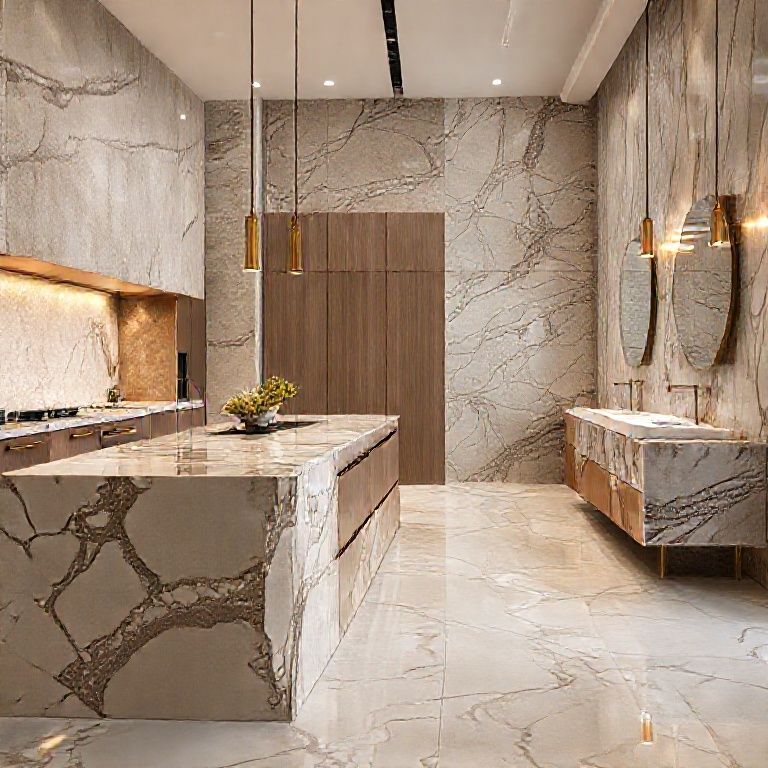
Three-quarter inch thick countertops strike a balance between durability and aesthetics. They are ideal for high-traffic areas like main kitchen counters and bathroom sinks. This thickness offers a good combination of strength and appearance.
3. 1 Inch Thickness
An inch-thick artificial stone countertop is highly durable and suitable for heavy-duty applications. This thickness is ideal for commercial kitchens where constant use is expected, and a more robust surface is required.
Factors Influencing the Right Thickness
Several factors can influence the choice of thickness for artificial stone countertops:
1. Usage
High-traffic areas such as main kitchen counters benefit from thicker countertops, while lighter-use areas like small kitchen islands might not require as much thickness.
2. Design Preferences
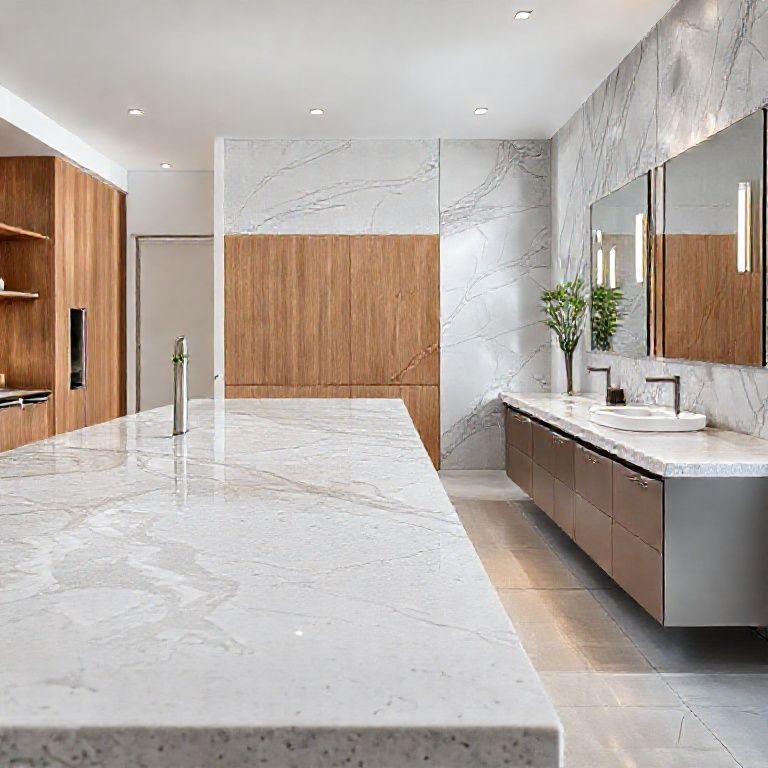
Thicker countertops offer a more substantial look, which might be desirable for a traditional design. Thinner options might suit modern, minimalist aesthetics.
3. Budget
Thicker countertops may be more expensive due to the material and installation requirements. It’s essential to balance cost with the desired durability and appearance.
4. Installation Considerations
Thicker countertops might require more complex installation techniques and could lead to higher labor costs. It’s crucial to consider the expertise of your contractor.
Installation Tips
Proper installation is crucial for ensuring the longevity of your artificial stone countertop. Here are some tips:
1. Choose the Right Adhesive
Use high-quality, specialized adhesives designed for artificial stone. These adhesives provide strong bonds and resist heat and moisture.
2. Ensure Proper Surface Preparation
Clean and level the surface where the countertop will be installed. Any imperfections or contaminants can lead to installation issues.
3. Use Appropriate Support Structures
For thicker countertops, ensure you have adequate support structures to prevent warping. This could include brackets or specialized edge profiles.
4. Follow Manufacturer’s Instructions
Always follow the manufacturer’s guidelines for installation. They provide specific advice based on the material properties.
Conclusion
Choosing the right thickness for your artificial stone countertop is a decision that involves balancing durability, aesthetics, and budget. Whether you are planning to install a countertop in your kitchen or bathroom, understanding the importance of thickness and the factors influencing your choice will help you make an informed decision. In the next part of this guide, we will delve deeper into the maintenance and care of artificial stone countertops to ensure they last for years to come.
Maintenance and Care for Artificial Stone Countertops
Introduction
Having chosen the ideal thickness for your artificial stone countertop, the next step is to ensure its longevity through proper maintenance and care. Artificial stone, with its impressive durability and low-maintenance characteristics, still requires some attention to keep it looking and functioning at its best. In this second part of our comprehensive guide, we will explore detailed maintenance tips, common issues, and preventive measures to help you keep your artificial stone countertop in pristine condition.
Regular Maintenance Tips
Maintaining your artificial stone countertop is straightforward and requires minimal effort. Here are some regular maintenance tips to keep your countertop looking and functioning well:
1. Daily Cleaning
Use Mild Detergents: Clean the surface with a mild detergent and warm water. Avoid using abrasive cleaners or sponges that can scratch the surface. Immediate Cleanup: Wipe up spills immediately to prevent stains and damage. Acidic or sugary substances can leave marks if not cleaned promptly.
2. Deep Cleaning
Regular Deep Cleans: For a deeper clean, use a commercial-grade cleaner designed for stone surfaces. Follow the manufacturer’s instructions for application. Rinse Thoroughly: Make sure to rinse the cleaner off completely to avoid any chemical residue that could damage the surface over time.
3. Avoiding Sharp Objects
Use Cutting Pads: When cutting food, use cutting boards or pads to protect the surface from scratches. Handle with Care: Avoid placing sharp objects directly on the countertop. Use containers with smooth edges to prevent scratches.
Handling Common Issues
Artificial stone countertops are known for their resilience, but like any surface, they can encounter issues. Here’s how to handle some common problems:
1. Stains and Marks
Minor Stains: For minor stains, a mixture of water and vinegar can often do the trick. Apply it to the stain, let it sit for a few minutes, and then wipe clean. Deep Stains: For deeper stains, use a stone-specific cleaner. Follow the manufacturer’s guidelines for best results.
2. Cracks and Chips
Minor Chips: For small chips, you can fill them with a stone countertop repair kit. These kits are available at most hardware stores and provide a quick fix. Major Damage: For larger cracks or chips, it’s best to consult a professional. While artificial stone is durable, extensive damage may require specialized repair.
Preventive Measures
Taking preventive measures can help extend the life of your artificial stone countertop. Here are some tips:
1. Avoid Extreme Heat
Heat Sources: Keep open flames or direct heat sources away from the countertop. Use trivets or heat-resistant pads to protect the surface. Cool Cookware: Allow hot cookware to cool slightly before placing it on the countertop to prevent thermal shock.
2. Regular Inspections
Check for Wear: Regularly inspect the countertop for any signs of wear or damage. Early detection can prevent minor issues from becoming major problems. Clean Edges: Pay special attention to the edges and seams where spills and debris can accumulate.
3. Use Protective Accessories
Cutting Boards: Use cutting boards and pads to protect the surface. Placemats and Coasters: Using placemats, coasters, and trivets can prevent scratches and marks from daily use.
Special Considerations for Different Areas
Different areas of your home may require slightly different maintenance approaches:
1. Kitchen Countertops
Food Preparation: Since kitchen countertops are often used for food preparation, ensure you clean up spills immediately and avoid acidic or sugary substances. Heat Management: Use trivets for hot pots and pans to prevent thermal shock.
2. Bathroom Countertops
Moisture Control: Bathrooms can be humid environments. Wipe down the countertop after use to prevent water spots and mold. Acidic Products: Avoid using acidic cleaning products directly on the surface to prevent etching.
Conclusion
3. 专用清洁工具
使用专门为人造石设计的清洁工具和产品,这不仅能更有效地清洁,还能避免对表面造成损害。常见的工具包括:
海绵和橡胶刷:这些工具可以有效清洁表面,但要避免使用过于尖锐或过硬的材料。 软布:使用柔软的抹布或微纤维布进行擦拭,更加温和不会对表面造成划伤。
4. 避免使用强力清洁剂
人造石台面通常不建议使用强力清洁剂,尤其是含有研磨粒子或过多化学成分的产品。这些可能会导致表面损坏或变色。选择温和的清洁剂,并严格按照产品说明使用。
5. 定期检查和维护
定期检查人造石台面,尤其是缝隙和接缝处,以确保没有积累的污垢或泥水。如果发现任何问题,及时处理,以防止问题恶化。
6. 安装防护装置
在台面边缘或者角落处,安装防护装置如护角垫,这样可以在物品撞击台面时提供保护,避免划伤和损坏。
7. 使用适当的餐具和器具
尽量使用不锐利的餐具和器具,尤其是在切割和处理硬质食物时。例如,切菜时使用专门的切菜板,而不是直接在台面上切菜,以减少磨损。
8. 避免长时间暴露在阳光下
虽然人造石耐光,但长时间暴露在强烈阳光下仍可能导致颜色褪色。如果可能,尽量将台面放置在半阴的位置,或使用遮阳措施。
9. 定期打蜡和保养
有些高端的人造石材可能需要定期进行打蜡和保养,以保持其光泽和防污功能。具体的保养方法可以参考产品说明或咨询专业人士。
10. 及时处理溢出物
当食物或液体溢出时,应立即用干布擦拭干净,以防止液体渗入表面或者留下污渍。
总结
人造石台面以其耐用、易清洁和美观而受到广泛欢迎。通过遵循上述维护和保养建议,你可以延长台面的使用寿命,保持其美观和功能。如果遇到无法解决的问题或者怀疑有严重损坏,建议咨询专业人员进行维修和保养。
希望这些信息能帮助你更好地保养你的人造石台面!如果有任何其他问题,请随时提出。