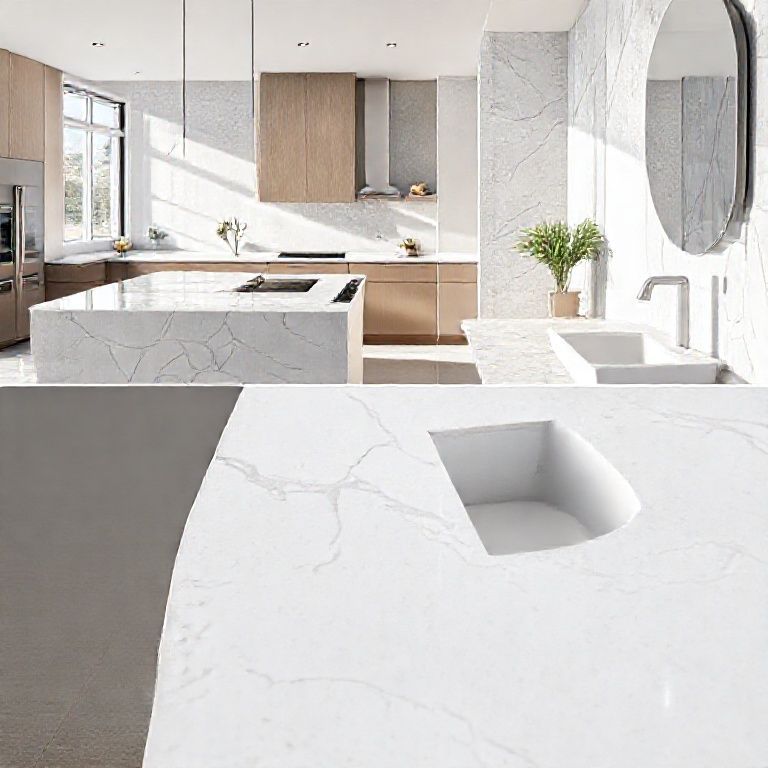
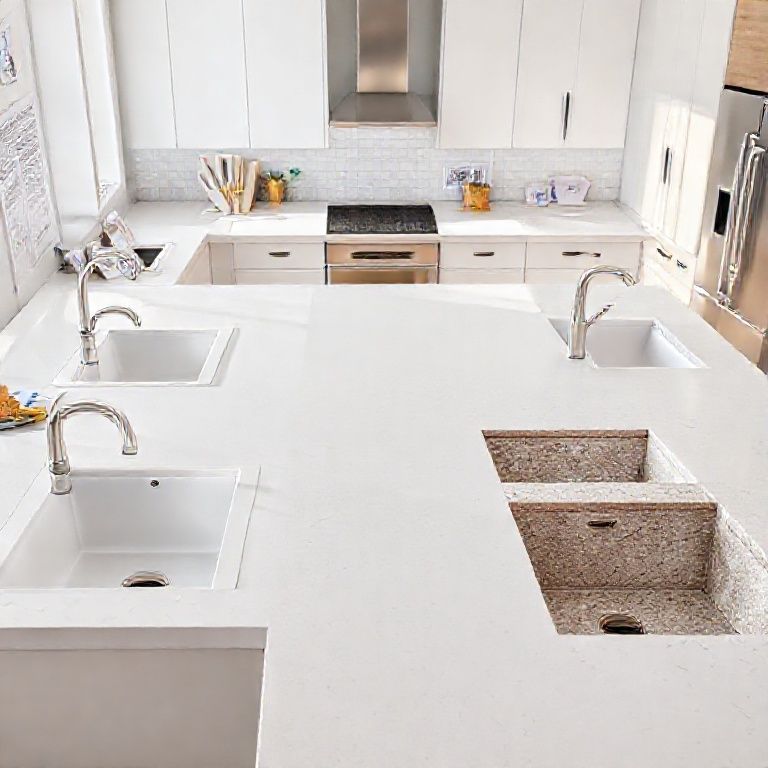
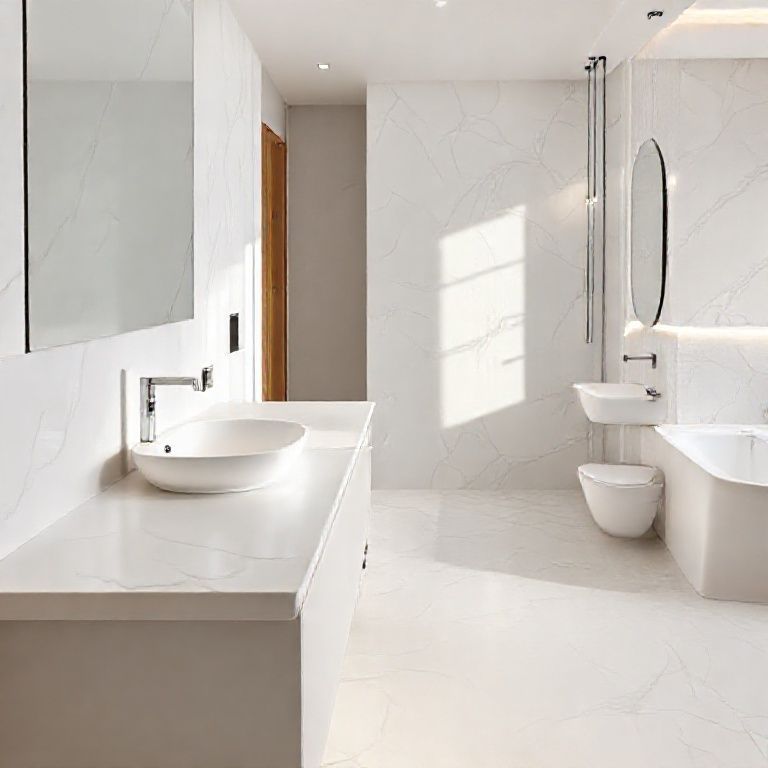
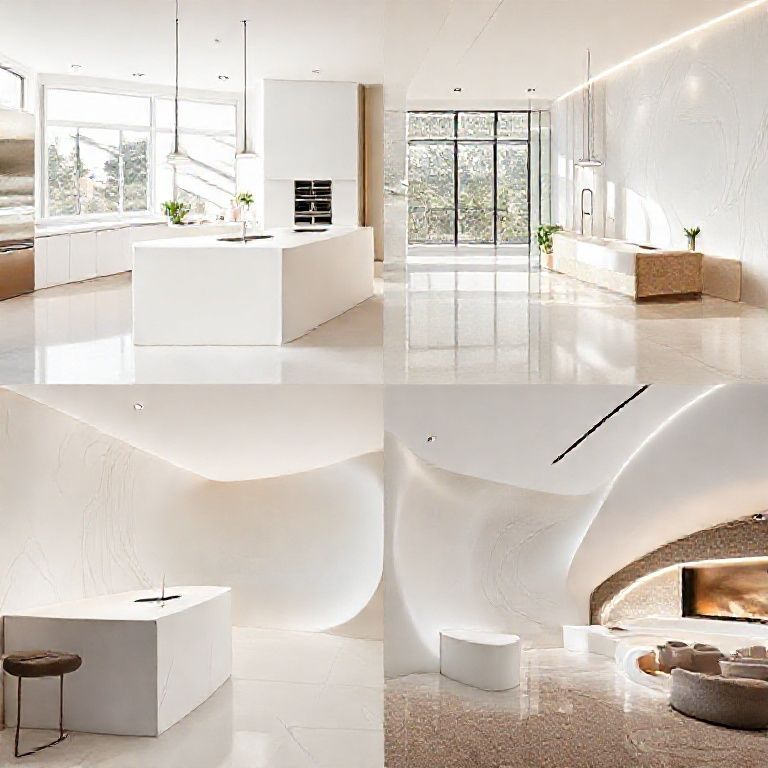
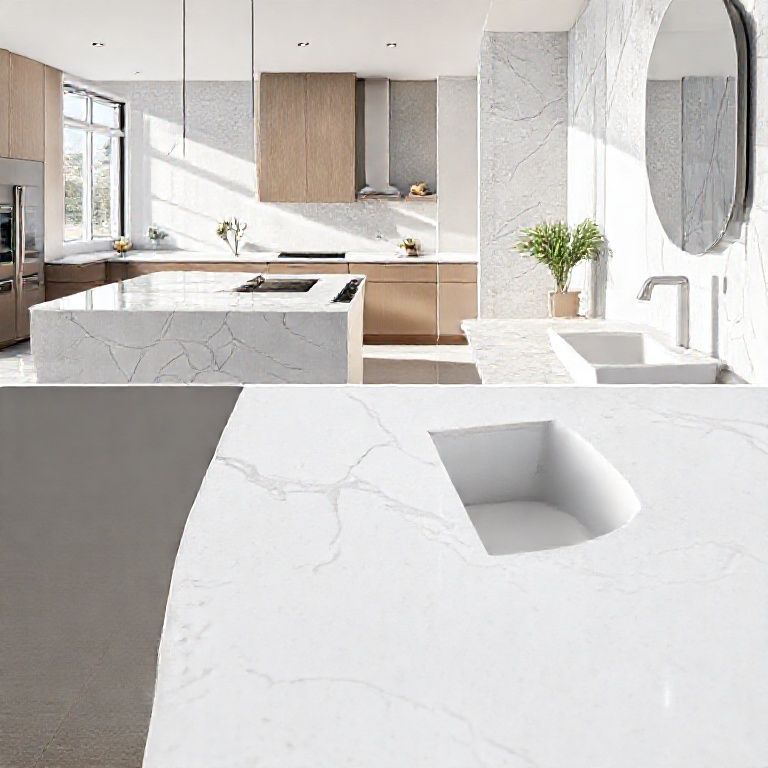
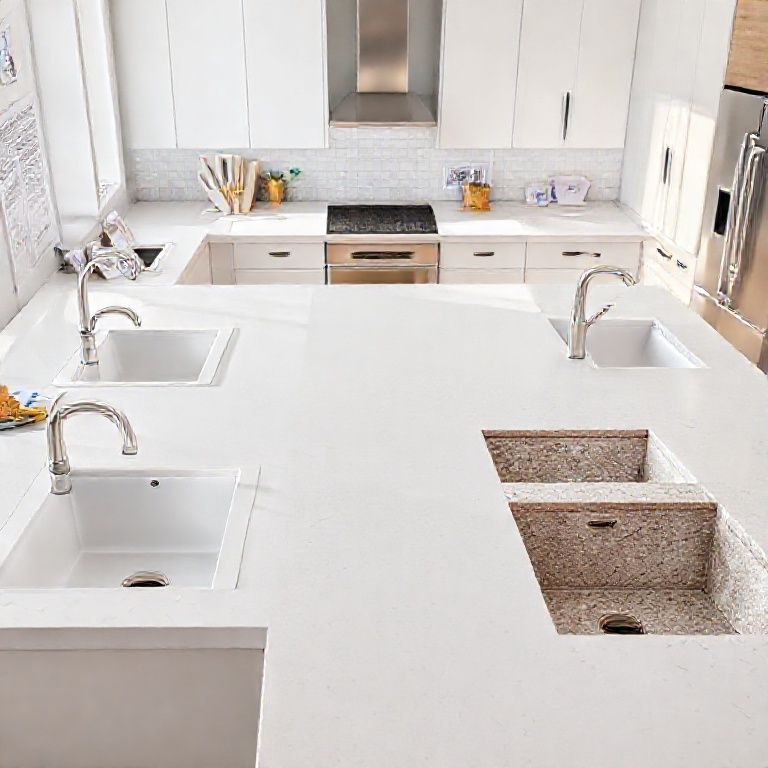
In the realm of modern kitchen and bathroom design, artificial stone countertops have emerged as a popular choice. Known for their durability, beauty, and versatility, these countertops offer an impressive alternative to traditional materials. However, when it comes to installation, one crucial factor that can impact the longevity and appearance of your countertop is its thickness. This article delves into the ideal thickness for artificial stone countertops, focusing on what makes them both functional and aesthetically pleasing.
artificial stone countertops, countertop thickness, durability, aesthetic appeal, installation, kitchen design, bathroom design, countertop materials, countertop benefits
The Ideal Thickness for Artificial Stone Countertops: Ensuring Durability and Aesthetic Appeal
Artificial stone countertops have revolutionized modern kitchen and bathroom design. Renowned for their durability, beauty, and versatility, these countertops provide an impressive alternative to traditional materials like granite, marble, and quartz. However, one crucial factor that can significantly impact the longevity and appearance of your countertop is its thickness. This is where the art and science of material science come into play, ensuring that your artificial stone countertop not only looks stunning but also withstands the test of time.
Understanding the Basics of Artificial Stone Countertops
Before diving into the specifics of thickness, it’s essential to understand what artificial stone is and why it’s so favored in contemporary design. Artificial stone, often referred to as cultured stone, is a composite material made from a mixture of natural stone powder, polymers, and pigments. This combination results in a material that mimics the appearance of natural stone while offering superior durability and ease of maintenance.
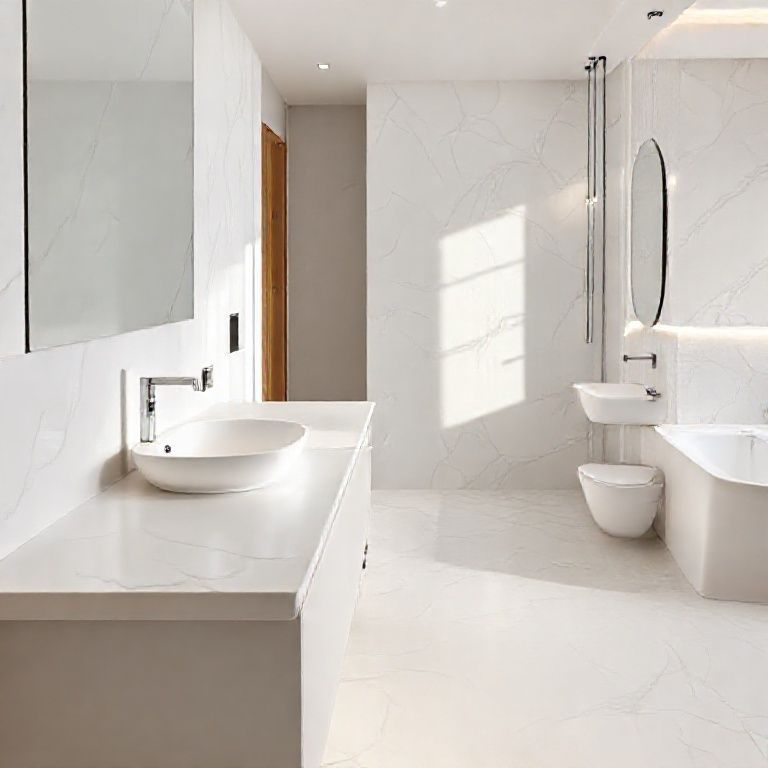
Artificial stone countertops are available in a wide range of colors and finishes, making them highly versatile. They are less prone to staining and scratching than natural stone, which makes them an excellent choice for busy households and commercial spaces alike.
Why Thickness Matters
The thickness of a countertop is a critical factor that influences both its functionality and appearance. A countertop that is too thin may appear aesthetically pleasing but may lack the durability needed to withstand daily use. Conversely, a countertop that is too thick might look more robust but could present installation challenges and may not fit well within your design aesthetic.
Standard Thickness of Artificial Stone Countertops
The industry standard for artificial stone countertops typically ranges between 1 to 2 inches in thickness. This range strikes a perfect balance between aesthetic appeal and structural integrity.
1-inch Thickness
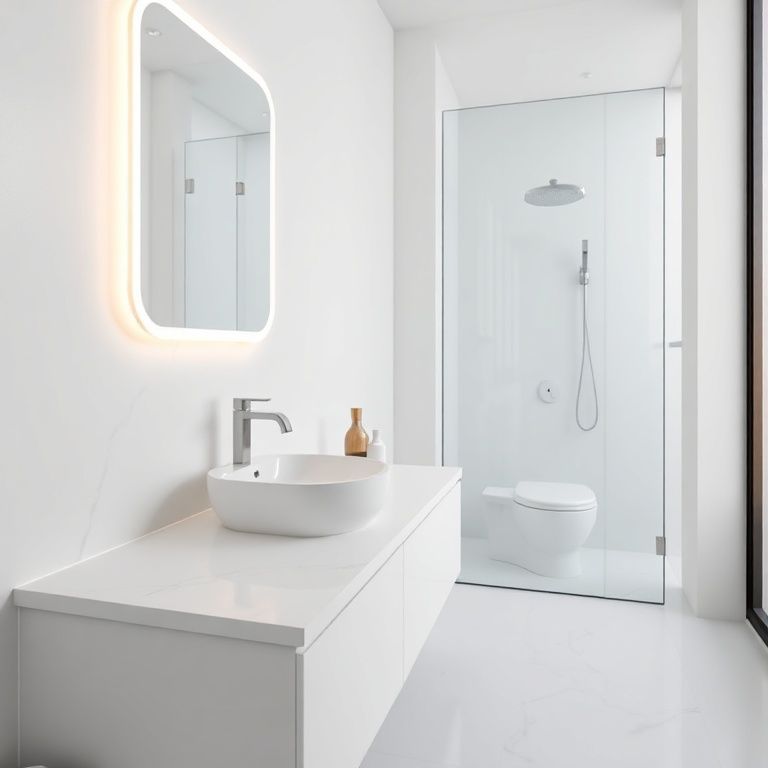
A 1-inch thick artificial stone countertop is a popular choice for those looking for a sleek, minimalist look. This thickness is suitable for smaller kitchen islands, countertops, and bathroom vanities. One of the primary advantages of a 1-inch thickness is its ability to blend seamlessly into modern, streamlined designs. However, it’s important to note that while 1-inch thickness offers a sleek appearance, it might not be as durable as thicker options.
1.5-inch Thickness
A 1.5-inch thickness offers a great middle ground. It provides a robust structure while maintaining a contemporary, streamlined look. This thickness is particularly suitable for high-traffic areas where durability is a priority, such as main kitchen countertops and bathroom sinks. A 1.5-inch thickness ensures that the countertop can withstand daily wear and tear without compromising on style.
2-inch Thickness
A 2-inch thick artificial stone countertop is ideal for those who prioritize durability above all else. This thickness is perfect for countertops that will undergo heavy use, such as kitchen islands or large dining tables. While it may not be as trendy in extremely minimalist designs, a 2-inch thickness provides exceptional strength and longevity. The added thickness also gives the countertop a more substantial and robust appearance, making it suitable for both modern and traditional designs.
Factors Influencing the Ideal Thickness
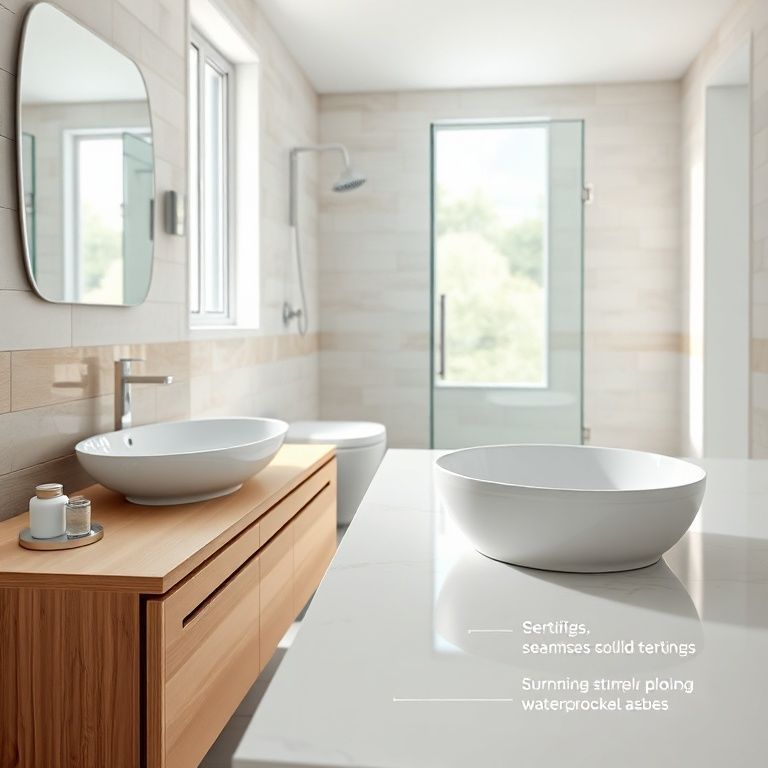
Several factors can influence the ideal thickness for your artificial stone countertop, including:
Usage: The primary consideration is how the countertop will be used. High-traffic areas, such as main kitchen countertops, benefit from a thicker, more durable option, while less-used areas might only need a thinner countertop.
Design Aesthetic: Your overall design vision also plays a role. Thinner countertops offer a sleek, modern look, whereas thicker ones provide a more substantial and traditional appearance.
Installation Requirements: The method of installation can affect the thickness. For example, thinner countertops may require additional support, while thicker ones might be easier to handle and install.
Weight Distribution: The weight of the countertop and how it will be supported can also impact the ideal thickness. A thicker countertop will generally require more robust support structures.
Conclusion
Choosing the right thickness for your artificial stone countertop is a crucial decision that impacts both the functionality and aesthetic of your space. While industry standards range from 1 to 2 inches, the best thickness for your countertop will ultimately depend on your specific needs and design preferences. By understanding the benefits of different thicknesses and considering factors like usage, design aesthetic, and installation requirements, you can make an informed decision that ensures your artificial stone countertop will look great and last for years to come.
The Ideal Thickness for Artificial Stone Countertops: Ensuring Durability and Aesthetic Appeal
Continuing from our discussion on the ideal thickness for artificial stone countertops, let’s delve deeper into the practical considerations and additional benefits that come with choosing the right thickness. Artificial stone countertops are not just a matter of aesthetics; they are also influenced by their functionality, ease of maintenance, and long-term durability.
Benefits of Different Thicknesses
1-inch Thickness
A 1-inch thick artificial stone countertop is a popular choice for those looking to achieve a sleek, modern look. This thinness is particularly advantageous for small spaces or areas where a minimalist design is preferred.
Advantages:
Sleek Appearance: A 1-inch thickness provides a clean, modern look that complements contemporary interior designs. Ease of Installation: Thinner countertops are easier to install, especially in confined spaces where space is at a premium. Cost-Effective: Thinner countertops generally come at a lower cost, making them an attractive option for budget-conscious homeowners.
Challenges:
Durability: While the thinness of a 1-inch countertop adds to its sleek appearance, it may not be as durable as thicker options. It is more susceptible to scratches and impacts, making it less suitable for high-traffic areas.
1.5-inch Thickness
A 1.5-inch thick artificial stone countertop strikes a perfect balance between aesthetic appeal and durability, making it a versatile option for various applications.
Advantages:
Durability: This thickness provides a good balance between strength and aesthetics, making it suitable for both high-traffic and low-traffic areas. Versatility: A 1.5-inch thickness looks great in modern and traditional designs, offering a wide range of visual options. Ease of Installation: It’s easier to install compared to thicker countertops, and it provides a good balance in terms of weight and support.
Challenges:
Cost: While not the most expensive, a 1.5-inch thickness might be slightly more costly than a 1-inch option, but the added durability often justifies the expense.
2-inch Thickness
A 2-inch thick artificial stone countertop is ideal for areas where durability and robustness are paramount. This thickness is perfect for high-use areas that require a more substantial countertop.
Advantages:
Durability: A 2-inch thickness offers exceptional durability, making it ideal for heavy-use areas like kitchen islands and dining tables. Aesthetic Appeal: While it may not be as trendy in ultra-minimalist designs, a thicker countertop provides a more substantial and traditional appearance. Weight Distribution: The added thickness helps in better weight distribution, making it more stable and less prone to warping or cracking over time.
Challenges:
Installation: Thicker countertops might require more robust support structures and could be more challenging to install, especially in smaller spaces. Cost: A 2-inch thickness is generally more expensive than thinner options, reflecting the increased material and manufacturing costs.
Additional Considerations for Thickness
Weight and Support
When choosing the thickness of your artificial stone countertop, it’s crucial to consider the weight and how it will be supported. A thicker countertop will naturally be heavier, requiring more substantial support structures. This includes:
Cabinet Design: The cabinets underneath the countertop must be designed to support the weight. This might involve reinforcing the cabinet structure or using additional support brackets. Installation Method: The method of installation can affect the required thickness. For example, a countertop that will be attached directly to the cabinets might require a slightly thicker piece to ensure a secure fit.
Maintenance and Cleaning
Artificial stone countertops are known for their ease of maintenance. Regardless of the thickness, they are generally easy to clean and resistant to stains and scratches. However, thinner countertops might be more challenging to clean if they are deeply recessed, as cleaning agents might not reach all areas as effectively as with thicker countertops.
Environmental Factors
Environmental factors such as temperature and humidity can affect the thickness of your countertop. In areas with extreme temperature fluctuations, a thicker countertop might be more resistant to thermal stress, which can cause cracking or warping.
Conclusion
Choosing the right thickness for your artificial stone countertop is a critical decision that affects both the functionality and aesthetic of your space.继续探讨人造石台面的厚度选择,我们还可以考虑一些具体的应用场景,以及如何在这些场景中最佳地选择合适的厚度。
无论你是在为自己家设计新的厨房台面,还是为商业空间选择材料,了解这些细节将有助于你做出明智的选择。
厨房台面
1-inch 厚度
优点:在小型厨房或者需要现代、简洁风格的区域,1英寸厚的人造石台面可以提供一种精致的外观。这种厚度还适用于岛台,因为它不会显得过于沉重。 缺点:1英寸厚度可能在高流量区域的耐用性不如更厚的选择,容易受到刮擦和损坏。
1.5-inch 厚度
优点:这是一个非常流行的厚度,特别适合主厨台面和需要高耐用性的区域。1.5英寸的厚度在耐用性和美观性之间取得了平衡。 缺点:在极端情况下,这种厚度的安装可能需要更多的技术和时间。
2-inch 厚度
优点:非常适合大型厨房岛台或者需要高耐用性的台面区域。这种厚度不仅看起来更稳固,还能很好地承受重物和高频使用。 缺点:由于重量较大,安装可能需要额外的结构支持。
浴室台面
在浴室设计中,人造石台面的选择主要关注其美观性和易清洁性。
1-inch 厚度
优点:在小型浴室或者需要现代设计感的洗手台上,1英寸厚的台面可以提供一种轻盈的外观,同时保持耐用性。 缺点:在高湿度环境下,较薄的台面可能会因为长期暴露在水中而出现轻微变形。
1.5-inch 厚度
优点:这是浴室台面的常见厚度,适合大多数洗手台和浴缸边台面。它既美观又耐用,适合需要高频使用的区域。 缺点:较厚的台面在清洁时可能需要更多的力气。
2-inch 厚度
优点:在大型浴室或者需要特别耐用性的区域,比如浴缸边台面,2英寸厚的台面提供了极高的耐用性和稳定性。 缺点:由于其厚度,安装可能需要更多的时间和技术。
商业空间
在商业空间,如餐馆或办公室,人造石台面的选择更多地依赖于耐用性和美观性的平衡。
1-inch 厚度
优点:适合小型咖啡厅或者办公区的隔断台面,提供现代和简洁的设计感。 缺点:在高流量或者需要频繁使用的区域,1英寸厚度可能不够耐用。
1.5-inch 厚度
优点:这是餐馆台面和办公室会议台的常见选择。1.5英寸厚度在耐用性和设计之间找到了一个很好的平衡点。 缺点:可能在需要特别高频率使用的区域需要更多的维护。
2-inch 厚度
优点:非常适合需要非常高耐用性的商业环境,如大型餐馆的主要台面区域。它不仅能承受高频使用,还能提供稳固的外观。 缺点:由于重量和厚度,安装和维护可能会更加复杂和昂贵。
总结
在选择人造石台面的厚度时,应综合考虑其使用场景、美学要求以及预期的耐用性。1-inch 厚度适合需要现代感和轻盈设计的小空间,1.5-inch 是一个多功能的选择,适合大多数家庭和商业应用,而 2-inch 厚度则是在需要极高耐用性和稳定性的情况下的最佳选择。
无论选择哪种厚度,确保与专业安装人员合作将帮助你获得最佳的使用效果。