The Ideal Thickness for Kitchen Countertops Made from Stone: A Comprehensive Guide
When it comes to kitchen design, the choice of countertop materials can significantly impact both the aesthetics and functionality of your space. Among various materials, stone countertops are renowned for their durability, natural beauty, and versatility. However, one critical aspect that often influences the overall quality and longevity of your kitchen is the thickness of the stone countertop. In this part of our comprehensive guide, we will explore the ideal thickness for kitchen countertops made from stone, examining the factors that determine the best choice for your kitchen renovation project.
Understanding the Importance of Thickness
The thickness of a stone countertop is a crucial factor in determining its durability, safety, and overall performance. Generally, stone countertops are available in various thicknesses ranging from 1.5 inches to 2.5 inches. However, the ideal thickness can vary depending on several factors including the type of stone used, the intended use of the countertop, and the overall design of your kitchen.
1. Types of Stone and Their Thickness Requirements
Different types of stone have varying strengths and properties that influence the recommended thickness. For instance:
Granite: Known for its hardness and durability, granite countertops typically range from 2 inches to 2.5 inches in thickness. This thickness ensures that the granite can withstand heavy use and impact without compromising on appearance.
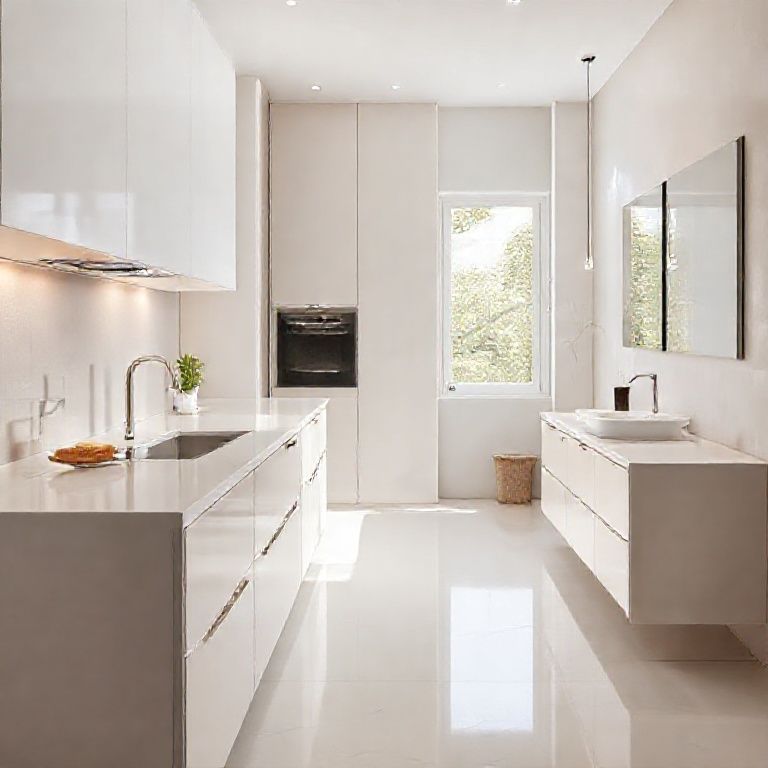
Quartz: Quartz is a synthetic stone that offers a wide range of colors and patterns. It is typically available in a standard thickness of 1.5 inches to 2 inches. The lighter weight of quartz makes it easier to install, but it still provides excellent durability and a modern look.
Marble: Marble is prized for its elegance and classic appeal. However, it is more susceptible to scratches and staining. Marble countertops are usually around 1.5 inches thick. To protect the surface, it is advisable to use a marble top with a thicker backsplash.
2. Functional Considerations
The intended use of the countertop plays a significant role in determining its thickness. Here are some functional considerations:
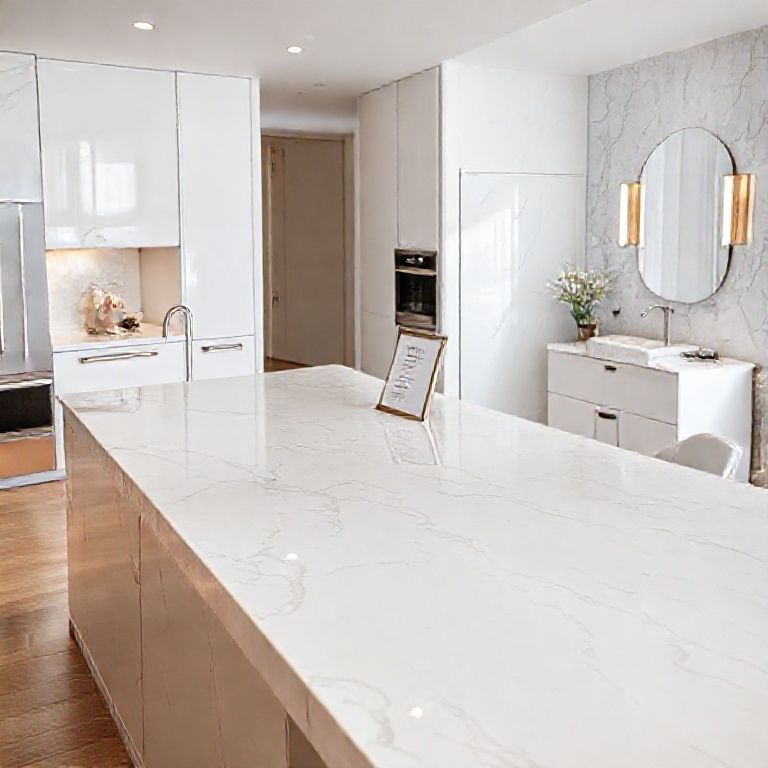
Commercial vs. Residential: Commercial kitchens often require thicker countertops (2 inches to 2.5 inches) to withstand heavy use and frequent cleaning. Residential kitchens can benefit from a range of thicknesses depending on individual preferences and usage patterns.
Cutting and Prepping Stations: If your kitchen includes areas for cutting and food preparation, a thicker countertop (2 inches) is recommended to provide stability and durability. The additional thickness helps to prevent warping and damage over time.
3. Aesthetic and Design Factors
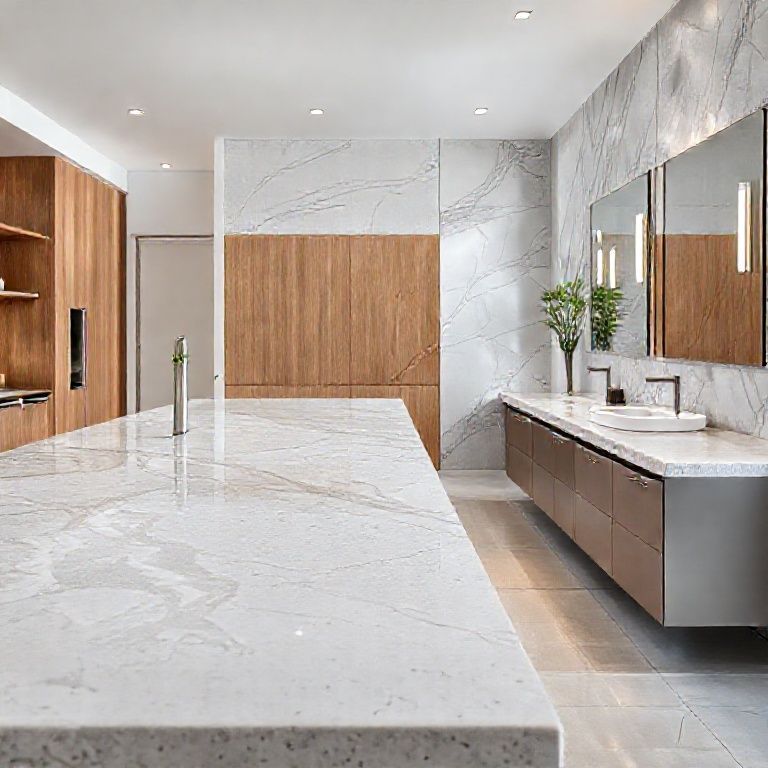
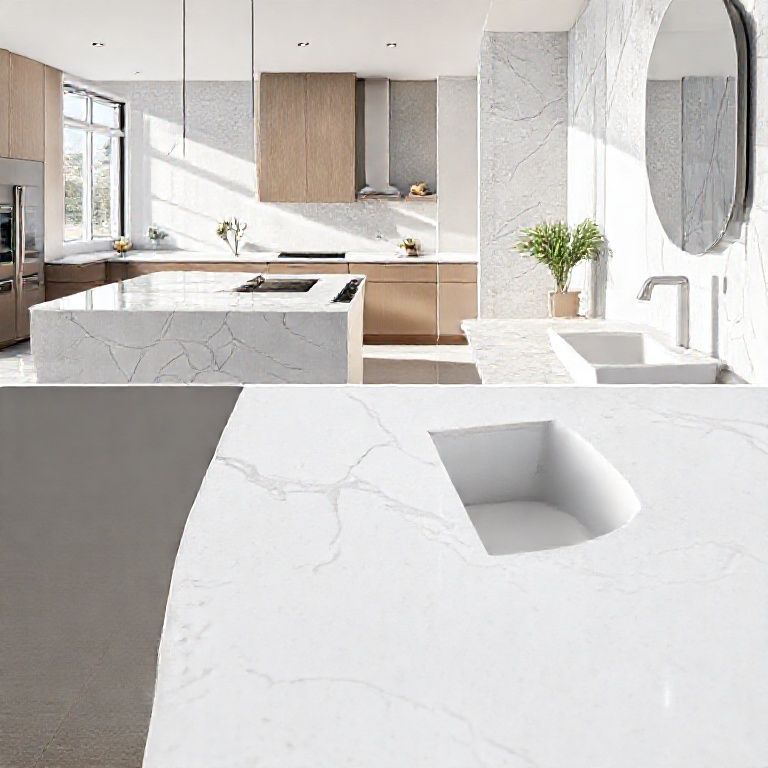
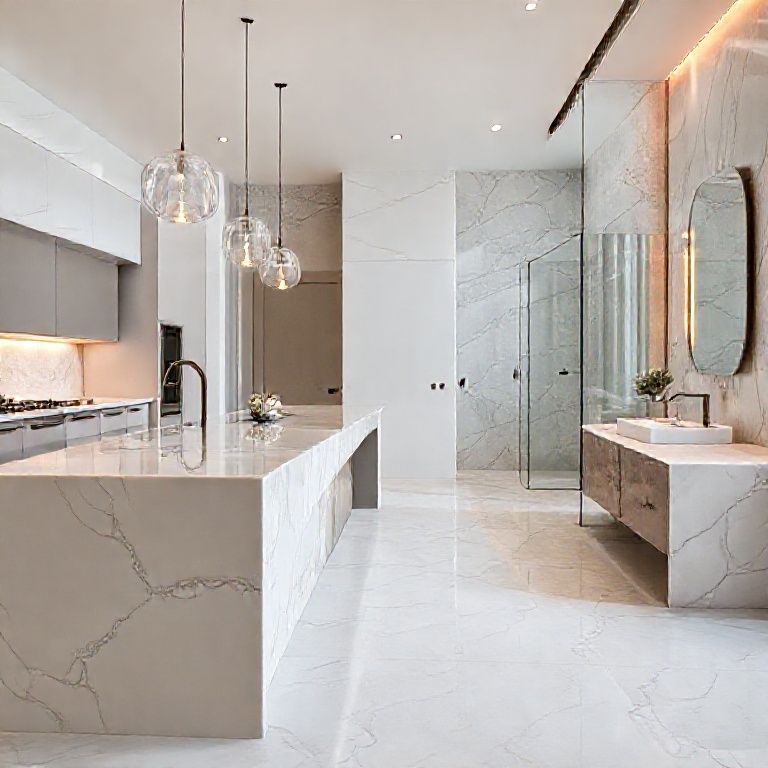
The thickness of your stone countertop also affects its visual appeal and compatibility with your kitchen’s design. A thicker countertop can offer a more substantial and robust look, which is ideal for modern and industrial styles. Conversely, a thinner countertop may complement traditional and classic designs, providing a sleek and elegant appearance.
Installation and Maintenance
Proper installation and maintenance are essential to ensure the longevity and beauty of your stone countertop. Here are some tips to keep in mind:
Installation: Always follow the manufacturer’s guidelines for installation. Thicker countertops may require additional support to ensure stability. Consulting with a professional installer can help prevent issues related to uneven surfaces and ensure a seamless fit.
Maintenance: Regular maintenance is crucial to keep your stone countertop looking its best. Use appropriate cleaning products and techniques to avoid damage. For instance, sealing your granite or marble countertops can help protect them from stains and spills.
Conclusion
Choosing the right thickness for your kitchen stone countertop involves considering various factors including the type of stone, the intended use, and your kitchen’s design aesthetics. By understanding these elements and selecting the appropriate thickness, you can create a beautiful and durable countertop that enhances your kitchen’s functionality and appeal.
Stay tuned for the second part of this guide, where we will delve deeper into specific recommendations and expert tips for choosing the perfect thickness for your kitchen stone countertops.
The Ideal Thickness for Kitchen Countertops Made from Stone: A Comprehensive Guide
In this second part of our comprehensive guide, we will explore specific recommendations and expert tips for choosing the perfect thickness for your kitchen stone countertops. We will also address common misconceptions and provide detailed insights to help you make an informed decision that aligns with your kitchen renovation goals.
Expert Recommendations
Based on extensive research and expert opinions, here are some detailed recommendations for selecting the ideal thickness for your kitchen stone countertop:
1. Durability and Long-Term Value
One of the primary goals of kitchen renovation is to invest in long-lasting, high-quality materials that provide value over time. Here’s what experts recommend:
Granite: For granite countertops, a thickness of 2 inches to 2.5 inches is generally recommended. This range provides optimal durability, making it suitable for both residential and commercial kitchens. The additional thickness also allows for a more robust and refined look.
Quartz: Quartz countertops are often available in a standard thickness of 1.5 inches to 2 inches. This range ensures excellent durability while maintaining a lightweight and easy-to-install feature. The versatility in design options makes quartz a popular choice for modern kitchens.
Marble: For marble countertops, a thickness of 1.5 inches is generally sufficient. However, it’s important to use a thicker backsplash to protect the main countertop from potential damage. Regular maintenance and sealing can help extend the life of marble countertops.
2. Safety and Stability
Safety and stability are critical considerations when selecting the thickness of your stone countertop. Here’s what you need to know:
Impact Resistance: Thicker countertops (2 inches and above) offer better impact resistance, making them ideal for high-traffic areas and kitchens where heavy objects are frequently placed on the countertop. This additional thickness helps prevent dents and scratches, ensuring a longer-lasting appearance.
Warp Resistance: A thicker stone countertop is less likely to warp over time, which is especially important for countertops that are exposed to heat from cooking appliances. Proper installation and regular maintenance can further enhance the warping resistance of your stone countertop.
3. Aesthetic Compatibility
The thickness of your stone countertop can also influence its compatibility with your kitchen’s overall design aesthetic. Here’s how to ensure a perfect fit:
Modern and Industrial Styles: For kitchens with a modern or industrial style, a thicker countertop (2 inches to 2.5 inches) can provide a substantial and robust look that complements these design trends. The additional thickness adds depth and dimension, enhancing the visual appeal.
Classic and Traditional Styles: For kitchens with a classic or traditional style, a thinner countertop (1.5 inches) can offer a sleek and elegant appearance that aligns with these timeless design preferences. The lighter weight and smooth surface of thinner countertops can enhance the overall aesthetic.
Common Misconceptions
There are several common misconceptions regarding the thickness of stone countertops that it’s important to address:
1. Thickness and Weight
One misconception is that thicker countertops are necessarily heavier and more difficult to install. While thicker countertops may weigh more than thinner ones, advancements in installation techniques and tools have made it easier to manage even the heaviest stone countertops. Professional installers can ensure a stable and secure fit, regardless of the thickness.
2. Maintenance Requirements
Another misconception is that thicker countertops require more maintenance. In reality, the maintenance requirements for stone countertops are largely independent of their thickness. Proper sealing and regular cleaning are essential for all stone countertops, regardless of their thickness, to ensure their longevity and beauty.
3. Cost Considerations
Some may believe that thicker countertops are more expensive than thinner ones. While it’s true that the cost of stone countertops can vary based on factors such as the type of stone and the complexity of the design, the thickness is just one of many factors that influence the overall cost. Investing in a thicker countertop can provide long-term benefits in terms of durability and performance, potentially saving costs on replacements and repairs.
Conclusion
Selecting the ideal thickness for your kitchen stone countertop is a critical decision that impacts both the functionality and aesthetics of your kitchen. By considering factors such as durability, safety, stability, and design compatibility, you can make an informed choice that meets your specific needs and preferences. Remember to consult with professionals and follow expert recommendations to ensure the best possible outcome for your kitchen renovation project.
We hope this comprehensive guide has provided you with valuable insights and helpful tips to help you choose the perfect thickness for your kitchen stone countertops. Whether you prefer a robust and durable look or a sleek and elegant style, there is a perfect thickness to suit your kitchen’s design and function.