Understanding Stone Countertops and Their Ideal Thickness
When it comes to kitchen design, countertops are one of the most critical elements. They are where food is prepared, meals are served, and countless daily activities take place. Among the various materials available, stone countertops have garnered immense popularity due to their durability, elegance, and natural beauty. However, one of the key considerations when opting for stone countertops is their thickness.

The Benefits of Stone Countertops
Stone countertops are a timeless choice for kitchens. They offer a range of benefits, including:
Durability: Stone is one of the hardest natural materials available, making stone countertops highly resistant to scratches, stains, and impact. This durability means fewer replacements and lower long-term costs.
Aesthetic Appeal: Stone countertops come in a variety of colors, patterns, and finishes, allowing for endless customization to match any kitchen style. Whether you prefer the timeless elegance of marble or the earthy tones of granite, there’s a stone option for every taste.
Low Maintenance: Unlike other materials like wood, stone countertops do not require frequent refinishing. They are also more resistant to warping, making them a stable choice for long-term use.
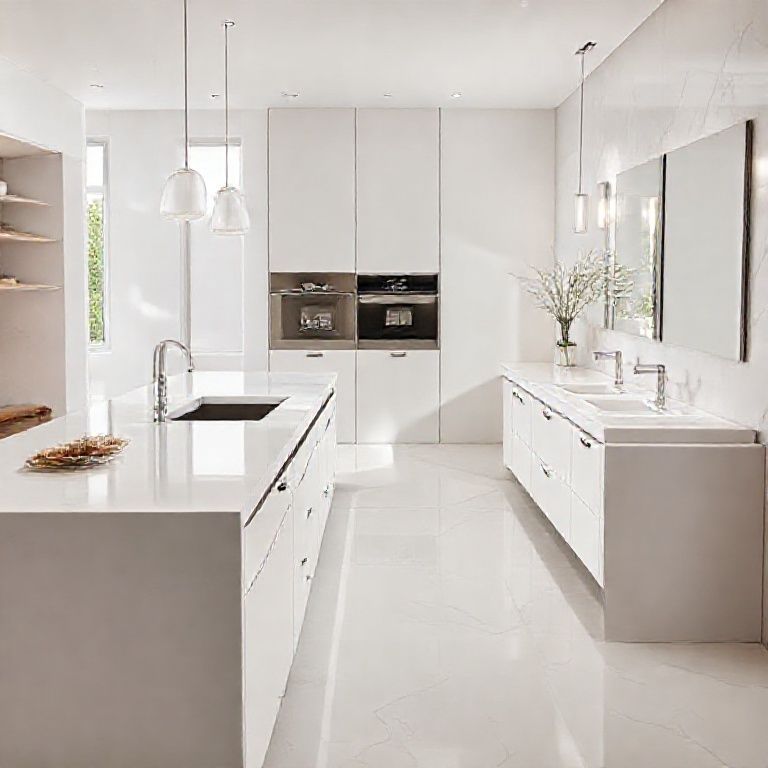
Why Thickness Matters
The thickness of a stone countertop is a critical factor that affects both its aesthetic and functional qualities. Here’s why thickness is important:
Durability and Stability: Thicker stone countertops tend to be more durable and stable. They are less likely to crack or break under heavy use and can withstand the rigors of daily kitchen activity better than thinner options.
Aesthetics: The thickness of a stone countertop can influence its visual appearance. Thinner countertops may appear more modern and sleek, while thicker ones might offer a more traditional, robust look.
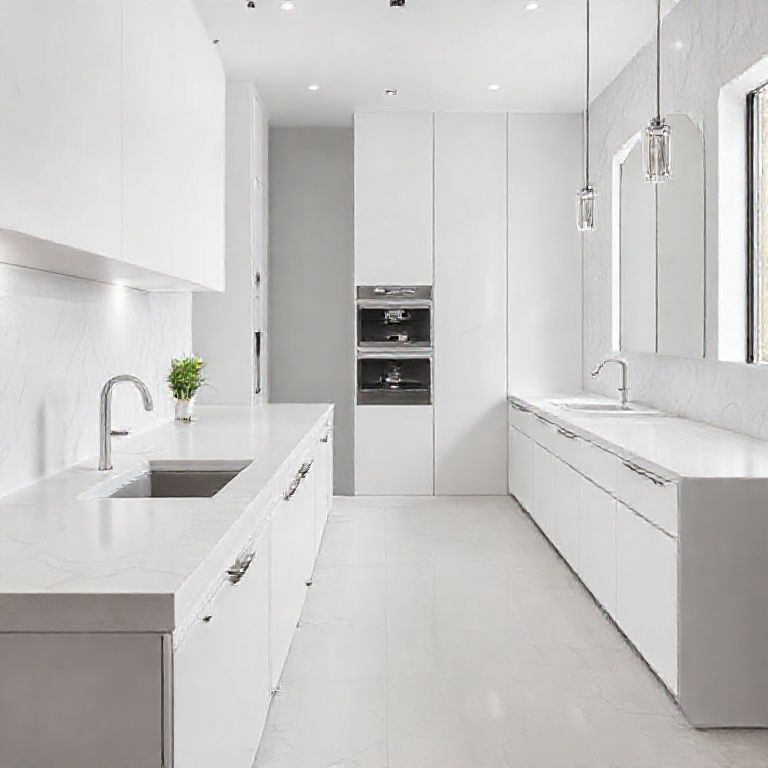
Installation: The thickness also impacts the ease of installation. Thicker slabs might require more complex installation techniques, while thinner ones can often be more straightforward to install.
Ideal Thickness for Kitchen Stone Countertops
The ideal thickness for kitchen stone countertops generally ranges from 1.5 to 2 inches. Here’s a detailed look at why this range is optimal:
1.5 Inches: Durability: At 1.5 inches, stone countertops still offer substantial durability. They are resistant to scratches and stains, and can handle a significant amount of daily use. Aesthetics: This thickness provides a modern, streamlined look that fits well with contemporary kitchen designs. It’s thin enough to appear elegant but thick enough to maintain strength. Installation: 1.5-inch thick slabs are easier to install and can be more versatile in fitting different kitchen layouts. 2 Inches: Durability: A 2-inch thickness offers even greater durability. It can withstand heavier use and is less prone to damage compared to thinner options. Aesthetics: This thickness provides a classic, substantial look that complements traditional and rustic kitchen designs. It exudes a sense of permanence and strength. Installation: While 2-inch thick slabs may require more complex installation, they offer a premium feel and can be more durable over time.

Choosing the Right Thickness
When deciding on the thickness for your kitchen stone countertop, consider the following factors:
Kitchen Style: Modern kitchens may benefit more from the sleek, minimalist look of 1.5-inch thick countertops, while traditional kitchens might prefer the robust, classic appearance of 2-inch thick slabs.
Daily Use: If your kitchen sees a lot of heavy use, a thicker countertop may be more appropriate to ensure long-lasting durability.
Budget: Thicker stone countertops can be more expensive due to the amount of material required. Ensure your budget accommodates the thickness you desire.
Installation Feasibility: Consult with your contractor to determine what thickness can be easily installed in your specific kitchen layout.
Conclusion
Choosing the right thickness for your kitchen stone countertop is a significant decision that impacts both its appearance and functionality. With the ideal thickness ranging from 1.5 to 2 inches, you can ensure a balance of durability, aesthetics, and ease of installation. By considering factors such as kitchen style, daily use, budget, and installation feasibility, you can make an informed decision that enhances your kitchen’s beauty and functionality.
Detailed Insights into Stone Countertop Thickness and Installation
When it comes to kitchen renovations, the choice of countertop material plays a pivotal role in the overall design and functionality of the space. Among the myriad options available, stone countertops stand out for their natural beauty and durability. However, to truly appreciate the full benefits of stone countertops, it’s essential to understand the nuances of their thickness and the best practices for installation.
In-Depth Look at Stone Countertop Thickness
The thickness of a stone countertop is not just a matter of aesthetics; it directly influences the durability, ease of installation, and overall performance of the countertop.
1.5 Inches: Durability: While 1.5-inch thick stone countertops are durable, they are slightly less robust compared to thicker options. However, they still offer excellent resistance to scratches and stains. Aesthetics: This thickness provides a contemporary, sleek look that fits seamlessly into modern kitchen designs. The slim profile makes it an excellent choice for those seeking a minimalist aesthetic. Installation: 1.5-inch thick slabs are easier to install and can be more adaptable to various kitchen layouts. They also tend to be lighter, making them easier to handle during installation. 2 Inches: Durability: A 2-inch thick stone countertop is highly durable and can withstand heavy use without significant damage. It’s an excellent choice for kitchens where the countertop will be subjected to daily rigors. Aesthetics: This thickness offers a classic, robust appearance that complements traditional and rustic kitchen designs. The substantial look adds a sense of permanence and strength to the kitchen. Installation: While 2-inch thick slabs require more complex installation, they offer a premium feel and can last longer, providing a more substantial investment in durability.
The Impact of Thickness on Installation
The thickness of a stone countertop has a direct impact on the installation process. Here’s how different thicknesses affect installation:
Complexity of Installation: Thicker Slabs (2 inches): Require more precise cutting and fitting, as well as specialized equipment to handle their weight. The installation process can be more time-consuming and may require additional support structures to ensure stability. Thinner Slabs (1.5 inches): Generally easier to install due to their lighter weight and more manageable size. Thinner slabs can often be cut and fitted more quickly, reducing overall installation time. Weight Considerations: Thicker Slabs: Heavier and require more robust support systems to ensure they remain stable during installation and over time. This can involve additional anchoring and securing methods to prevent any movement or warping. Thinner Slabs: Lighter and easier to handle, which simplifies the installation process and reduces the need for extensive support structures. Edge Finishing: Thicker Slabs: May require more intricate edge finishing techniques to ensure a clean, professional look. The additional thickness can make it more challenging to achieve seamless edges, but modern tools and techniques can mitigate this. Thinner Slabs: Typically easier to finish the edges with precision, resulting in a more polished and professional appearance.
Best Practices for Installing Stone Countertops
To ensure a successful installation of your stone countertop, follow these best practices:
表面准备
清洁表面: 在安装石材台面之前,确保台面的表面是干净的。使用中性清洁剂和水进行清洗,然后用干净的抹布擦干。对于油污或顽固污渍,可以使用专门的去污产品。
修整边缘: 如果需要,修整台面边缘,使其与台面的其他部分形成平滑的过渡。使用石材专用的切割工具,确保切割线是直的和平滑的。
检查表面平整度: 使用水平仪检查台面表面是否平整。如果表面不平整,需要进行修整,确保石材台面能够牢固地固定。
去除旧胶水和安装剂: 如果有旧的石材台面需要更换,确保彻底清除旧胶水和安装剂。可以使用热风枪或专门的溶剂来帮助清除。
安装技术
选择合适的胶水: 使用高质量的石材专用胶水。胶水应该具有良好的粘附力和耐久性,能够承受石材的重量和日常使用的压力。
涂抹胶水: 在台面底部均匀地涂抹胶水。涂抹时要注意避免胶水流出,以保证台面与台基之间的牢固连接。
放置台面: 小心地将石材台面放置在预先准备好的位置上。初始放置时,可以使用水平仪检查台面是否水平。如果需要调整,可以在胶水未干时进行微调。
固定台面: 使用钢尺或石材固定夹具来固定台面,确保其不会移动。在胶水干燥前,不要移动台面。一般来说,胶水需要24小时时间完全干燥。
边缘处理: 安装完成后,检查石材台面的边缘是否平整。如果有不平整的地方,可以使用砂纸或石材打磨工具进行处理。
清洁胶水: 在胶水完全干燥后,使用专门的清洁剂清洁台面表面的残留胶水。确保台面表面光滑无污渍。
后续护理
定期清洁: 使用中性清洁剂定期清洁石材台面,避免使用酸性或碱性清洁剂,以免损坏石材表面。
护理产品: 可以使用专门的石材护理产品来保护和延长石材台面的寿命。这些产品可以防止污渍和增加光泽。
避免硬物冲击: 尽量避免在台面上放置锋利或重物,以防止划伤和损坏。
及时处理溢出物: 台面上的溢出物或污渍应及时处理,以免渗入石材表面,导致永久性损伤。
通过以上步骤,您可以确保石材台面的安装和护理,使其在长时间内保持美观和功能性。如果有任何疑问或特殊情况,建议寻求专业人员的帮助。