Understanding the Importance of Kitchen Countertop Thickness
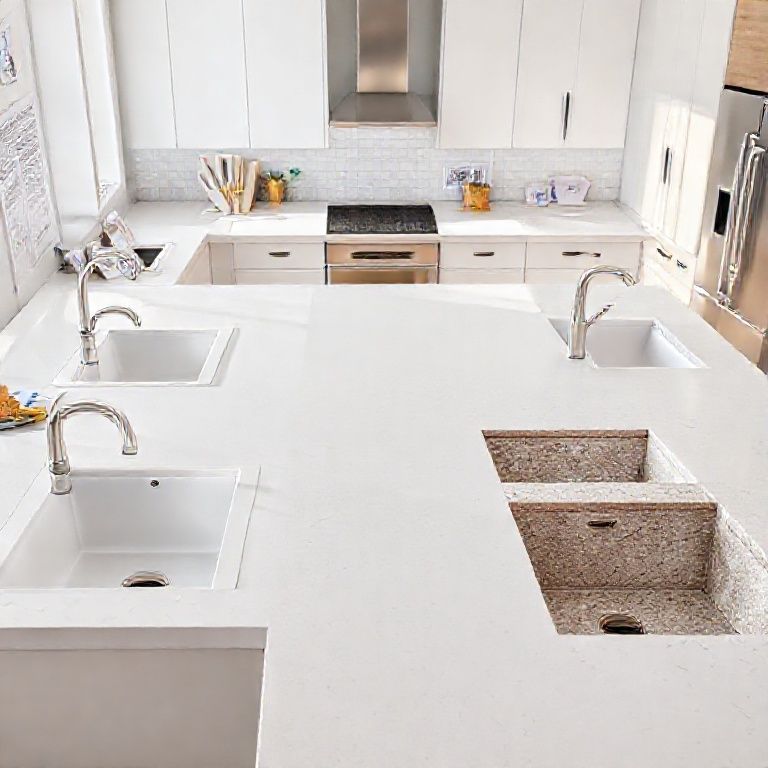
When embarking on a kitchen remodeling project, one of the most pivotal decisions you’ll make involves selecting the right material for your countertop. Among the various materials available, stone countertops stand out for their durability, aesthetic appeal, and timeless charm. However, an often-overlooked aspect of this decision is the thickness of the countertop. Choosing the right thickness for your kitchen stone countertop can significantly impact both the aesthetics and functionality of your kitchen.
Material Considerations
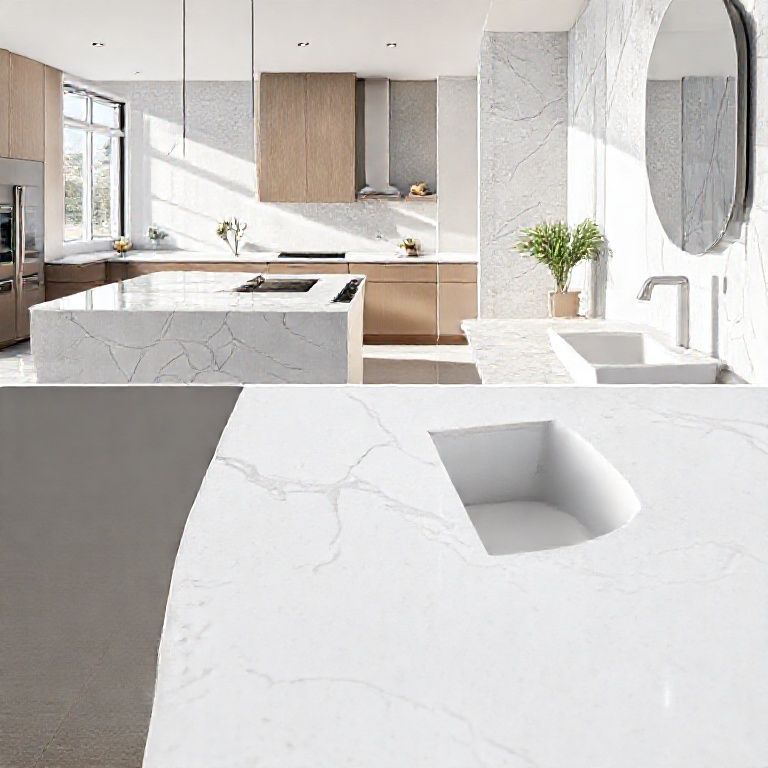
First, it’s essential to understand the different types of stone countertops available. Popular choices include granite, marble, and quartz. Each type of stone has its unique set of properties, such as weight, hardness, and resistance to stains and scratches. The thickness of the countertop material you choose will play a crucial role in how these properties are manifested in your kitchen.
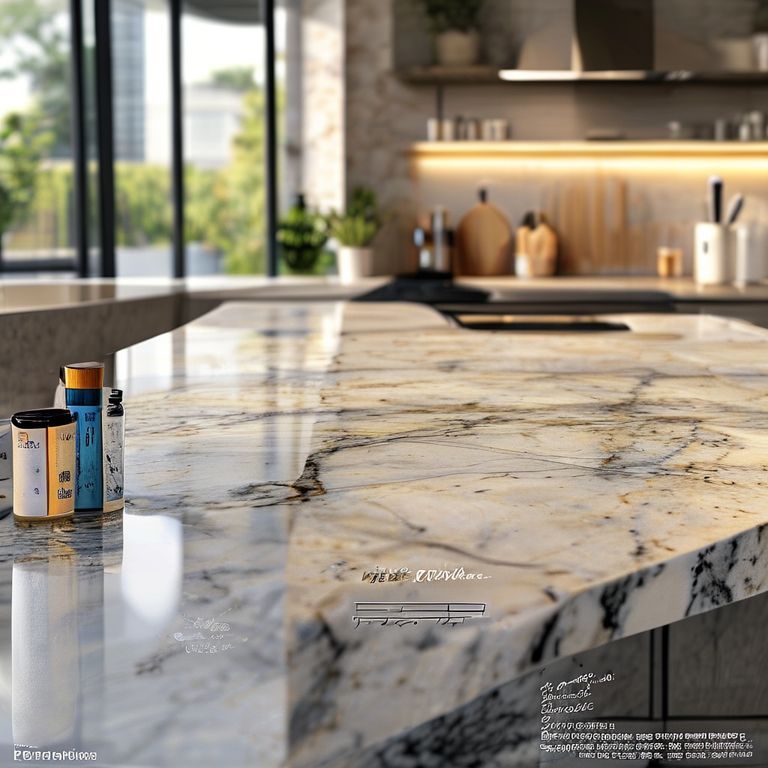
Granite: Granite countertops typically come in thicknesses ranging from 2 to 3 inches. The thicker options (around 3 inches) provide a robust and heavy feel, which is both aesthetically pleasing and practical for heavy-duty tasks. Granite’s natural graining pattern adds a unique, luxurious look that enhances kitchen aesthetics.
Marble: Marble countertops are usually thinner, typically ranging from 1.5 to 2 inches. While marble offers a refined, elegant appearance, it requires careful handling due to its relatively softer nature and susceptibility to staining. The thinner option is often preferred for its delicate beauty but may not be as durable as thicker options.
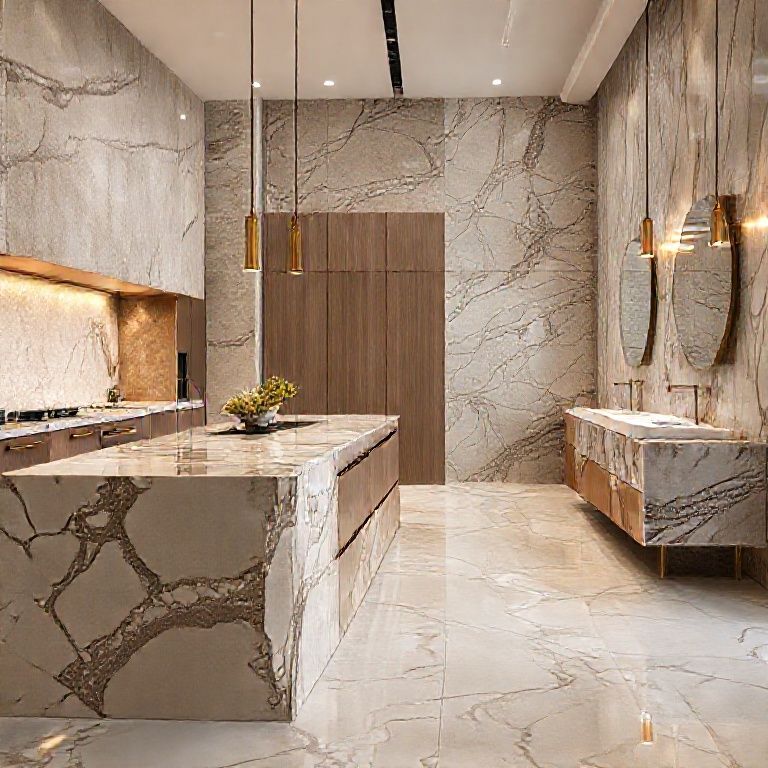
Quartz: Quartz, a composite stone material, offers a versatile thickness range from 1 to 2.5 inches. Known for its durability and low maintenance, quartz countertops are an excellent choice for those seeking a high-performance material. The thickness of quartz countertops can be customized to fit various design needs, offering flexibility in aesthetic and functional choices.
Functional Benefits
The thickness of your kitchen stone countertop can influence several functional aspects of your kitchen. Let’s explore some of these benefits:
Durability: Thicker countertops tend to be more durable and less prone to chipping or scratching. For instance, a 3-inch granite countertop will generally withstand heavy use better than a 1.5-inch marble countertop. Durability is especially important in kitchens where cooking, cutting, and food preparation are frequent activities.
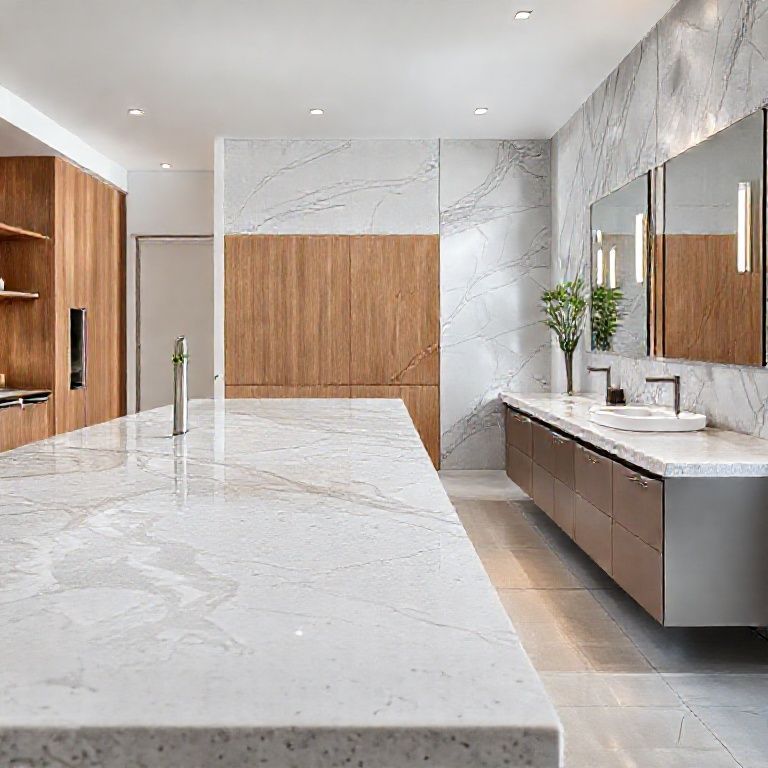
Weight: Heavier stone countertops, such as thicker granite slabs, offer a solid and stable surface. This can be particularly advantageous in areas where you need to place heavy appliances or equipment. The weight also contributes to a sense of stability and robustness, making the kitchen feel more secure.
Heat Resistance: Stone countertops, regardless of thickness, are known for their excellent heat resistance. However, the thickness can influence how well they manage heat from cooking appliances. Thicker slabs can absorb and distribute heat more evenly, preventing localized hot spots that can cause damage or discomfort.
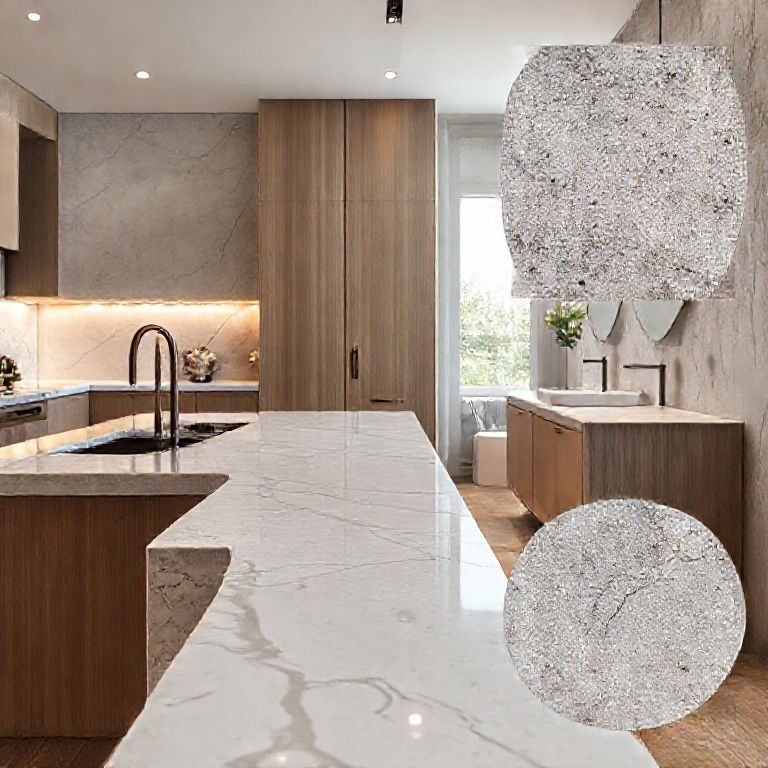
Aesthetic Appeal: The thickness of a countertop can also affect its visual appeal. Thicker countertops often provide a more substantial and luxurious look, which can complement high-end kitchen designs. Thinner countertops, on the other hand, offer a sleek, modern aesthetic that can be perfect for minimalist or contemporary designs.
Practical Considerations
When choosing the thickness for your kitchen stone countertop, consider the following practical factors:
Installation and Support: Thicker countertops require more robust support structures, such as thicker or reinforced cabinetry. Ensuring that your cabinets and supports can handle the weight and thickness is crucial to prevent any structural issues over time. Thinner countertops can often be installed more easily and may not require extensive modifications to existing cabinetry.
Kitchen Layout and Workflow: The thickness of your countertop can impact the overall workflow and accessibility in your kitchen. A thicker countertop may offer more surface area for cooking and prep tasks, which can be beneficial for larger kitchens or those with multiple users. Conversely, thinner countertops may provide a more streamlined and efficient workflow in smaller kitchens.
Maintenance and Cleaning: The thickness of your countertop can influence how easy it is to clean and maintain. Thicker slabs might be more challenging to clean due to their weight and size, while thinner options may offer more flexibility in movement and easier access for cleaning.
Budget: Finally, the thickness of your countertop can affect your budget. Generally, thicker countertops tend to be more expensive due to their material cost and the additional support they require. Thinner countertops may offer a more cost-effective solution without sacrificing aesthetic appeal.
Conclusion
Choosing the right thickness for your kitchen stone countertop involves a careful balance of material considerations, functional benefits, practical factors, and aesthetic preferences. Whether you opt for the durability of a thick granite slab or the elegant look of a thinner marble countertop, understanding these aspects will help you make an informed decision that enhances both the beauty and functionality of your kitchen.
Stay tuned for the second part of this comprehensive guide, where we will delve deeper into specific recommendations and expert advice on achieving the perfect kitchen countertop thickness for your unique needs.
Achieving the Perfect Kitchen Countertop Thickness
In the previous part, we explored the various factors that influence the thickness of kitchen stone countertops. Now, let’s dive deeper into specific recommendations and expert advice to help you achieve the perfect thickness for your kitchen stone countertop, ensuring it meets both your functional and aesthetic requirements.
Expert Recommendations
To make the best choice for your kitchen, it’s helpful to consult with experts in the field. Here are some recommendations from professionals in kitchen design and remodeling:
Architectural Design: When working with an architect or designer, discuss the specific functional needs of your kitchen. They can provide valuable insights into how the thickness of your countertop will affect the overall design and workflow. An experienced designer can also suggest the most suitable stone type and thickness combination to achieve your desired look and functionality.
Manufacturer Guidance: Stone countertop manufacturers often have detailed guidelines on recommended thicknesses based on the type of stone and intended use. For example, granite manufacturers typically recommend a minimum thickness of 2 inches for countertops used in high-traffic areas. Manufacturers can also provide information on the best practices for installation and support to ensure longevity and durability.
Installation Professionals: Consulting with installation professionals can offer practical advice on how to best integrate your chosen countertop thickness with your kitchen’s existing structure. They can advise on the necessary support systems, such as cabinet reinforcement, to accommodate thicker countertops and prevent future issues.
Practical Tips for Achieving the Perfect Thickness
Here are some practical tips to help you determine the perfect thickness for your kitchen stone countertop:
Measure Your Space: Start by measuring the available space in your kitchen where the countertop will be installed. This will help you understand the practical limitations and ensure that the chosen thickness fits seamlessly within your kitchen layout.
Consider Weight Distribution: When selecting a countertop thickness, consider the weight distribution and how it will impact the stability of your kitchen furniture and appliances. Thicker countertops will generally require more substantial support, so ensure that your cabinetry and any other structural elements can handle the added weight.
Evaluate Workflow and Accessibility: Think about how the thickness of your countertop will affect your daily kitchen activities. A thicker countertop may offer more surface area for cooking and food preparation, while a thinner one might provide a more streamlined and efficient workflow in smaller kitchens. Consider the ease of movement and accessibility when making your decision.
Budget Considerations: Finally, consider your budget when selecting the thickness of your countertop. Thicker countertops generally cost more due to their material and the additional support they require. Thinner countertops may offer a more cost-effective solution without compromising on aesthetic appeal.
Specific Thickness Recommendations
Based on the expertise of professionals and practical considerations, here are some specific thickness recommendations for different types of stone countertops:
Granite: For granite countertops, a thickness of 2 to 3 inches is generally recommended for most kitchen applications. This range provides excellent durability and stability while maintaining a robust and luxurious appearance. For areas with heavy use, such as near the stove or sink, consider opting for the thicker end of this range (around 3 inches).
Marble: Marble countertops typically range from 1.5 to 2 inches. While thinner marble slabs offer a delicate and elegant aesthetic, they require careful handling to prevent staining and damage. For a more refined and modern look, a 1.5-inch thickness is often preferred.
Quartz: Quartz countertops can vary in thickness from 1 to 2.5 inches. A thickness of 1.5 to 2 inches is generally recommended for most kitchen applications. This range offers a good balance of durability, low maintenance, and aesthetic appeal. For areas with high foot traffic, a slightly thicker option (around 2 inches) may be beneficial.
Conclusion
Choosing the perfect thickness for your kitchen stone countertop is a crucial decision that impacts both the beauty and functionality of your kitchen. By considering material properties, functional benefits, practical factors, and expert recommendations, you can make an informed choice that meets your unique needs and preferences.
Remember, the right thickness will not only enhance the visual appeal of your kitchenbut also ensure the longevity and durability of your countertop. Whether you opt for the robust and heavy feel of a 3-inch granite countertop or the sleek and modern look of a 1.5-inch quartz slab, understanding the nuances of thickness will help you create a kitchen space that is both functional and aesthetically pleasing.
In the next part of this guide, we will explore some additional considerations for maintaining and caring for your stone countertop, ensuring it remains in pristine condition for years to come.
Part 3: Maintaining and Caring for Your Kitchen Stone Countertop
Once you’ve chosen the perfect thickness for your kitchen stone countertop, the next step is to ensure it remains in top condition. Proper maintenance and care are crucial to preserving the beauty and functionality of your countertop. Here’s a detailed guide on how to keep your stone countertop looking its best.
Understanding Stone Countertop Care
Stone countertops are known for their durability and low maintenance, but they still require some care to maintain their pristine appearance. Here’s what you need to know:
1. Cleaning: Regular cleaning is essential to keep your stone countertop looking fresh and prevent stains and buildup.
Granite:
Daily Cleaning: Use a mild soap or a specialized granite cleaner with a soft cloth or sponge to wipe down the surface. Avoid using abrasive cleaners or scrubbers that can scratch the stone. Deep Cleaning: For tougher stains, use a granite-specific cleaner and follow the manufacturer’s instructions. Avoid soaking the stone with water or cleaning solutions.
Marble:
Daily Cleaning: Use a mild soap and a soft cloth or sponge to clean the marble surface. Avoid using acidic cleaners, as they can etch the stone. Deep Cleaning: For tougher stains, consider using a marble cleaner designed for sealing and protecting the stone. Always test the cleaner on a small, inconspicuous area first.
Quartz:
Daily Cleaning: Use a mild soap or a quartz-specific cleaner with a soft cloth or sponge to clean the surface. Quartz is resistant to most stains, but avoid using abrasive cleaners. Deep Cleaning: For tougher stains, use a quartz cleaner and follow the manufacturer’s instructions. Ensure the surface is dry before applying any cleaner.
2. Sealing: Sealing your stone countertop is crucial to protect it from stains and spills.
Granite and Marble:
Sealing Frequency: Typically, granite and marble countertops need to be sealed every 6 to 12 months, depending on usage and exposure to stains. Sealing Process: Use a high-quality granite or marble sealer and follow the manufacturer’s instructions. Apply the sealer with a clean cloth and allow it to penetrate the stone. Wipe off any excess with a clean, dry cloth.
Quartz:
Sealing Frequency: Quartz countertops generally do not require sealing, as they are more resistant to stains. However, it’s still a good idea to apply a protective coating every few years to maintain their shine and durability. Sealing Process: Use a quartz-specific protective coating and follow the manufacturer’s instructions. Apply the coating with a clean cloth and allow it to dry completely before use.
3. Avoiding Damage: To prevent scratches, chips, and other damage to your stone countertop, follow these guidelines:
Avoid Sharp Objects:
Use cutting boards and other sharp objects on cutting boards or mats rather than directly on the countertop. Avoid placing heavy items directly on the countertop. Use trivets or pot holders to protect the surface.
Use Coasters and Placemats:
Place hot drinks and food on coasters or placemats to prevent heat damage. Avoid leaving hot pots, pans, or dishes directly on the countertop.
4. Repairing Chips and Cracks: If your stone countertop does get chipped or cracked, there are repair options available.
Granite and Marble:
Repair Kits: Use a granite or marble repair kit specifically designed for your stone type. Follow the kit’s instructions carefully to achieve the best results. Professional Repair: For larger chips or cracks, consider hiring a professional stone repair service.
Quartz:
Repair Kits: Quartz countertops can often be repaired using a quartz repair kit. Follow the kit’s instructions to blend the repair material with the existing countertop. Professional Repair: For significant damage, consider hiring a professional stone repair service.
Conclusion
Proper maintenance and care are essential to keep your kitchen stone countertop looking beautiful and lasting for years to come. By following these guidelines, you can ensure that your countertop remains a stunning focal point in your kitchen, providing both functionality and aesthetic appeal.
Whether you choose granite, marble, or quartz, understanding the specific care requirements for each material will help you maintain its unique beauty and durability. With regular cleaning, sealing, and careful handling, your stone countertop can become a long-lasting, cherished feature of your home.
Stay tuned for the final part of this guide, where we will discuss some creative design ideas and inspirations to enhance your kitchen’s overall aesthetic with your new stone countertop.
Part 4: Enhancing Your Kitchen’s Aesthetic with Your New Stone Countertop
Now that you’ve chosen the perfect thickness for your kitchen stone countertop and know how to maintain it, it’s time to explore creative design ideas and inspirations to enhance your kitchen’s overall aesthetic. Your stone countertop is not just a functional surface but also an opportunity to add a touch of elegance and style to your kitchen.
Design Inspirations
1. Color and Pattern: The color and pattern of your stone countertop can significantly influence the look and feel of your kitchen.
Granite:
Color Variations: Granite comes in a wide range of colors and patterns, from classic grays and blacks to vibrant reds, greens, and even colorful swirls. Choose a color that complements your kitchen’s overall design and your personal taste. Pattern Variations: Look for unique patterns like “Rio Grande” for a natural, organic look or “Imperial Gray” for a more modern, sleek appearance.
Marble:
Color Variations: Marble is known for its beautiful veins and patterns. Classic white marble with subtle gray veins is timeless, while colored marbles like red, black, or green can add a dramatic touch. Pattern Variations: Look for marbles with unique veining and patterns that create a sense of luxury and elegance.
Quartz:
Color Variations: Quartz offers a vast array of colors and patterns, from natural stone looks to custom designs. Choose a color that complements your kitchen’s style and enhances its aesthetic appeal. Pattern Variations: Quartz can mimic the look of various natural stones, such as marble, granite, and even wood, providing endless design possibilities.
2. Countertop Shape and Style:
Island Design:
Custom Shapes: Consider a custom-shaped island with your stone countertop. Unique shapes can add visual interest and make a statement in your kitchen. Integrated Appliances: An island with built-in appliances, such as a double oven, microwave, or refrigerator, can create a functional and stylish workspace.
Peninsula Design:
Extended Countertop: A peninsula design extends the countertop into the kitchen, providing additional prep and cooking space. Choose a shape that fits seamlessly into your kitchen layout. Open Shelving: Incorporate open shelving around the peninsula to display kitchenware and create a modern, open feel.
Vanity Design:
Sink Countertop: If you’re using your stone countertop for a kitchen vanity, choose a design that complements your sink and cabinet style. A sleek, modern look can enhance the overall aesthetic. Integrated Storage: Consider adding built-in storage under the countertop to keep your kitchen organized and clutter-free.
3. Complementary Fixtures and Accessories:
Lighting:
Under Cabinet Lighting: Install under cabinet lighting to highlight the beauty of your stone countertop and create a warm, inviting atmosphere. Accent Lighting: Use accent lighting, such as pendant lights or wall sconces, to draw attention to your countertop and add a touch of elegance.
Hardware:
Cabinet Hardware: Choose cabinet hardware that complements your stone countertop. Sleek, modern pulls or handles in stainless steel or brushed nickel can enhance the overall look. Drawer Slides: Consider using drawer slides that match your cabinet hardware for a cohesive look.
Accessories:
Cutting Boards and Mats: Use cutting boards and mats that match the style of your stone countertop. This can create a harmonious and organized workspace. Pot Holders and Coasters: Invest in high-quality pot holders and coasters that complement your countertop’s color and pattern.
Final Thoughts
Your kitchen stone countertop is a versatile and beautiful addition to your home that can enhance both its functionality and aesthetic appeal. By choosing the right thickness, understanding proper care, and incorporating creative design ideas, you can create a kitchen space that is both beautiful and practical.
Remember, the right countertop can transform your kitchen into a stylish, functional, and inviting space that you’ll love spending time in. Whether you opt for the timeless elegance of marble, the robust durability of granite, or the versatile beauty of quartz, your stone countertop can become a cherished feature of your home.
Thank you for joining us on this journey to explore the perfect thickness for your kitchen stone countertop and how to maintain and enhance its beauty. We hope this guide has provided you with valuable insights and inspiration to create a kitchen space that is both functional and stunning. Happy kitchen remodeling!