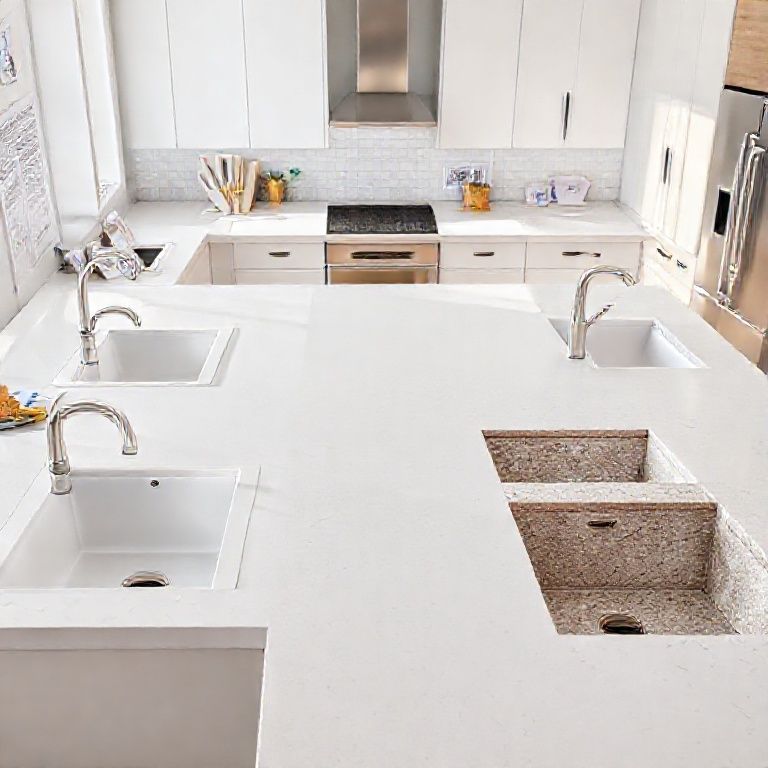
Understanding Artificial Stone Countertop Thickness
Artificial stone countertops have become a popular choice for both residential and commercial spaces due to their durability, aesthetic versatility, and low maintenance requirements. Among the many considerations when choosing artificial stone, the thickness of the countertop plays a pivotal role in ensuring both functionality and beauty. In this first part, we delve into the factors that determine the ideal thickness for artificial stone countertops.
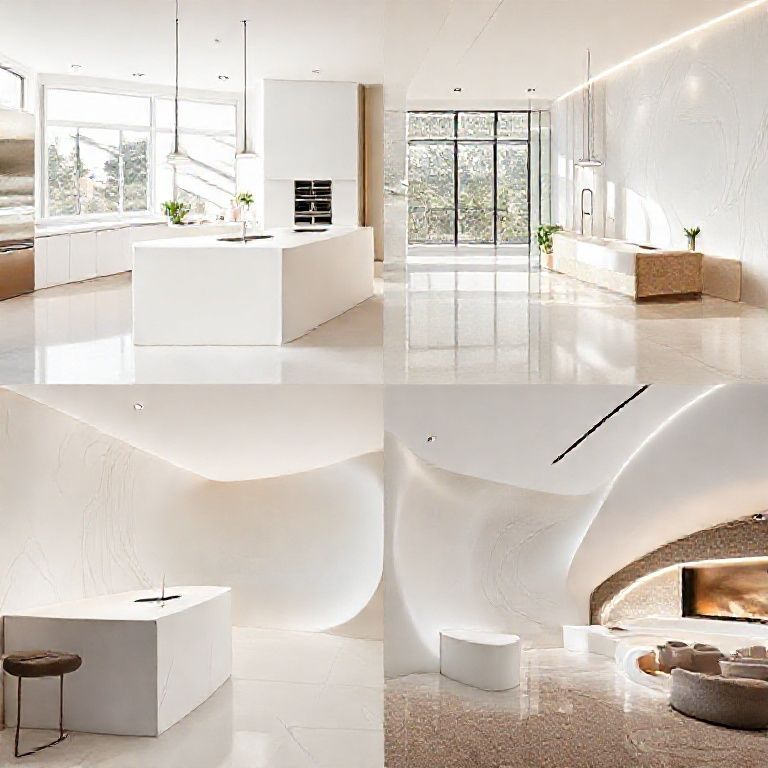
What Determines the Ideal Thickness?
The thickness of an artificial stone countertop is influenced by several key factors:
Weight and Strength: Artificial stone is a composite material made from natural stone powder and polymer resin. The thickness directly affects its weight and strength. Thicker countertops offer superior strength and durability, making them ideal for high-traffic areas like kitchens and commercial settings.
Installation Requirements: Different installation methods require different thicknesses. For instance, tile adhesive methods often work well with thicker countertops, while direct-to-surface installation might necessitate thinner options. Ensuring that the chosen thickness aligns with the intended installation method is crucial.
Aesthetic Preferences: The thickness of a countertop can also impact its visual appeal. Thinner countertops may offer a sleek, modern look, while thicker ones can provide a more robust and classic appearance.
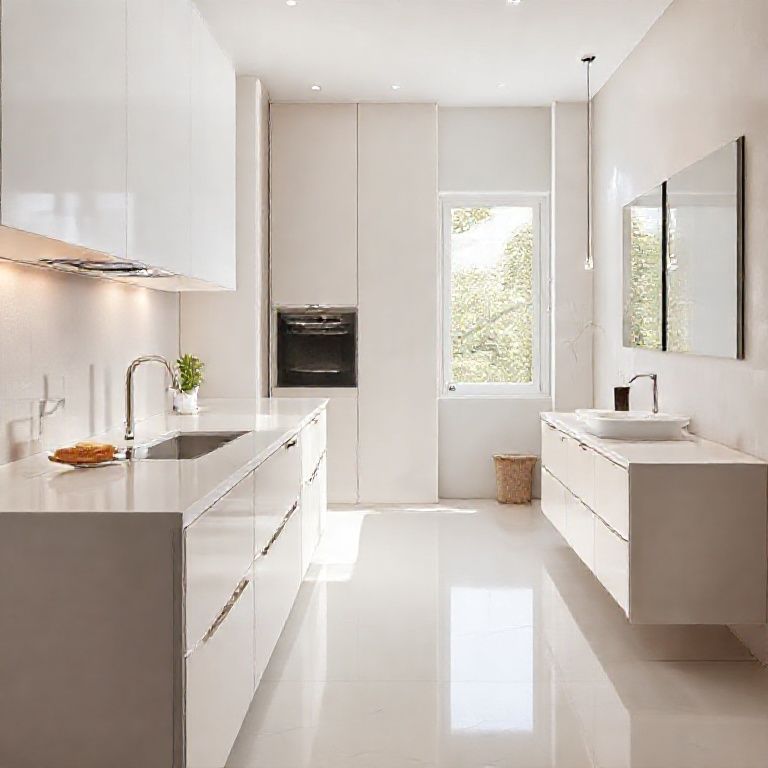
Budget Considerations: Generally, thicker artificial stone countertops are more expensive due to the higher material and labor costs. Therefore, budget constraints can influence the thickness you choose.
Recommended Thickness for Different Uses
Residential Settings
For residential applications, such as kitchen and bathroom countertops, a thickness of 1.5 to 2 inches is commonly recommended. This range provides a good balance between durability, weight, and aesthetics. A 1.5-inch thickness is lightweight enough for easy installation but robust enough to withstand everyday wear and tear.
Commercial Settings
In commercial spaces, where countertops endure higher levels of use, a thickness of 2 to 3 inches is often more appropriate. This range ensures that the countertop can handle heavy usage without cracking or breaking. Additionally, thicker countertops in commercial settings often align better with the structural requirements of the space.
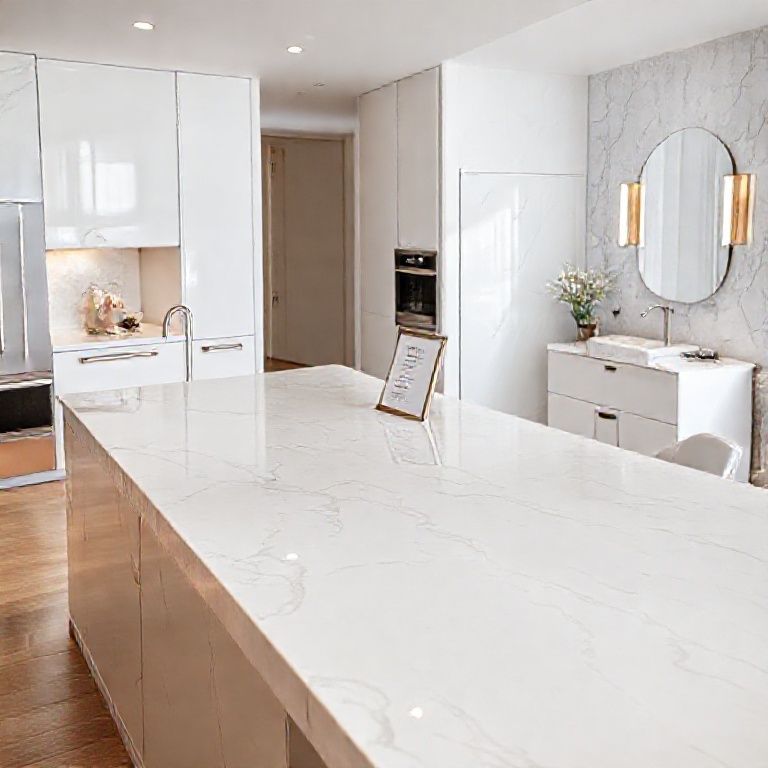
Types of Artificial Stone
Different types of artificial stone have varying thickness recommendations based on their composition and intended use:
Quartz: Quartz is known for its durability and low maintenance. For quartz countertops, a thickness of 1.5 to 2 inches is typically ideal. This thickness provides sufficient strength to withstand daily use while maintaining a sleek appearance.
Granite: Granite-like artificial stone generally requires a 2-inch thickness to mimic the robustness of natural granite. This thickness ensures that the countertop can handle heavy items and frequent contact without compromising on style.
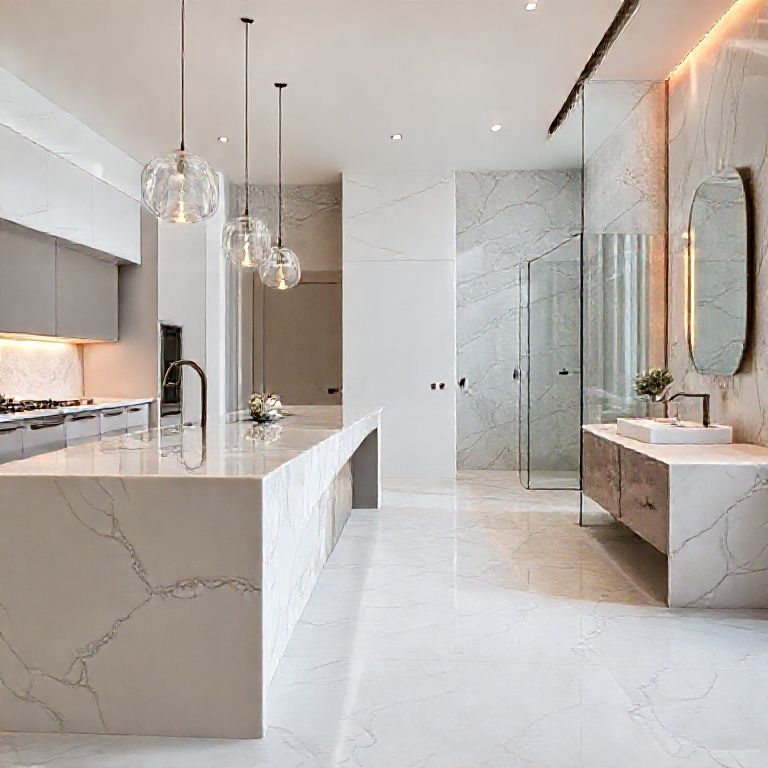
Marble: Marble-like artificial stone often looks best when thicker. A 2 to 3-inch thickness can provide a more authentic marble appearance and enhance durability.
Installation Techniques
The installation technique can also dictate the thickness of the artificial stone countertop:
Direct Installation: For direct installation, where the countertop is secured directly to the sub-countertop, a thicker piece (usually 2 inches or more) is often preferred to ensure stability and longevity.
Tile Adhesive Method: This method can accommodate both thicker and thinner countertops, but thicker pieces (usually 2 to 3 inches) are recommended to provide additional support and prevent potential warping over time.
Conclusion
Choosing the right thickness for your artificial stone countertop involves a careful consideration of multiple factors, including strength, installation method, aesthetic preferences, and budget. By understanding these elements, you can select a thickness that not only meets your functional needs but also enhances the beauty and longevity of your space.
Stay tuned for the second part, where we’ll explore the impact of countertop thickness on durability, maintenance, and design trends.
Durability, Maintenance, and Design Trends in Artificial Stone Countertops
In the previous part, we explored the factors influencing the ideal thickness of artificial stone countertops for various applications. Now, in this second part, we delve deeper into how thickness impacts durability, maintenance, and the evolving design trends in artificial stone countertops. Understanding these aspects will help you make an informed decision that benefits both form and function.
Impact of Thickness on Durability
The thickness of an artificial stone countertop is a critical determinant of its durability. Here’s how:
Resistance to Impact: Thicker countertops offer superior resistance to impact. This is particularly important in high-traffic areas like kitchens where heavy pots, pans, and other items are frequently placed on the countertop. A 2-inch or thicker countertop can withstand these impacts without showing signs of damage or warping.
Heat Resistance: Artificial stone is generally resistant to heat, but the thickness plays a role in how well it can handle hot items. Thicker countertops are less likely to crack or warp when exposed to high temperatures, ensuring a longer lifespan and maintaining a professional appearance.
Abrasion Resistance: The wear and tear from daily use can affect the lifespan of a countertop. Thicker artificial stone countertops (typically 2 inches or more) are more resistant to abrasion, meaning they can maintain their appearance and structural integrity for a longer period.
Maintenance Considerations
The thickness of your artificial stone countertop also influences its maintenance requirements:
Cleaning: Thicker countertops often require less frequent cleaning because they can withstand minor spills and scratches better than thinner ones. However, maintaining a regular cleaning routine with appropriate stone-safe cleaners is essential to preserve the countertop’s beauty and longevity.
Repairs: In case of minor scratches or chips, thicker countertops are easier to repair due to the availability of thicker replacement slabs. Thinner pieces may require more extensive repairs or replacements, which can be more costly.
Weight Distribution: Thicker countertops distribute weight more evenly, reducing the risk of damage to the underlying structure. This is particularly important in commercial settings where heavy equipment and furniture are frequently moved.
Design Trends and Aesthetics
The thickness of artificial stone countertops also plays a role in design trends and aesthetics:
Modern vs. Traditional: Thinner countertops (typically 1.5 inches) are often preferred in modern design trends, offering a sleek and minimalist look. This is ideal for contemporary kitchens and bathrooms that emphasize clean lines and open spaces.
Classic and Robust: Thicker countertops (usually 2 inches or more) are favored in traditional and classic designs. They provide a substantial and timeless appearance, often mimicking the look of natural stone materials like marble, granite, or quartz.
Customization: Artificial stone’s flexibility allows for various thickness options, giving designers and homeowners the freedom to choose a thickness that aligns with their specific design vision. Custom thickness options can also be created to meet unique architectural requirements.
Popular Design Trends
Monochromatic Palettes: In recent years, there has been a trend towards monochromatic palettes in kitchen and bathroom design. Artificial stone in neutral shades like grey, white, and beige can be used in various thicknesses to create a cohesive and elegant look.
Natural Elements: Incorporating natural elements into design has become popular. Thicker artificial stone countertops can replicate the texture and appearance of natural stone, providing a sophisticated and organic feel.
Textured Finishes: Textured finishes in artificial stone have gained popularity, offering a tactile and visually interesting surface. The thickness of the countertop can enhance these textures, making them more pronounced and appealing.
Conclusion
The thickness of an artificial stone countertop significantly impacts its durability, maintenance, and aesthetic appeal. Whether you opt for a thicker or thinner piece, understanding the implications can help you choose a countertop that not only meets your functional needs but also aligns with your design vision. By considering factors such as impact resistance, heat resistance, and maintenance requirements, you can ensure that your artificial stone countertop will be a long-lasting and beautiful addition to your space.
Thank you for joining us on this exploration of artificial stone countertop thickness. If you have any questions or need further assistance, feel free to reach out!