The Ideal Thickness of Artificial Stone Countertops for Your Home
Artificial stone countertops have become a popular choice for both residential and commercial spaces due to their unique blend of beauty, durability, and ease of maintenance. One of the most critical aspects to consider when choosing artificial stone countertops is their thickness. The thickness not only determines the structural integrity of the countertop but also plays a significant role in its aesthetic appeal. In this section, we will delve into the factors that influence the ideal thickness of artificial stone countertops and how it affects your overall design choices.
Understanding Artificial Stone Countertops
Before we dive into the specifics of thickness, it’s essential to understand what artificial stone countertops are made of. Unlike traditional granite or marble, artificial stone is a composite material made from a mixture of natural stone powder, resin, and other additives. This blend creates a material that is not only durable and long-lasting but also easy to install and maintain.
Thickness Matters: Why It’s Important
The thickness of an artificial stone countertop is crucial for several reasons:
Structural Integrity: Thicker countertops provide greater structural stability. They are less likely to crack or chip under normal usage conditions, making them ideal for high-traffic areas such as kitchens and dining rooms.
Weight and Installation: The weight of the countertop is directly proportional to its thickness. Heavier countertops may require more robust support structures and specialized installation techniques to ensure even placement and stability. It’s important to choose a thickness that balances ease of installation with durability.
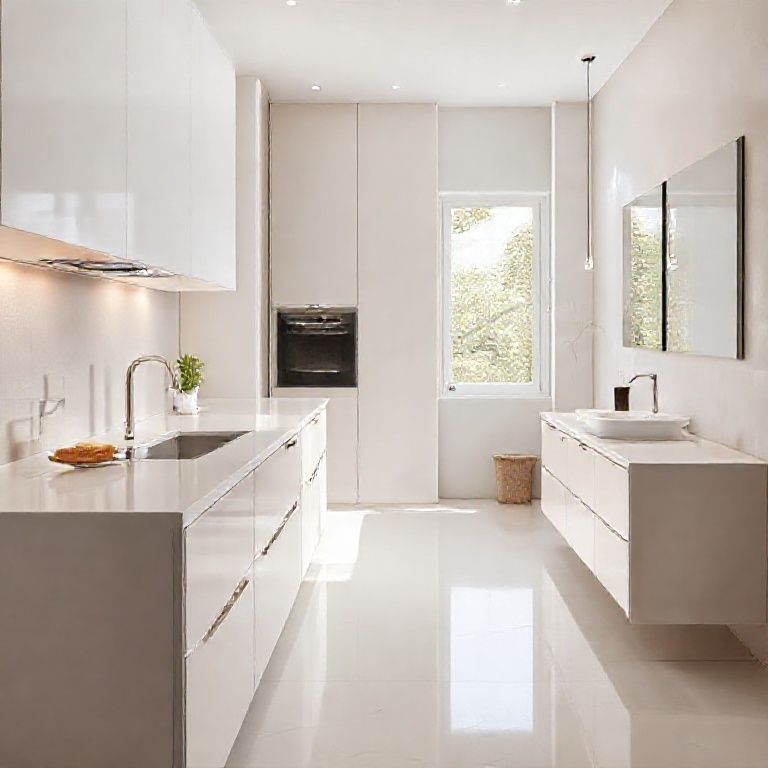
Aesthetic Appeal: While thickness affects functionality, it also plays a role in the visual aspect. Thinner countertops might look more modern and sleek, while thicker ones can offer a more substantial and luxurious feel.
Standard Thickness Ranges
Artificial stone countertops typically come in thicknesses ranging from 1 inch to 2 inches. Here’s a closer look at what each thickness range offers:
1-inch Thickness: Countertops that are 1 inch thick are generally lightweight, making them easier to install, especially for DIY enthusiasts. They are perfect for those who want a modern, minimalist look. However, they might not be suitable for high-traffic areas where heavy usage could lead to potential damage.
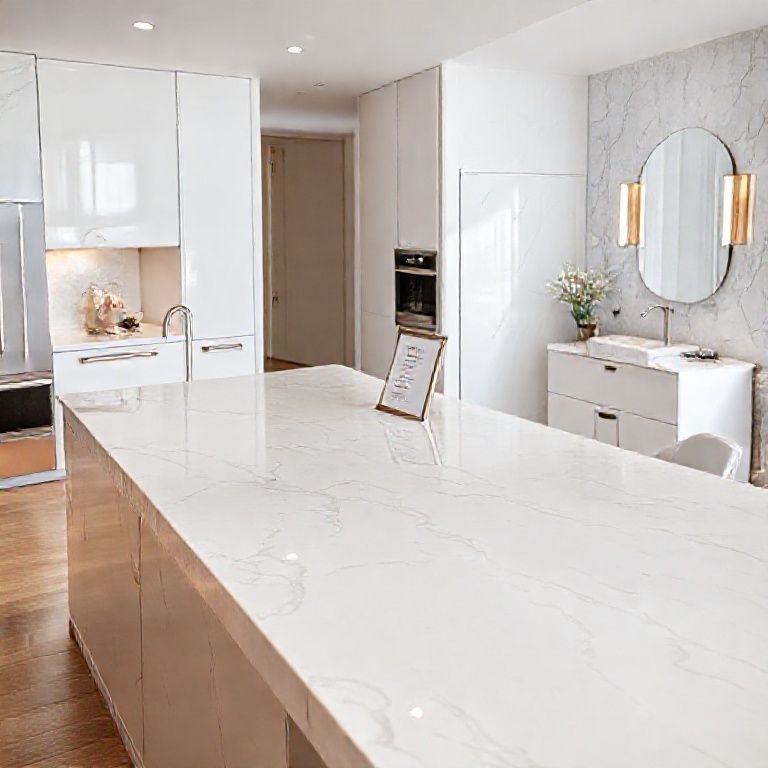
1.5-inch Thickness: A 1.5-inch thickness strikes a good balance between weight and durability. This thickness is often recommended for kitchen countertops where the countertop will be subjected to daily wear and tear. It offers a robust appearance without being overly cumbersome during installation.
2-inch Thickness: The 2-inch thickness is the most durable option, providing excellent resistance to impact and scratches. It’s ideal for high-traffic areas like commercial kitchens or busy household kitchens. This thickness also offers a substantial look, adding to the overall aesthetic appeal.
Choosing the Right Thickness for Your Space
When deciding on the thickness of your artificial stone countertop, consider the following factors:
Usage: The primary factor should be how the countertop will be used. High-traffic areas like kitchens and dining rooms benefit from thicker, more durable options, while lower-traffic areas can afford thinner, more modern designs.
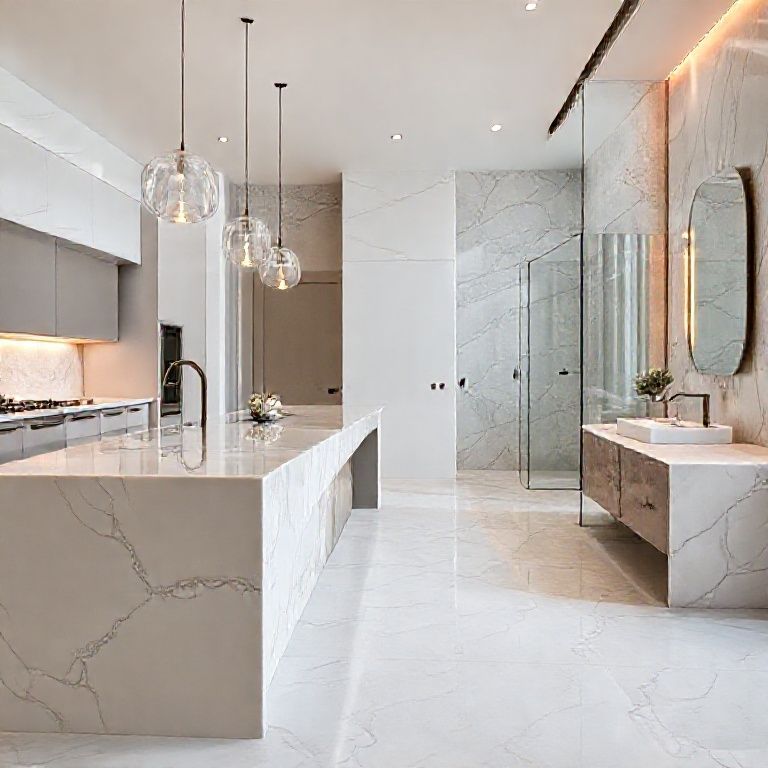
Installation: Discuss with your installer the feasibility of different thicknesses. Heavier countertops may require more support and professional installation to ensure proper placement.
Aesthetic Goals: Consider the overall design of your space. Thicker countertops can add a touch of luxury and elegance, while thinner ones can create a contemporary, streamlined look.
Budget: While thicker countertops generally offer better durability, they might come at a higher price. Balancing durability and budget is essential in making your final decision.
Conclusion
Choosing the ideal thickness for your artificial stone countertop involves a careful consideration of usage, installation, aesthetic goals, and budget. Whether you opt for a sleek, modern 1-inch thickness or a robust, durable 2-inch thickness, the right choice will enhance both the functionality and beauty of your space. In the next part, we will explore the installation process, maintenance tips, and additional design considerations to ensure your artificial stone countertop not only looks great but also lasts for years to come.
The Ideal Thickness of Artificial Stone Countertops for Your Home
In the first part of this guide, we explored the importance of thickness in artificial stone countertops and provided a comprehensive overview of standard thickness ranges and considerations. Now, we’ll delve deeper into the installation process, maintenance tips, and additional design elements to ensure your artificial stone countertop not only looks fantastic but also stands the test of time.
Installation Process
The installation of artificial stone countertops can vary depending on the thickness and the specific requirements of your space. Here’s a step-by-step guide to help you through the process:
Preparation: Before installation, ensure that the surface where the countertop will be placed is clean, dry, and free of any debris. It’s also important to measure the area accurately to determine the correct size of the countertop.
Cutting the Countertop: If your countertop needs to be cut to fit, use a tile cutter or a wet saw with a diamond blade. Always wear safety goggles and gloves when cutting to avoid any injuries.
Support Structures: Depending on the thickness, you might need additional support structures such as L-brackets or backsplashes. These can provide extra stability and help prevent the countertop from sagging over time.
Installation: Once the countertop is cut to size, it can be installed using adhesive or a mechanical fastener system. For heavier countertops, it’s often best to use a professional installer to ensure proper placement and stability. Follow the manufacturer’s instructions for the specific adhesive or fastener system you are using.
Sealing: After installation, it’s important to seal the countertop to protect it from stains and moisture. Use a high-quality stone sealant and follow the manufacturer’s guidelines for application.
Maintenance Tips
Maintaining your artificial stone countertop is relatively easy, but it’s important to follow a few basic guidelines to keep it looking and functioning its best:
Daily Cleaning: Use a soft cloth and mild soap to clean your countertop daily. Avoid using abrasive cleaners or steel wool, as these can scratch the surface.
Stain Removal: For spills and stains, act quickly. Use a damp cloth to blot up spills and apply a stain remover appropriate for the type of material. For tough stains, a mixture of vinegar and baking soda can be effective.
Regular Sealing: Depending on the manufacturer’s recommendations, it’s advisable to reseal the countertop every 6 to 12 months. This helps to maintain its protective barrier against stains and moisture.
Avoiding Sharp Objects: To prevent scratches and chips, avoid using sharp or heavy objects on the countertop. Place coasters under drinks and use cutting boards for food preparation.
Design Considerations
When integrating artificial stone countertops into your design, there are several additional elements to consider to ensure a cohesive and visually appealing space:
Color and Finish: Artificial stone comes in a wide range of colors and finishes. Choose a color that complements your existing decor. For a modern look, consider sleek, monochromatic designs, while a thicker countertop in a rich color can add luxury and depth to your space.
Edge Profile: The edge profile of your countertop can make a significant difference in its appearance. Options include bullnose, straight, and beveled edges. Each profile offers a different aesthetic appeal and can be chosen based on your design preferences.
Integration with Other Elements: Ensure that your countertop integrates well with other elements in the room, such as cabinets, backsplashes, and flooring. Consistent materials and colors can create a harmonious look.
Customization: Artificial stone countertops can often be customized to fit specific design needs. This includes custom shapes, sizes, and even color gradients. Consult with a professional to explore the best options for your space.
Conclusion
Selecting the right thickness for your artificial stone countertop is just the beginning. Proper installation, regular maintenance, and thoughtful design considerations are essential to ensure that your countertop not only looks stunning but also stands the test of time. Whether you opt for a modern, minimalist 1-inch thickness or a durable, luxurious 2-inch thickness, the right choice will enhance both the functionality and beauty of your space. By following the guidelines and tips provided in this guide, you can make an informed decision that will serve your home for years to come.
By understanding the importance of thickness and considering all aspects of installation, maintenance, and design, you can confidently choose the perfect artificial stone countertop for your home.