${part1}
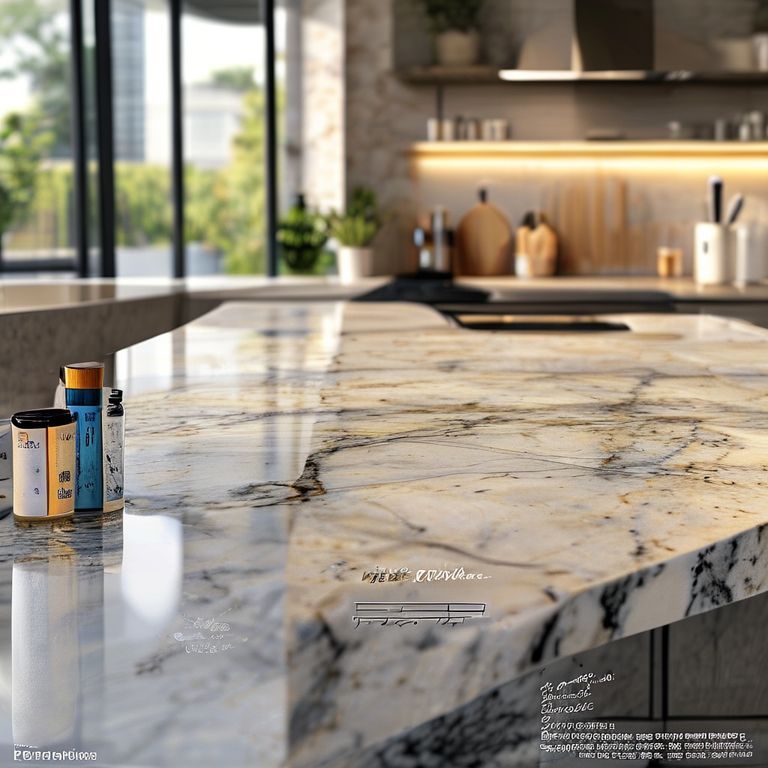
When it comes to upgrading your kitchen, selecting the right material for your countertops can be a game-changer. Among the many options available, stone countertops have consistently proven to be a popular choice due to their durability, natural beauty, and low maintenance. However, one crucial aspect often overlooked is the thickness of the stone countertop. Understanding the ideal thickness of kitchen stone countertops is essential to ensure functionality, aesthetics, and longevity. In this part, we delve into the various factors influencing the thickness of kitchen stone countertops, the pros and cons of different thicknesses, and the most common measurements used in the industry.
Understanding the Importance of Thickness
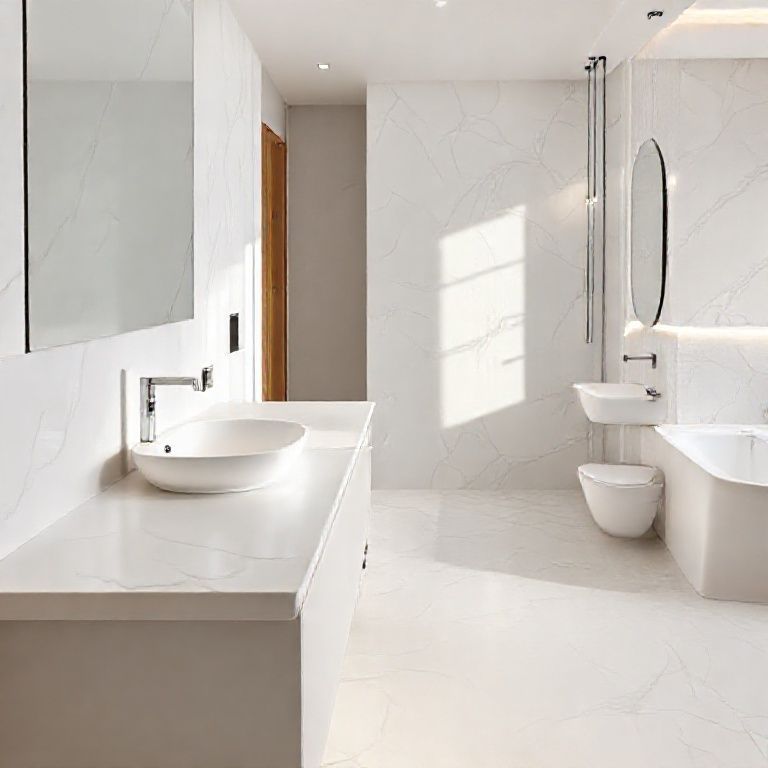
The thickness of a kitchen stone countertop is more than just a dimensional concern; it directly affects the countertop’s durability, weight, and overall appearance. A thicker stone countertop generally offers superior strength and resistance to scratches and chips. Conversely, a thinner countertop might look sleeker but may lack the robustness needed for a high-traffic kitchen. Therefore, striking the right balance between aesthetics and functionality is key.
Common Thicknesses and Their Applications
1-inch Thickness Pros: Lighter weight, making installation easier. Provides a modern, minimalist look. Typically easier to handle and transport. Cons: May not be as durable for heavy use. More susceptible to scratches and dents. 1.5-inch Thickness Pros: Enhanced durability and resistance to wear. Maintains a contemporary aesthetic while being more robust. Ideal for kitchens with a mix of high and low-traffic areas. Cons: Slightly heavier, which might complicate installation. 2-inch Thickness Pros: Superior strength and durability. Highly resistant to scratches and chips. Suitable for kitchens that experience heavy usage. Cons: Heavier and might require professional installation. More expensive due to material costs. 2.5-inch Thickness Pros: Excellent durability and longevity. Can handle extreme wear and tear. Provides a classic, timeless look. Cons: Very heavy, making it challenging to install. Higher cost and potential issues with fitting around existing cabinetry.
Factors Influencing the Choice of Thickness
Several factors come into play when determining the appropriate thickness for your kitchen stone countertop:

Usage Level High-traffic kitchens benefit from thicker countertops as they can withstand more wear and tear. Light-to-medium usage kitchens might opt for thinner options that still provide sufficient durability. Aesthetic Preferences Thinner countertops can give a sleek, modern appearance but may not offer the same durability. Thicker countertops provide a classic look that can complement various kitchen styles. Budget Thicker stone countertops generally cost more due to the higher material requirements. Thinner options might fit within a tighter budget but may require more frequent replacements. Installation Thicker countertops might require professional installation due to their weight. Thinner options can often be installed by homeowners with proper tools and guidance.
Installation Considerations
When installing a kitchen stone countertop, the thickness plays a critical role in the installation process. Thicker stone countertops need careful handling to avoid damage during transportation and installation. Professional installation is often recommended for thicker stone countertops to ensure a seamless fit and to prevent any potential issues.
Maintenance and Longevity
The thickness of the stone countertop also affects its maintenance and longevity. Thicker countertops are generally easier to clean and maintain, as they can better withstand the rigors of daily kitchen use. Thinner stone countertops might require more meticulous care to avoid scratches and chips, but they offer a more modern look if properly maintained.
Conclusion
Selecting the right thickness for your kitchen stone countertop is essential to ensure the longevity, durability, and aesthetic appeal of your kitchen renovation. By understanding the pros and cons of different thicknesses and considering factors such as usage level, aesthetic preferences, budget, and installation, you can make an informed decision that will enhance your kitchen’s functionality and beauty.
${part2}
Continuing our detailed exploration into the ideal thickness for kitchen stone countertops, this part will dive deeper into specific types of stone used for countertops, the installation techniques for different thicknesses, and provide insights on how to maintain your stone countertop to ensure its longevity. We will also address common misconceptions and offer expert tips to help you make the best choice for your kitchen.
Different Types of Stone and Their Thickness Requirements
Various types of stone are available for kitchen countertops, each with its unique characteristics, advantages, and thickness requirements. Here’s a closer look at some popular stone types and their ideal thicknesses:

Granite Characteristics: Known for its durability and natural beauty. Available in a wide range of colors and patterns. Ideal Thickness: Typically, 2-inch granite countertops are recommended for high-traffic areas due to their superior strength and resistance to scratches and chips. For medium-traffic areas, 1.5-inch granite countertops offer a good balance of durability and aesthetics. Marble Characteristics: Offers a luxurious, elegant look. Requires sealing to protect against stains and moisture. Ideal Thickness: Marble countertops are usually thicker, often ranging from 1.5 to 2 inches. The additional thickness provides better support and reduces the risk of damage. Quartz Characteristics: Synthetic stone known for its durability and resistance to stains and scratches. Available in virtually any color or pattern. Ideal Thickness: Quartz countertops come in various thicknesses, but 1-inch to 1.5-inch is common for most installations. The thinner options provide a sleek look while still offering excellent durability. Slate Characteristics: Naturally occurring stone known for its durability and unique texture. Requires less maintenance compared to other stone types. Ideal Thickness: Slate countertops are typically thicker, often around 1.5 to 2 inches. The thicker thickness provides better stability and resistance to wear.
Installation Techniques for Different Thicknesses
The installation technique varies depending on the thickness of the stone countertop. Here are some key points to consider:
Thicker Countertops (2 inches and above) Installation Techniques: Require professional installation due to their weight and size. Typically use a full-overlay method where the stone countertop is placed on top of the existing cabinet structure and secured with adhesives and brackets. Considerations: Ensure proper leveling and support to prevent any shifting over time. Check for adequate space around the edges to accommodate the thickness. Thinner Countertops (1 inch to 1.5 inches) Installation Techniques: Can often be installed by homeowners with proper tools and guidance. Use a full-overlay or butt-joint method depending on the design. Considerations: Ensure precise measurements to avoid gaps and ensure a seamless fit. Use high-quality adhesives and brackets to secure the countertop.
Maintaining Your Stone Countertop
Proper maintenance of your stone countertop is crucial to extend its lifespan and maintain its beauty. Here are some expert tips:
Regular Cleaning Use a mild soap and water solution to clean your stone countertop. Avoid using abrasive cleaners or sponges that can scratch the surface. For tougher stains, consider using a stone countertop cleaner specifically designed for the type of stone you have. Sealing Granite and marble countertops require regular sealing to protect against stains and moisture. Follow the manufacturer’s instructions for the best sealing product and application method. Re-seal your countertop every 6 to 12 months depending on usage. Avoiding Damage Place trivets or coasters under hot pots and pans to prevent thermal shock. Use cutting boards and do not place sharp objects directly on the surface. Clean up spills immediately to prevent staining.
${part2}
Common Misconceptions and Expert Tips
When it comes to kitchen stone countertops, there are several common misconceptions that can lead to less-than-ideal choices. Addressing these misconceptions and providing expert tips will help you make a well-informed decision.
Misconception: Thinner Countertops Always Look Better Reality: While thinner countertops can provide a modern, sleek appearance, they often lack the durability needed for a high-traffic kitchen. The ideal thickness should balance aesthetics with functionality. Expert Tip: Consider the usage level of your kitchen. If it’s a high-traffic area, opt for a thicker countertop to ensure longevity. Misconception: Thicker Countertops Are Always Heavier and Harder to Install Reality: While thicker countertops are indeed heavier, advancements in installation techniques and tools have made the process more manageable. Professional installation is often recommended to ensure a seamless fit. Expert Tip: Consult with a professional installer to determine the best approach for your specific countertop thickness and kitchen layout. Misconception: All Stone Types Require the Same Thickness Reality: Different types of stone have varying characteristics that influence the ideal thickness. For instance, granite and marble often require thicker installations to handle wear and tear, while quartz and slate can be more versatile in thickness. Expert Tip: Choose the stone type and thickness based on the specific properties and maintenance requirements of the stone.
Final Thoughts and Recommendations
When deciding on the ideal thickness for your kitchen stone countertop, it’s essential to consider the following:
Usage Level: High-traffic areas benefit from thicker, more durable countertops, while low-traffic areas might accommodate thinner options.
Aesthetic Preferences: Thinner countertops provide a modern look, while thicker ones offer a classic, robust appearance.
Budget: Thicker countertops generally come at a higher cost due to material and installation complexities.
Installation: Professional installation is often necessary for thicker countertops to ensure a secure and seamless fit.
Choosing the Right Thickness
To choose the right thickness for your kitchen stone countertop, consider the following steps:
Assess Your Kitchen: Determine the level of usage in different areas of your kitchen.
Select Your Stone Type: Choose the type of stone based on your aesthetic preferences and maintenance considerations.
Consult Professionals: Speak with a stone countertop specialist or installer to get expert advice tailored to your specific needs.
Make an Informed Decision: Balance durability, aesthetics, and budget to select the perfect thickness for your kitchen stone countertop.
By understanding the importance of thickness and considering the various factors involved, you can make a well-informed decision that will enhance both the functionality and beauty of your kitchen renovation.
This comprehensive guide aims to provide you with all the information needed to make an informed decision about the ideal thickness for your kitchen stone countertop. By understanding the pros and cons, installation techniques, and maintenance tips, you can ensure that your kitchen renovation meets both your functional and aesthetic needs.