Understanding the Chemistry and Consequences
Introduction
In the realm of household cleaning, 84 disinfectant has long been a go-to solution for its broad-spectrum efficacy against bacteria, viruses, and other pathogens. However, when it comes to the delicate surface of marble, concerns arise regarding the potential for damage. This first part of our exploration will delve into the chemical composition of 84 disinfectant and marble, and how these two substances interact. Understanding the science behind them is crucial for making informed cleaning choices.
Chemical Composition of 84 Disinfectant
84 disinfectant, known for its powerful cleaning and sanitizing properties, contains several active ingredients, including sodium hypochlorite (NaOCl), which is a potent bleaching agent and disinfectant. Other ingredients may include various surfactants and preservatives that enhance its cleaning power. Sodium hypochlorite is a strong oxidizer, meaning it can break down organic matter and kill microorganisms through a process of oxidation.
Chemical Composition of Marble
Marble, a metamorphic rock composed primarily of calcium carbonate (CaCO₃), is renowned for its beauty and durability. However, its composition makes it susceptible to chemical reactions that can lead to surface etching and discoloration. Marble is a form of limestone that has been subjected to heat and pressure, resulting in a dense, crystalline structure. This structure, while beautiful, can be easily compromised by acidic or alkaline substances.
The Interaction Between 84 Disinfectant and Marble
When 84 disinfectant comes into contact with marble, the sodium hypochlorite reacts with the calcium carbonate in the marble. This chemical reaction can result in the formation of calcium hypochlorite, which can lead to surface etching and damage. The reaction can be particularly problematic if the marble surface is porous or if the disinfectant is not properly diluted.
Risks and Potential Damage
Using 84 disinfectant on marble can result in several forms of damage, including:
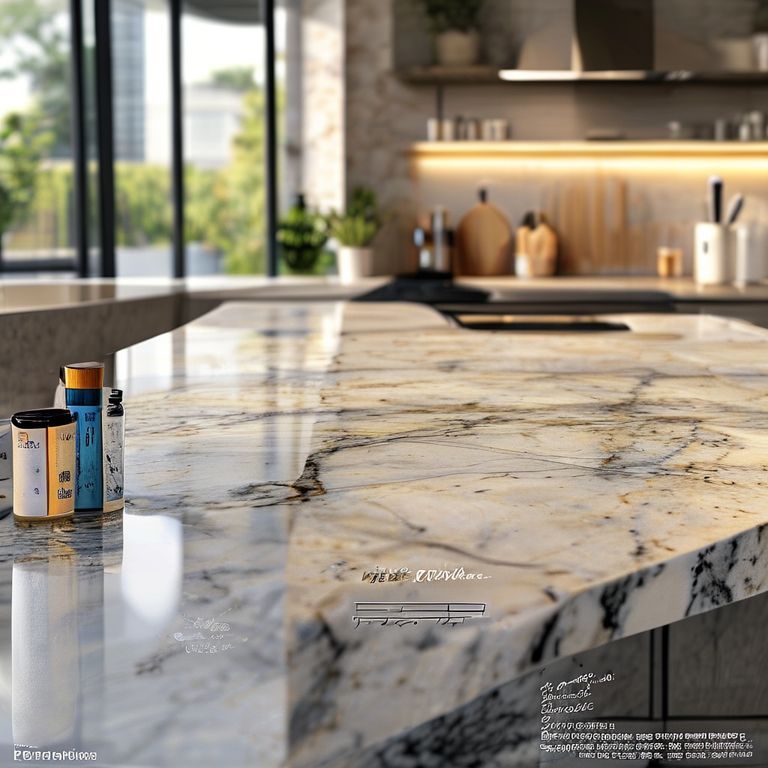
Surface Etching: The acid-like reaction between the sodium hypochlorite and calcium carbonate can cause the marble to lose its glossy finish and develop a rough, uneven surface. Discoloration: The chemical reaction may lead to visible stains or discoloration on the marble surface. Loss of Luster: The natural sheen of marble can be diminished, making the surface appear dull and lifeless.
Conclusion
Understanding the chemical composition of both 84 disinfectant and marble is crucial for making informed cleaning decisions. The interaction between these two substances can lead to significant surface damage, making it imperative to exercise caution when using powerful disinfectants on marble surfaces. In the next part of this article, we will explore safer alternatives and best practices for cleaning marble to preserve its beauty and integrity.
Safe Alternatives and Best Practices for Marble Cleaning
Introduction
In light of the potential risks associated with using 84 disinfectant on marble, it is essential to explore safer alternatives and best practices for maintaining the beauty and integrity of marble surfaces. This part of our article will provide detailed guidance on how to clean marble without compromising its quality and appearance.

Safe Cleaning Alternatives
When it comes to cleaning marble, it’s crucial to avoid harsh chemicals that can cause damage. Here are some safer alternatives:
Distilled Water and Vinegar: A mixture of distilled water and white vinegar is a gentle yet effective cleaner for marble. Vinegar is mildly acidic and can help remove light stains and surface grime without damaging the marble.
Baking Soda Paste: Mixing baking soda with water to form a paste can be used to scrub away minor stains. Baking soda is a natural abrasive that can help lift dirt without etching the surface.

Commercial Marble Cleaners: There are many commercial products designed specifically for marble cleaning. These products are formulated to be safe for marble surfaces while effectively cleaning and protecting them.
Best Practices for Cleaning Marble
To ensure the longevity and beauty of your marble surfaces, follow these best practices:
Regular Cleaning: Clean marble surfaces regularly with a soft cloth and a gentle cleaner to prevent the buildup of dirt and stains.
Avoid Harsh Chemicals: Refrain from using strong bleaches, acids, or abrasive cleaners on marble. These substances can cause irreversible damage.
Proper Dilution: If you choose to use a commercial marble cleaner, always follow the manufacturer’s instructions for dilution and application.
Immediate Cleaning of Spills: Marble can absorb stains quickly, so it’s important to clean up spills immediately. Use a soft cloth and a gentle cleaner to wipe up any liquids promptly.
Regular Polishing: Regular polishing can help restore the shine and luster of marble surfaces. Use a marble polish or a commercial marble sealant to protect the surface.
Sealing Marble: Sealing marble surfaces can provide an additional layer of protection against stains and spills. Use a high-quality marble sealant to create a barrier that helps prevent damage from liquids and chemicals.
Protecting Marble from Everyday Wear and Tear
In addition to regular cleaning, there are several measures you can take to protect marble from everyday wear and tear:
Use Coasters and Placemats: To prevent rings and stains from glasses and hot items, use coasters and placemats on marble surfaces.
Avoid Cutting on Marble: Do not use marble surfaces for cutting food. Use cutting boards to avoid scratches and cuts that can damage the marble.
Promptly Address Damage: If you notice any damage to the marble, such as scratches or chips, address it promptly. There are products available that can help repair minor damage and restore the surface.
Conclusion
In conclusion, while 84 disinfectant is an effective cleaning agent for many surfaces, it poses significant risks to marble due to its chemical composition. By understanding the dangers of using 84 disinfectant on marble and adopting safer cleaning alternatives and best practices, you can protect the beauty and integrity of your marble surfaces. Regular maintenance, proper cleaning techniques, and protective measures are key to ensuring that your marble remains beautiful and durable for years to come.