The Chemical Composition and Implications for Marble
Introduction:
In today’s world, hygiene and cleanliness are paramount, especially with the ongoing global health concerns. Products like 84 Disinfectant have become household staples, known for their effectiveness in killing a broad spectrum of germs and bacteria. However, while these disinfectants are excellent for cleaning surfaces, they can have unforeseen consequences when used on certain types of materials, particularly marble. In this part, we will explore the chemical composition of 84 Disinfectant and its specific implications for marble surfaces.
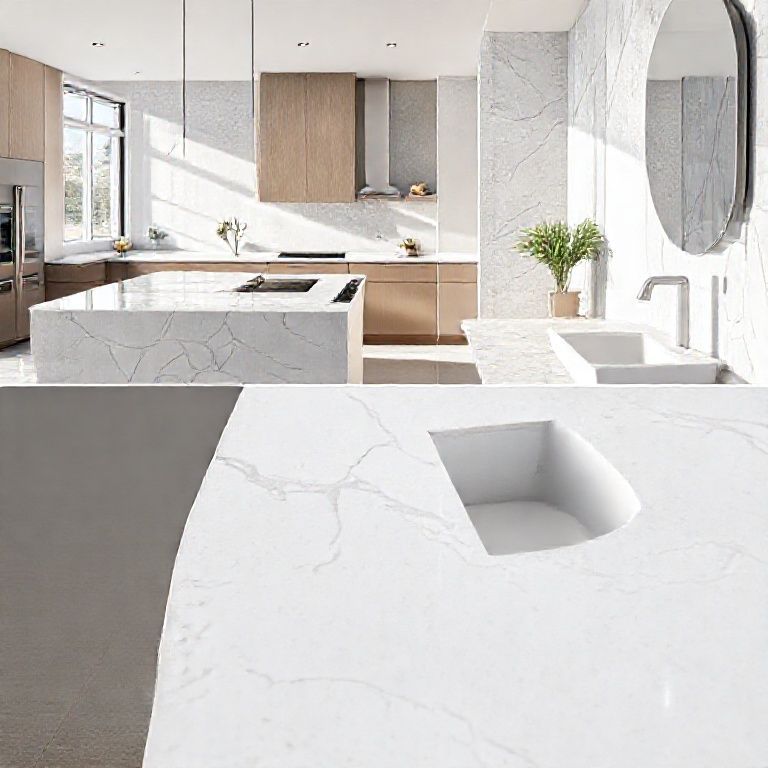
The Chemical Composition of 84 Disinfectant:
84 Disinfectant, also known as “84” in various regions, is a powerful cleaning agent primarily composed of sodium hypochlorite, a type of bleaching agent and disinfectant. It also contains surfactants, fragrances, and stabilizers. Sodium hypochlorite is highly effective at killing germs but can be quite aggressive when it comes into contact with certain materials.
Sodium Hypochlorite: The active ingredient in 84 Disinfectant, sodium hypochlorite is a strong oxidizer that breaks down organic matter and kills bacteria. However, its powerful oxidizing nature makes it reactive with various substances, including marble.
Surfactants: These are added to help the disinfectant spread evenly and penetrate surfaces. While they aid in cleaning, they can also introduce additional chemicals that may not be suitable for marble.
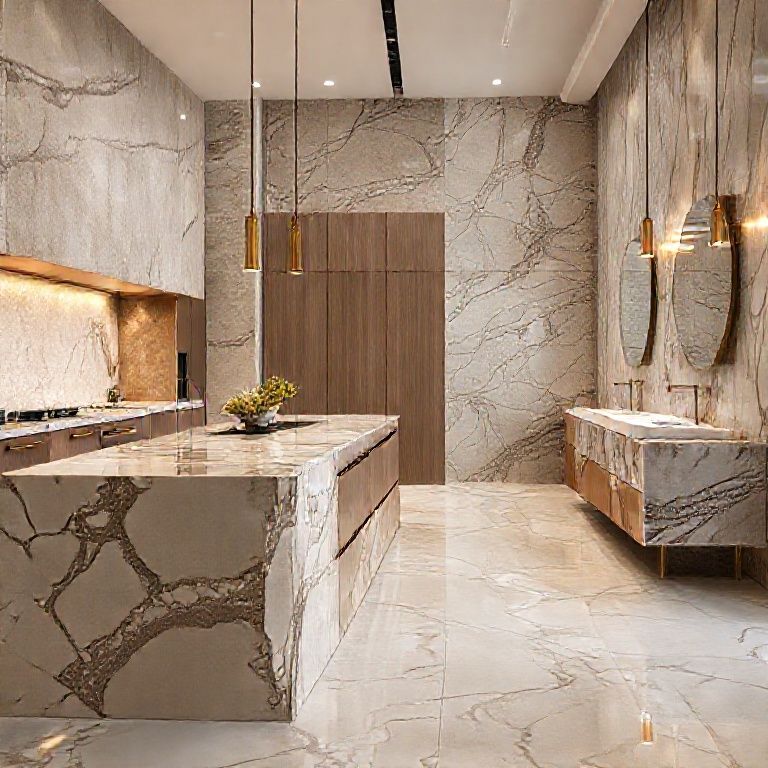
The Nature of Marble:
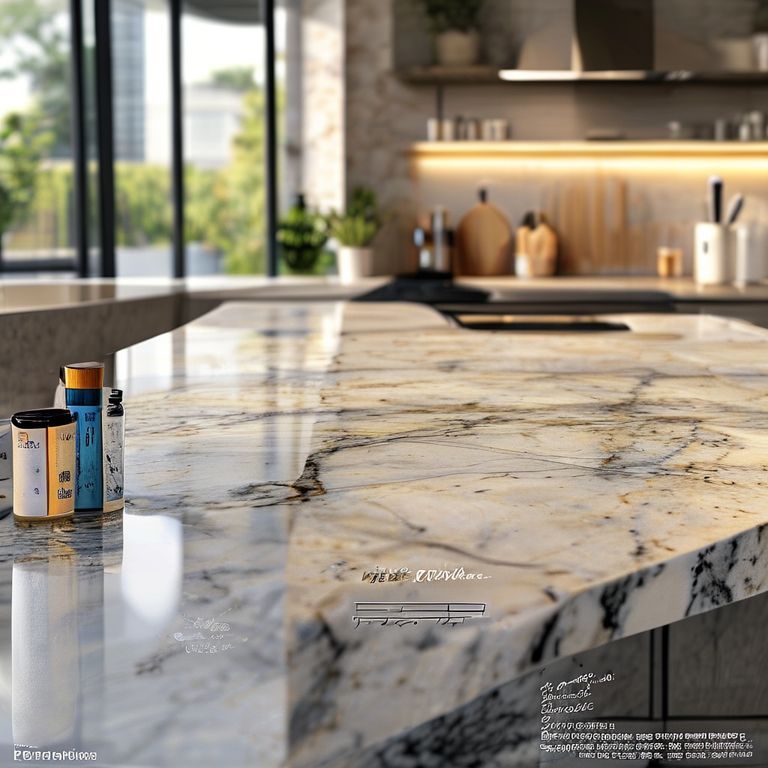
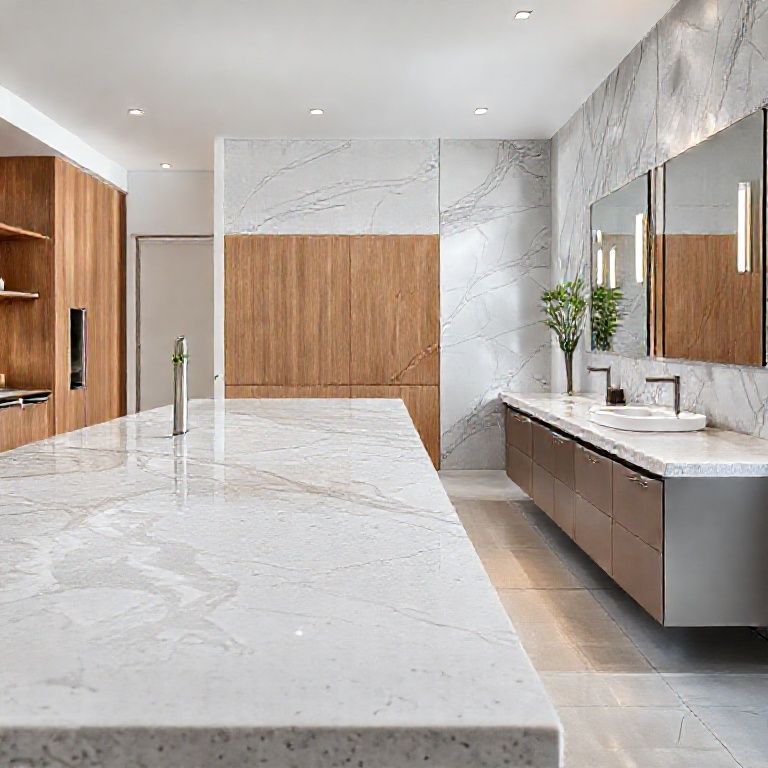
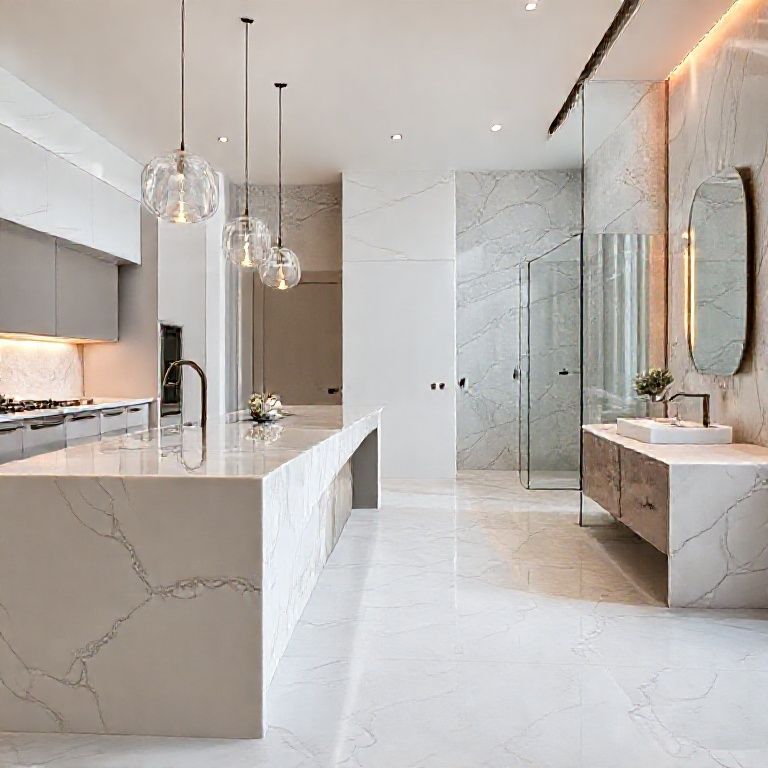
Marble is a popular choice for countertops, flooring, and decorative items due to its beautiful aesthetic and durability. However, it is a type of natural stone that is composed primarily of calcium carbonate (CaCO₃). The crystalline structure of marble makes it susceptible to etching and discoloration when exposed to acidic or reactive chemicals.
Chemical Reaction Between 84 Disinfectant and Marble:
When 84 Disinfectant comes into contact with marble, the sodium hypochlorite reacts with the calcium carbonate in the marble. This reaction can cause several adverse effects:
Etching: The oxidizing properties of sodium hypochlorite can etch the surface of the marble, leading to a dull, pitted appearance. This process can be particularly noticeable in high-traffic areas where the disinfectant is frequently used.
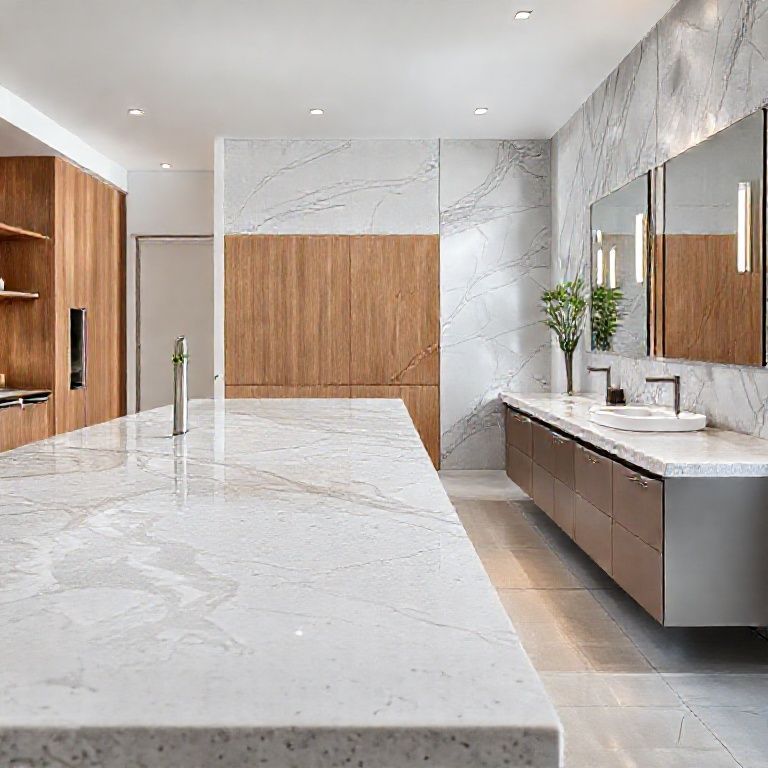
Discoloration: The chemical reaction can also cause marble to become discolored, as the surface can turn cloudy or develop unsightly stains. This effect is particularly concerning for marble used in high-visibility areas such as kitchen countertops and bathroom floors.
Loss of Luster: Marble’s natural sheen is one of its most desirable qualities. However, the corrosive effects of 84 Disinfectant can strip away the marble’s luster, leaving it looking dull and lifeless.
Conclusion:
Understanding the chemical composition of 84 Disinfectant and its interaction with marble is crucial for anyone who values the beauty and longevity of their marble surfaces. While 84 Disinfectant is an effective cleaning agent, its use on marble can lead to significant damage. In the next part of this article, we will explore alternative cleaning methods and protective measures to ensure your marble remains pristine and beautiful for years to come.
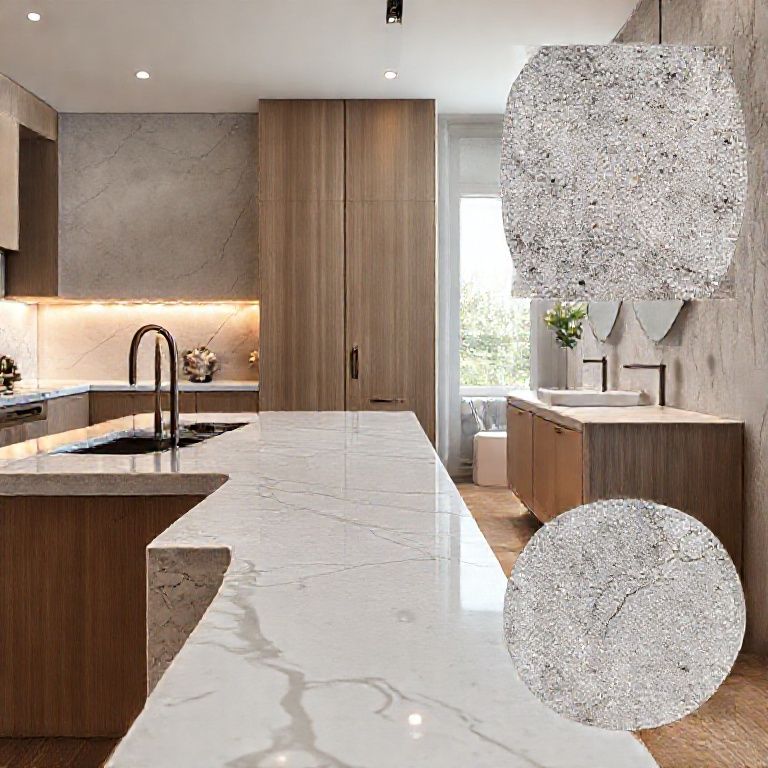
Protecting Your Marble from 84 Disinfectant and Other Cleaning Agents
Introduction:
Having established the potential risks associated with using 84 Disinfectant on marble, it’s essential to understand how to protect your marble surfaces from such damage. In this second part, we will delve into alternative cleaning methods, protective measures, and maintenance tips to preserve the beauty and integrity of your marble.
Alternative Cleaning Methods for Marble:
When it comes to cleaning marble, it’s important to use gentle, non-reactive products to avoid the harmful effects of strong disinfectants like 84.
Mild Soap and Water: A simple, effective solution for cleaning marble is a mixture of mild soap and water. Use a soft cloth to gently wipe the marble surface, ensuring no harsh chemicals are left behind. Rinse thoroughly with clean water to remove any soap residue.
Vinegar and Water Solution: White vinegar is a natural alternative that can be diluted with water to create a mild cleaning solution. Vinegar is acidic but much less harsh on marble than sodium hypochlorite. However, it should still be used sparingly and wiped off immediately to prevent any potential etching.
Commercial Marble Cleaners: There are specialized marble cleaners available on the market that are designed to clean and protect marble without causing damage. These products are formulated to maintain the natural beauty of marble without introducing harmful chemicals.
Protective Measures for Marble:
To extend the life and maintain the appearance of marble, several protective measures can be taken:
Sealants: Applying a high-quality marble sealant can provide a protective barrier against stains and chemicals. Sealants fill the tiny pores in marble, making it more resistant to staining and etching. Regular reapplication of the sealant is recommended to maintain its protective qualities.
Protective Pads: Placing protective pads or coasters under items that come into frequent contact with marble surfaces can prevent scratches and staining. This is particularly useful for hot items like mugs and pots, which can cause discoloration when placed directly on marble.
Avoiding Direct Chemical Contact: Whenever possible, avoid using any cleaning agents that contain harsh chemicals, such as bleach or ammonia, on marble surfaces. If such cleaning is unavoidable, ensure that any marble surfaces are thoroughly rinsed and dried afterward to minimize chemical exposure.
Maintenance Tips for Marble:
Proper maintenance is key to keeping marble looking its best. Here are some tips to ensure your marble remains pristine:
Regular Cleaning: Regularly clean marble surfaces to remove any grime, spills, and stains. Use a damp cloth with mild soap and water for routine cleaning, and address spills immediately to prevent staining.
Avoiding Acidic Foods: Acidic foods and beverages, such as citrus juices and vinegar, can cause etching and discoloration on marble. When possible, serve such items on plates or use marble coasters to protect the surface.
Humidity Control: Marble can be susceptible to moisture damage, so controlling the humidity in your home can help prevent issues like mold and mildew. Use dehumidifiers in areas prone to high humidity.
Conclusion:
Protecting marble from the damaging effects of 84 Disinfectant and other harsh chemicals is crucial for preserving its beauty and longevity. By opting for gentle cleaning methods, applying protective sealants, and maintaining proper care practices, you can ensure that your marble surfaces remain vibrant and attractive for years to come. In an age where cleanliness is paramount, it’s essential to balance hygiene with the preservation of our beautiful natural stone surfaces.
By understanding the potential risks and taking proactive steps, you can maintain the stunning appearance of your marble while ensuring a clean and healthy environment.