The Basics of 84 Disinfectant and Marble
When it comes to household cleaning, 84 disinfectant is a household name known for its effectiveness against a wide range of germs and bacteria. However, its application is not without risks, especially when it comes into contact with delicate surfaces such as marble. To understand the impact of 84 disinfectant on marble, it’s essential to break down the basics of what 84 disinfectant is and how marble is structured.
The Composition of 84 Disinfectant
84 disinfectant is primarily composed of sodium hypochlorite, a powerful bleaching agent that is effective in killing bacteria, viruses, and other pathogens. This ingredient makes it a potent cleaner, but it also means it can be highly reactive with other materials. Sodium hypochlorite is the active ingredient in many bleaches and works by breaking down the cell walls of microorganisms. However, when it comes into contact with certain surfaces, it can lead to chemical reactions that cause damage.
Marble: An Overview
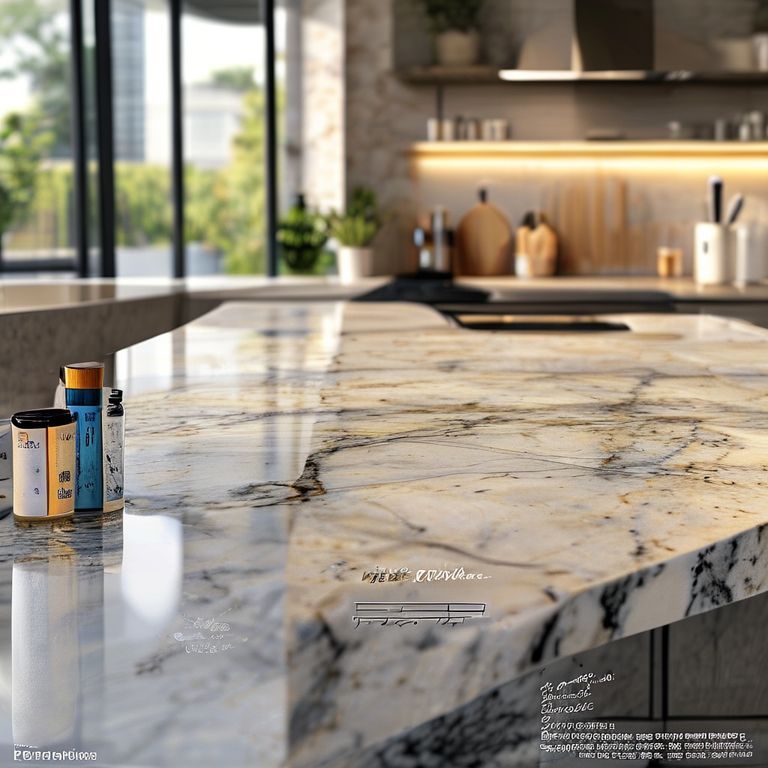
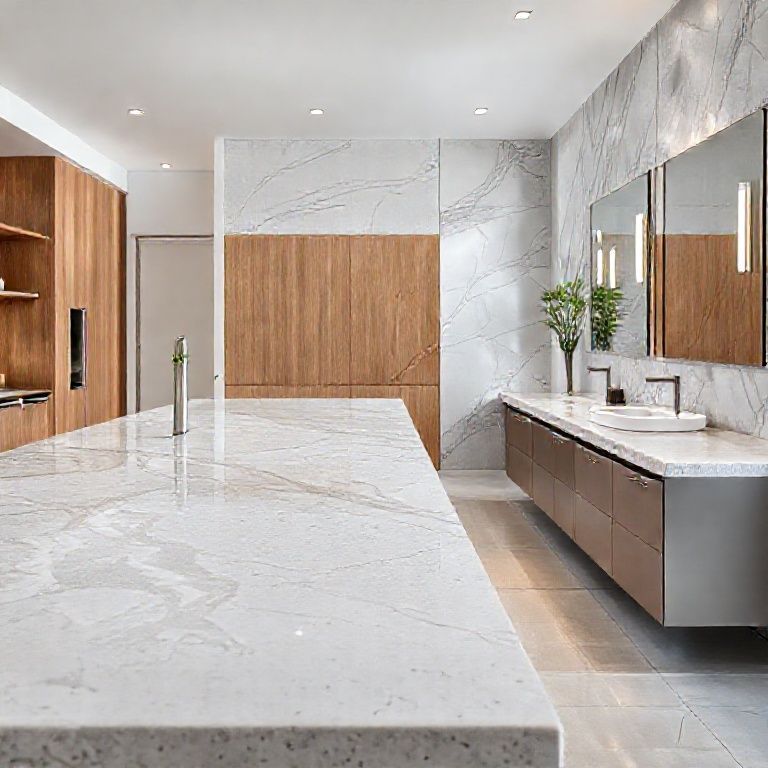
Marble is a popular choice for countertops, flooring, and decorative elements due to its beautiful appearance and durability. However, marble is a type of metamorphic rock that consists of recrystallized carbonate minerals, primarily calcite or dolomite. These minerals give marble its characteristic texture and beauty but also make it susceptible to damage from certain chemicals.
The Chemical Reaction Between 84 Disinfectant and Marble
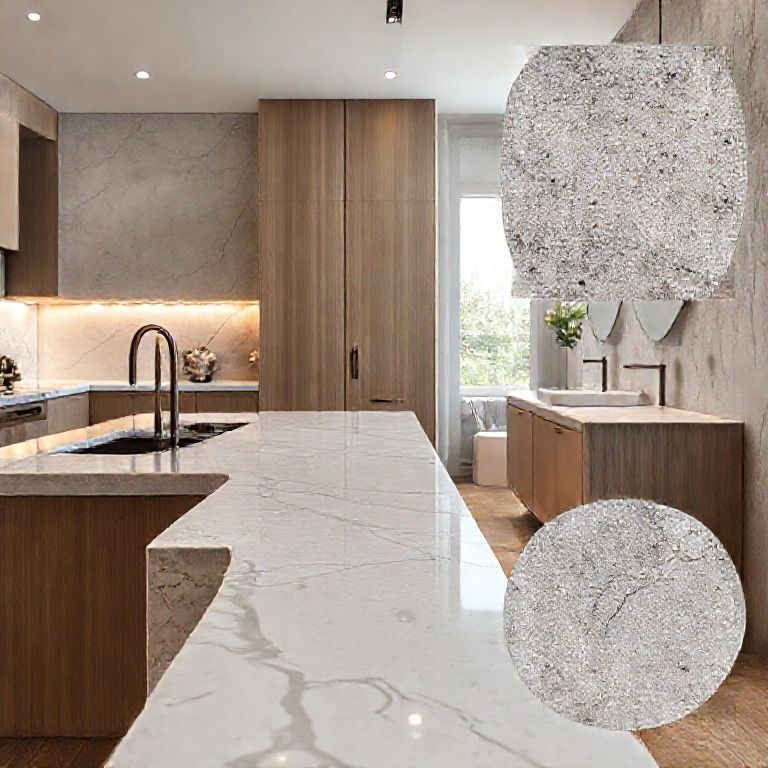
When 84 disinfectant comes into contact with marble, the sodium hypochlorite reacts with the calcium carbonate in the marble. This reaction can lead to a process called “bleaching,” where the marble loses its natural color and becomes dull. Over time, repeated exposure can cause the marble to become pitted and lose its luster, effectively damaging its surface.
Why Immediate Action is Crucial
To avoid irreversible damage, it’s important to act quickly if 84 disinfectant does come into contact with marble. The longer the disinfectant remains on the surface, the more likely it is to cause lasting damage. Immediate action can help minimize the impact, but prevention is always the best strategy.
Best Practices for Marble Maintenance
To ensure the longevity and beauty of marble surfaces, it’s important to follow some best practices:
Avoid Harsh Chemicals: Refrain from using harsh chemicals like 84 disinfectant on marble surfaces. Opt for milder cleaning solutions that are safe for marble.
Regular Cleaning: Clean marble surfaces regularly using a soft cloth and a mild soap solution. Avoid using abrasive cleaners that can scratch the surface.
Immediate Neutralization: In the event of a spill, immediately neutralize the chemical with a vinegar or baking soda solution to mitigate any potential damage.
Proper Storage: Store cleaning products in a secure location away from marble surfaces to prevent accidental spills.
By understanding the basics of 84 disinfectant and the nature of marble, you can better appreciate the importance of using the right cleaning products to maintain the beauty and integrity of your marble surfaces.

Long-Term Effects and Preventive Measures
Having covered the immediate impact of 84 disinfectant on marble, it’s now time to delve into the long-term effects and preventive measures that can help preserve the integrity of your marble surfaces. This knowledge will empower you to make informed decisions and maintain your marble in pristine condition over time.
Understanding Long-Term Damage
The long-term effects of 84 disinfectant on marble are often subtle but cumulative. While immediate damage may not always be visible, repeated exposure can lead to significant deterioration over time. Here are some long-term effects to be aware of:
Surface Erosion: Continuous exposure to chemicals like sodium hypochlorite can cause gradual erosion of the marble’s surface, leading to pitting and flaking.
Color Fading: The natural color of marble can fade over time due to chemical reactions, resulting in a dull and lifeless appearance.
Loss of Luster: Marble’s characteristic shine can be lost due to the chemical breakdown of its structure, making it look worn and outdated.
Structural Weakening: Over time, the chemical reactions can weaken the marble’s structural integrity, making it more susceptible to cracks and breakage.
Preventive Measures for Marble Care
To prevent these long-term effects, it’s crucial to adopt a proactive approach to marble maintenance. Here are some effective preventive measures:
Use Marble-Safe Cleaners: Opt for cleaning products specifically designed for marble. These cleaners are formulated to be gentle on marble while effectively removing dirt and grime.
Avoid Frequent Use of Disinfectants: Limit the use of disinfectants like 84 on marble surfaces. When disinfection is necessary, use it sparingly and follow up with a marble-safe cleaner.
Regular Maintenance: Perform regular maintenance checks on your marble surfaces to identify any signs of damage early. Prompt attention can prevent minor issues from becoming major problems.
Professional Cleaning: Consider hiring professional marble cleaning services periodically. Professionals have the expertise and equipment to clean and restore marble surfaces without causing damage.
Sealing the Surface: Applying a high-quality marble sealer can provide an additional layer of protection against chemicals and spills. Sealers help to lock in the natural beauty of the marble while making it more resistant to stains and damage.
Safe Cleaning Alternatives
When it comes to cleaning marble, there are several safer alternatives to 84 disinfectant:
White Vinegar: Vinegar is a natural cleaner that can effectively remove grime and disinfect surfaces. Mix equal parts of vinegar and water, apply to the marble, and wipe clean with a soft cloth.
Baking Soda Paste: Create a paste using baking soda and water. Apply the paste to the marble, let it sit for a few minutes, and then scrub gently with a soft brush. Rinse and dry thoroughly.
Mild Soap and Water: A simple mixture of mild dish soap and water can effectively clean marble without causing damage. Use a soft cloth to wipe down the surface.
Educational Tips for Household Members
Educating household members about the risks associated with 84 disinfectant and marble is crucial. Here are some tips to ensure everyone is on the same page:
Labeling Products: Clearly label all cleaning products to avoid accidental misuse. Place them out of reach of children and pets.
Discuss Safety Protocols: Hold a family meeting to discuss safe cleaning practices and the importance of protecting marble surfaces.
Provide Alternatives: Offer alternatives to 84 disinfectant, such as natural cleaning solutions, to ensure everyone knows safe options.
Emergency Procedures: Establish an emergency procedure for spills and accidents. Knowing how to neutralize chemical spills quickly can prevent significant damage.
By understanding the long-term effects of 84 disinfectant on marble and implementing preventive measures, you can preserve the beauty and integrity of your marble surfaces for years to come. Proper care and maintenance are key to keeping marble looking its best and extending its lifespan.
In conclusion, while 84 disinfectant is a powerful tool for cleaning and disinfecting, it is essential to use it with caution, especially around delicate surfaces like marble. By understanding the chemical reactions involved and adopting preventive measures, you can protect your marble from potential damage and maintain its stunning appearance. Remember, the key to marble preservation lies in education, proper care, and choosing the right cleaning products.