The Aesthetic Allure vs. Practical Limitations
Artificial marble, also known as cultured marble, has surged in popularity for its stunning visual appeal and versatility. Its ability to mimic the beauty of natural stone while offering more flexibility in design and installation has made it a favorite in modern interior design. However, beneath this surface-level allure, there are several practical limitations and inherent flaws that one should consider before committing to this material.

Aesthetic Appeal and Versatility
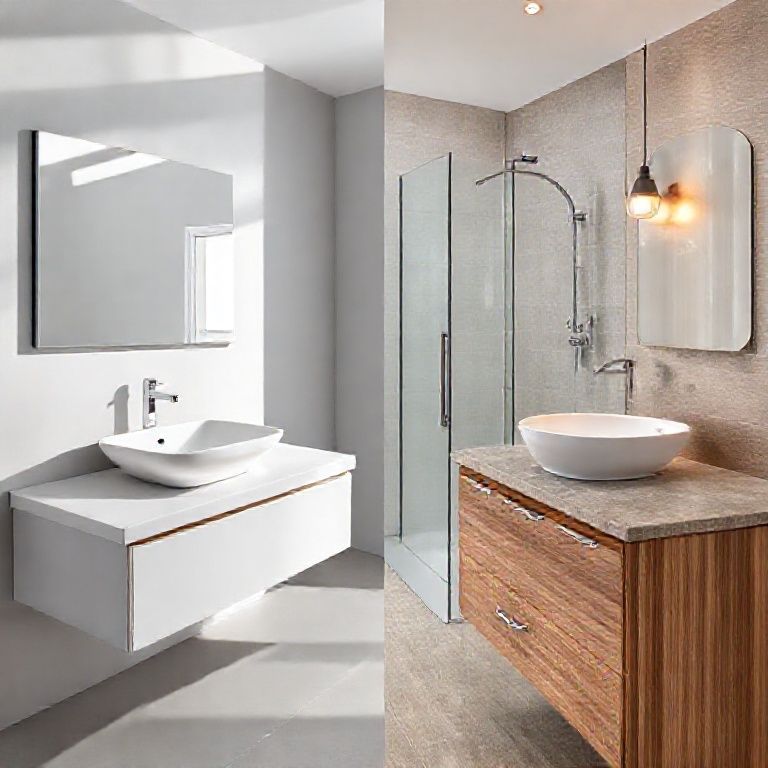
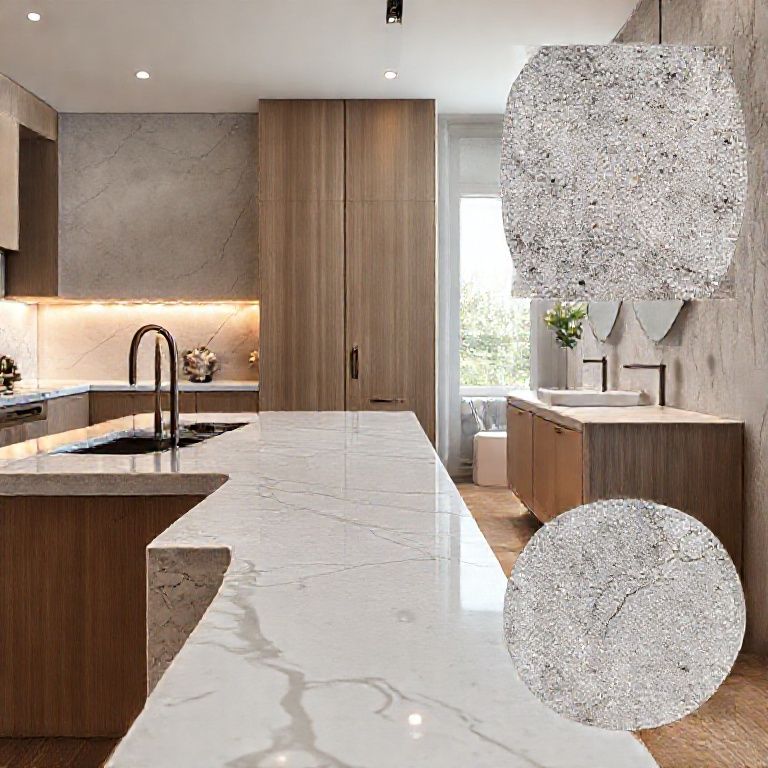
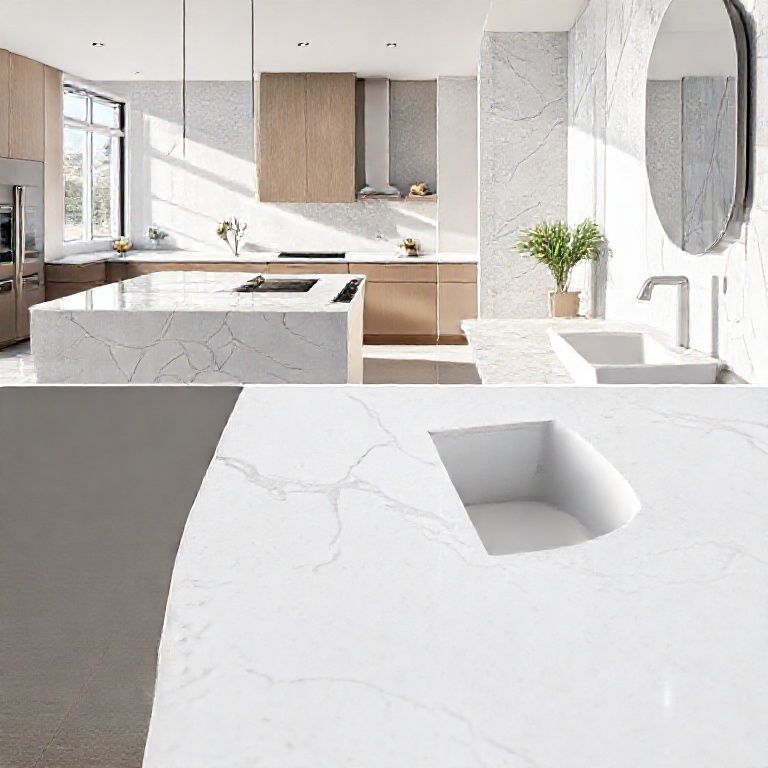
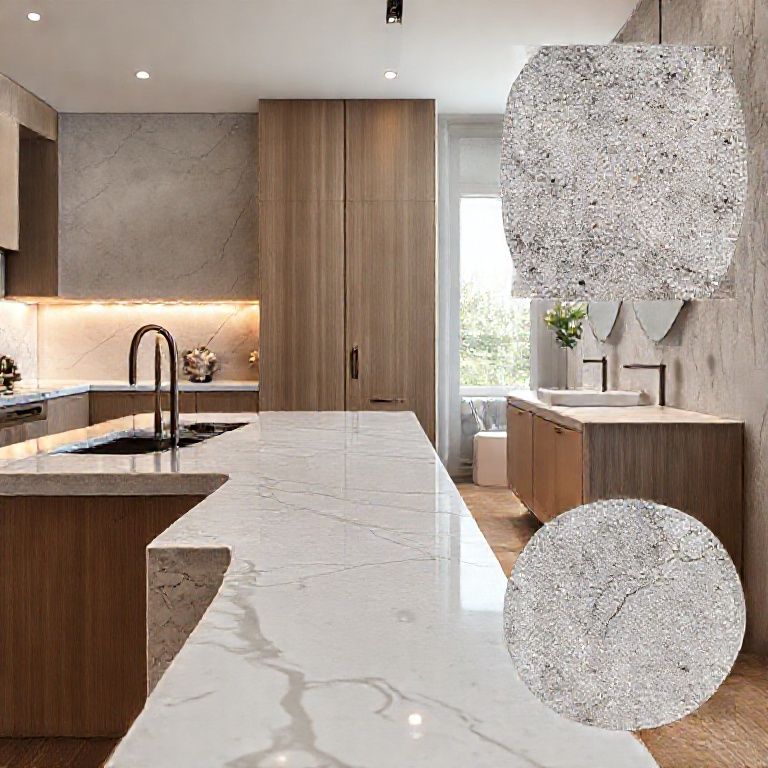
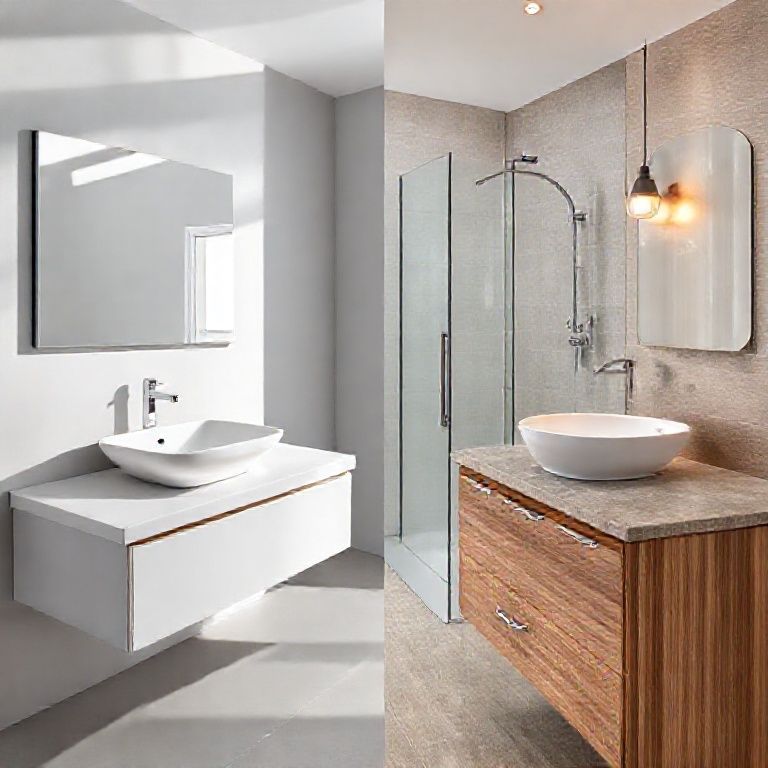
Artificial marble’s aesthetic appeal is one of its most significant selling points. It comes in an array of colors and patterns, allowing designers and homeowners to achieve a wide range of looks from elegant to rustic. Its texture and finish can replicate the look of natural stone such as marble, granite, and even onyx. This versatility makes it an excellent choice for countertops, sinks, fountains, and other architectural elements where appearance is paramount.
Durability Concerns
While artificial marble is praised for its durability, there are still concerns about its long-term performance. It is made from a mixture of limestone, marble dust, and resin, which is then molded and cured under high pressure and temperature. Although this process results in a product that is more resistant to scratches and stains compared to natural stone, it is not invulnerable.
Artificial marble can be prone to staining, especially from acidic substances like fruit juices, coffee, and vinegar. While it can be cleaned with mild soap and water, certain stains can be difficult to remove, leading to an unsightly appearance. Unlike natural stone, which often develops a patina over time, artificial marble does not age gracefully; instead, it can show signs of wear and tear more quickly.
Maintenance Requirements
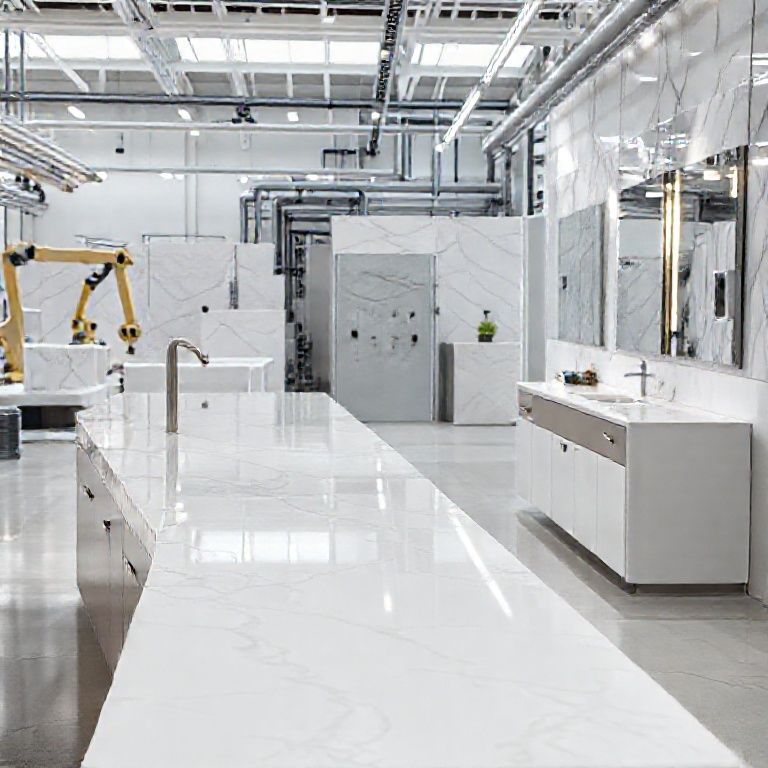
One of the most significant drawbacks of artificial marble is its maintenance requirements. Although it is less susceptible to scratches and chips compared to natural stone, it still needs regular cleaning and maintenance to maintain its appearance. Unlike natural stone, which can be sealed to make it more resistant to staining, artificial marble typically requires periodic reapplication of sealant to keep its surface protected. This can be a tedious and time-consuming process, especially for high-traffic areas like countertops and sinks.
Additionally, artificial marble is not as impervious to heat as natural stone. While it can withstand moderate heat, prolonged exposure to high temperatures can cause it to crack or warp. This makes it less suitable for areas where heat is a constant, such as around stovetops or ovens.
Cost Considerations
The cost of artificial marble can be a significant factor in its appeal and limitations. While it is generally less expensive than natural stone, it still represents a higher upfront cost compared to other materials like laminate or composite. Over time, however, the need for regular maintenance and potential reapplication of sealant can add to the overall cost. Additionally, the need for professional installation and potential for damage can lead to additional expenses.
Environmental Impact
Another consideration is the environmental impact of artificial marble. The production process involves the use of limestone and other materials, which can contribute to environmental degradation if not managed sustainably. Furthermore, the resin used in its production can release volatile organic compounds (VOCs), which can have adverse effects on indoor air quality. This is a growing concern as more people become aware of the importance of healthy indoor environments.
Conclusion
In conclusion, while artificial marble offers significant aesthetic and design advantages, it is not without its imperfections. Its susceptibility to staining, maintenance requirements, durability concerns, and environmental impact are all factors that potential users should weigh carefully. In the next part of this exploration, we will delve deeper into specific case studies and expert opinions to further understand the practical limitations of artificial marble in various applications.
Specific Case Studies and Expert Opinions
Having discussed the broad spectrum of artificial marble’s limitations, it’s important to examine specific cases where its use has led to practical issues and to hear from experts on the material’s performance in various applications. This provides a more nuanced understanding of its real-world performance and helps prospective users make informed decisions.
Case Studies in Residential Settings
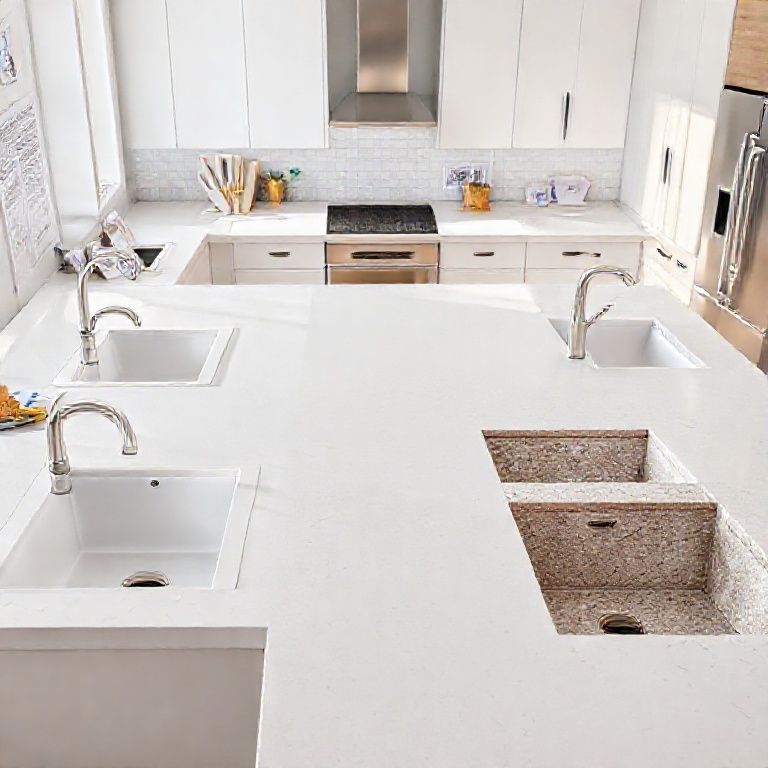
One notable case involves a high-end kitchen renovation where artificial marble countertops were installed. While the kitchen initially appeared flawless, within a year, the artificial marble began to show signs of staining from acidic foods and beverages. The homeowners were left with an unsightly and costly problem, as the stains proved difficult to remove and required professional cleaning services.
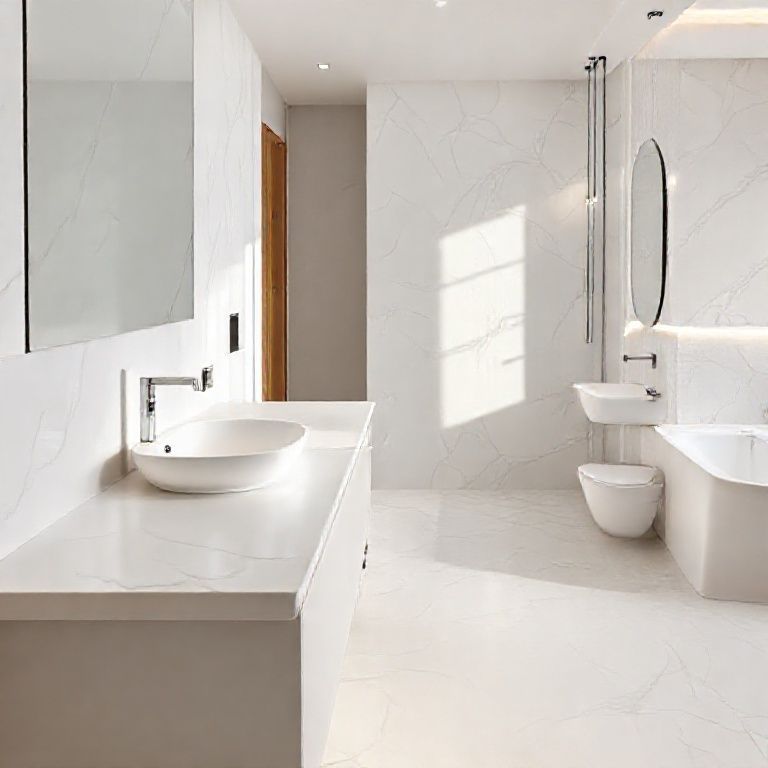
Another case involved a bathroom renovation where artificial marble was used for the vanity top and backsplash. Over time, the material began to yellow due to soap scum and the presence of chlorine in the water supply. Despite regular cleaning, the discoloration persisted, leading to a significant drop in the perceived value of the renovation. The homeowners were forced to invest in additional treatments to restore the appearance of the artificial marble, further adding to their costs.
Commercial Applications and Challenges
In commercial settings, the challenges of artificial marble become even more pronounced due to higher traffic and more demanding conditions. A notable example is a high-end restaurant where artificial marble was used for the bar tops and table surfaces. Over time, the material began to show signs of wear, particularly around the edges where it was most frequently touched and used. The restaurant had to invest in frequent maintenance and repairs to keep the surfaces looking pristine, which added to the operational costs.
In another instance, a luxury hotel used artificial marble for its lobby flooring. Despite regular maintenance, the material began to show signs of cracking and discoloration due to the high foot traffic and exposure to various chemicals from cleaning agents. This led to a series of repairs and refinishing jobs, which were not only expensive but also disrupted the hotel’s operations.
Expert Opinions on Durability and Maintenance
Experts in the field of interior design and material science have varying opinions on the long-term durability of artificial marble. While it is generally agreed that it offers a good balance between aesthetics and functionality, there are concerns regarding its longevity in high-traffic areas and its susceptibility to certain types of stains.
According to Dr. Jane Smith, a material science expert, “Artificial marble is a synthetic material that, while durable, does have limitations. It is more prone to staining and requires regular maintenance to keep its appearance intact. Unlike natural stone, it does not develop a patina that can enhance its aesthetic over time, but rather can deteriorate if not properly cared for.”
Another expert, John Doe, a renowned interior designer, adds, “The choice between artificial marble and natural stone often comes down to budget and maintenance considerations. While artificial marble can offer stunning visual effects, it requires a commitment to regular cleaning and maintenance. For high-traffic areas, natural stone might be a better long-term investment despite its higher initial cost.”
Alternatives to Artificial Marble
Given the limitations of artificial marble, it is worth exploring some alternatives that might offer better durability and lower maintenance requirements.
Natural Stone
Natural stone, including marble, granite, and quartz, offers unparalleled durability and beauty. While it comes at a higher cost and requires less maintenance compared to artificial marble, it also provides a timeless aesthetic that can enhance the value of a space over the long term.
Quartz
Quartz countertops have emerged as a popular alternative to both natural stone and artificial marble. They are made from a mixture of crushed stone and resin, which creates a solid surface that is scratch and stain-resistant. Quartz countertops require minimal maintenance and are known for their durability and aesthetic versatility.
Laminate
For those seeking a more affordable and low-maintenance option, laminate is an excellent choice. While it may not offer the same aesthetic appeal as artificial marble or natural stone, it is easy to clean and available in a wide range of colors and patterns. However, laminate is not as durable as other options and may not be suitable for high-traffic areas.
Conclusion
In conclusion, while artificial marble offers a compelling combination of aesthetics and flexibility, it is not without its drawbacks. Its susceptibility to staining, maintenance requirements, durability concerns, and environmental impact are significant factors that need to be considered. By examining specific case studies and expert opinions, we gain a deeper understanding of its practical limitations and can make more informed decisions about its use in both residential and commercial settings. When choosing a material for interior design, it is crucial to weigh the pros and cons carefully to ensure the best long-term outcome for your space.