
In the grand theater of bathroom design, the vanity unit often takes center stage, commanding attention with its cabinetry and countertop. Yet, nestled within this focal point lies a crucial component, an element that bridges the gap between form and function: the integrated basin. This seamless fusion of sink and countertop has become a darling of modern interior design, offering a sleek, uncluttered aesthetic that appeals to those seeking a minimalist and streamlined bathroom. But as with many design choices, a fundamental question arises: when it comes to integrated basins, is plastic or ceramic the superior material? This isn’t merely a superficial query; it delves into the very soul of your bathroom’s practicality, durability, and enduring beauty.
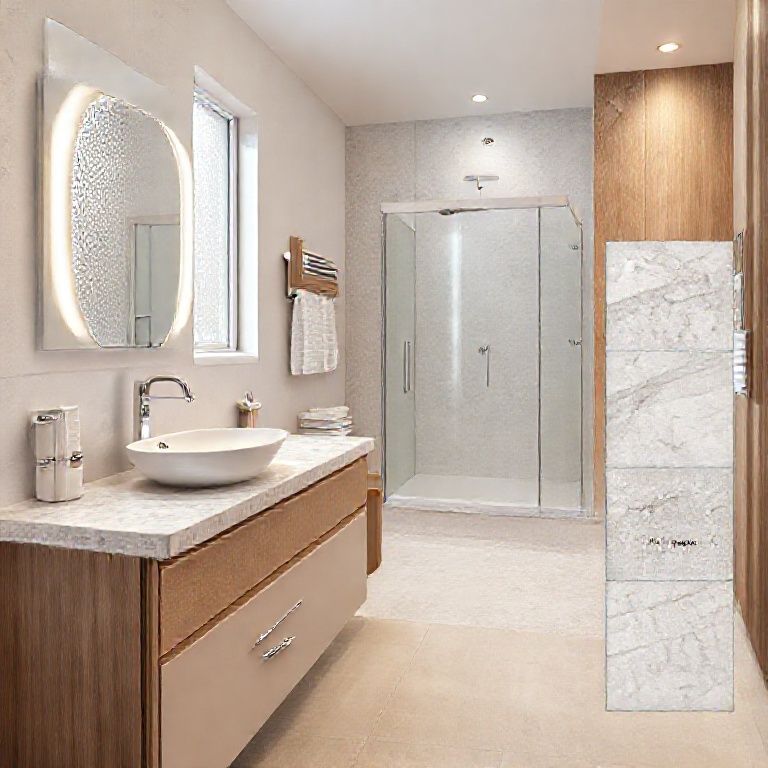
The allure of an integrated basin lies in its harmonious appearance. Unlike traditional drop-in or under-mount sinks that create distinct lines and edges, integrated basins present a continuous surface. This unbroken expanse, crafted from a single material, lends an air of sophistication and spaciousness to any bathroom, regardless of its size. It minimizes crevices where grime and water can accumulate, simplifying cleaning and contributing to a more hygienic environment. However, the material from which this seamless beauty is formed dictates its performance and longevity.
Let’s begin by exploring the world of ceramic integrated basins. For centuries, ceramic has been the undisputed champion of bathroom fixtures. Its rich history is a testament to its inherent qualities: exceptional durability, resistance to stains and scratches, and a timeless aesthetic that never goes out of fashion. When sculpted into an integrated basin, ceramic offers a substantial and reassuring feel. The surface is typically smooth, cool to the touch, and possesses a subtle sheen that can elevate the perceived value of your bathroom.
The manufacturing process for ceramic basins involves high-temperature firing, resulting in a dense, non-porous material that is incredibly resilient. This makes ceramic integrated basins highly resistant to common bathroom aggressors like toothpaste, cosmetics, and cleaning agents. Even the most stubborn stains are often no match for its impervious surface. Furthermore, ceramic’s inherent hardness means it can withstand the daily rigors of bathroom use, including accidental bumps from toiletries or dropped items, without succumbing to scratches or chips. This durability translates into a long-term investment, a basin that will likely serve your household for decades to come.
The aesthetic versatility of ceramic is another significant advantage. While white remains a classic and ever-popular choice, ceramic can be glazed in a vast array of colors, allowing for greater design flexibility. This means you can find a ceramic integrated basin that perfectly complements your chosen color scheme, whether you’re aiming for a serene spa-like retreat or a bold, contemporary statement. The smooth, refined finish of ceramic also contributes to a sense of luxury, transforming a utilitarian space into a personal sanctuary.
However, ceramic is not without its considerations. Its inherent strength also means it can be heavy, which might influence installation logistics and costs. While highly durable, ceramic is not indestructible. A particularly forceful impact from a heavy, sharp object could, in rare instances, lead to chipping or cracking. Repairs to ceramic can also be more complex and costly than those for some other materials, often requiring professional intervention. Despite these points, the overwhelming majority of ceramic integrated basins stand the test of time, proving their worth through unwavering performance and enduring elegance.
Now, let’s pivot to the contemporary contender: plastic integrated basins. The term “plastic” might conjure images of flimsy, temporary fixtures, but in the realm of modern bathroom design, advanced composite materials have transformed the possibilities. These are not your grandmother’s plastic buckets; rather, they are engineered polymers, often reinforced, designed to offer a compelling blend of aesthetics, functionality, and affordability.
One of the most significant advantages of plastic integrated basins is their lightweight nature. This can considerably simplify the installation process, potentially reducing labor costs and making them a more accessible option for DIY enthusiasts. Their lighter weight also makes them less likely to put undue stress on cabinetry or wall structures, which can be a crucial factor in older or less robust bathroom renovations.
Aesthetically, modern plastic integrated basins have come a long way. Manufacturers have developed techniques to mimic the appearance of other materials, including the smooth, seamless look of ceramic. They can be molded into a wide variety of shapes and sizes, offering a high degree of design freedom. The non-porous nature of many plastic composites means they are inherently resistant to water and stains, making them relatively easy to clean. Furthermore, their lighter weight and flexibility can offer a slight advantage in terms of impact resistance, potentially absorbing minor bumps without chipping or cracking.
The affordability of plastic integrated basins is often a major draw. Compared to their ceramic counterparts, they typically come with a lower price tag, making them an attractive option for budget-conscious homeowners or for use in high-traffic areas where wear and tear might be a greater concern. This cost-effectiveness allows for more flexibility in other areas of bathroom design or renovation.
However, the durability and long-term aesthetic appeal of plastic integrated basins are subjects that warrant careful consideration. While advanced composites are robust, they may not possess the same degree of scratch and abrasion resistance as fired ceramic. Over time, repeated exposure to abrasive cleaning products or rough scrubbing could potentially dull the finish or introduce fine scratches. Similarly, while resistant to stains, very aggressive chemicals or prolonged exposure to certain dyes could, in some instances, lead to discoloration.
The perceived “quality” of plastic can also be a factor for some consumers. While visually appealing, the tactile experience might differ from the solid, substantial feel of ceramic. For those who prioritize a sense of luxury and enduring permanence, the material choice can significantly influence their perception of the bathroom’s overall quality. Furthermore, while some plastics are highly UV resistant, prolonged exposure to direct sunlight (though less common in bathrooms) can, in some formulations, lead to yellowing or degradation over extended periods.
Ultimately, the choice between a plastic and ceramic integrated basin is not a simple matter of one being definitively “better” than the other. It’s a nuanced decision that hinges on your individual priorities, budget, and aesthetic vision for your bathroom. Both materials offer distinct advantages, and understanding these differences is key to making an informed choice that will bring you satisfaction for years to come.
Continuing our exploration into the integrated basin conundrum, we’ve delved into the fundamental characteristics of ceramic and plastic. Now, let’s move beyond the initial impressions and examine the practicalities of living with these materials, focusing on maintenance, longevity, and the crucial aspect of cost, all while keeping an eye on the ever-evolving landscape of bathroom design and the visual appeal that integrated basins bring.
When it comes to maintenance, both ceramic and plastic integrated basins generally offer a user-friendly experience, a hallmark of their design. The very essence of an integrated basin is its seamless surface, which inherently reduces the nooks and crannies where dirt and mildew love to hide. This means less time spent with toothbrushes and cotton swabs trying to dislodge stubborn grime.
Ceramic integrated basins, with their dense, non-porous surface, are remarkably easy to clean. A simple wipe-down with a damp cloth and mild soap is usually sufficient for daily upkeep. For more stubborn marks, a non-abrasive cleaner can be used without fear of damaging the glaze. The material’s inherent resistance to staining means that accidental spills of makeup, hair dye, or other colored substances are less likely to leave a permanent mark. The smooth, glossy finish of ceramic also makes it naturally resistant to bacterial growth, contributing to a more hygienic environment. While incredibly durable, it’s wise to avoid using harsh abrasive cleaners or steel wool, as these could, over time, dull the surface or create micro-scratches, diminishing its pristine appearance. The beauty of ceramic is its resilience, but a little gentle care will ensure it remains a stunning feature for decades.
Plastic integrated basins, particularly those made from advanced composites, also boast excellent ease of maintenance. Their non-porous nature means they repel water and are resistant to most common bathroom chemicals. A quick spray and wipe are usually all that’s needed to keep them looking fresh. The flexibility of some plastic materials can also mean they are more forgiving of accidental bumps and knocks, potentially reducing the likelihood of chips or cracks that could harbor dirt. However, it’s important to be mindful of the type of cleaning products used. While resistant to many chemicals, prolonged exposure to very strong solvents or abrasive scouring pads could potentially affect the finish or even the structural integrity of the plastic over time. Always check the manufacturer’s recommendations for specific cleaning agents to preserve the basin’s appearance and performance.
The longevity of an integrated basin is, of course, a significant factor in its overall value. Here, ceramic often holds a slight edge in terms of perceived and actual long-term durability and aesthetic preservation. A well-maintained ceramic integrated basin can easily last a lifetime, often outliving the trends that dictate other bathroom elements. Its resistance to scratches, stains, and chemical degradation means it will likely retain its original luster and structural integrity for many years. This makes it an excellent choice for homeowners who are looking for a “fit and forget” solution, a fixture that requires minimal worry about its future appearance.
Plastic integrated basins, while offering good durability, may have a shorter lifespan in terms of aesthetic appeal compared to ceramic. While the underlying structure can remain sound, the surface finish might show signs of wear and tear sooner. This could manifest as slight dulling of the sheen, minor surface scratches, or even subtle discoloration in some formulations over many years of use. This isn’t to say plastic basins are not durable; they are certainly robust enough for typical household use. However, if your priority is a fixture that maintains its “like new” appearance for an extended period, ceramic might be the more suitable choice. The lifespan of a plastic basin can also be influenced by the quality of the specific composite material used, with higher-end options offering greater resilience.
Now, let’s talk about the elephant in the room: cost. This is often where the decision-making process truly solidifies. Generally speaking, plastic integrated basins tend to be more budget-friendly than their ceramic counterparts. This cost difference can be substantial, making plastic an incredibly attractive option for those with tighter budgets or for large-scale renovations where every penny counts. The lower material cost, coupled with potentially simpler installation due to their lighter weight, can lead to significant overall savings. This allows homeowners to allocate their budget towards other desired features, such as high-end faucets, premium tiling, or innovative lighting solutions.
Ceramic integrated basins, while generally more expensive upfront, often represent a long-term investment. Their superior longevity and enduring aesthetic appeal can justify the higher initial cost for many. When you factor in the potential need for replacement or more extensive repairs over the very long term, the cost difference between a ceramic and a plastic basin might narrow considerably. For those who value timeless quality and are planning to stay in their home for many years, the premium price of ceramic can be seen as an investment in enduring style and enduring value.
The visual aspect of integrated basins, regardless of material, is undeniably their strongest selling point. They contribute to a clean, modern, and sophisticated bathroom environment. The uninterrupted surface creates a sense of spaciousness, making even smaller bathrooms feel more open and airy. This seamless design is particularly well-suited to contemporary and minimalist aesthetics, where clean lines and uncluttered surfaces are paramount. When selecting an integrated basin, consider the overall style of your bathroom. If you’re aiming for a sleek, minimalist look, the seamless nature of an integrated basin, regardless of material, will serve you well.
The choice between plastic and ceramic for your integrated basin boils down to a careful balancing act of priorities. If your primary concerns are budget, ease of installation, and good everyday functionality, a high-quality plastic integrated basin is an excellent and increasingly popular choice. They offer a modern aesthetic without breaking the bank. If, however, your heart is set on unparalleled longevity, a timeless and luxurious feel, and a surface that will resist the ravages of time with minimal fuss, ceramic remains the gold standard.
Ultimately, the “best” material is the one that best aligns with your lifestyle, your design aspirations, and your financial plan. Both plastic and ceramic integrated basins have evolved significantly, offering compelling solutions for the modern bathroom. By understanding their individual strengths and weaknesses, you can confidently choose the integrated basin that will not only serve your needs but also enhance the beauty and functionality of your personal sanctuary for years to come. The images you might be searching for will undoubtedly showcase a spectrum of designs, from the ultra-modern to the subtly traditional, all highlighting the elegance that an integrated basin can bring.









