
The modern home is a canvas for personal expression, and nowhere is this more evident than in the bathroom and kitchen. These spaces, once purely utilitarian, have evolved into sanctuaries of style and functionality. Central to their design, and often overlooked in its importance, is the basin. The humble sink, in its integrated form, has become a focal point, seamlessly blending countertop and basin to create a sleek, minimalist aesthetic. This integration, however, brings forth a fundamental question that often perplexes homeowners and designers alike: when it comes to integrated basins, is plastic or ceramic the superior choice? This isn’t just a question of material; it’s a deep dive into aesthetics, durability, maintenance, and ultimately, the long-term value that each material brings to your living space.
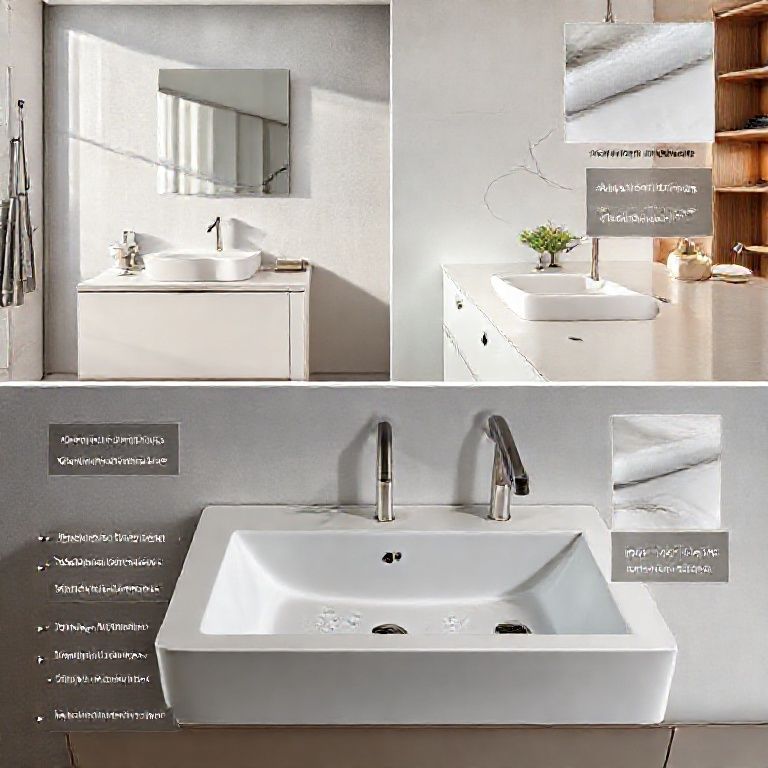
Let’s begin by dissecting the allure of ceramic. For centuries, ceramic has been the undisputed champion of basins, a testament to its timeless elegance and inherent robustness. Its smooth, cool surface, often finished with a lustrous glaze, evokes a sense of luxury and sophistication. Imagine the gleam of a pristine white ceramic basin in a spa-like bathroom, or the understated charm of a subtly colored ceramic sink in a chic kitchen. Ceramic possesses a natural heft and solidity that plastic simply cannot replicate. This weight contributes to a feeling of permanence and quality, a substance that feels grounded and reliable.
Beyond its aesthetic appeal, ceramic boasts remarkable durability. It’s resistant to scratching, staining, and the corrosive effects of most household chemicals, making it a practical choice for high-traffic areas. Think about the daily grind of a busy kitchen sink – the chopping, the washing, the occasional dropped utensil. A ceramic sink can withstand these onslaughts with grace, retaining its pristine appearance for years, even decades, with proper care. Its non-porous nature means that it doesn’t harbor bacteria or odors, contributing to a more hygienic environment. Cleaning is typically straightforward; a gentle scrub with soap and water is often all that’s needed to restore its shine.
However, ceramic is not without its vulnerabilities. While resistant to many forms of damage, it can be susceptible to chipping or cracking if subjected to a severe impact, such as a heavy object being dropped directly onto its surface. While repairs are possible, they can be challenging to execute seamlessly, and in some cases, replacement might be the only option to restore the basin’s aesthetic integrity. Furthermore, the manufacturing process for ceramic can be energy-intensive, and while modern techniques are improving, it’s a consideration for the environmentally conscious consumer. The initial cost of a high-quality ceramic integrated basin can also be a significant investment, although its longevity often justifies the expense over time.
Now, let’s turn our attention to the contemporary contender: plastic. The term “plastic” itself can evoke a range of associations, from cheap and disposable to innovative and adaptable. In the realm of integrated basins, modern plastics, such as solid surface materials (like Corian, which is often a blend of acrylic polymer and alumina trihydrate) or high-quality acrylic resins, offer a compelling alternative to ceramic. These materials are engineered for performance and flexibility, presenting a different, yet equally valid, set of advantages.
One of the most striking benefits of plastic integrated basins is their design versatility. Unlike ceramic, which is molded and fired, these plastic-based materials can be thermoformed, allowing for a much wider array of shapes, sizes, and seamless integrations with countertops. This means you can achieve truly bespoke designs, from dramatic waterfall edges to intricately sculpted forms. The ability to achieve virtually seamless transitions between the basin and the countertop is a hallmark of plastic integrated basins, creating an uninterrupted surface that is both visually appealing and exceptionally easy to clean. The absence of grout lines or caulking eliminates potential breeding grounds for mold and mildew, making these basins inherently more hygienic.
Furthermore, plastic integrated basins are generally lighter than their ceramic counterparts, which can simplify installation and potentially reduce structural requirements in some cases. They are also remarkably resilient to impact. While not entirely impervious to damage, they are far less prone to chipping or cracking from accidental drops than ceramic. Minor scratches can often be buffed out or repaired with specialized kits, making them a forgiving material for everyday use. The cost-effectiveness of plastic integrated basins is another significant draw. While high-end solid surface materials can command a premium, many acrylic-based options are considerably more affordable than comparable ceramic units, making them an attractive option for budget-conscious renovations or rental properties. The manufacturing processes for these materials are also often less energy-intensive than ceramic production, aligning with a growing demand for sustainable building practices.
However, the perceived durability of plastic can sometimes be a point of contention. While modern plastics are advanced, they can be more susceptible to scratching from abrasive cleaners or sharp objects compared to ceramic. Prolonged exposure to high-heat items, such as boiling pots placed directly into the sink, can also cause discoloration or warping in some plastic materials, though this is less of a concern with high-performance solid surfaces. Another consideration is the aesthetic. While the seamless integration and modern forms are undeniable positives, some may find that the “warmth” or perceived luxury of natural ceramic is unparalleled. The sheen of plastic can sometimes appear less refined than the deep, rich luster of a well-fired ceramic glaze, depending on the specific material and finish. Maintenance, while generally easy, may require slightly different approaches depending on the specific plastic composite. Some materials might benefit from specific non-abrasive cleaners to maintain their original luster over time.
The choice between an integrated ceramic basin and its plastic counterpart hinges on a careful evaluation of your priorities. If your heart yearns for a timeless aesthetic, a sense of inherent luxury, and a material that has proven its mettle over generations, ceramic is likely to be your preferred choice. Its cool, smooth surface and substantial feel speak of quality and endurance. The slight risk of chipping or cracking is a trade-off many are willing to make for the undeniable elegance and the peace of mind that comes with a material that has graced bathrooms and kitchens for centuries. Ceramic’s resistance to heat and staining makes it a workhorse, capable of handling the demands of daily life without complaint. For those who appreciate the classic beauty of natural materials and are willing to invest in a piece that will likely outlast many other elements in their home, ceramic offers an unparalleled proposition.
Consider the context of your design. In a traditionally inspired bathroom, a beautifully glazed ceramic integrated basin can anchor the space with an air of understated opulence. In a classic farmhouse kitchen, its clean lines and robust nature complement the rustic charm perfectly. While its design flexibility is somewhat limited compared to plastic, the inherent beauty of ceramic’s form and finish often transcends the need for elaborate shapes. The maintenance, while straightforward, does demand a certain respect for the material – avoiding harsh abrasives is key to preserving its lustrous finish. The initial investment might be higher, but the longevity and the enduring appeal of ceramic often translate into a superior long-term value proposition. It’s a material that ages gracefully, developing a patina of use rather than showing signs of wear and tear.
On the other hand, if your design ethos leans towards the modern, the minimalist, and the highly customizable, plastic integrated basins, particularly those crafted from advanced solid surface materials, offer a compelling and practical solution. The ability to achieve truly seamless integrations, where the basin and countertop become one monolithic entity, is a significant design advantage. This not only looks incredibly sleek but also significantly simplifies cleaning and enhances hygiene. The virtually non-existent grout lines mean no more struggling with mold and mildew in those awkward crevices. The design freedom afforded by plastic materials is exceptional. You can explore unconventional shapes, dramatic curves, and integrated features that simply aren’t feasible with ceramic.
The resilience of plastic to impact is another strong point in its favor, especially in busy family kitchens or bathrooms where accidents are more prone to happen. While ceramic might chip or crack from a dropped pot, a plastic basin is far more likely to absorb the shock. Furthermore, the repairability of minor scratches and blemishes with specialized kits means that your basin can often be restored to its former glory, extending its lifespan and preserving its aesthetic appeal. For those who are budget-conscious or undertaking a large-scale renovation, the cost-effectiveness of many plastic integrated basin options can be a deciding factor. It allows for a modern, integrated look without necessarily breaking the bank.
When considering plastic, it’s important to look beyond the generic term and investigate the specific material. High-quality acrylics and solid surface composites offer excellent performance and durability. They are also generally lighter, which can simplify installation. However, it’s wise to be mindful of their limitations. While resistant to most stains, prolonged exposure to certain chemicals or extremely high heat might require caution. Understanding the manufacturer’s recommendations for cleaning and maintenance is crucial to ensuring the longevity of the material. The aesthetic appeal of plastic is subjective. While the sleekness and seamlessness are undeniable, some may find it lacks the natural warmth and perceived luxury of ceramic. The surface can sometimes feel less substantial, though this is often dependent on the quality of the material and the finish.
Ultimately, the “better” choice is entirely subjective and depends on your individual needs and preferences. If you prioritize timeless elegance, a sense of classic luxury, and a material with a long-standing reputation for durability, ceramic is a superb option. It’s a material that exudes sophistication and withstands the test of time with quiet dignity. If, however, you are drawn to contemporary design, seamless aesthetics, unparalleled design flexibility, and a material that is forgiving of everyday mishaps, then a high-quality plastic integrated basin is likely to be your ideal choice. It offers modern functionality, a sleek minimalist look, and remarkable adaptability to suit your unique vision.
The decision process should involve a tactile exploration if possible. Feeling the weight and coolness of ceramic, and the smooth, perhaps slightly warmer, surface of a plastic composite, can provide invaluable insights. Consider the overall style of your home. A high-gloss, minimalist kitchen might be perfectly complemented by a seamless white solid surface basin, while a more traditional bathroom might feel incomplete without the reassuring presence of a beautifully glazed ceramic unit. Think about your lifestyle. Are you someone who embraces a minimalist approach to cleaning, or do you have young children whose culinary experiments might lead to unintended impacts on your sink? The answers to these questions will guide you towards the material that will not only look good but also function optimally for years to come, seamlessly integrated into the heart of your home.









