
The heart of any home often beats strongest in the kitchen. It’s where culinary creations come to life, where stories are shared over steaming mugs, and where memories are forged in the aroma of baking. And at the center of this vibrant hub, demanding both functionality and flair, lies the countertop. Choosing the right countertop material is a decision that impacts not just the aesthetics of your kitchen but also its day-to-day usability. Today, we’re diving deep into a classic debate: Corian solid surface versus ceramic. Both have carved out significant niches in the design world, each boasting a unique set of characteristics. But which one is the champion for your culinary kingdom?

Let’s begin our exploration with Corian, a material that has become almost synonymous with modern kitchen design. Developed by DuPont, Corian is a brand of solid surface material, essentially a blend of acrylic polymer and alumina trihydrate (derived from bauxite ore). This unique composition gives it a non-porous, homogeneous structure that translates into a host of practical benefits.
One of Corian’s most celebrated attributes is its seamlessness. Because it’s a solid material that can be cut and shaped, it can be fabricated with invisible seams. This means you can have an expansive countertop that looks like a single, continuous piece, free from grout lines or unsightly joints. This not only contributes to a sleek, minimalist aesthetic but also significantly enhances hygiene. With no pores or crevices for bacteria, mold, or mildew to hide, Corian is incredibly easy to clean and maintain. A simple wipe-down with soap and water is usually all it takes to keep it looking pristine. This non-porous nature also means it’s resistant to staining from common kitchen culprits like coffee, wine, and fruit juice. Spills tend to bead up on the surface, giving you ample time to clean them before they have a chance to penetrate.
Furthermore, Corian’s repairability is a significant selling point. Unlike natural stone or laminate, minor scratches, chips, or even burn marks can often be sanded out and buffed, restoring the surface to its original glory. This ability to be renewed makes it a long-term investment that can withstand the rigors of daily kitchen life. The aesthetic versatility of Corian is another compelling factor. It comes in an astonishing array of colors and patterns, from subtle, natural-looking marbles and granites to bold, vibrant hues and even translucent options that can be illuminated from behind, creating a truly unique focal point. This broad spectrum of choices allows designers and homeowners to achieve virtually any look they desire, seamlessly integrating the countertops with the overall kitchen theme.
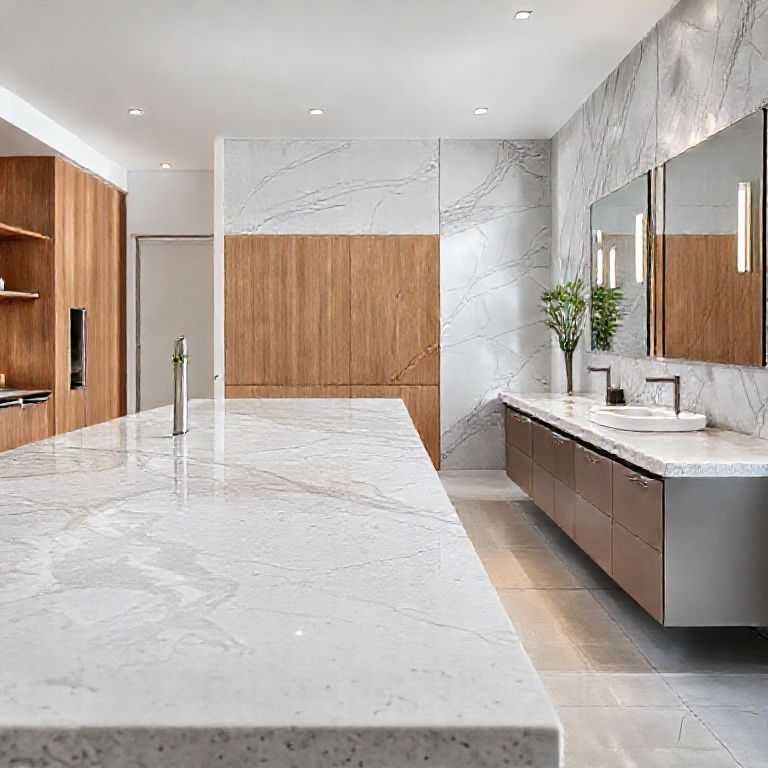
However, Corian isn’t without its limitations. While durable, it is susceptible to scratching and chipping if subjected to excessive force or sharp objects. It’s also not entirely heat-resistant. Placing very hot pots and pans directly on the surface can lead to scorching or discoloration. Therefore, using trivets and cutting boards is a must to protect your investment. The cost of Corian can also be a consideration. While generally more affordable than high-end natural stones like granite or quartz, it typically comes with a higher price tag than laminate or some ceramic options. Installation is also best left to professionals, as proper fabrication and fitting are crucial to achieving those seamless, durable results.
Now, let’s pivot to the timeless allure of ceramic. Ceramic, in the context of countertops, often refers to porcelain or glazed ceramic tiles. These materials have a long history in both functional and decorative applications, and for good reason. Ceramic tiles offer a classic, often sophisticated, aesthetic that can lend an air of enduring elegance to a kitchen.
One of the standout benefits of ceramic countertops is their exceptional durability and resistance to wear and tear. Glazed ceramic, in particular, is incredibly hard and dense, making it highly resistant to scratching and chipping. The glaze itself provides a protective barrier that is also non-porous, meaning it won’t absorb liquids or harbor bacteria. This makes ceramic a hygienic choice for food preparation.
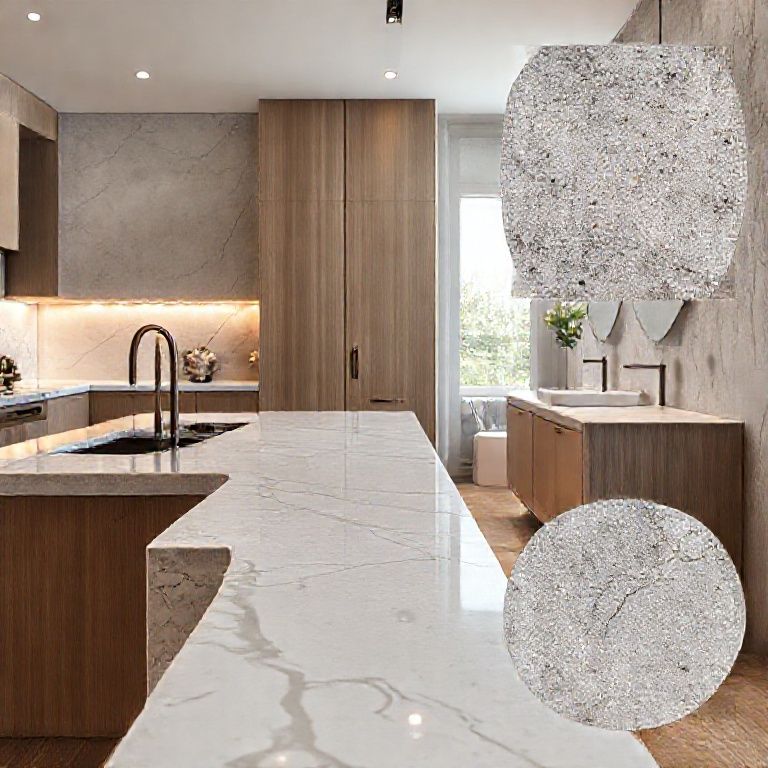
When it comes to heat resistance, ceramic generally outperforms Corian. It can withstand higher temperatures without showing damage, making it a more forgiving material for those moments when a trivet is momentarily forgotten. Cleaning ceramic is also straightforward. For glazed varieties, a simple wipe with a damp cloth and mild detergent is usually sufficient. The grout lines, however, are a different story. While advancements in grout technology have made them more stain-resistant and durable, they can still be a potential weak point for harboring dirt and grime, and may require more diligent cleaning and occasional sealing.
The aesthetic possibilities with ceramic are also vast, though they manifest differently than with Corian. Ceramic tiles come in a dizzying array of colors, sizes, shapes, and finishes. You can opt for the classic subway tile look, explore large-format slabs that mimic natural stone, or embrace intricate mosaic patterns. This allows for a high degree of customization and the creation of unique, personalized designs. The cost of ceramic can also be more variable. Basic ceramic tiles can be quite affordable, while high-end porcelain or designer options can command a premium price. Installation can also range from a DIY-friendly project for simpler tile layouts to a professional job for more complex designs or larger format tiles.
However, the very nature of ceramic as a tiled surface introduces potential drawbacks. The grout lines, as mentioned, can be a maintenance challenge and a point where moisture can potentially seep in if not properly sealed. While the tiles themselves are robust, a particularly hard impact directly on an edge or corner could potentially chip or crack a tile. Replacing a single damaged tile can be done, but matching the original color and finish perfectly can sometimes be tricky, especially if the tiles have been discontinued or have aged differently. The overall feel of a tiled countertop can also be less unified and “solid” compared to a seamless Corian surface, with the grout lines providing a distinct visual and tactile texture.
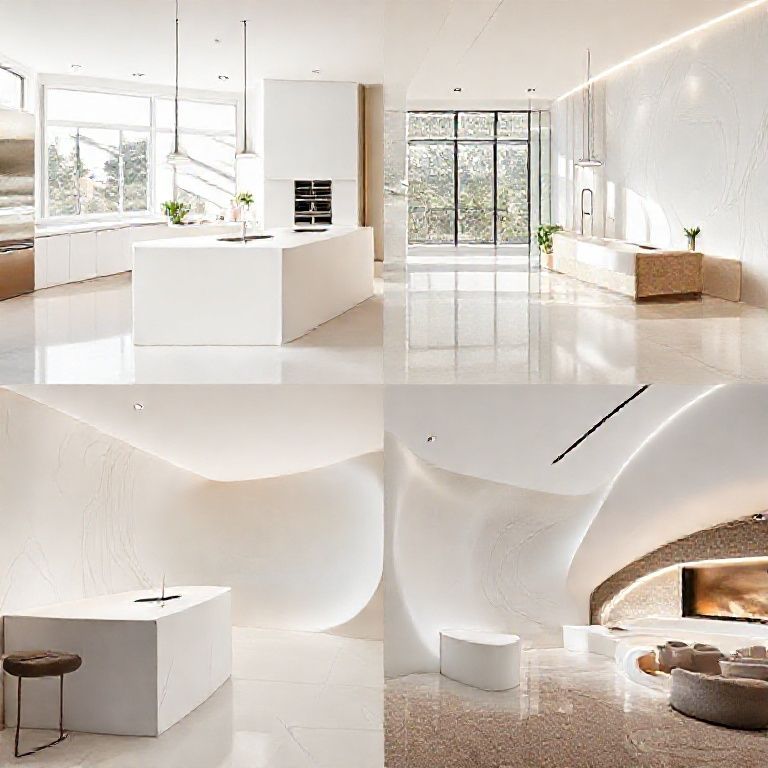
As we delve deeper into these materials, it becomes clear that the “better” choice isn’t a universal declaration but rather a personal equation. It hinges on your priorities, your lifestyle, and the specific vision you hold for your kitchen.
Continuing our deep dive into the world of kitchen countertops, the comparison between Corian solid surface and ceramic isn’t just about their inherent properties; it’s about how those properties translate into real-world kitchen performance and aesthetic integration. We’ve explored their individual strengths and weaknesses, and now it’s time to draw some more direct parallels, focusing on the critical aspects that homeowners consider when making this important decision.
Let’s talk about maintenance and cleaning. For Corian, the lack of seams is a superhero feature. Imagine a spill of bright red tomato sauce – a common kitchen hazard. On a Corian countertop, it’s likely to pool, giving you a good window to grab a sponge and wipe it away without a trace. The non-porous nature means the color isn’t going to seep into the material. Similarly, sticky residues from sugary drinks or greasy splatters from frying are easily managed. A soft cloth, warm water, and a mild, non-abrasive detergent are your best friends here. For tougher spots, a little baking soda paste can work wonders. The key is that you’re cleaning a uniform surface, making the entire process quick and efficient. The only caveat is avoiding abrasive cleaners or scouring pads, as these can dull the finish over time.
Ceramic, particularly glazed ceramic or porcelain, also offers excellent resistance to stains and is easy to wipe down. Coffee rings, wine spills – they generally sit on top of the glaze. However, the Achilles’ heel of ceramic countertops lies in its grout lines. While modern grouts are much improved, they are inherently more porous than the tile surface itself. This means that over time, especially with spills of colored liquids or oily substances, grout can absorb stains. Regular sealing of the grout can mitigate this significantly, but it adds another maintenance step to your routine. Cleaning the grout itself can also be more labor-intensive, often requiring a grout brush and specialized cleaners to get into those narrow crevices. If you opt for unglazed ceramic, the porosity issue becomes even more pronounced, making it far less ideal for a kitchen environment prone to spills.
Durability is another crucial battleground. Corian is tough, but it’s not indestructible. Its primary vulnerability is its susceptibility to scratching. If you’re in the habit of dragging heavy appliances across the counter, using your knife directly on the surface (which no one should ever do!), or frequently placing abrasive items on it, you will eventually see marks. However, the beauty of Corian is its inherent repairability. Those scratches can often be buffed out with fine-grit sandpaper and a polishing compound, bringing the surface back to its original luster. This is a significant advantage for homeowners who want a countertop that can look new for years, even with daily use. Chipping can also occur if a sharp, heavy object is dropped on an edge, but this is also often repairable by skilled fabricators.
Ceramic, on the other hand, boasts remarkable hardness and scratch resistance in its glazed form. It’s very difficult to scratch the surface of a quality ceramic or porcelain tile. This makes it a strong contender for busy kitchens where durability is paramount. However, while the tile itself is hard, it can be brittle. A direct, sharp impact on an edge or corner from a dropped cast-iron skillet, for instance, can cause a tile to chip or even crack. If this happens, replacing the tile is necessary. While possible, perfectly matching the original color and finish, especially after the surrounding tiles have aged or faded slightly, can be a challenge. Furthermore, the grout lines, while not prone to cracking, can be subject to wear and tear and may need re-grouting over time.
Now, let’s talk about aesthetics and design flexibility, a domain where both materials shine, but in different ways. Corian’s strength lies in its monolithic nature. The ability to create seamless, flowing countertops, integrated sinks, and backsplashes in virtually any shape or form opens up a world of design possibilities. The sheer breadth of colors and patterns is astonishing, allowing for bespoke designs that can be as subtle or as dramatic as you wish. From replicating the look of natural stone to vibrant, solid colors, Corian can adapt to almost any kitchen style, from ultra-modern to more traditional. The translucency option adds a unique dimension, allowing for creative lighting effects that can transform the mood of the kitchen.
Ceramic, with its tiled format, offers a different kind of design versatility. It excels in creating patterns, textures, and a sense of artisanal craftsmanship. You can play with different tile sizes, lay patterns (herringbone, subway, intricate mosaics), and grout colors to create a truly unique look. Large-format porcelain tiles can now mimic natural stone or wood with incredible realism, offering the beauty of these materials with enhanced durability and lower maintenance (except for the grout). The variety of finishes – matte, gloss, textured – further expands the creative palette. However, the presence of grout lines inherently breaks up the visual continuity. For those who prefer a seamless, expansive look, ceramic might not be the ideal choice.
Considering the financial aspect, the cost comparison can be complex. Corian, while not the most expensive countertop material, is generally a mid-to-high-end option. Its price includes the cost of fabrication and installation by certified professionals, which is essential for achieving its seamless, durable qualities. The ability to repair it can also contribute to its long-term value, potentially saving money on replacements down the line.
Ceramic tile countertops can range significantly in price. Basic ceramic tiles can be quite budget-friendly, making them an attractive option for those looking to refresh their kitchen on a tighter budget. However, as you move into high-quality porcelain, designer tiles, or intricate mosaic patterns, the cost can quickly escalate. The installation cost for ceramic can also vary. Simple tile layouts might be suitable for a skilled DIYer, saving on labor. However, complex designs or large-format tiles often require professional installation, which can add to the overall expense. The ongoing cost of grout sealing and potential grout replacement also needs to be factored in.
Ultimately, the choice between Corian solid surface and ceramic for your kitchen countertop boils down to a personal assessment of your priorities. If a seamless, highly hygienic surface that is easy to clean and repair, with extensive color customization, is at the top of your list, and you’re prepared for the investment and mindful of heat and scratch protection, Corian is a compelling contender. If exceptional scratch and heat resistance, a wide range of aesthetic styles through tiling, and potentially a lower initial cost for basic options are more important to you, and you’re willing to manage the maintenance of grout lines, then ceramic could be your perfect match. Both materials offer distinct advantages, and understanding these nuances is the first step towards creating a kitchen that is not only beautiful but also perfectly suited to your culinary adventures.









