Understanding Synthetic Stone Countertops and Their Repair Techniques
In today’s modern homes, synthetic stone countertops have become a popular choice for both kitchen and bathroom renovations. These countertops offer a blend of beauty, durability, and cost-effectiveness, making them a favored alternative to traditional materials like granite or marble. But what happens when a crack appears on a synthetic stone countertop? Can it be fixed, and if so, how long does the repair last?

The Composition of Synthetic Stone Countertops
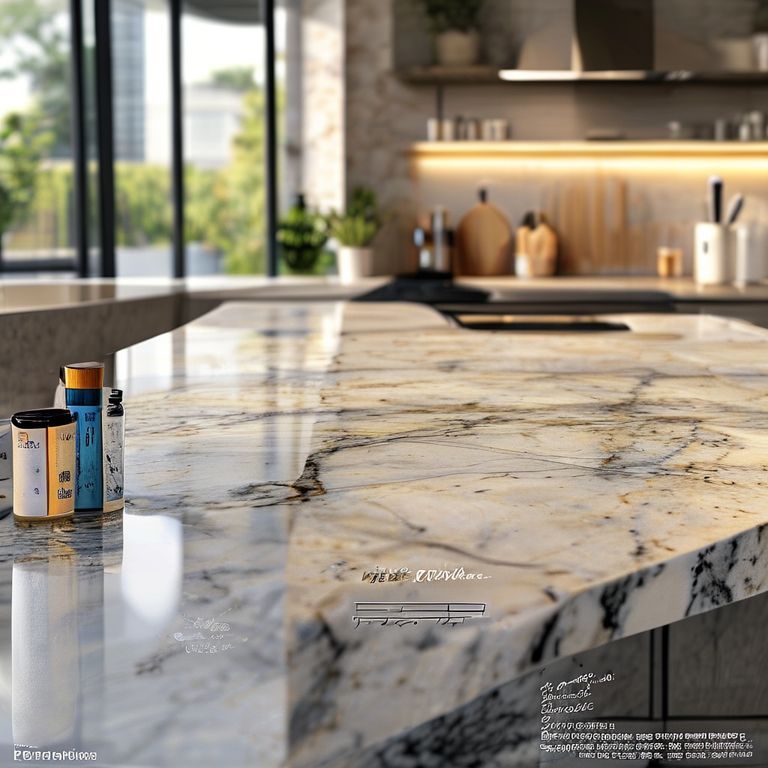
Synthetic stone, often referred to as quartz, is a composite material made from 93% natural stone aggregates and a resin binder. This mixture is meticulously crafted to mimic the appearance of natural stone while offering superior durability and resistance to scratches, stains, and heat. The result is a countertop that not only looks stunning but also withstands the rigors of everyday use.
Identifying Cracks in Synthetic Stone Countertops
Cracks in synthetic stone countertops are often caused by several factors including:
Impact Damage: Heavy objects falling onto the countertop or accidental impacts can cause cracks. Heat Damage: Sudden temperature changes, such as placing a hot pot or pan directly on the surface, can lead to thermal stress and cracks. Crevices and Wear: Over time, normal wear and tear can create small cracks or crevices in the surface.
Repair Techniques for Synthetic Stone Countertops
Repairing a crack in a synthetic stone countertop involves several steps:
Assessment: The first step is to assess the extent of the crack. A professional will determine whether the crack is superficial or if it runs deep into the material. Cleaning: The area around the crack is thoroughly cleaned to remove any debris or residue. Crack Filling: Using specialized resin and color-matched filler, the crack is filled. The filler is meticulously applied to ensure a seamless blend with the surrounding countertop. Polishing: Once the filler has cured, the surface is polished to restore the countertop’s smooth, flawless appearance.

Factors Affecting Repair Longevity
The longevity of a repair on a synthetic stone countertop depends on several factors:
Quality of Repair: The expertise of the technician performing the repair plays a crucial role. A well-executed repair using high-quality materials can last significantly longer than a poorly done one. Maintenance: Regular cleaning and proper care can prolong the life of the repair. Avoiding abrasive cleaners and using gentle, non-abrasive products helps maintain the surface. Environmental Factors: Exposure to extreme temperatures or harsh chemicals can impact the durability of the repair. Keeping the countertop away from direct heat sources and using appropriate cleaning products helps maintain the repair. Usage: The frequency and nature of use also influence the longevity of the repair. High-traffic areas may require more frequent maintenance and repairs.
Conclusion of Part 1
Understanding the intricacies of synthetic stone countertops and the repair techniques involved provides valuable insight into the longevity of these repairs. While a well-executed repair can offer lasting results, it’s essential to consider the quality of the repair, maintenance practices, environmental factors, and usage patterns to ensure the repair’s longevity.
Ensuring the Longevity of Repairs in Synthetic Stone Countertops
In the previous part, we explored the fundamentals of synthetic stone countertops and the repair techniques that can restore their beauty and functionality. Now, let’s dive deeper into the strategies and best practices to ensure that the repairs on these countertops last as long as possible.

The Role of Professional Repair Services
When it comes to repairing synthetic stone countertops, professional repair services are indispensable. These experts possess the skills and tools necessary to perform repairs that blend seamlessly with the original surface. Here’s why professional repair services are crucial:
Expertise: Professionals have the expertise to accurately assess the extent of the damage and execute repairs with precision. Quality Materials: They use high-quality resin and fillers that match the original color and texture of the countertop, ensuring a seamless repair. Technique: The repair technique used by professionals ensures that the repair is durable and long-lasting.
Maintenance Tips to Prolong Repair Lifespan
To maximize the longevity of a repair on a synthetic stone countertop, regular maintenance is key. Here are some best practices:

Cleaning: Use a soft cloth and a mild, non-abrasive cleaner to wipe down the countertop. Avoid harsh chemicals that can damage the surface and the repair. Avoiding Heat: Keep hot pots and pans away from the countertop to prevent thermal shock, which can cause new cracks or weaken existing repairs. Using Coasters and Trivets: Place coasters under drinks and trivets under hot dishes to protect the surface from heat damage. Regular Inspections: Regularly inspect the countertop for any signs of wear or new cracks. Early detection can prevent minor issues from becoming major problems.
Environmental Considerations
The environment in which a synthetic stone countertop is placed can significantly impact the longevity of repairs. Here’s how to manage environmental factors:
Temperature Control: Avoid placing the countertop in areas with extreme temperature fluctuations. Sudden changes in temperature can cause the material to expand and contract, leading to cracks. Avoiding Direct Sunlight: Prolonged exposure to direct sunlight can fade the color of the countertop. Using curtains or shades can help protect the surface from UV damage. Proper Ventilation: Ensure that the area around the countertop is well-ventilated to prevent the buildup of moisture, which can lead to mold and other issues that can compromise the repair.
Handling Common Issues Post-Repair
Even with the best repair and maintenance practices, some issues may still arise. Here’s how to handle common problems:
Minor Chips and Scratches: Minor chips and scratches can often be polished out by a professional, restoring the countertop’s appearance without needing a full repair. New Cracks: If a new crack appears, it’s essential to address it promptly. A small crack can quickly worsen if left untreated, potentially compromising the entire repair. Surface Wear: Over time, the surface of the countertop may show signs of wear. Regular polishing can help maintain the surface’s smooth, glossy appearance.
Conclusion of Part 2
By understanding the importance of professional repair services, adhering to best maintenance practices, managing environmental factors, and handling common issues promptly, the longevity of repairs on synthetic stone countertops can be significantly extended. These countertops not only offer a stunning aesthetic but also provide a durable and resilient surface that can withstand the test of time with proper care and maintenance.
In conclusion, repairing a crack in a synthetic stone countertop is not just about restoring its appearance; it’s about ensuring its functionality and longevity. By following expert repair techniques and maintaining the countertop through proper care, homeowners can enjoy the beauty and durability of their synthetic stone surfaces for years to come.