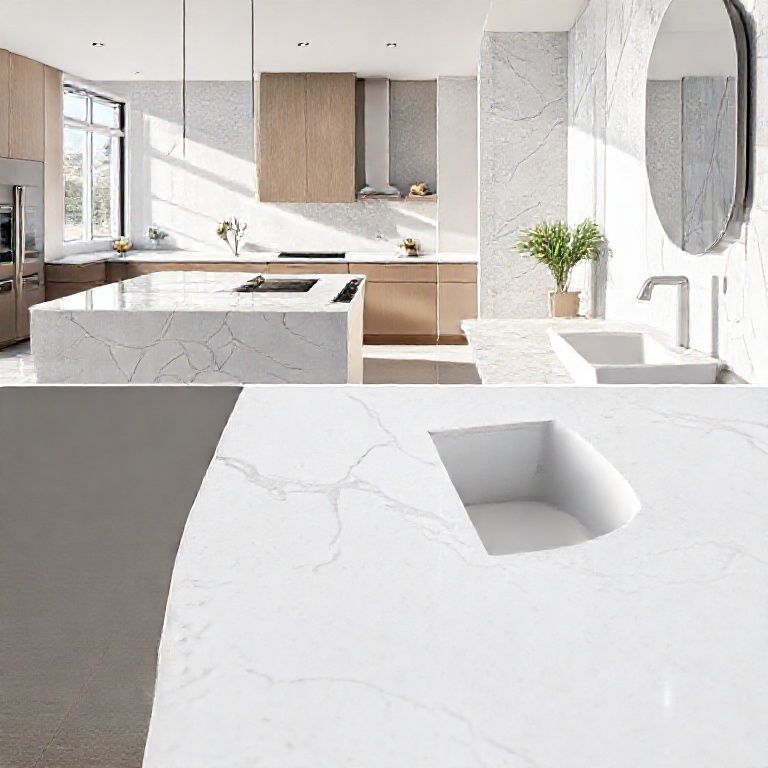
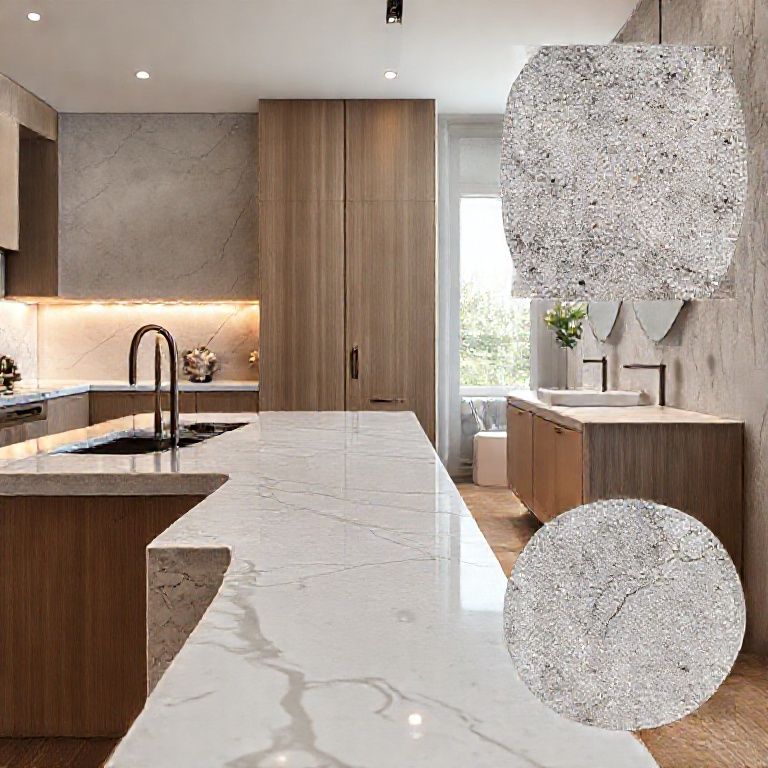
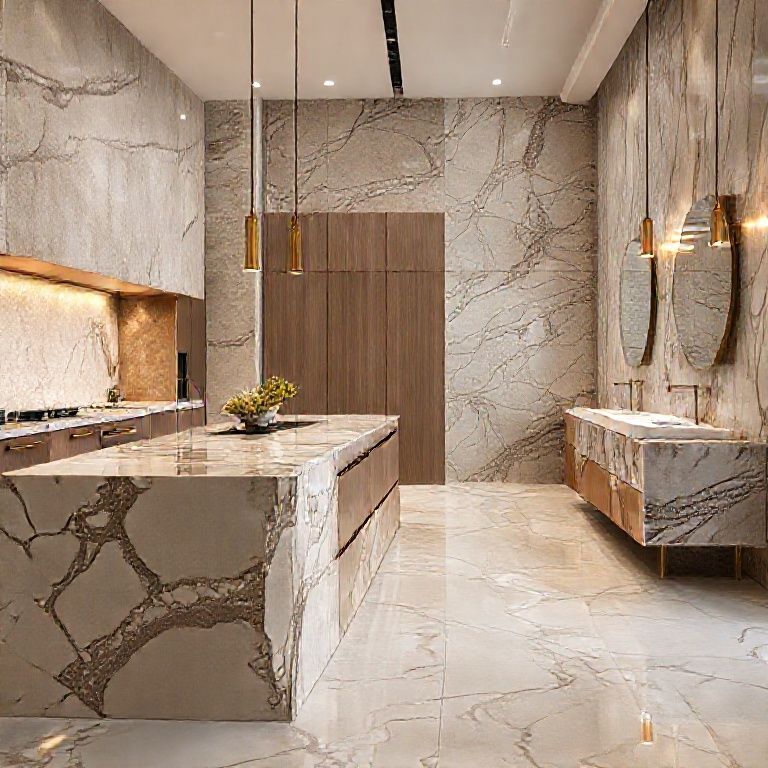
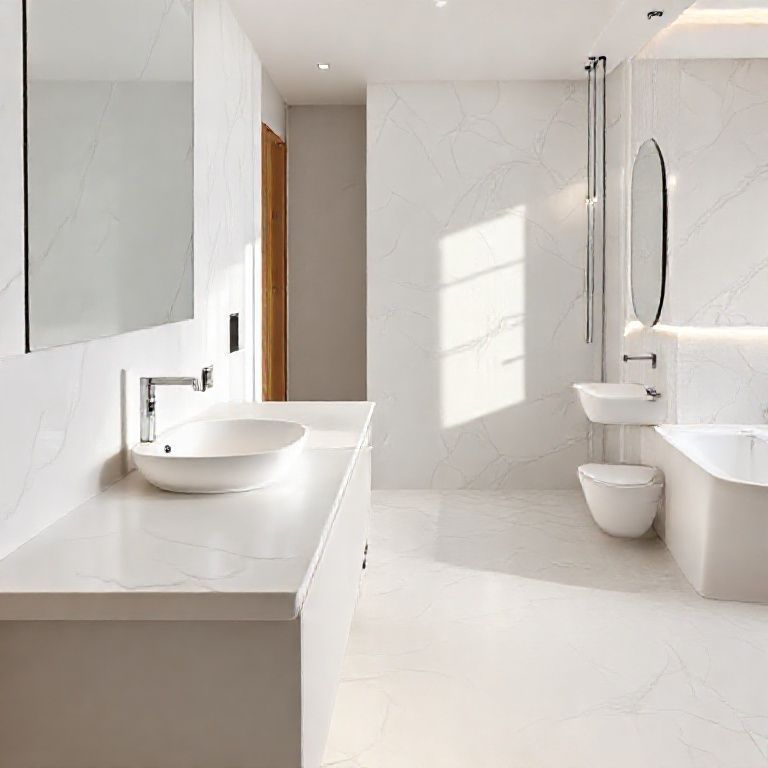
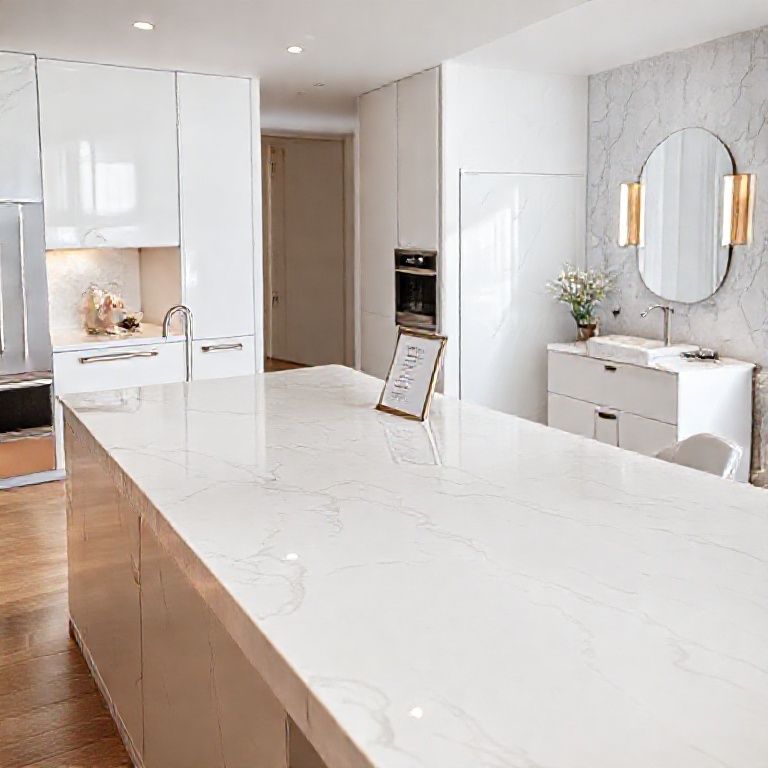
The allure of artificial marble has transformed modern interior design, offering an elegant, cost-effective alternative to natural stone. Known for its durability, aesthetic appeal, and low maintenance, artificial marble, or synthetic stone, has found its way into kitchens, bathrooms, countertops, and even outdoor spaces. But beneath its glossy surface, questions linger about its safety and sustainability. In this first part of our exploration, we will uncover the chemical composition of artificial marble, its potential health risks, and delve into its environmental impact.

Chemical Composition and Manufacturing Process
Artificial marble, also known as cultured stone, is primarily composed of minerals such as calcite, dolomite, and talc, which are bonded together using resins and other synthetic materials. The manufacturing process involves mixing these minerals with resins, pigments, and other additives, followed by a curing process under high pressure and temperature. The result is a material that closely mimics the appearance and texture of natural marble while being far more durable.
However, the synthetic materials used in its production, such as acrylic resins, can emit volatile organic compounds (VOCs) during and after manufacturing. VOCs are chemicals that easily vaporize at room temperature, contributing to air pollution and potentially posing health risks.
Health Risks
One of the primary concerns regarding artificial marble is the emission of VOCs. These compounds can lead to a variety of health issues, including respiratory problems, skin irritation, and even long-term effects such as cancer. The short-term exposure to high levels of VOCs can cause headaches, dizziness, and nausea. Long-term exposure, although less studied, might contribute to chronic health issues.
Moreover, the manufacturing process often involves the use of formaldehyde, a known carcinogen. Formaldehyde is used in the resins that bond the minerals together. Although manufacturers claim to use low-formaldehyde or formaldehyde-free resins, there is still the potential for trace amounts to be released into the environment and air over time.
Environmental Impact
The environmental footprint of artificial marble is another critical aspect to consider. The mining and extraction of natural marble have long been associated with significant environmental degradation, including habitat destruction and carbon emissions. In contrast, the production of artificial marble involves the mining of various minerals, which can also have detrimental effects on local ecosystems.
Additionally, the energy-intensive processes required to manufacture artificial marble contribute to greenhouse gas emissions. The curing process, which involves high-temperature conditions, consumes a considerable amount of energy, often derived from fossil fuels. This contributes to the overall carbon footprint of the material.
The disposal of artificial marble also poses environmental challenges. Unlike natural marble, which can be recycled into aggregate for construction, artificial marble cannot be easily recycled. Improper disposal can lead to the release of harmful chemicals into the environment, further exacerbating pollution issues.
Alternatives and Safer Choices
Given these concerns, many are questioning the sustainability and safety of artificial marble. Fortunately, there are alternatives that offer similar aesthetic qualities without the associated risks. Natural stone, while more expensive, has a lower environmental impact and does not pose the same health hazards. Moreover, advancements in material science have led to the development of low-VOC and formaldehyde-free synthetic materials that offer a safer option.
When selecting materials for your home, consider the following steps to mitigate potential risks:
Choose Low-VOC Products: Opt for artificial marble products that are certified as low-VOC or formaldehyde-free. Look for labels from reputable organizations that ensure the products meet safety standards.
Ventilation: Proper ventilation can significantly reduce the concentration of VOCs in your home. Ensure that your home has adequate airflow to minimize exposure to harmful chemicals.
Research Manufacturers: Investigate the manufacturing processes of different brands. Companies that prioritize sustainability and safety in their production methods are likely to offer safer products.
Consider Natural Materials: For those concerned about the environmental impact, natural stone such as granite, quartz, or travertine can be excellent alternatives. They offer durability and aesthetic appeal without the associated risks of synthetic materials.
In conclusion, while artificial marble offers many advantages in terms of aesthetics and durability, it is essential to weigh these benefits against the potential health and environmental risks. In the next part, we will further explore the long-term effects of artificial marble, the scientific studies that have been conducted, and provide additional insights into making informed decisions about this material.
In the previous part, we examined the chemical composition, health risks, and environmental impact associated with artificial marble. We also looked at alternatives and safer choices for those concerned about the long-term hazards of this synthetic material. In this final part, we will delve deeper into the long-term effects of artificial marble, review scientific studies on its safety, and provide further guidance on making informed decisions about its use in your living spaces.
Long-term Effects and Scientific Studies
The long-term effects of artificial marble remain a subject of ongoing research and debate. While immediate exposure to VOCs and formaldehyde can lead to short-term health issues, the long-term implications are less clear. However, some studies suggest that prolonged exposure to low levels of these chemicals could contribute to chronic health problems.
One study conducted by the National Institute of Environmental Health Sciences (NIEHS) investigated the effects of prolonged exposure to VOCs. The research found that even low concentrations of VOCs could lead to chronic respiratory issues, skin conditions, and other health problems over time. Although this study focused on various sources of VOCs, it underscores the potential risks associated with prolonged exposure to these chemicals, including those emitted by artificial marble.
Another aspect to consider is the potential leaching of harmful chemicals from artificial marble. Over time, the resins and other synthetic materials used in its production can degrade, potentially releasing harmful substances into the environment and the air. Although the rate of leaching is generally low, it remains a concern for long-term exposure.
Regulatory Standards and Safety Certifications
To address these concerns, various regulatory bodies have established standards for the production and use of artificial marble. These standards aim to limit the emission of VOCs and other harmful chemicals, ensuring that products meet safety requirements.
In the United States, the Environmental Protection Agency (EPA) regulates the emissions of VOCs through the Clean Air Act. Manufacturers of artificial marble are required to adhere to these regulations, which help to reduce the concentration of harmful chemicals in their products. Look for certifications such as EPA Safer Choice, which indicates that a product meets specific criteria for health and environmental safety.
In Europe, the European Chemicals Agency (ECHA) oversees the regulation of chemicals, including those used in the production of artificial marble. The REACH (Registration, Evaluation, Authorisation, and Restriction of Chemicals) regulation ensures that chemicals used in manufacturing are safe for both human health and the environment. Products that comply with REACH standards often carry the CE mark, indicating compliance with European safety regulations.
Making Informed Decisions
Given the potential hazards associated with artificial marble, it is crucial to make informed decisions when selecting materials for your home. Here are some additional steps to consider:
Product Testing: When possible, test products in a controlled environment to measure VOC emissions. This can provide valuable information about the safety of the material before installation.
Professional Advice: Consult with professionals who specialize in material selection and indoor air quality. They can provide expert advice on choosing safer alternatives and minimizing exposure to harmful chemicals.
Regular Maintenance: Proper maintenance can help to reduce the concentration of VOCs in your home. Regularly clean surfaces and ensure that your home is well-ventilated to minimize the buildup of chemicals.
Sustainable Practices: Consider the overall sustainability of your choices. Opt for materials that have a lower environmental impact and are produced using sustainable practices. This not only benefits the environment but also contributes to a healthier living space.
Conclusion
In conclusion, while artificial marble offers many benefits in terms of aesthetics and durability, it is essential to consider the potential long-term hazards associated with its use. Scientific studies highlight the risks of prolonged exposure to VOCs and other chemicals, emphasizing the need for careful selection and usage of this material. By understanding the chemical composition, regulatory standards, and scientific research, you can make informed decisions that prioritize both the beauty and safety of your living spaces.
As we continue to advance in material science, the development of safer, more sustainable alternatives is promising. However, until these alternatives become widely available, it is crucial to weigh the pros and cons of artificial marble and take steps to mitigate potential risks. With proper ventilation, careful selection of certified products, and regular maintenance, you can enjoy the benefits of artificial marble while minimizing its potential hazards.
In the ever-evolving world of interior design and material science, staying informed and making conscious choices is key to creating a beautiful, healthy, and sustainable living environment.