
Sure, I can help you with that! Here’s a soft article about quartz stone, formatted as requested.
In the grand theater of geology, where colossal forces sculpt mountains and carve canyons, there exists a mineral of quiet, yet profound, brilliance: quartz. You’ve likely encountered it, perhaps without even realizing its name, in the sparkling flecks of granite, the smooth expanse of a river pebble, or even within the intricate workings of your watch. Quartz, in its purest form, is silicon dioxide (SiO2), a compound so ubiquitous and yet so remarkably versatile that it forms the very bedrock of many landscapes and, increasingly, the heart of our homes.

The term “quartz stone” as it’s commonly used in the design and construction world, however, often refers to something a little different – engineered quartz. This isn’t to say natural quartz isn’t used; it certainly is, but the engineered variety has truly revolutionized how we interact with this resilient material in our living spaces. Think of it as nature’s blueprint, meticulously refined and enhanced by human ingenuity.
At its core, engineered quartz is a composite material. It’s a marriage of approximately 90-95% natural quartz crystals, pulverized and bound together with about 5-10% polymer resins and pigments. This fusion process is where the magic happens. The natural quartz, sourced from quarries, provides the inherent strength, hardness, and that characteristic sparkle. The resins, on the other hand, act as the binding agent, allowing the material to be molded into slabs of consistent thickness and form. Crucially, these resins are also key to quartz’s legendary stain and scratch resistance, and they offer an unparalleled level of uniformity in color and pattern that natural stone, with its inherent variations, simply cannot replicate.
The appeal of engineered quartz begins with its aesthetic versatility. Unlike the sometimes unpredictable beauty of granite or marble, quartz can be manufactured to mimic a vast spectrum of natural stone appearances, or to create entirely new, contemporary designs. Craving the dramatic veining of Calacatta marble? Quartz can be engineered to present that look, often with greater consistency than the natural stone itself. Perhaps you prefer the earthy, speckled charm of a classic granite, or the subtle, uniform gray of concrete? Quartz can deliver. Beyond these imitations, there are designs that push the boundaries of what we expect from stone – swirling patterns of deep blues and greens, vibrant reds, soft pastels, or even a pristine, unadulterated white that remains elusive in most natural stones. This ability to control the final look, from the subtlest hue to the most audacious pattern, makes quartz an incredibly adaptable material for any interior design scheme, from minimalist modern to opulent traditional.
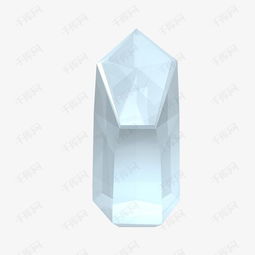
The geological journey of natural quartz itself is a story of immense pressure and time. Found in a variety of igneous, metamorphic, and sedimentary rocks, quartz is one of the most common minerals on Earth’s surface. Its crystalline structure, often appearing as hexagonal prisms terminated by pyramid-shaped faces, is a testament to its order and stability. This inherent structural integrity is what translates into quartz’s remarkable hardness – it ranks a 7 on the Mohs scale of mineral hardness, making it harder than steel and significantly more resistant to scratching than many other countertop materials. This means that a quartz surface can withstand the daily rigors of a busy kitchen – chopping, dicing, and the occasional slide of a heavy pot – without showing significant wear and tear.
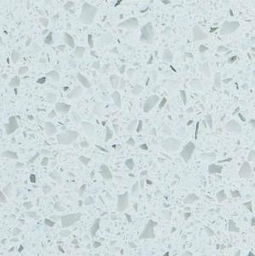
When this natural resilience is combined with the polymer resins in engineered quartz, the resulting material inherits a suite of properties that make it exceptionally desirable for high-traffic areas. The non-porous nature of engineered quartz, a direct benefit of the resin binder, is perhaps its most celebrated attribute. Natural stones, like granite and marble, can have microscopic pores that absorb liquids. This absorption can lead to staining, especially from common kitchen culprits like red wine, coffee, or oil. It also means that these porous stones can harbor bacteria, necessitating diligent sealing and cleaning. Engineered quartz, by contrast, does not absorb liquids. Spills simply bead up on the surface, making cleanup a breeze and significantly reducing the risk of stains and bacterial growth. This hygienic quality is a major draw for families, busy professionals, and anyone who values a low-maintenance, pristine living environment.
The process of creating engineered quartz is a sophisticated one, often referred to as “vibrational molding.” High-quality quartz crystals are crushed and mixed with the resin binder and pigments. This mixture is then poured into molds and subjected to intense vibration, which removes air bubbles and compacts the material into a dense, solid slab. This is followed by a high-temperature curing process, which hardens the resin and permanently binds the quartz particles. The result is a material that is not only beautiful and durable but also incredibly consistent. Unlike natural stone, where each slab can have unique patterns and color variations, engineered quartz offers a predictable and repeatable aesthetic, which is invaluable for large projects or when trying to achieve a specific, cohesive look. This consistency also means that if you need to replace a section of your countertop years down the line, you can be confident that the new piece will seamlessly match the existing one. The luminous allure of quartz stone, therefore, is a blend of geological wonder and human innovation, a material that promises both enduring beauty and effortless practicality for the modern home.
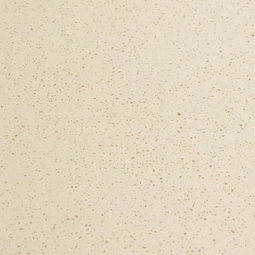
The journey into the world of quartz stone reveals a material that is as practical as it is aesthetically captivating. While its visual appeal and inherent durability are primary draws, the ease of maintenance and hygienic properties elevate engineered quartz to a status of premier surface material for discerning homeowners. In the demanding environment of a kitchen or bathroom, where spills are frequent and hygiene is paramount, quartz truly shines.
One of the most significant advantages of engineered quartz is its non-porous surface. Unlike natural stones such as granite or marble, which can absorb liquids and are susceptible to staining, quartz is impervious to most common household spills. Think of red wine, coffee, cooking oils, or even harsh cleaning agents – they are unlikely to penetrate the surface and leave a lasting mark. This means that accidental spills can be wiped away with a damp cloth and mild soap, leaving the surface pristine. This resistance to staining not only simplifies cleaning but also contributes to a more hygienic environment. Because liquids cannot penetrate the surface, bacteria and mold have nowhere to take root, making quartz an excellent choice for food preparation areas and bathrooms.
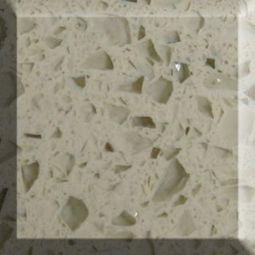
The low maintenance aspect of quartz is another key factor in its widespread popularity. Natural stone countertops often require periodic sealing to maintain their stain and scratch resistance. This can be a time-consuming and sometimes costly undertaking. Quartz, however, with its inherent non-porosity and the protective qualities of the polymer resins, does not require sealing. This means less hassle and more time to enjoy your beautiful countertops. Regular cleaning with a soft cloth, warm water, and a mild, non-abrasive detergent is usually all that’s needed to keep your quartz surfaces looking as good as new. For tougher spots, a glass cleaner or a paste of baking soda and water can often do the trick, though it’s always wise to consult the manufacturer’s recommendations for specific cleaning agents.
Beyond its practical benefits, the design possibilities with quartz are virtually limitless. The manufacturing process allows for an incredible range of colors, patterns, and finishes. Whether you desire the classic elegance of white marble with subtle gray veining, the bold, dramatic look of a dark, granite-like slab, or a unique, contemporary design with metallic flecks or intricate swirling patterns, engineered quartz can accommodate your vision. This consistency in color and pattern is a significant advantage over natural stone, where each slab can vary considerably, making it challenging to match pieces or achieve a perfectly uniform look across a large installation. With quartz, you get precisely what you see in the sample, ensuring your design vision is realized with precision.
The durability of quartz extends to its resistance to scratching and chipping. While no surface is entirely indestructible, quartz is exceptionally hard and resilient. It can withstand everyday wear and tear, including chopping directly on the surface (though using a cutting board is always recommended to preserve the sharpness of your knives and the integrity of the stone). Its resistance to heat is also noteworthy, though it’s important to remember that prolonged exposure to very high temperatures, especially from hot pots and pans directly off the stove or out of the oven, can potentially damage the resin binder. Using trivets and hot pads is a simple precaution that will help ensure the longevity of your quartz surfaces.
When considering quartz for your home, it’s useful to distinguish between engineered quartz and natural quartz. While both are silicon dioxide, engineered quartz is the manufactured composite discussed earlier. Natural quartz, on the other hand, is typically found in its raw, crystalline form and is often used for decorative purposes or as an aggregate in other building materials. Sometimes, countertops are made from large, quarried slabs of natural quartz that have been polished and finished. These offer the unique, organic beauty of natural stone but may not possess the same level of stain resistance or consistency as engineered quartz due to the presence of natural fissures and potential porosity. For most residential applications where low maintenance, high durability, and a wide design palette are desired, engineered quartz is the material that takes center stage.
The appeal of quartz stone is multifaceted. It’s the inherent strength and beauty of the mineral, harnessed and refined by human innovation. It’s the promise of a surface that can withstand the demands of daily life while retaining its exquisite appearance. It’s the peace of mind that comes with a hygienic, low-maintenance material that simplifies your routine. From the gleam of a modern kitchen island to the serene surface of a bathroom vanity, quartz stone offers a luminous allure that transforms ordinary spaces into extensions of art and functionality. It’s a testament to how we can take a gift from the earth, and with a touch of ingenuity, reimagine it to enrich the very fabric of our lives.









