
Sure, I can help you with that! Here’s a soft article comparing acrylic solid surfaces and engineered stone, written in attractive English.

In the realm of modern interior design, the surfaces we choose play a pivotal role in shaping both the aesthetic and functional landscape of our spaces. From the heart of the kitchen to the serenity of the bathroom, countertops and wall claddings are more than just practical necessities; they are canvases for creativity, touchstones of luxury, and integral components of our daily lives. Among the array of available materials, two stand out for their contemporary appeal and versatile applications: acrylic solid surfaces and engineered stone. While both offer a sophisticated alternative to traditional materials like granite or marble, they are distinct entities with unique characteristics that cater to different design philosophies and practical demands. Understanding these differences is key to unlocking the full potential of your interior vision.
Acrylic solid surface, often recognized by brand names like Corian, is a composite material created from a blend of acrylic polymer and alumina trihydrate (ATH), derived from bauxite ore. This formulation results in a non-porous, homogeneous material that can be manufactured into sheets of various sizes and thicknesses. Its composition imbues it with a unique set of properties. Perhaps its most celebrated attribute is its inherent translucency, which allows for a captivating interplay of light. This characteristic opens up a world of design possibilities, enabling backlighting effects that can transform a simple countertop into a luminous focal point. Imagine a kitchen island that glows from within, or a reception desk that emanates a soft, inviting light. This is the magic of acrylic solid surface.
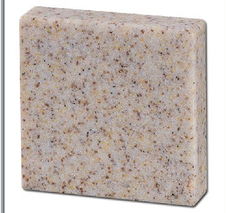
Beyond its luminous qualities, acrylic solid surface boasts exceptional durability and repairability. Its non-porous nature means it resists stains, mold, and mildew, making it a highly hygienic choice for kitchens and bathrooms where cleanliness is paramount. Spills of wine, coffee, or acidic substances can typically be wiped away without leaving a trace, a significant advantage over natural stone or laminate. Furthermore, any minor scratches or damage can be easily repaired by sanding and buffing the surface, restoring it to its original pristine condition. This repairability not only extends the lifespan of the material but also contributes to its long-term value and sustainability. Unlike materials that might require replacement after a significant blemish, acrylic solid surface offers a pathway to rejuvenation.
The fabrication of acrylic solid surface is another area where it shines. It can be thermoformed – heated and bent into seamless curves and complex shapes. This means you can achieve truly bespoke designs, from waterfall countertops with no visible seams to intricate sculpted sinks and integrated backsplashes. The absence of seams is not just an aesthetic triumph; it also enhances the material’s hygiene by eliminating grout lines or crevices where bacteria can harbor. The seams, when they are necessary, are typically created using a specialized adhesive that chemically bonds the pieces together, rendering the joint virtually invisible and as strong as the rest of the material. This seamless integration contributes to a sleek, modern, and fluid aesthetic that is highly sought after in contemporary interiors.

The aesthetic palette of acrylic solid surface is remarkably diverse. Available in an almost endless spectrum of colors, patterns, and textures, it can mimic the look of natural stone, wood, or concrete, or it can present entirely unique and vibrant finishes. Whether you desire the understated elegance of a matte white, the dramatic depth of a charcoal gray with subtle flecks, or the bold statement of a translucent emerald green, acrylic solid surface can deliver. Its ability to be molded into any shape also means that the design possibilities are limited only by imagination. Integrated sinks, custom edge profiles, and even artistic inlays are all achievable, allowing for a highly personalized expression of style.
In contrast, engineered stone, often referred to as quartz surfaces, is a man-made material composed primarily of natural quartz crystals (up to 90%), bound together with polymer resins and pigments. This fusion of natural mineral and synthetic binder results in a material that inherits the strength and beauty of quartz while offering enhanced consistency and performance. The process of manufacturing engineered stone involves crushing quartz into fine particles, mixing them with resin and pigments, and then compressing and heating the mixture under immense pressure. This high-pressure compaction creates a dense, durable, and non-porous slab.
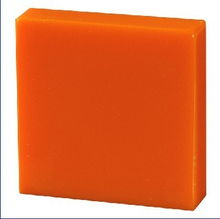
The primary appeal of engineered stone lies in its remarkable strength and durability, mirroring the inherent resilience of natural quartz. It is exceptionally hard, making it highly resistant to scratches, chips, and abrasions. This makes it an ideal choice for high-traffic areas like kitchen countertops, where it can withstand the rigors of daily use, from chopping and slicing to placing hot pans (though trivets are still recommended for longevity). The resin binder, while providing strength, also contributes to its non-porous nature, meaning it is resistant to staining from common household liquids like wine, coffee, juice, and oil. This inherent resistance to staining and etching makes it a low-maintenance option, requiring only simple cleaning with soap and water.
Engineered stone offers a vast and consistent aesthetic range. Unlike natural stone, where each slab is unique with variations in color and veining, engineered stone is manufactured to precise specifications. This consistency ensures that the color and pattern you choose will be uniform throughout the slab and across multiple installations, providing a predictable and controlled design outcome. The available designs often replicate the sought-after looks of natural stones like marble and granite, complete with realistic veining and mineral patterns, but without the inherent variability or porosity of their natural counterparts. This allows designers to achieve the luxurious appearance of natural stone with the added benefits of engineered performance and consistency. The color palette is extensive, ranging from classic whites and grays to deep blacks, earthy browns, and even vibrant, contemporary hues.
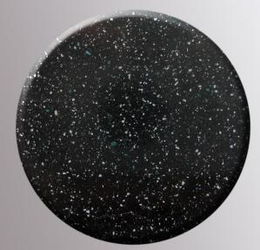
The fabrication of engineered stone, while less flexible than acrylic solid surface in terms of thermoforming, is still well-suited for producing elegant countertops, backsplashes, and wall panels. It is typically cut using specialized saws and CNC machines, allowing for precise dimensions and edge profiles. While seamless integration is possible for backsplashes and wall panels, achieving truly seamless countertops, especially around sinks and cooktops, is more challenging due to the material’s hardness and the nature of the bonding agents. However, skilled fabricators can minimize visible seams, and the material’s rigidity ensures that edges remain sharp and well-defined. The strength of engineered stone also means that thinner profiles are possible compared to some natural stones, allowing for a sleeker, more modern look.
In summary of this initial exploration, acrylic solid surface and engineered stone represent two distinct yet equally compelling avenues in surface material selection. Acrylic solid surface captivates with its luminous potential, seamless formability, and hygienic, repairable nature. Engineered stone, on the other hand, impresses with its formidable strength, consistent aesthetics, and low-maintenance resilience. The choice between them often hinges on the specific design aspirations, functional requirements, and the desired sensory experience of the space.
Continuing our deep dive into the world of acrylic solid surfaces and engineered stone, we now turn our attention to the practical considerations and nuanced differences that will guide your selection process. While the initial aesthetic appeal is undeniable for both, it is the subtle yet significant variations in performance, maintenance, cost, and environmental impact that truly differentiate these materials and inform their suitability for various applications.
When it comes to heat resistance, engineered stone generally holds an advantage. Its composition, with a high percentage of quartz, makes it inherently more resistant to high temperatures than acrylic solid surface. While engineered stone can withstand hot pans placed directly on its surface for short periods, it is always advisable to use trivets or hot pads to prevent potential thermal shock or resin degradation over time. Acrylic solid surface, while surprisingly robust, is more susceptible to heat damage. Prolonged exposure to high temperatures can cause discoloration, scorching, or even warping. Therefore, in a busy kitchen environment where hot pots and pans are frequently handled, careful consideration of heat resistance is paramount, and the use of protective measures is essential for acrylic solid surfaces.
In terms of impact resistance, both materials are quite durable, but engineered stone typically has the edge. The hardness of quartz crystals, combined with the resin binder, makes engineered stone exceptionally resistant to chipping and cracking. This makes it an excellent choice for demanding environments where the risk of accidental impact is higher, such as busy family kitchens or commercial spaces. Acrylic solid surface is also quite resilient, but it can be more prone to chipping or cracking under sharp, forceful impacts, particularly on thinner edges. However, as mentioned earlier, these chips and cracks are often repairable, a point of significant advantage for acrylic solid surface in scenarios where damage might occur.
The realm of repairability highlights one of the most significant distinctions. Acrylic solid surface is a true “solid” surface, meaning the color and pattern extend through the entire thickness of the material. This homogeneity allows for seamless repairs. Minor scratches, burns, or even deeper gouges can be meticulously sanded out and buffed to a like-new finish, making it an incredibly forgiving material over its lifespan. This repairability is a major selling point for sustainability and long-term aesthetic preservation. Engineered stone, while resistant to damage, is not as easily repaired in the same manner. Deep scratches or chips can be difficult to mend seamlessly, and repairs may involve filling or patching, which can sometimes be visible. While minor surface scratches might be buffed out, significant damage often requires professional attention or even replacement of the affected section.
Cost is another factor that often influences decision-making. Generally, engineered stone tends to be priced higher than acrylic solid surface, although this can vary significantly based on brand, color, complexity of design, and installation requirements. High-end acrylic solid surfaces with intricate patterns or unique colors can sometimes rival or even exceed the cost of mid-range engineered stone. However, as a broad generalization, the initial material cost for engineered stone is often higher. When factoring in fabrication and installation, the costs can become more comparable, especially for complex designs involving thermoforming and seamless integration with acrylic solid surface. It is always advisable to obtain detailed quotes from fabricators for both materials to compare costs accurately for your specific project.
The aesthetic possibilities, while diverse for both, offer different design experiences. Acrylic solid surface excels in creating seamless, fluid forms and incorporating integrated elements like sinks and backsplashes. Its ability to be thermoformed allows for organic shapes and curved designs that are difficult or impossible to achieve with engineered stone. Furthermore, its translucency opens up possibilities for creative lighting integration, adding a dynamic and ethereal quality to spaces. Engineered stone, on the other hand, offers a consistent, often more traditional, and robust aesthetic. It is ideal for achieving the look of natural stone with predictable results and is well-suited for sharp, clean lines and geometric designs. The color consistency is a major benefit for achieving a uniform look across large installations or matching existing elements.
In terms of maintenance, both materials are relatively low-maintenance compared to natural stone or laminate. Engineered stone’s non-porous and hard surface means it requires minimal daily care – usually just wiping down with a damp cloth and mild detergent. Its resistance to staining and etching makes it very forgiving. Acrylic solid surface is also non-porous and stain-resistant, but its softer surface means it can be more susceptible to scratching and dulling from abrasive cleaners or harsh scrubbing. Therefore, while stains are easily removed, maintaining the pristine, unblemished finish of acrylic solid surface might require slightly more attention to the types of cleaning products used and the method of cleaning. However, the ease of repair often compensates for this difference.
Environmental considerations are also worth noting. Both materials are manufactured products. Engineered stone utilizes natural quartz, a readily available mineral, but the manufacturing process involves resins and high energy consumption. Acrylic solid surface uses acrylic polymers and ATH, and its manufacturing process also requires energy. However, the repairability of acrylic solid surface can be seen as an advantage from a sustainability perspective, as it extends the product’s lifespan and reduces the need for replacement. Some manufacturers are also developing eco-friendlier formulations for both types of surfaces. When making a choice, researching manufacturers’ sustainability practices and the composition of their products is beneficial.
In conclusion, the decision between acrylic solid surface and engineered stone is a nuanced one, dependent on a careful evaluation of priorities. For those who prioritize seamless, fluid designs, integrated elements, and the potential for dramatic lighting effects, acrylic solid surface emerges as a compelling choice. Its repairability offers peace of mind for a long-lasting, beautiful surface. For designers and homeowners seeking the utmost in hardness, scratch resistance, and consistent, natural-stone aesthetics without the maintenance hassles, engineered stone presents a robust and reliable solution. Both materials offer a modern, sophisticated upgrade to any interior, but understanding their individual strengths and weaknesses is the key to selecting the surface that will not only look stunning but also perform impeccably for years to come, truly illuminating the path to your ideal living or working space.









