
In the grand tapestry of design and construction, certain materials emerge not just as building blocks, but as statements – whispers of innovation and echoes of timeless beauty. Acrylic solid surface, often referred to by its technical name “亚克力人造石材” (Yàkèlì rénzào shícái), is one such material. It’s a term that might initially conjure images of sterile laboratories or mass-produced countertops, but to pigeonhole it so narrowly would be to miss the extraordinary symphony of qualities it orchestrates. This is a material that breathes life into spaces, offering a tactile and visual experience far beyond the mundane.

The very essence of acrylic solid surface lies in its unique composition. It’s a fusion of acrylic polymers and natural mineral fillers, meticulously engineered to create a non-porous, homogeneous material. This isn’t a laminate or a veneer; the color and pattern run through the entire thickness, meaning that scratches or minor damage can often be repaired with relative ease, restoring its pristine beauty. This inherent resilience is a cornerstone of its appeal, promising longevity without sacrificing elegance.
But let’s talk about the aesthetics, because this is where acrylic solid surface truly shines, quite literally. Its translucency is a game-changer. Unlike traditional stone or engineered quartz, many acrylic solid surface formulations possess a subtle, inviting luminosity. This quality allows light to play and diffuse within the material, creating a soft, ethereal glow. Imagine a reception desk that seems to emanate a gentle light, or a bar top that feels alive with an inner radiance. This translucency opens up a world of creative possibilities for designers, enabling them to craft feature walls, illuminated panels, and striking lighting effects that simply aren’t achievable with other materials. The depth it offers is captivating, drawing the eye in and adding a layer of sophistication to any environment.
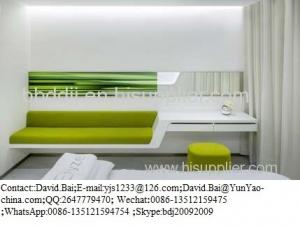
The color palette available is as vast as the imagination. From the stark purity of whites and the deep, enigmatic hues of blacks and grays to vibrant, playful tones and intricate, stone-like patterns, acrylic solid surface can adapt to virtually any design brief. Whether you’re aiming for a minimalist sanctuary, a bold, avant-garde statement, or a warm, inviting atmosphere, there’s a shade and pattern to perfectly complement your vision. This adaptability makes it a darling of interior designers, architects, and even artists, who can leverage its flexibility to bring their most ambitious concepts to fruition.
Beyond its visual allure, the practical advantages of acrylic solid surface are undeniable. Its non-porous nature means it’s exceptionally hygienic. Stains, bacteria, and mold struggle to find purchase on its smooth, impermeable surface. This makes it an ideal choice for environments where cleanliness is paramount – kitchens, bathrooms, healthcare facilities, and food service areas. Spills are easily wiped away, leaving no lingering residue or odor. This ease of maintenance translates into less worry for homeowners and less intensive cleaning regimes for commercial spaces, freeing up time and resources.
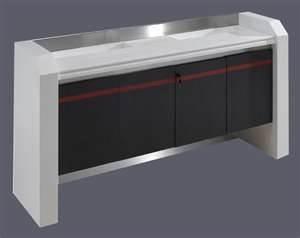
Another remarkable characteristic is its seamlessness. Through a specialized process, individual pieces of acrylic solid surface can be joined together with invisible seams, creating large, continuous surfaces. This not only contributes to its clean and modern aesthetic but also eliminates the grout lines and expansion gaps that can harbor dirt and moisture in traditional materials. Think of a kitchen island that appears to be carved from a single, flawless block, or a shower enclosure that boasts a continuous wall of color and texture, free from the visual clutter of joints. This seamless integration enhances both the visual flow of a space and its hygiene.
The workability of acrylic solid surface is also a significant factor in its widespread adoption. Unlike natural stone, which requires specialized, heavy-duty equipment and a considerable amount of skill to cut and shape, acrylic solid surface can be worked with standard woodworking tools. It can be cut, routed, drilled, sanded, and thermoformed – meaning it can be heated and bent into gentle curves or even more complex shapes. This thermoforming capability is particularly exciting, allowing for the creation of bespoke sinks, integrated countertops with flowing edges, and unique architectural elements that push the boundaries of conventional design. This ease of fabrication translates into potentially shorter project timelines and greater design freedom.
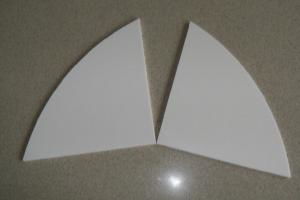
The tactile quality of acrylic solid surface is another dimension that often gets overlooked. It’s warm to the touch, a welcome contrast to the often cool, hard feel of natural stone or ceramic. This subtle warmth adds to the overall comfort and inviting nature of a space, making it more pleasant to interact with. Running your hand over a smoothly finished acrylic solid surface countertop or a wall panel provides a sensory experience that reinforces its premium quality and thoughtful design. It’s a material that engages more than just the eyes; it speaks to the sense of touch as well.
In essence, acrylic solid surface is not just a material; it’s a canvas for innovation, a testament to the marriage of form and function. It’s a material that empowers designers to dream bigger, to create spaces that are not only beautiful but also practical, hygienic, and enduring. It’s a material that invites touch, plays with light, and offers a level of customization that is both inspiring and achievable. As we continue to explore its multifaceted nature, it becomes clear that “亚克力人造石材” is a name synonymous with a luminous, adaptable, and undeniably attractive future in design.
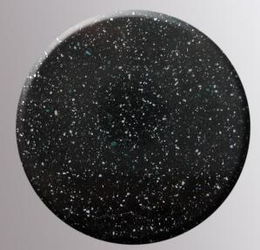
Continuing our exploration into the captivating world of acrylic solid surface, we delve deeper into the practical applications and the innovative spirit that propels this remarkable material forward. The qualities we’ve touched upon – its luminosity, seamlessness, hygiene, and workability – are not isolated attributes but rather interconnected elements that contribute to its extraordinary versatility across a multitude of design scenarios.
Consider the culinary realm, the heart of many homes and the bustling epicenter of commercial kitchens. Here, acrylic solid surface shines as a superior countertop and backsplash material. Its non-porous surface is a formidable barrier against spills of wine, coffee, or oil, preventing them from penetrating and staining. This means that even a vibrant turmeric spill or a splash of red wine, common culprits for permanent marks on other materials, can be wiped away with ease, leaving the surface pristine. For families with young children, the durability and ease of cleaning are invaluable. For restaurants and cafes, the consistent aesthetic and simple maintenance contribute to a professional and hygienic environment, crucial for customer trust and operational efficiency. Furthermore, the ability to create integrated sinks that flow seamlessly into the countertop eliminates those hard-to-clean nooks and crannies where food particles and bacteria can accumulate, a significant advantage for any food-handling space.
In the realm of personal care and hygiene, bathrooms and healthcare settings are prime beneficiaries of acrylic solid surface’s inherent properties. The material’s resistance to moisture and mildew makes it an ideal choice for shower walls, vanity tops, and even entire wet room enclosures. The absence of grout lines in seamless installations means there are no channels for mold to grow, simplifying cleaning and contributing to a healthier indoor environment. In hospitals, clinics, and laboratories, where hygiene is not just a preference but a necessity, acrylic solid surface’s non-porous nature and ease of disinfection make it an excellent option for work surfaces, reception desks, and patient care areas. Its resistance to a wide range of cleaning agents further enhances its suitability for these demanding environments.
The inherent translucency of certain acrylic solid surfaces also unlocks a unique dimension of lighting design. When backlit, these materials can transform ordinary surfaces into luminous features that imbue spaces with warmth and ambiance. Think of a reception desk that glows from within, creating a welcoming focal point. Imagine a retail display that softly illuminates products, drawing attention and enhancing their visual appeal. This ability to integrate light opens up avenues for dynamic and engaging interior design, moving beyond static surfaces to create environments that are both visually striking and experientially rich. Designers can play with different light sources and intensities to create a spectrum of moods, from a calming, serene glow to a vibrant, energetic luminescence.
Beyond the more conventional applications, the thermoforming capability of acrylic solid surface allows for truly sculptural and bespoke creations. Architects and designers can push the boundaries of form, creating curved reception desks that embrace visitors, flowing reception counters that guide movement, or even unique architectural cladding that adds a dynamic element to building exteriors. This ability to bend and shape the material into organic forms means that limitations are largely dictated by imagination rather than material constraints. This adaptability makes it a powerful tool for creating signature spaces and distinctive brand experiences.
The environmental considerations of modern design are also increasingly being addressed by materials like acrylic solid surface. While it is a manufactured product, its durability and longevity mean that it has a long lifespan, reducing the need for frequent replacement. Furthermore, many manufacturers are committed to sustainable production practices, utilizing recycled content and developing formulations that are low in volatile organic compounds (VOCs), contributing to better indoor air quality. The ease of repair also extends its life, mitigating waste. When properly cared for, acrylic solid surface offers a responsible choice for environmentally conscious design projects.
The tactile experience of acrylic solid surface, its warmth and smooth finish, contributes to its overall desirability. It’s a material that feels good to the touch, adding a layer of subtle luxury and comfort to any application. This sensory appeal is often a deciding factor in high-end residential and hospitality projects, where the overall experience of a space is paramount. It’s a material that elevates the everyday, turning functional surfaces into elements of pleasure and sophistication.
In conclusion, acrylic solid surface, or “亚克力人造石材,” is far more than just an alternative to traditional materials. It is a dynamic and sophisticated design medium that offers an unparalleled combination of aesthetic beauty, practical functionality, and creative freedom. From its luminous depths and seamless transitions to its hygienic properties and remarkable workability, it empowers designers and builders to create spaces that are not only visually stunning but also exceptionally durable, easy to maintain, and tailored to the specific needs of their users. As the demand for innovative, adaptable, and aesthetically pleasing materials continues to grow, acrylic solid surface stands poised to remain at the forefront, shaping the future of interior and architectural design with its luminous allure and enduring substance.









