
The realm of interior design is a perpetual evolution, a constant quest for materials that not only serve a purpose but also inspire awe and elevate the everyday. In this dynamic landscape, two stars have emerged, dazzling with their versatility, aesthetic appeal, and technical prowess: acrylic and solid surface. While both offer sleek, modern finishes and a departure from traditional materials like wood or stone, they possess distinct characteristics that set them apart, each carving its own niche in the creation of breathtaking spaces. Understanding these nuances is key to unlocking their full potential, whether you’re a designer envisioning a futuristic kitchen, a homeowner dreaming of a spa-like bathroom, or an architect shaping public spaces that exude sophistication.

Acrylic, often recognized by its trade name Plexiglas, is a transparent thermoplastic renowned for its clarity, impact resistance, and ability to be molded into virtually any shape. Its origins trace back to the early 20th century, a period of rapid industrial and material innovation. Initially utilized for its shatterproof qualities as a safer alternative to glass, acrylic’s applications have since exploded across industries. In design, it’s the material of choice for those seeking a sense of lightness and airiness. Its inherent transparency allows light to pass through, creating an illusion of more space and a luminous quality that can transform a room. Imagine a reception desk that seems to float, or a retail display that showcases products without visual obstruction. Acrylic achieves this with effortless grace.
One of acrylic’s most compelling attributes is its malleability. Unlike rigid materials, it can be heated and thermoformed into curves, waves, and intricate sculptural elements. This opens up a universe of design possibilities, allowing for bespoke furniture, custom lighting fixtures, and unique architectural features that defy convention. Its smooth, non-porous surface also makes it remarkably hygienic and easy to clean, a significant advantage in high-traffic areas or environments where sanitation is paramount, such as healthcare facilities or food service establishments. Furthermore, acrylic can be produced in a dazzling array of colors, from deep, opaque hues to translucent pastels and vibrant neons. It can also be embedded with decorative elements, creating captivating visual effects. The ability to achieve seamless, polished edges contributes to its sleek, contemporary aesthetic, offering a minimalist yet impactful presence.
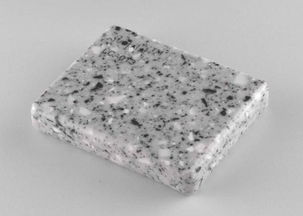
However, acrylic isn’t without its considerations. While more impact-resistant than glass, it can be susceptible to scratching if subjected to abrasive cleaning agents or rough handling. This necessitates a careful selection of cleaning products and a mindful approach to its use in environments prone to wear and tear. Despite this, its repairability is a significant advantage. Minor scratches can often be buffed out, restoring its pristine finish. Its UV resistance is generally good, but prolonged exposure to intense sunlight can lead to yellowing over time, though advancements in material science are continuously improving this aspect. The visual impact of acrylic is undeniable – it’s a material that speaks of modernity, innovation, and a playful embrace of light and form. It’s the choice for designers who want to push boundaries, create focal points, and imbue spaces with a sense of ethereal beauty.
In contrast, solid surface materials, such as DuPont’s Corian or similar composite materials, present a different, yet equally compelling, narrative. These engineered materials are typically composed of a blend of acrylic polymer or polyester resins and mineral fillers, often derived from bauxite ore. The result is a non-porous, homogeneous material that offers a unique combination of durability, aesthetic versatility, and practical functionality. While acrylic is celebrated for its transparency and ability to play with light, solid surface is revered for its solid, substantial feel and its seamless integration capabilities.
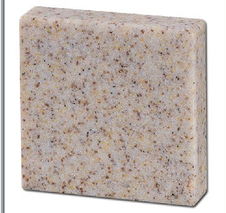
The defining characteristic of solid surface is its ability to be fabricated into large, seamless pieces. Joints and seams are virtually invisible, creating a smooth, uninterrupted surface that is both visually appealing and exceptionally hygienic. This is particularly advantageous for countertops, sinks, and backsplashes, where traditional materials often show grout lines or visible seams that can harbor bacteria and grime. The non-porous nature of solid surface means that liquids, stains, and bacteria cannot penetrate the material, making it resistant to mold and mildew. This makes it an ideal choice for kitchens, bathrooms, and healthcare settings where cleanliness is a top priority.
The aesthetic range of solid surface is extensive, mimicking the look of natural stone with remarkable fidelity, offering a spectrum of colors and patterns that cater to diverse design preferences. From the subtle veining of marble to the earthy tones of granite, solid surface can achieve a sophisticated, high-end appearance without the inherent porosity, weight, and maintenance challenges of natural stone. Moreover, its consistent composition ensures that the color and pattern are uniform throughout the material, eliminating the variations that can sometimes occur with natural materials. This consistency also means that any damage, such as chips or scratches, can be repaired by sanding and refinishing, restoring the surface to its original condition without visible evidence of the repair. The ability to thermoform solid surface, similar to acrylic, allows for the creation of curved edges, integrated sinks, and custom-molded features, further enhancing its design flexibility.

When considering these two remarkable materials, it becomes clear that the choice between acrylic and solid surface is not about one being superior to the other, but rather about understanding their individual strengths and aligning them with specific design goals and functional requirements. Acrylic offers a path to ethereal lightness, transparency, and bold sculptural forms. Solid surface provides a foundation of seamless integration, robust durability, and a sophisticated, stone-like elegance. Both are testament to the power of material innovation, offering designers and homeowners a palette of possibilities to craft spaces that are not only beautiful but also intelligent, resilient, and inspiring.
The dance between acrylic and solid surface in the world of contemporary design is a testament to human ingenuity and the relentless pursuit of materials that can shape our environments with both beauty and utility. While the first part of our exploration delved into their individual characteristics – acrylic’s luminous transparency and moldability, and solid surface’s seamless integration and stone-like sophistication – this second part focuses on their practical applications, their comparative advantages, and how they empower designers to realize ambitious visions. Understanding where each material truly shines allows for informed decisions that can elevate a project from merely functional to truly inspired.
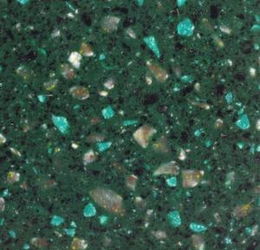
In the kitchen, the heart of many homes, both materials offer compelling solutions. For those who dream of a sleek, minimalist aesthetic, a waterfall countertop in a frosted acrylic can create a breathtaking focal point, its translucent quality allowing light to play across its surface and giving the impression of spaciousness. Integrated sinks, seamlessly molded into the countertop, are also a hallmark of acrylic design, eliminating the grout lines and crevices that often plague traditional sink installations. This means less cleaning and a perpetually polished look. However, for a more classic or robust feel, solid surface materials excel. Imagine a kitchen island topped with a material that perfectly mimics the rich veining of Carrera marble, yet offers the unparalleled advantage of being completely non-porous. Spills from red wine or tomato sauce are no match for solid surface; a simple wipe with a damp cloth restores it to pristine condition. The ability to create a large, single-piece countertop without visible seams further enhances the hygiene and aesthetic appeal, making it a practical choice for busy family kitchens.
The bathroom is another arena where these materials perform with remarkable distinction. Acrylic’s ability to be thermoformed into seamless, sculptural sinks and bathtubs is a designer’s dream. A freestanding acrylic tub, perhaps in a vibrant, translucent color, can become a stunning centerpiece, adding a touch of avant-garde artistry to the space. Its smooth, non-porous surface is inherently resistant to mold and mildew, making it an excellent choice for wet environments. Solid surface, on the other hand, offers a luxurious and practical alternative. Integrated sinks, where the basin is part of the countertop itself, create an uninterrupted flow and are incredibly easy to clean. The vast array of colors and patterns available allows for the creation of vanities that range from understated elegance to bold statements, all while maintaining that crucial hygiene factor. A solid surface shower surround, featuring large panels without grout lines, not only looks sophisticated but also drastically reduces the potential for water ingress and mold growth.
Beyond residential spaces, the commercial and public sector applications for acrylic and solid surface are equally impressive. In retail environments, acrylic’s transparency makes it ideal for display cases, shelving, and signage, allowing products to be showcased in an unobstructed manner. Its ability to be backlit or illuminated opens up further creative possibilities for eye-catching displays. Solid surface, with its durability and wide range of finishes, is a preferred choice for reception desks, transaction counters, and wall cladding in high-traffic areas such as airports, hotels, and corporate offices. Its resistance to wear and tear, coupled with its ease of maintenance, ensures that these spaces maintain a polished and professional appearance over time. In healthcare settings, the non-porous and hygienic nature of both materials is paramount. Solid surface is frequently used for laboratory countertops, nurse stations, and patient room surfaces due to its resistance to chemical stains and ease of disinfection. Acrylic, with its translucency, can be employed in innovative ways for decorative partitions or specialized medical equipment housings where visual clarity is important.
When comparing the two head-to-head, several key differentiating factors emerge. Cost is often a consideration, though it can vary significantly based on the specific product, complexity of fabrication, and brand. Generally, high-end acrylics and intricate solid surface designs can command premium prices. Durability is another point of distinction. While both are engineered for longevity, solid surface often has a slight edge in terms of scratch resistance and overall robustness, especially in applications involving heavy use or potential for impact. However, acrylic’s repairability, especially for minor abrasions, is a significant plus. Maintenance is where both materials truly shine compared to traditional options like natural stone or laminate. Their non-porous nature means they are resistant to stains and easy to clean, but it’s important to use appropriate cleaning agents to avoid damaging their surfaces. For acrylic, avoiding abrasive cleaners is key to preserving its clarity, while for solid surface, general household cleaners are usually sufficient.
The aesthetic possibilities are where the choice often becomes a matter of design intent. Acrylic offers a path to the avant-garde, to spaces that feel light, airy, and filled with an ethereal glow. It’s the material for creating statement pieces, for embracing color and form in a bold, uninhibited way. Solid surface, on the other hand, offers a more grounded, sophisticated elegance. It’s the choice for creating seamless, integrated surfaces that exude a sense of quiet luxury and unwavering practicality. It can chameleon-like adapt to various styles, from modern minimalist to subtly traditional, all while providing the functional benefits of a robust, hygienic material.
Ultimately, the decision between acrylic and solid surface hinges on a careful consideration of the project’s specific needs, desired aesthetic, and functional demands. Both materials represent the pinnacle of modern material science, offering a departure from convention and an invitation to design spaces that are not only visually stunning but also exceptionally practical. They are the building blocks of contemporary elegance, the silent partners in creating environments that inspire, comfort, and endure, proving that the future of design is not only about form but also about the intelligent application of form and function.









