
In the grand tapestry of design, where form and function intertwine to create spaces that resonate with human experience, certain materials emerge as true game-changers. They possess an innate ability to transcend mere utility, elevating the mundane into the magnificent. Among these luminaries, composite acrylic artificial stone, often known by its technical moniker, stands out with a quiet confidence, offering a captivating blend of aesthetic sophistication and practical prowess. It is a material born from a marriage of advanced technology and an artist’s discerning eye, promising a future where design possibilities are as boundless as the imagination itself.

The very name, “composite acrylic artificial stone,” whispers of its multifaceted nature. “Composite” speaks to its layered construction, a deliberate assembly of carefully selected components to achieve superior performance and a unique visual identity. “Acrylic” points to the resinous binder, a key player that imparts its signature translucence, warmth, and remarkable malleability. And “artificial stone” hints at its ability to mimic the grandeur of natural stone, yet with an enhanced palette of colors, patterns, and an absence of the inherent flaws and variabilities that can challenge traditional materials. It is, in essence, a carefully crafted interpretation of nature’s artistry, refined and perfected for the demands of contemporary living.
What truly sets composite acrylic artificial stone apart is its inherent luminosity. Unlike opaque natural stones, the acrylic resin component allows light to permeate its surface, creating a soft, inviting glow. This translucence isn’t merely a visual trick; it’s a design tool that can be harnessed to create dramatic effects. Imagine a kitchen island bathed in the gentle luminescence of an underlit countertop, casting a warm ambiance over culinary endeavors. Picture a bathroom vanity that seems to emanate a serene light, transforming a daily ritual into a moment of quiet contemplation. This interplay of light and material opens up a new dimension in interior design, allowing architects and designers to sculpt spaces with an ethereal quality.
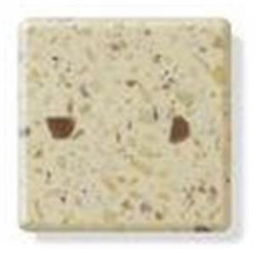
Beyond its captivating visual appeal, the material’s composition lends itself to an impressive array of practical benefits. The acrylic resin, when combined with mineral fillers, creates a non-porous surface. This is a crucial advantage, particularly in high-traffic areas like kitchens and bathrooms. The absence of pores means that spills, stains, and even harsh cleaning agents have little to no lasting impact. This inherent resistance to moisture, bacteria, and common household chemicals makes composite acrylic artificial stone exceptionally hygienic and easy to maintain. Forget the anxieties associated with sealing and resealing natural stone; this is a material that offers peace of mind, allowing for effortless upkeep and a consistently pristine appearance.
The versatility of composite acrylic artificial stone extends far beyond its hygienic properties and luminous glow. Its manufacturing process allows for an astonishing range of design possibilities. The acrylic resin can be pigmented in virtually any color imaginable, from the deepest ebony to the most delicate pastels, and from vibrant jewel tones to subtle earth hues. Furthermore, the incorporation of various aggregates, pigments, and even reflective particles allows for the creation of intricate patterns, veining effects that rival natural marble, and subtle textures that add depth and tactile interest. Whether you seek the classic elegance of a Carrara marble look, the dramatic intensity of a dark granite, or a completely bespoke design that reflects your unique vision, this material can be engineered to meet your precise specifications.

This adaptability makes it an ideal choice for a multitude of applications. In residential settings, it shines as countertops, backsplashes, integrated sinks, and shower surrounds. Its seamless construction, achieved through specialized bonding techniques, eliminates grout lines, further enhancing its hygienic qualities and creating a sleek, uncluttered aesthetic. For commercial spaces, its durability and low maintenance are invaluable. It finds its place in reception desks, bar tops, retail displays, and wall cladding, where it can project an image of sophistication and resilience. Even in the realm of furniture design, its formability allows for the creation of unique tables, chairs, and decorative elements that push the boundaries of conventional aesthetics.
The inherent strength of composite acrylic artificial stone is another compelling attribute. While appearing delicate and luminous, it possesses remarkable durability and impact resistance. It can withstand the rigors of daily use without chipping, cracking, or showing signs of wear and tear. This longevity ensures that the beauty and functionality of a space remain intact for years to come, making it a wise investment for both homeowners and businesses. The material’s ability to be repaired and refurbished also contributes to its long-term appeal. Minor scratches or surface imperfections can often be buffed out, restoring the surface to its original glory, a testament to its inherent resilience and thoughtful design.

As we delve deeper into the world of composite acrylic artificial stone, it becomes increasingly clear that this is more than just a building material; it is an enabler of dreams. It provides designers and homeowners with a canvas upon which to paint their aspirations, offering a perfect harmony of form, function, and enduring beauty. Its luminous embrace invites us to reimagine the possibilities of our living and working environments, proving that true innovation lies in creating materials that not only serve a purpose but also inspire and delight.
Continuing our exploration into the captivating realm of composite acrylic artificial stone, we uncover further layers of its allure, delving into its profound impact on design, its eco-conscious considerations, and the tangible ways it elevates everyday experiences. This material is not merely a passive surface; it is an active participant in shaping the atmosphere and functionality of any space it graces, offering a compelling narrative of modern design ingenuity.
The ability to thermoform composite acrylic artificial stone is a game-changer for designers seeking to break free from rigid, geometric constraints. Unlike natural stone, which is typically cut and shaped, acrylic-based composites can be heated and molded into fluid, organic shapes. This opens up a universe of design possibilities, allowing for the creation of seamlessly curved countertops, intricate sculpted features, and dynamic architectural elements. Imagine a reception desk that flows like a wave, or a bathroom vanity with a waterfall edge that cascades elegantly into the basin. This thermoforming capability empowers designers to infuse spaces with a sense of movement and dynamism, transforming static environments into visually engaging and tactile experiences. It’s a material that bends to the will of creativity, rather than dictating it.
The inherent seamlessness that composite acrylic artificial stone offers is another significant advantage, particularly in areas where hygiene and aesthetics are paramount. Through specialized adhesives and fabrication techniques, pieces of the material can be joined together with virtually invisible seams. This eliminates the unsightly grout lines found in tiled surfaces or the visible joints in other countertop materials. The result is a sleek, monolithic appearance that is not only visually appealing but also significantly easier to clean and maintain. In kitchens, this means no more lurking places for food particles or bacteria. In bathrooms, it means a spa-like environment free from the visual clutter of multiple joints. This pursuit of seamless perfection underscores the material’s commitment to both beauty and practicality.
When considering the environmental impact of building materials, composite acrylic artificial stone presents a compelling case. While the term “artificial” might initially raise concerns, the production processes are often designed with sustainability in mind. The acrylic resin itself can be formulated with recycled content, and the manufacturing process typically involves less energy and fewer natural resources compared to quarrying and transporting heavy natural stone. Furthermore, its exceptional durability and longevity mean that it requires less frequent replacement, reducing waste over its lifespan. The ability to repair and refurbish also extends its usability, further contributing to a more sustainable approach to material selection. For designers and consumers seeking to make environmentally conscious choices, composite acrylic artificial stone offers a responsible and aesthetically rewarding option.
The tactile experience of composite acrylic artificial stone is often overlooked in discussions focused solely on its visual attributes. The material possesses a pleasant, slightly warm-to-the-touch quality that natural stone often lacks. This subtle difference in texture can significantly impact the overall feel of a space, making it more inviting and comfortable. Running your hand over a smoothly finished composite acrylic surface reveals a refinement that is both reassuring and luxurious. This sensory aspect contributes to the material’s ability to create environments that are not only visually appealing but also deeply enjoyable to inhabit.
The evolution of composite acrylic artificial stone continues to push the boundaries of innovation. Researchers and manufacturers are constantly exploring new formulations, textures, and aesthetic possibilities. We see advancements in the development of materials that mimic the intricate veining of exotic marbles with uncanny realism, as well as formulations that incorporate advanced functional properties, such as enhanced scratch resistance or self-cleaning capabilities. The future holds the promise of even more sophisticated and specialized applications, ensuring that this material remains at the forefront of design and technology.
In conclusion, composite acrylic artificial stone is far more than a mere substitute for natural materials. It is a sophisticated and versatile material that embodies the spirit of modern design – one that prioritizes aesthetic beauty, functional performance, and thoughtful innovation. Its luminous quality, remarkable durability, hygienic properties, and unparalleled design flexibility make it an indispensable tool for architects, interior designers, and discerning homeowners alike. From transforming everyday kitchens into culinary sanctuaries to creating breathtaking architectural statements, this material offers a luminous embrace, inviting us to experience spaces that are both exquisitely beautiful and effortlessly practical. It stands as a testament to human ingenuity, proving that by blending art and science, we can craft materials that not only build our world but also enrich our lives.









