
In the ever-evolving landscape of interior design and architectural innovation, materials are the silent storytellers, weaving narratives of luxury, utility, and enduring beauty. Among these narrative threads, one material has emerged with a luminous glow, capturing the imagination of designers and homeowners alike: acrylic solid surface, often referred to in its more technical Chinese nomenclature as “亚克力人造石” (Yàkèlì rénzào shí). This isn’t just another surface; it’s a testament to human ingenuity, a fusion of art and science that offers unparalleled versatility and a sophisticated aesthetic.

The genesis of acrylic solid surface lies in the remarkable properties of acrylic polymers, specifically polymethyl methacrylate (PMMA). When combined with mineral fillers, pigments, and binders, these polymers transform into a homogenous, non-porous material that possesses a unique ability to mimic the elegance of natural stone while transcending its limitations. The “artificial stone” aspect of its Chinese descriptor hints at this mimicry, but it’s the “acrylic” component that unlocks a world of possibilities far beyond what nature alone can provide.
One of the most striking characteristics of acrylic solid surface is its inherent seamlessness. Unlike traditional materials that often require visible grout lines or seams, acrylic solid surface can be fabricated and installed with virtually invisible joints. This is achieved through a sophisticated process of bonding pieces together with a specialized adhesive that, once cured, becomes indistinguishable from the surrounding material. The result is a continuous, flowing surface that not only looks sleek and modern but also offers significant practical advantages. Imagine a kitchen countertop that flows uninterrupted into a backsplash, or a bathroom vanity that wraps around seamlessly, free from the nooks and crannies where dirt and moisture can accumulate. This seamless quality contributes to a hygienic environment, as there are no fissures for bacteria to hide. It also simplifies cleaning and maintenance, making it a highly desirable choice for busy households and high-traffic commercial spaces.
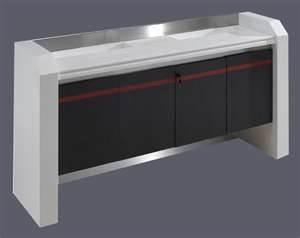
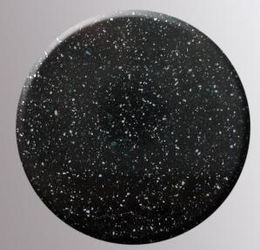
Beyond its practical advantages, the aesthetic potential of acrylic solid surface is truly boundless. The material can be manufactured in an astonishing array of colors, patterns, and textures. From the purest whites and deepest blacks to vibrant hues and intricate veining that rivals natural marble or granite, the palette is limited only by imagination. This chromatic versatility allows designers to achieve specific design visions, whether it’s a minimalist, monochromatic scheme or a bold, statement-making feature. Furthermore, the pigments are integrated throughout the material, meaning that any scratches or minor damage can often be buffed out, restoring the surface to its original glory without compromising the color or pattern. This deep color saturation is a hallmark of quality acrylic solid surface.
Perhaps one of the most captivating features of acrylic solid surface is its ability to exhibit translucency. Certain formulations of the material, when illuminated from behind, can cast a soft, ethereal glow. This property opens up a universe of design opportunities for backlighting applications. Think of reception desks that emanate a welcoming radiance, bar tops that create an inviting ambiance, or feature walls that become dynamic focal points. This interplay of light and material adds a layer of depth and sophistication to any space, transforming ordinary surfaces into extraordinary works of art. It’s a feature that truly sets acrylic solid surface apart from its more opaque counterparts.
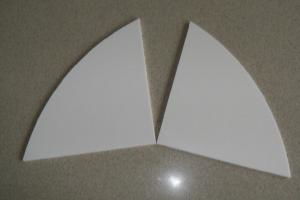
The manufacturing process itself is a marvel of modern material science. The raw ingredients – acrylic resins, alumina trihydrate (ATH) as a filler, pigments, and catalysts – are mixed and then cast into sheets or molded into specific shapes. The resulting material is then cured, sanded, and polished to achieve the desired finish. This controlled manufacturing process ensures consistent quality, color uniformity, and predictable performance characteristics. Unlike natural stone, which can have inherent flaws and variations, acrylic solid surface offers a reliable and predictable product, making it a trusted material for architects and designers working on large-scale projects where consistency is paramount. The ability to thermoform the material – to heat and bend it into curves and complex shapes – further expands its design potential, allowing for the creation of bespoke elements that would be impossible with rigid materials.
The evolution of acrylic solid surface has also seen a growing emphasis on sustainability. Manufacturers are increasingly employing eco-friendly production methods and exploring the use of recycled content in their formulations. The durability and renewability of acrylic solid surface also contribute to its sustainable profile. Because it can be repaired rather than replaced, its lifespan is extended, reducing waste. When it does eventually reach the end of its life, it can often be recycled. This commitment to environmental responsibility resonates with a growing segment of consumers and professionals who are prioritizing sustainable choices in their projects. In essence, acrylic solid surface is not just about creating beautiful spaces; it’s about creating them responsibly.
The versatility of acrylic solid surface is truly where its magic unfolds, extending its reach far beyond the realms of kitchen countertops and bathroom vanities. This adaptable material has woven itself into the fabric of contemporary architecture and interior design, proving its mettle in a diverse array of applications that demand both aesthetic excellence and robust performance. Its ability to be seamlessly integrated, its hygienic properties, and its boundless design potential make it an indispensable tool for creating environments that are both visually stunning and highly functional.
In the realm of commercial spaces, acrylic solid surface shines with exceptional brilliance. Consider the hospitality industry, where aesthetics and durability are paramount. Hotel lobbies often feature dramatic reception desks crafted from solid surface, illuminated from within to create a welcoming and luxurious first impression. Guest bathrooms might boast vanities with integrated sinks and shower surrounds, all formed from a single, seamless piece of material, offering an easy-to-clean and visually cohesive experience. Restaurants and bars benefit from durable, stain-resistant tabletops and bar tops that can withstand the rigors of daily use and are simple to maintain, ensuring a pristine appearance even after countless patrons. The non-porous nature of acrylic solid surface is a significant advantage in these high-traffic environments, as it resists the absorption of liquids, preventing the growth of bacteria and mold, and making it an inherently hygienic choice.
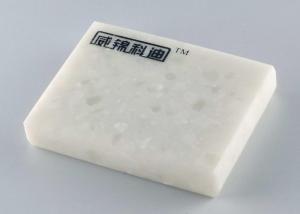
Healthcare facilities represent another sector where acrylic solid surface has become a material of choice. The stringent demands for cleanliness and infection control are perfectly met by its non-porous and seamless characteristics. Laboratory benchtops can be fabricated to be chemical-resistant and easy to sanitize, while patient room vanities and nurses’ stations can be designed for optimal hygiene and ease of maintenance. The ability to thermoform the material also allows for the creation of ergonomic designs, such as rounded edges and integrated sinks, that further enhance usability and minimize potential hazards. The soft, diffused light that can be achieved with translucent solid surface can also contribute to a more calming and healing environment for patients.
Retail environments also leverage the transformative power of acrylic solid surface. Display cases can be designed with sleek, modern lines and incorporated lighting to showcase merchandise effectively. Point-of-sale counters can be both visually appealing and incredibly durable, withstanding the constant interaction with customers and the placement of various items. The ability to customize colors and finishes allows brands to align their store fixtures with their corporate identity, creating a cohesive and memorable brand experience. Imagine a high-end boutique where the display shelving and counter areas are crafted from a luxurious, subtly veined solid surface, exuding an air of sophistication that complements the products being sold.
Beyond these commercial applications, acrylic solid surface has found its way into more specialized architectural uses. Its ability to be seamlessly integrated into walls, ceilings, and even furniture allows for the creation of flowing, organic forms that challenge conventional design paradigms. Architects and designers are using it to create custom-designed reception areas, information kiosks, and even artistic installations. The material’s adaptability to a wide range of fabrication techniques – including cutting, routing, sanding, and polishing – enables the creation of intricate details and complex geometries that would be difficult or impossible to achieve with other materials.
The translucent qualities of acrylic solid surface lend themselves to dramatic architectural statements. Backlit walls can create a sense of spaciousness and depth, while illuminated partitions can define zones within an open-plan space without sacrificing natural light. Feature elements like staircases or decorative screens can be designed to capture and refract light, transforming them into dynamic sculptures. This interplay of light and material adds a unique dimension to interior spaces, offering designers a powerful tool for manipulating ambiance and visual interest.
Furthermore, the repairability of acrylic solid surface is a significant advantage that contributes to its long-term value and sustainability. Minor scratches, chips, or stains can be professionally repaired by buffing or sanding the surface, effectively restoring it to its original condition. This not only extends the lifespan of the material but also reduces the need for costly replacements, minimizing waste and environmental impact. This inherent renewability is a key selling point for projects where longevity and low maintenance are critical considerations.
In conclusion, acrylic solid surface, or “亚克力人造石,” is far more than just a surface material; it’s a dynamic and innovative solution that empowers designers to push creative boundaries while meeting the practical demands of modern living and working. Its seamless integration, hygienic properties, infinite design possibilities, and growing commitment to sustainability make it a luminous heart of contemporary design, transforming spaces into functional works of art that endure. Whether it’s in a bustling commercial hub or a tranquil residential sanctuary, acrylic solid surface continues to redefine what’s possible, promising a future where beauty, functionality, and innovation coalesce seamlessly.









