
In the grand tapestry of modern design, where innovation and aesthetics intertwine to shape our living spaces, certain materials emerge with a quiet, yet undeniable, radiance. Among these luminous stars, artificial acrylic stone, known in Mandarin as “人造亚克力石材” (rénzào yàkèlì shítái), shines with a distinctive brilliance. This isn’t just a material; it’s a testament to human ingenuity, a versatile canvas for creative expression, and a cornerstone of contemporary living. Its rise from a clever chemical formulation to an indispensable element in kitchens, bathrooms, commercial interiors, and even architectural facades is a story woven with threads of practicality, beauty, and an ever-evolving vision of what our built environments can be.

The genesis of artificial acrylic stone lies in the mid-20th century, a period brimming with scientific discovery and a desire to imbue everyday objects with enhanced performance and visual appeal. Chemists and material scientists, driven by the limitations of natural stone – its inherent porosity, susceptibility to staining, and often prohibitive cost and weight – sought to create a material that could capture the elegance of marble or granite while offering superior functionality. The answer lay in the fascinating world of polymers, specifically acrylic resins, which, when combined with mineral fillers and pigments, could be molded into a non-porous, solid sheet with remarkable properties. This fusion of art and science gave birth to what we now recognize as solid surface materials, with artificial acrylic stone being a prominent and highly refined iteration.
What sets “人造亚克力石材” apart is its unique composition. It’s a homogeneous blend, meaning the color and pattern run through the entire thickness of the material. This is a critical distinction from many other manufactured stones, which may have a veneer or coating. This homogeneity translates into exceptional durability. Unlike natural stone that can chip or crack, revealing a different surface beneath, an acrylic stone surface, if scratched or damaged, can often be repaired and refinished to its original pristine condition. This inherent resilience makes it an ideal choice for high-traffic areas where wear and tear are inevitable.
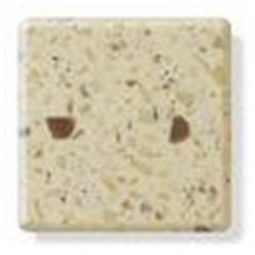
The aesthetic possibilities of artificial acrylic stone are virtually boundless. The acrylic resin acts as a binder for a diverse range of mineral fillers, and the addition of pigments allows for an astonishing spectrum of colors and patterns. From the crisp, clean whites that evoke modern minimalism to the deep, rich blacks reminiscent of polished obsidian, the palette is vast. Beyond solid colors, manufacturers can ingeniously replicate the veining and flecks of natural stones like marble, quartz, and granite, often with an uncanny resemblance. But the creative potential doesn’t stop there. Artificial acrylic stone can also be infused with metallic particles for a subtle shimmer, incorporate translucent elements to play with light, or even be custom-colored to match a specific design brief. This ability to tailor its appearance to precise specifications makes it an incredibly powerful tool for designers and architects seeking to achieve a specific ambiance or theme.
Consider the humble kitchen countertop. It’s a stage for culinary creativity, a gathering spot for family, and a hardworking surface that endures spills, heat, and countless daily tasks. Traditional materials often present compromises. Marble, while beautiful, stains easily and requires meticulous sealing. Granite, though more robust, can be heavy, porous, and often expensive. Laminates can chip and delaminate. Artificial acrylic stone, however, offers a compelling blend of form and function. Its non-porous nature means it resists stains from coffee, wine, and cooking oils, and it’s remarkably easy to clean – a simple wipe with a damp cloth is often all that’s needed. Its seamless integration is another significant advantage. Unlike tile or granite, which require grout lines or visible seams, artificial acrylic stone can be fabricated and installed with inconspicuous joints, creating a continuous, flowing surface. This not only enhances the aesthetic by eliminating visual clutter but also improves hygiene by preventing the buildup of bacteria and grime in hard-to-reach crevices.
The versatility of “人造亚克力石材” extends far beyond the kitchen. In bathrooms, it transforms vanities into elegant and practical features. Integrated sinks, seamlessly molded into the countertop, eliminate the usual caulked seams and create a sleek, easy-to-maintain basin. Shower walls clad in acrylic stone offer a spa-like experience, free from grout lines that can discolour and harbour mold. The material’s ability to be thermoformed – heated and bent into gentle curves – opens up a world of design possibilities, allowing for integrated backsplashes, curved vanity edges, and even freestanding sculptural elements. This adaptability makes it a preferred choice for custom projects where unique shapes and forms are desired.
As we move beyond the domestic sphere, artificial acrylic stone demonstrates its prowess in commercial and public spaces. The demanding environment of a busy restaurant, a bustling retail store, or a high-traffic airport terminal requires materials that can withstand constant use and maintain their aesthetic appeal. The durability, ease of maintenance, and vast design options of acrylic stone make it an excellent candidate for reception desks, bar tops, retail displays, and even wall cladding. Its ability to be fabricated into large, seamless panels can create a sense of grandeur and sophistication, while its hygienic properties are particularly valuable in healthcare settings, where cleanliness is paramount. The subtle play of light through translucent acrylic stone can also be harnessed in architectural elements, creating illuminated features that add a touch of modern magic to any space. The “人造亚克力石材” is, in essence, a material that doesn’t just serve a purpose; it enhances the experience of the spaces it inhabits, silently contributing to their beauty, functionality, and enduring appeal.

The narrative of artificial acrylic stone, or “人造亚克力石材” (rénzào yàkèlì shítái), continues to unfold, moving beyond its foundational strengths to explore the deeper implications of its existence in our designed world. It’s a material that speaks not only of technological advancement but also of our evolving relationship with the objects and environments we create. Its inherent qualities, from its near-endless aesthetic potential to its practical resilience, have positioned it as a material of choice for a generation increasingly attuned to both form and function, and increasingly conscious of the broader impact of their choices.
One of the most compelling aspects of artificial acrylic stone is its ability to be seamlessly fabricated and installed. This is not merely a superficial advantage; it has profound implications for both hygiene and design. Imagine a kitchen countertop or a bathroom vanity. In traditional materials, the junctions between different pieces, or between the countertop and the sink, create grout lines or sealant beads. These are not only visually disruptive, breaking the flow of the design, but they also become prime breeding grounds for bacteria, mold, and mildew. The non-porous nature of acrylic stone, combined with advanced fabrication techniques, allows for the creation of truly seamless surfaces. Sinks can be integrated directly into the countertop, forming a single, continuous piece. Backsplashes can rise vertically from the work surface without any visible joint. This not only creates a visually cleaner and more minimalist aesthetic but also significantly simplifies cleaning and maintenance, contributing to a healthier living or working environment. For professionals in the food service industry or healthcare, where stringent hygiene standards are non-negotiable, this seamless quality is a game-changer.

The adaptability of “人造亚克力石材” extends to its ability to be repaired and refinished. While exceptionally durable, no material is entirely impervious to damage. A deep scratch, a chip from an accidental impact, or stubborn discoloration can occur. However, unlike many other materials where such damage can be permanent, artificial acrylic stone offers a path to restoration. Skilled fabricators can often sand down the damaged area, effectively removing the imperfection, and then polish the surface back to its original luster. In some cases, entire sections can be replaced, ensuring that the material’s aesthetic integrity can be maintained for decades. This inherent reparability speaks to a more sustainable approach to material use, encouraging longevity and reducing the need for premature replacement. It’s a quiet rebellion against the throwaway culture, offering a material that ages gracefully and can be renewed.
Furthermore, the creative possibilities unlocked by artificial acrylic stone are truly exciting. The ability to thermoform the material – to heat it and shape it into curves, waves, and complex three-dimensional forms – opens up a universe of design opportunities that were previously unimaginable or prohibitively expensive with other materials. This allows architects and designers to move beyond rectilinear forms and embrace organic shapes, sculptural elements, and fluid transitions. Think of a reception desk that swoops and curves to greet visitors, a retail display that mimics the flow of fabric, or a wall panel that incorporates subtle undulating patterns. This thermoforming capability, coupled with the vast range of colors and patterns available, means that artificial acrylic stone can be precisely tailored to any design vision, from the ultra-modern and minimalist to the more decorative and expressive. It empowers designers to push boundaries and create truly bespoke environments.
The tactile experience of artificial acrylic stone is also worth noting. It possesses a smooth, almost velvety finish that is pleasant to the touch. This contrasts with the often-cold, hard feel of natural stone or metal. This subtle warmth and smoothness contribute to a more inviting and comfortable atmosphere, making spaces feel more livable and welcoming. When combined with its visual appeal, this tactile quality enhances the overall sensory experience of interacting with the material.
In the realm of sustainability, artificial acrylic stone offers a complex but increasingly positive picture. While its production involves chemical processes and energy consumption, its long lifespan, reparability, and the potential for a lower-impact manufacturing footprint compared to the quarrying and transportation of natural stone are significant considerations. Many manufacturers are also investing in more sustainable production methods, exploring the use of recycled content in their formulations, and developing products with lower VOC (Volatile Organic Compound) emissions. When chosen for its durability and ease of maintenance, which reduces the need for harsh cleaning chemicals and frequent replacements, artificial acrylic stone can indeed be a responsible material choice. Its ability to mimic natural materials also means that we can achieve the desired aesthetic without the environmental pressures associated with extracting finite natural resources.
The story of “人造亚克力石材” is one of continuous evolution. As material science advances, so too will the capabilities and applications of this remarkable substance. We are seeing developments in its use for exterior cladding, where its weather resistance and design flexibility are being explored. Innovations in translucency and light-emitting capabilities are transforming it into a luminous medium for architectural features and artistic installations. The future promises even more sophisticated finishes, enhanced performance characteristics, and perhaps even greater integration with smart technologies.
Ultimately, artificial acrylic stone is more than just a building material; it is an enabler of dreams. It provides designers and homeowners with a palette and a toolkit to bring their visions to life, to create spaces that are not only beautiful and functional but also enduring and adaptable. It’s a testament to how human innovation can harness the power of chemistry to craft materials that enhance our lives, elevate our environments, and quietly contribute to the ever-evolving landscape of modern design. The “人造亚克力石材,” with its luminous heart and versatile spirit, has firmly cemented its place as a fundamental element in the architecture of our contemporary world.









