
The whisper of luxury, the embrace of nature’s artistry, the silent promise of enduring beauty – these are the sensations that greet you when you encounter quartzite. It’s a material that transcends mere function, elevating spaces from the ordinary to the extraordinary. Yet, amidst the visual feast, a practical question often surfaces, a gentle hum beneath the surface of aesthetic appreciation: “How much does this stunning stone actually cost?” In the global marketplace, the query “石英石多少钱一吨” (Shíyīngshí duōshao qián yī dūn) – or “How much is quartzite per ton?” – reflects a fundamental desire to understand the tangible value of this geological marvel.

While a direct per-ton price for raw, unprocessed quartzite can be elusive and highly variable based on quarry location, quality, and global market dynamics, it’s more helpful for homeowners to think about the cost of finished quartzite products. The journey from a rough boulder deep within the earth to a polished, gleaming countertop or a sleek wall cladding involves significant processes, each contributing to the final price. Understanding these stages offers a clearer picture of where your investment is going.
First, there’s the extraction. Quartzite, a metamorphic rock formed from sandstone subjected to intense heat and pressure over millions of years, is quarried from select locations worldwide. These operations are complex, requiring specialized machinery and skilled labor to carefully extract large blocks of stone without compromising their integrity. The accessibility of the quarry, the geological conditions, and the sheer volume of extraction all play a role in the initial cost. Imagine the Herculean effort involved in bringing these massive, beautiful formations to the surface – it’s a foundational element of the price.
Following extraction, the blocks are transported to processing facilities. This is where the raw material begins its transformation. Here, the blocks are cut into slabs of various thicknesses, typically ranging from 2cm to 3cm. This sawing process itself requires precision diamond-tipped saws and substantial energy, contributing to the overall cost. The quality of the cut and the consistency of the slab thickness are paramount for subsequent fabrication and installation.
Once cut, the slabs undergo further refinement. This includes polishing to achieve that signature luminous sheen, honing for a softer, matte finish, or even leathering for a textured, tactile surface. The degree of polish, the consistency of the finish across the entire slab, and the labor involved in achieving these aesthetic qualities all add to the expense. Some finishes, like a highly polished mirror finish, demand more meticulous attention and can command a higher price.
Beyond these primary processing steps, other factors contribute to the per-square-foot or per-square-meter pricing that homeowners typically encounter. The rarity and uniqueness of the particular quartzite variety are significant drivers. Just as in the art world, certain colors, veining patterns, and geological formations are more sought after and thus command a premium. Think of a quartzite slab with dramatic, sweeping veins of gold or deep, contrasting blues – these are the showstoppers that artists of interior design dream of, and their exclusivity is reflected in their cost. Varieties with intricate, natural patterns that mimic marble but offer superior durability are particularly prized.
Geographical location also plays a role. The cost of labor, energy, and transportation varies significantly from region to region. If you’re sourcing quartzite from a quarry on one continent and fabricating it in another, the shipping costs can be substantial, impacting the final price you see in your local showroom. Furthermore, the reputation and craftsmanship of the fabricator and installer are crucial. A highly skilled team capable of intricate edge details, seamless joins, and precise templating will naturally charge more for their expertise and the assurance of a flawless finish.
The thickness of the slab is another direct determinant of cost. Thicker slabs, while offering a more substantial feel, will naturally contain more material and therefore be more expensive. Standard thicknesses usually suffice for most applications, but for those seeking an extra touch of grandeur, opting for a thicker slab is an option that comes with a commensurate price tag.
The term “per ton” in “石英石多少钱一吨” can be a bit misleading when applied to finished products. While it speaks to the raw material’s weight, the value for a homeowner is in the usable surface area and the aesthetic appeal it brings. Therefore, pricing is almost universally presented per square foot or per square meter. This pricing structure accounts for the material cost, fabrication labor, and often a portion of the installation. The beauty of quartzite lies in its natural variation; no two slabs are exactly alike, offering a unique piece of the earth for your home. This inherent individuality is part of its allure and contributes to its perceived value. Understanding these layers of cost demystifies the pricing and allows for a more informed appreciation of the investment in this magnificent natural stone.
Moving beyond the cost, the true allure of quartzite, and the reason behind its growing popularity among discerning homeowners, lies in its remarkable blend of natural beauty and exceptional performance. When you invest in quartzite, you’re not just purchasing a surface; you’re acquiring a piece of geological artistry that offers a compelling array of benefits, making the “石英石多少钱一吨” question less about the raw weight and more about the enduring value it brings to your living spaces.
One of the most compelling advantages of quartzite is its extraordinary durability. Nature, in its infinite wisdom, has forged this stone under immense heat and pressure, resulting in a material that is exceptionally hard and resilient. In fact, on the Mohs scale of mineral hardness, quartzite typically scores a 7 out of 10, placing it on par with or even surpassing granite in many instances. This means it’s highly resistant to scratching, chipping, and etching. Imagine a bustling kitchen, the heart of many homes, where knives might accidentally glide across a surface, or hot pans are momentarily placed down. With quartzite, you can have peace of mind knowing that your countertops are built to withstand the rigors of daily life without succumbing to the wear and tear that less robust materials might endure. This inherent strength translates into a longevity that far surpasses many other countertop options, making it a wise long-term investment.
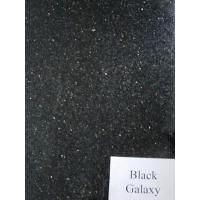
The aesthetic appeal of quartzite is equally captivating. While it shares some visual similarities with marble, particularly in its veining and subtle color variations, quartzite offers a far more robust and forgiving surface. Its natural patterns can range from delicate, subtle swirls to bold, dramatic formations, creating a unique focal point in any room. Colors can span a wide spectrum, from crisp whites and soft grays to warm beiges, earthy browns, and even vibrant hues of green, blue, and rose. Each slab is a one-of-a-kind masterpiece, ensuring that your kitchen island, bathroom vanity, or feature wall will possess an individuality that cannot be replicated. This natural variation is not a flaw but rather a testament to its origin, a story etched in stone.
Furthermore, quartzite is remarkably heat resistant. While it’s always advisable to use trivets for extremely hot items, quartzite can generally withstand moderate heat without sustaining damage or discoloration. This is a significant advantage in a kitchen environment where the quick placement of a warm pot or pan is commonplace. Unlike some engineered stones or laminates that can scorch or warp, quartzite maintains its integrity and beauty under thermal stress.
Maintenance is another area where quartzite shines. While it is a natural stone and therefore porous to some degree, most quartzite varieties are exceptionally dense, meaning they absorb very little liquid. When properly sealed – a straightforward process typically recommended annually or bi-annually depending on usage – quartzite becomes highly resistant to staining. Spills of wine, coffee, or oil are unlikely to penetrate the surface and leave unsightly marks. A simple wipe-down with mild soap and water is usually all that’s needed for everyday cleaning, making it a practical choice for busy households. This ease of care contributes significantly to its value proposition, saving time and effort in the long run.
In terms of application, quartzite’s versatility is astounding. Its beauty and durability make it an ideal choice for kitchen countertops, bathroom vanities, and backsplashes. However, its applications extend far beyond these traditional uses. It can be used for shower walls, fireplace surrounds, flooring, and even as an exterior cladding material in some climates. Its ability to withstand the elements and its inherent elegance make it a sophisticated choice for a wide range of design projects, both interior and exterior. The sheer adaptability of this stone allows designers and homeowners to realize ambitious and beautiful visions.
Ultimately, the “石英石多少钱一吨” question, when translated into the context of a finished product, represents an investment in a material that offers unparalleled beauty, exceptional durability, and low maintenance. It’s a choice that speaks to a desire for quality, a commitment to enduring style, and an appreciation for the magnificent artistry of the natural world. Quartzite is more than just a surface; it’s a statement, a testament to timeless elegance that will grace your home for generations to come.









