
The humble windowsill, often overlooked in the grand tapestry of interior design, holds a quiet power. It’s a canvas for sun-drenched moments, a perch for pensive gazes, and a silent witness to the changing seasons. Traditionally, materials like wood, concrete, or even basic plaster have graced these edges. But in the ever-evolving landscape of home aesthetics and functionality, a new contender has emerged, gracefully taking center stage: the artificial stone windowsill. This isn’t just a slab of material; it’s a statement, a subtle yet significant enhancement that elevates the ordinary to the extraordinary.

When we talk about artificial stone for windowsills, we’re not talking about a cheap imitation. We’re referring to a sophisticated fusion of technology and artistry, where natural stone’s inherent beauty is meticulously replicated and often enhanced. Think of quartz, engineered marble, or even advanced solid surfaces. These materials are celebrated for their remarkable durability, their resistance to stains and scratches, and their sheer aesthetic versatility. Unlike their natural counterparts, they offer a level of consistency in pattern and color that designers and homeowners alike often crave. No more worrying about veining that clashes or a shade that deviates from your carefully curated palette. Artificial stone offers a predictable perfection, a seamless integration into any design scheme, from the minimalist chic of a modern apartment to the rustic charm of a country cottage.
The allure of an artificial stone windowsill extends far beyond its visual appeal. Functionality is paramount, and these surfaces deliver in spades. Imagine a windowsill that can withstand the rigors of daily life – the accidental spill of coffee, the scrape of a potted plant, the direct glare of harsh sunlight. Artificial stone is engineered for precisely these challenges. Its non-porous nature makes it exceptionally resistant to stains, meaning that a rogue splash of red wine or a smudge of dirt from a gardening project won’t leave a lasting scar. This inherent resistance to absorption also translates to superior hygiene, a significant advantage, especially in kitchens and bathrooms where moisture and potential contaminants are more prevalent.
Furthermore, the durability of artificial stone is a major selling point. It’s not prone to chipping or cracking like some natural stones can be, nor does it succumb to the warping or rotting that can plague wooden sills over time, particularly in humid environments. This resilience means that your investment in an artificial stone windowsill is a long-term one. It’s a surface that will maintain its pristine appearance for years to come, requiring minimal maintenance and no special sealing treatments. A simple wipe down with a damp cloth is often all that’s needed to keep it looking as good as new. This ease of care is a dream for busy homeowners who want beauty without the burdensome upkeep.
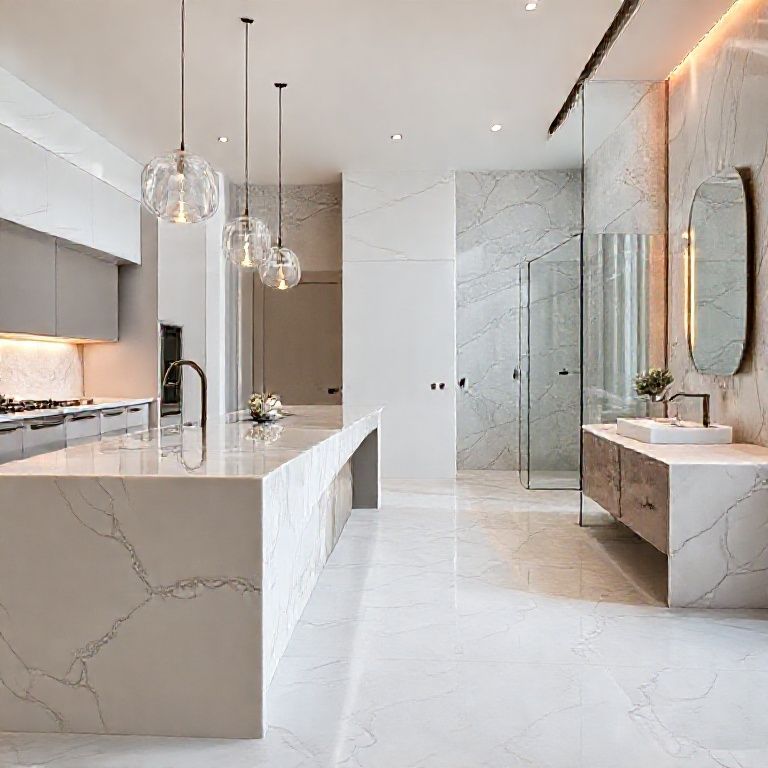
The design possibilities with artificial stone are, quite frankly, astounding. Manufacturers have mastered the art of replicating the look of coveted natural stones, from the dramatic veining of Carrara marble to the earthy warmth of granite. But they don’t stop there. You can find artificial stone in a kaleidoscope of colors, from subtle neutrals that blend seamlessly with your walls to bold, vibrant hues that act as a striking focal point. The finishes can range from a highly polished, mirror-like sheen to a more subdued, matte texture, allowing for a level of customization that caters to every individual taste and interior design trend. This adaptability makes artificial stone windowsills a truly versatile choice, capable of enhancing a multitude of architectural styles and personal preferences.
Now, let’s address the elephant in the room, or rather, the stone on the ledge: the cost. The question that inevitably arises when considering any home improvement project is, “How much will it set me back?” For artificial stone windowsills, the primary metric used for pricing is the cost per meter. This linear measurement simplifies the budgeting process, allowing you to estimate the overall expense based on the length of the windowsills you wish to replace or install. However, understanding what influences this “cost per meter” is crucial for making an informed decision. It’s not a one-size-fits-all figure, and a variety of factors contribute to the final price tag.
One of the most significant determinants of the cost per meter is the type of artificial stone itself. Quartz countertops, for instance, are often at the higher end of the spectrum due to the complex manufacturing process involved and the high percentage of natural quartz crystals they contain. Engineered marble, while often more affordable than real marble, still carries a price point reflecting the sophisticated techniques used to create its realistic appearance. Other advanced solid surfaces might fall somewhere in between, offering a balance of cost and performance. The specific brand and manufacturer also play a role, with some names commanding a premium due to their reputation for quality, innovation, or specific proprietary technologies.
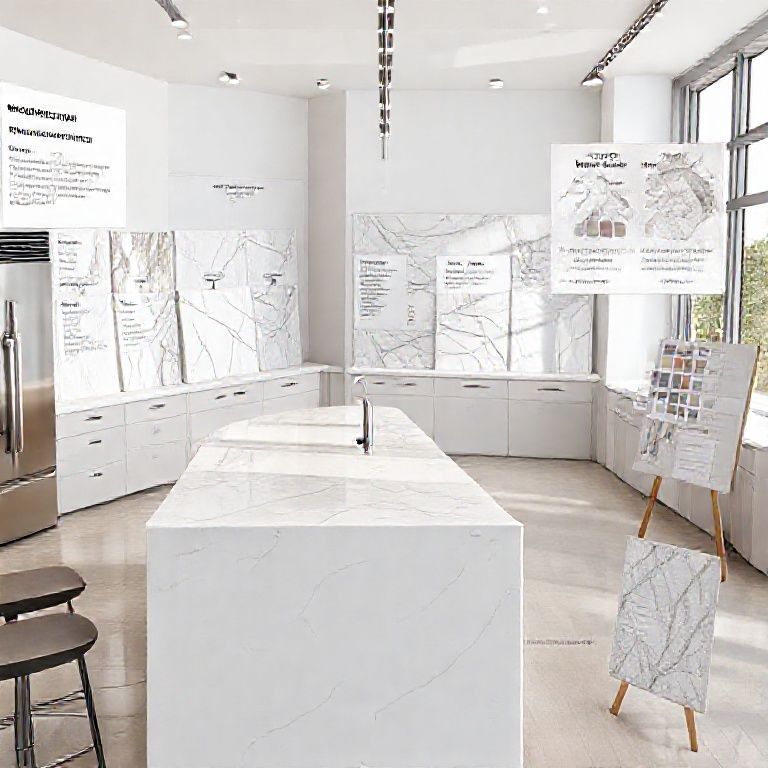
The thickness and depth of the artificial stone slab will also directly impact the cost per meter. A thicker, more substantial slab will naturally require more material and a more robust manufacturing process, thus increasing the price. Similarly, the complexity of the edge profile can influence the cost. A simple, straight edge will be less expensive than a more intricate ogee or bullnose edge, which requires more skilled labor and specialized tooling to achieve. These details, while seemingly minor, contribute to the overall aesthetic and can add to the expense.
The color and pattern of the artificial stone can also affect its price. While many standard colors are readily available at a consistent price, more complex or exotic patterns, especially those that closely mimic rare natural stones, might come with a higher cost. This is often due to the intricate design processes or specialized pigments used to achieve these unique looks. Finally, and perhaps most obviously, the supplier or fabricator you choose will have a significant impact on the cost per meter. Different companies will have varying overheads, labor costs, and profit margins, leading to price discrepancies. It’s always wise to obtain multiple quotes to ensure you’re getting a fair price for the quality of material and service you expect. Understanding these variables is the first step in navigating the world of artificial stone windowsills and determining the investment required to bring this touch of refined elegance to your home.
The journey into the world of artificial stone windowsills is one that seamlessly blends aesthetics with practicality, and understanding the cost, particularly the cost per meter, is key to unlocking this potential. As we’ve explored, the price isn’t a fixed entity but rather a dynamic figure influenced by material type, thickness, edge profiles, and design intricacies. But let’s delve deeper into how these elements translate into tangible choices for homeowners and designers, and how the “cost per meter” framework helps us envision the transformation of our living spaces.
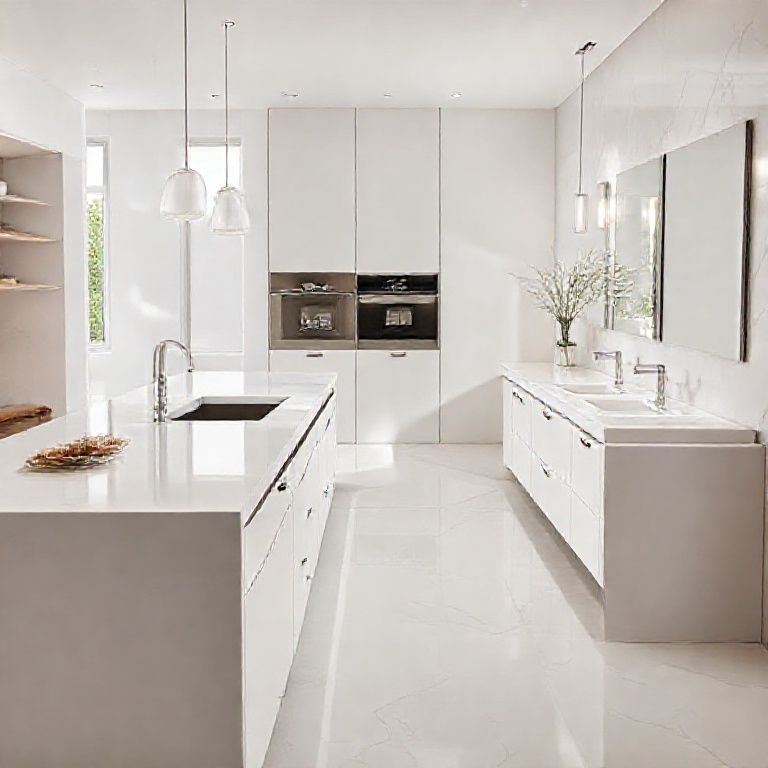
When considering the material, the choice between quartz, engineered marble, and other solid surfaces presents a fascinating interplay of desired look and budget. Quartz, with its high quartz content, offers unparalleled hardness and resistance to stains, making it an excellent, albeit often pricier, option for high-traffic areas or kitchens where durability is paramount. Its consistent patterns and wide range of colors, from subtle whites to deep blacks and vibrant blues, allow for a truly bespoke feel. Engineered marble, on the other hand, often captures the classic elegance of natural marble at a more accessible price point. While it may not possess the same extreme hardness as quartz, its non-porous nature and appealing aesthetic make it a popular choice for creating a sophisticated ambiance without the significant investment or maintenance concerns of real marble. Other advanced composite materials offer a spectrum of possibilities, often balancing cost-effectiveness with impressive performance and design flexibility. Each material has its unique selling proposition, and understanding these differences is vital when evaluating the cost per meter. A meter of high-end quartz will naturally command a higher price than a meter of a standard composite material.
The thickness and depth of the chosen artificial stone are also crucial considerations. A standard windowsill might be around 2cm thick, offering a robust and durable surface. However, for a more dramatic or luxurious statement, a thicker slab, perhaps 3cm or even more, might be desired. This increased thickness not only adds to the visual weight and presence of the windowsill but also requires more raw material and potentially a more intensive fabrication process, directly increasing the cost per meter. Similarly, the depth of the windowsill, which determines how far it extends from the wall, will also influence the material required and thus the overall cost. A deeper windowsill will, quite logically, require more material per linear meter.
The edge profile is where a touch of personal flair can truly shine, and it’s an area where costs can diverge significantly. A simple eased or square edge is the most straightforward and economical option, offering a clean, modern look. Moving up in complexity, a bullnose edge (rounded) or a cove edge (decorative groove) adds a softer, more traditional feel, and these typically incur slightly higher fabrication costs due to the additional machining and finishing required. For truly ornate designs, like a sculpted ogee or a detailed chamfer, the craftsmanship involved increases, and consequently, so does the cost per meter. These more elaborate edges can transform a basic windowsill into a piece of functional art, and the premium reflects that artistry.
Color and pattern play a significant, though sometimes subtle, role in pricing. While manufacturers strive for consistency, certain colors or patterns might be considered more premium due to the complexity of their creation or the perceived desirability of their aesthetic. For example, a pattern that meticulously replicates a rare, highly sought-after natural stone might carry a higher price tag than a more common, solid color. Similarly, intricate veining or unique color combinations could add to the cost. This is where personal preference meets market demand, and understanding these nuances can help in finding the perfect balance between aesthetic ambition and budgetary reality.
When you embark on the quest for artificial stone windowsills, you’ll encounter a variety of suppliers and fabricators. The “cost per meter” they quote will be a culmination of all these factors: the material choice, its specifications (thickness, depth), the chosen edge profile, and any specific design elements. It’s also important to consider what is included in that per-meter price. Does it include installation? Templating? Removal of old windowsills? Often, the quoted price is for the material itself, with installation being an additional cost. Understanding this distinction is vital for accurate budgeting. Some fabricators might offer package deals that include measurement, fabrication, and installation, which can sometimes be more cost-effective than sourcing these services separately.
The beauty of the “cost per meter” pricing model is its scalability. Whether you have a single small window or an entire house to outfit, this metric allows for straightforward calculation. For a small apartment, the investment might be manageable, transforming a few key windows into elegant features. For a larger home, the cumulative cost can be significant, but it represents a substantial upgrade in both aesthetics and property value. It’s about making a considered investment in the details that define a home’s character and enhance its livability.
Ultimately, the decision to invest in artificial stone windowsills is a deeply personal one, guided by individual taste, functional needs, and, of course, budget. The “cost per meter” serves as a practical guide, transforming abstract desires into concrete financial considerations. By understanding the interplay of material, design, and fabrication, homeowners and designers can confidently navigate this landscape, selecting surfaces that not only meet their aesthetic aspirations but also offer lasting durability and ease of maintenance. The luminous ledge, brought to life with artificial stone, is more than just a windowsill; it’s an opportunity to infuse your living space with a touch of enduring elegance, a subtle yet profound enhancement that whispers sophistication and welcomes the light.









