The Exquisite Quality and Pricing of Marble Per Square Meter
When it comes to luxury interior design, marble stands as a timeless and quintessential choice. Its natural beauty, coupled with unparalleled durability, makes it a favorite among architects, designers, and homeowners alike. However, understanding the cost of marble per square meter can be complex, given the wide variety of types, colors, and finishes available. Let’s dive into the luxurious appeal of marble and unravel the factors that influence its pricing.

The Timeless Beauty of Marble
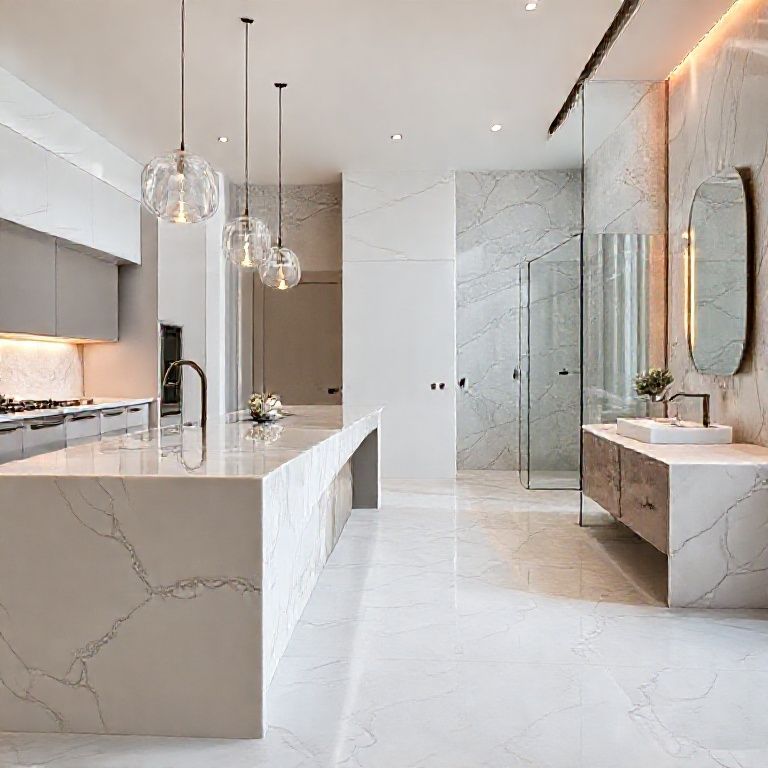
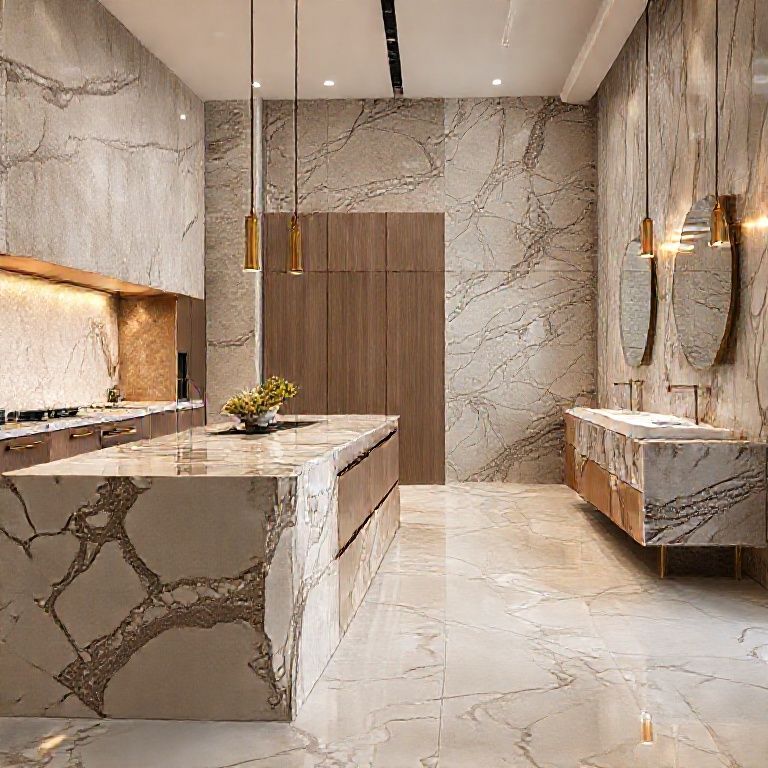
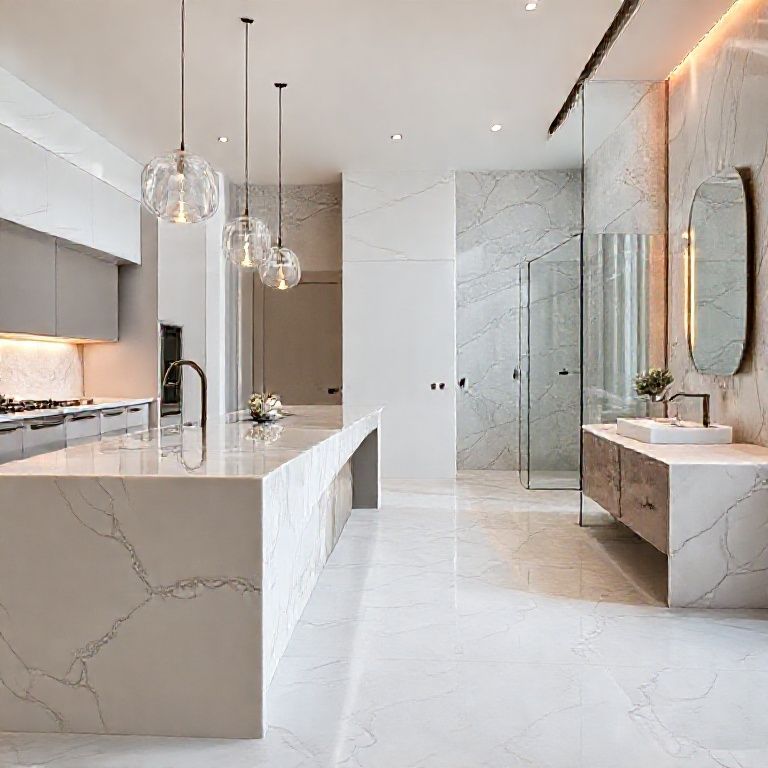
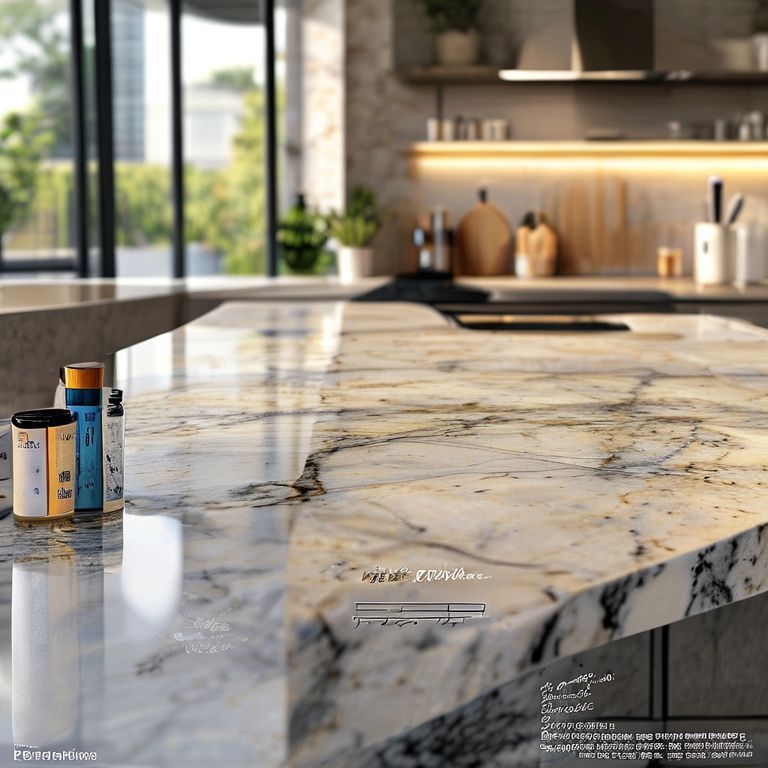
Marble is a metamorphic rock formed when limestone undergoes intense heat and pressure over millions of years. This natural process creates a stunning array of colors, patterns, and textures, making each piece of marble unique. The beauty of marble lies in its natural veins and striations, which add character and elegance to any space. From the grand staircases of historic palaces to the sleek countertops of modern kitchens, marble has consistently been a symbol of opulence and sophistication.
Varieties and Quality
There are numerous types of marble, each with distinct characteristics that affect both its aesthetic appeal and pricing. Here are some of the most popular varieties:
Italian Marble: Known for its high quality and exquisite beauty, Italian marble is a top choice for luxury projects. Varieties like Carrara and Bianco Statuario offer breathtaking white hues with intricate veining, making them ideal for high-end settings.
Indian Marble: India is a global leader in marble production, offering a wide range of colors and finishes. Marbles like Black Leo, Imperial Red, and Pink Michelangelo are renowned for their rich, vibrant hues and are often used in both residential and commercial spaces.
Turkish Marble: Turkish marble is celebrated for its unique patterns and colors. Varieties like Imperial White and Royal White are popular for their pure, creamy white appearance with subtle veining.
Brazilian Marble: Known for its striking patterns and colors, Brazilian marble is a favorite among designers. Marbles such as Travertine and Onix offer bold, eye-catching designs that add dramatic flair to any room.
Factors Influencing Marble Pricing
The cost of marble per square meter can vary widely based on several factors:
Type and Quality: Higher-quality marble with more intricate patterns and less visible imperfections tends to be more expensive. Marble sourced from renowned quarries, such as Carrara in Italy, generally commands a higher price.
Color and Finish: Marbles with rare or vibrant colors and unique finishes, such as brushed, honed, or polished, will typically cost more. Colors that are harder to achieve naturally, like deep blacks or unique patterns, can also drive up the price.
Thickness and Size: Thicker marble slabs often require more labor and materials to install, thus increasing the overall cost. Larger slabs that reduce the number of cuts needed can also be more economical.
Import and Transport Costs: Marble sourced from countries outside your local market will incur additional costs for import and transportation, affecting the final price.
Installation Costs: The complexity of the installation process can impact the overall cost. Marble that requires specialized installation techniques or additional support structures will be more expensive.
Average Pricing Range
On average, the cost of marble per square meter ranges from $50 to $500, depending on the type, quality, and specific design requirements. Here’s a general breakdown:
Low-end: $50 – $100 per square meter (commonly used for tiles and less intricate surfaces) Mid-range: $100 – $300 per square meter (used for countertops, floors, and less complex installations) High-end: $300 – $500+ per square meter (used for luxury installations, intricate patterns, and top-tier quality)
Conclusion
Marble’s timeless beauty and luxurious appeal make it a standout choice for those seeking to elevate their interior spaces. Understanding the various types, qualities, and factors influencing marble pricing helps in making informed decisions that align with your design vision and budget. In the next part, we will explore the installation process, maintenance tips, and trends shaping the future of marble usage in interior design.
Installation, Maintenance, and Future Trends in Marble Pricing Per Square Meter
In this second part, we will delve deeper into the installation and maintenance of marble, offering insights into ensuring the longevity and beauty of your marble surfaces. Additionally, we will explore the future trends that may influence marble pricing per square meter.
Installation of Marble: Techniques and Considerations
Proper installation of marble is crucial to ensure its longevity and maintain its stunning appearance. Here are some key techniques and considerations for marble installation:
Surface Preparation: Before installing marble, the surface must be thoroughly cleaned and prepped. Any grease, dirt, or old adhesive should be removed to ensure a strong bond between the marble and the underlying surface.
Adhesive Selection: Using a high-quality adhesive specifically designed for marble is essential. The adhesive should provide sufficient grip and flexibility to accommodate the natural expansion and contraction of marble.
Cutting and Fitting: Precise cutting and fitting are vital for a seamless installation. Marble can be cut using specialized tools like diamond saws. Fitting pieces together requires careful planning to minimize gaps and ensure a uniform look.
Setting and Curing: Once the marble is in place, it must be set and allowed to cure properly. This involves applying gentle pressure and allowing the adhesive to fully cure, often taking several days.
Sealing: Sealing marble after installation is crucial to protect it from stains and moisture. A high-quality marble sealer should be applied according to the manufacturer’s instructions to maintain the surface’s beauty and durability.
Maintenance Tips for Marble
Proper maintenance of marble surfaces is essential to keep them looking pristine over time. Here are some key tips:
Regular Cleaning: Marble should be cleaned regularly with a soft cloth and a pH-neutral cleaner. Avoid using abrasive cleaners or sponges that can scratch the surface.
Immediate Stain Treatment: Stains should be treated immediately to prevent them from setting into the marble. Use a marble cleaner or a solution of water and vinegar to remove spills promptly.
Avoiding Acidic Foods: Acidic foods and drinks, such as citrus juices and vinegar, should be served on non-marble surfaces to prevent etching and staining.
Sealing Periodically: Regular sealing of the marble surface helps maintain its protective barrier against stains and moisture. Depending on usage, sealing may be required every 6 to 12 months.
Using Marble Protectors: Place coasters, trivets, and other protective items under hot dishes and appliances to prevent thermal damage and scratches.
Future Trends in Marble Pricing
The world of marble is ever-evolving, with new trends and innovations shaping its future. Here are some trends that may influence marble pricing per square meter in the coming years:
Sustainable Marble: As sustainability becomes a priority, eco-friendly marble options are gaining popularity. Marble sourced from regions with stringent environmental regulations and produced using sustainable methods may become more prevalent, potentially affecting pricing.
Advancements in Technology: Technological advancements in marble production and installation may lead to more efficient processes, reducing costs. Innovations in cutting, sealing, and installation techniques could make high-quality marble more accessible.
Custom and Unique Designs: Custom and unique marble designs, incorporating mixed colors and patterns, are on the rise. These bespoke creations often involve more labor and materials, potentially driving up prices.
Global Market Dynamics: The global market for marble is influenced by factors such as supply and demand, geopolitical events, and economic conditions. Fluctuations in these areas can impact the pricing of marble on an international scale.
Digital Marble: Digitally printed marble, which incorporates technology to create marble-like surfaces using other materials, is becoming more popular. While this may offer cost-effective alternatives, true marble continues to hold its value for its natural beauty and durability.
Conclusion
Marble remains a symbol of luxury and elegance in interior design, with its timeless beauty and durability making it a perennial favorite. Understanding the factors that influence marble pricing per square meter, from type and quality to installation and maintenance, helps in making informed decisions that enhance the aesthetic appeal of your space. As trends evolve and new technologies emerge, the future of marble continues to shine brightly, offering both timeless beauty and innovative possibilities. Whether you’re renovating a home or designing a commercial space, marble’s enduring allure ensures it will remain a top choice for years to come.