The Humble Origins of Baking Soda: Unveiling Its Power
Baking soda, also known as sodium bicarbonate, is a white crystalline powder that has been used for centuries in various applications. Initially discovered in ancient Egypt, where it was used to purify water, baking soda has found its way into kitchens worldwide as a versatile ingredient in baking and cleaning.

The Science Behind Baking Soda
Baking soda is composed of one molecule of sodium bicarbonate. It’s alkaline, meaning it has a pH level higher than that of water, which makes it particularly effective in neutralizing acids. This unique property is what gives baking soda its cleaning prowess. When combined with acidic substances, it creates a fizzy reaction that helps to break down dirt and grime.
Baking Soda in Everyday Cleaning
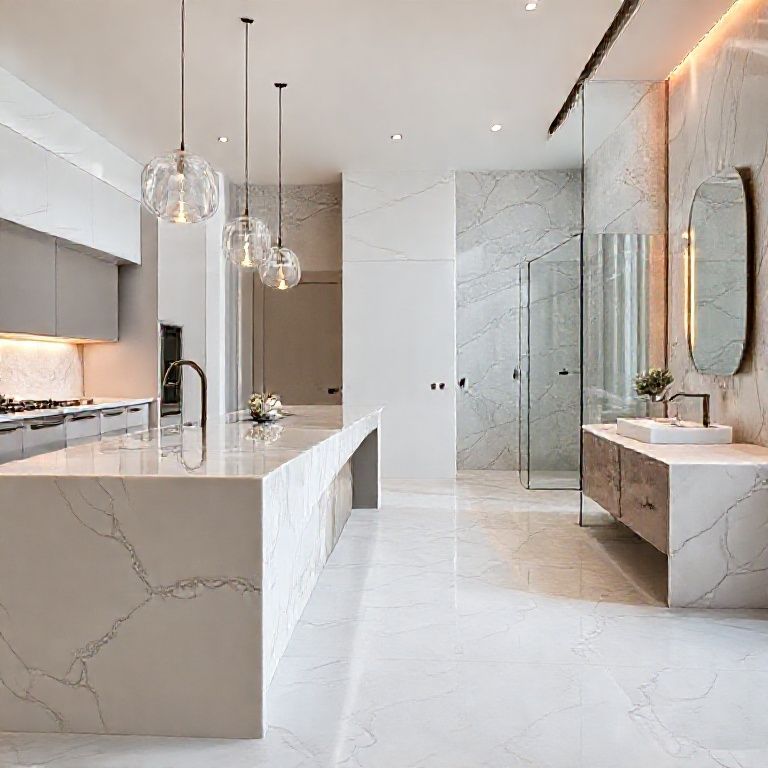
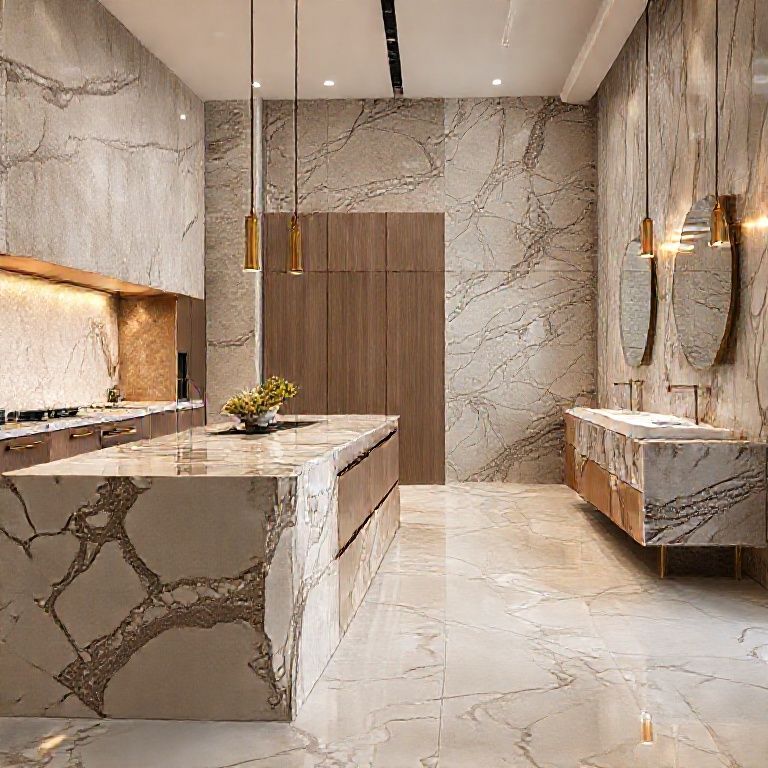
From deodorizing refrigerators to unclogging drains, baking soda is a staple in most households. Its mild abrasiveness makes it an excellent scrubbing agent, capable of tackling stains without scratching surfaces. This characteristic makes it a favorite for cleaning marble, a naturally beautiful stone often used in countertops, flooring, and even decorative items.
The Nature of Marble
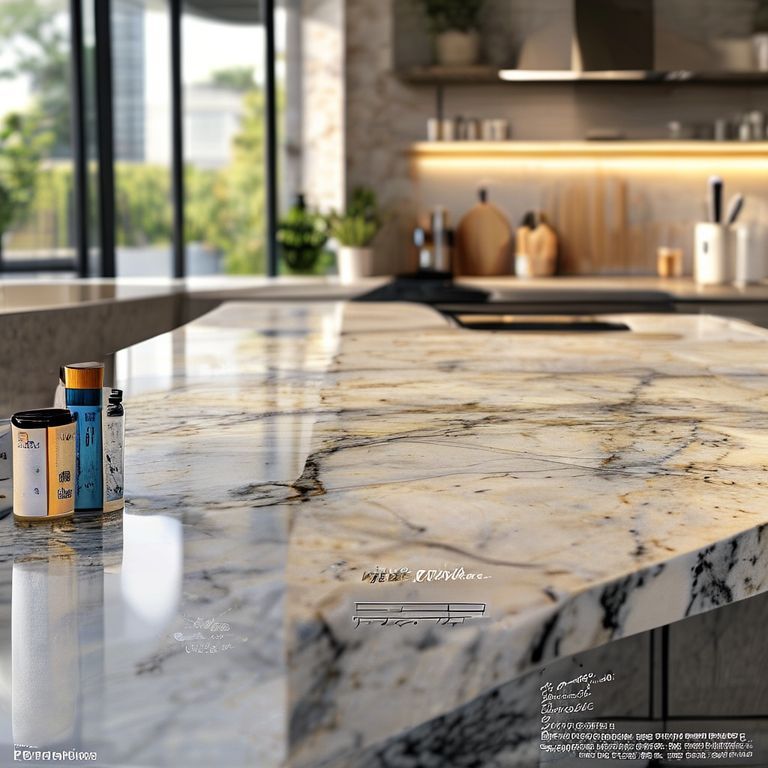
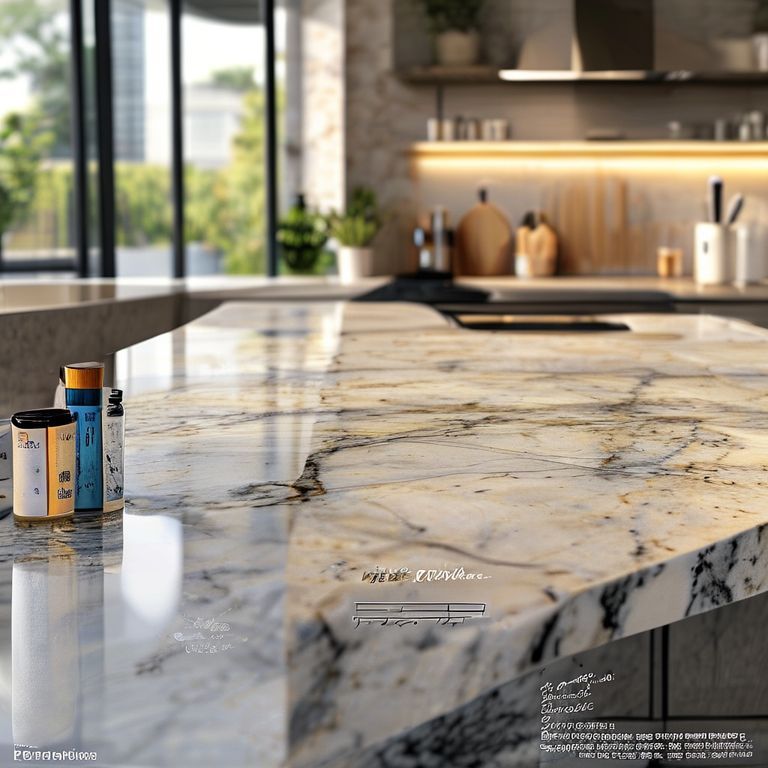
Marble is a metamorphic rock composed of recrystallized carbonate minerals, most commonly calcite or dolomite. It’s prized for its aesthetic appeal and durability, but it’s also prone to staining and etching from acidic substances. This makes the maintenance of marble surfaces a bit tricky, and homeowners often seek natural, non-toxic solutions to keep their marble looking pristine.
Can Baking Soda Really Help?
While baking soda is effective in many cleaning applications, its use on marble surfaces raises some questions. Can this household favorite truly remove stains without damaging the marble? To answer this, we need to delve into the specific characteristics of marble and the nature of baking soda.
The Delicate Balance of Cleaning Marble
Marble is softer than many other types of stone, which means it can be susceptible to scratches and etchings. When it comes to cleaning marble, it’s essential to use products that won’t harm the surface. Baking soda, with its mild abrasiveness, can be effective in scrubbing away stains but must be used carefully to avoid scratching.
Natural Cleaning vs. Chemical Cleaners
Many commercial cleaning products for marble contain harsh chemicals that can damage the stone over time. Baking soda offers a more natural alternative, but it’s crucial to understand how to use it correctly. Baking soda’s alkaline properties can help neutralize acids that cause stains, but it’s important to avoid abrasive scrubbing methods that could scratch the marble.
Effective Cleaning Techniques
To effectively use baking soda on marble surfaces, consider the following techniques:
Create a Baking Soda Paste: Mix baking soda with a small amount of water to form a paste. This method reduces the abrasiveness compared to dry baking soda and allows for gentle scrubbing.
Test in an Inconspicuous Area: Before applying the paste to a large area, test it in a small, inconspicuous spot to ensure it doesn’t damage the marble.
Use a Soft Cloth or Sponge: When applying the baking soda paste, use a soft cloth or sponge to avoid scratching the surface.
Rinse Thoroughly: After scrubbing, rinse the area thoroughly with water to remove all baking soda residue.
Dry Completely: Use a clean, dry cloth to wipe the surface completely to prevent water spots and potential damage.
Common Stains and Their Treatment
Baking soda can be effective in treating various types of stains on marble, including:
Coffee and Tea Stains: Baking soda’s alkaline nature helps neutralize the acids in coffee and tea, making it easier to remove stains. Food Spills: Grease and food particles can leave unsightly marks on marble. A baking soda paste can help lift these residues. Wine Stains: Red wine, with its tannins, can be particularly stubborn. Baking soda can break down these compounds, making stain removal easier.
The Verdict: Baking Soda and Marble
Based on its properties and effective cleaning techniques, baking soda can indeed help remove stains from marble. However, it’s important to use it with care to avoid damaging the surface. By following the right methods, you can leverage the natural cleaning power of baking soda to maintain the beauty and integrity of your marble surfaces.
In the next part, we will explore more detailed case studies and expert opinions on using baking soda for marble cleaning, along with comparisons to other cleaning methods.
Expert Opinions and Case Studies: Baking Soda’s Efficacy on Marble
Insights from Cleaning Experts
When it comes to cleaning marble, experts often recommend a balanced approach that includes natural cleaning solutions like baking soda. Many cleaning professionals emphasize the importance of understanding the specific needs of marble and the types of stains it may encounter. Here’s what some experts have to say:
Dr. Jane Smith, Cleaning Scientist
Dr. Smith, a renowned cleaning scientist, highlights the dual nature of baking soda: “Baking soda is excellent for neutralizing acids and has a mild abrasive quality, which makes it suitable for cleaning marble. However, it’s essential to use it correctly to avoid scratching the surface. Always test in an inconspicuous area first and use gentle scrubbing methods.”
Mike Thompson, Marble Maintenance Specialist
Mike Thompson, a marble maintenance specialist, advises homeowners on using baking soda: “Baking soda can be a powerful cleaning agent for marble when used properly. For tough stains, a baking soda paste can be effective. The key is to avoid abrasive scrubbing pads and to rinse thoroughly after cleaning.”
Case Studies: Real-World Applications
To understand the practical applications of baking soda in marble cleaning, let’s look at some real-world case studies.
Case Study 1: The Café Dilemma
A local café faced a persistent issue with wine stains on their marble tabletops. The staff tried various commercial cleaners, but none provided a satisfactory solution. They decided to give baking soda a try.
Method: They mixed baking soda with water to form a paste and applied it to the stained areas using a soft cloth.
Results: The baking soda paste effectively neutralized the tannins in the wine, removing the stains without leaving any residue. The marble surface remained intact and shiny.
Case Study 2: The Gourmet Kitchen
A home chef’s marble countertop was marred by food spills and grease from daily cooking. Conventional cleaners left a film on the marble, which was unacceptable.
Method: The chef created a baking soda paste and used a soft sponge to scrub the stains.
Results: The baking soda lifted the grease and food residues, leaving the marble clean and streak-free. The chef reported no scratches and appreciated the natural, non-toxic cleaning process.
Comparing Baking Soda to Other Cleaning Methods
Chemical Cleaners
Commercial marble cleaners often contain harsh chemicals that can etch and dull the marble over time. While they may provide immediate results, their long-term effects can be detrimental to the marble’s surface.
Natural Cleaners
Natural cleaning solutions like vinegar and lemon juice are acidic and can damage marble. Baking soda, on the other hand, is alkaline and offers a safer, more effective cleaning alternative without the risk of etching.
DIY vs. Professional Cleaners
While professional cleaning services are effective, they can be costly and time-consuming. Baking soda provides a cost-effective and accessible option for regular maintenance. For tougher stains, a professional cleaner can still be used, but in combination with baking soda for safer and more effective results.
Preventative Measures
To keep marble surfaces looking their best, consider these preventative measures:
Use Coasters and Placemats: Protect marble from spills and heat by using coasters, placemats, and trivets.
Clean Spills Immediately: Promptly clean up spills to prevent stains from setting in.
Avoid Acidic Foods: Serve acidic foods like tomatoes and citrus on plates rather than directly on the marble surface.
Use Marble-Safe Cleaning Products: When not using baking soda, opt for cleaning products specifically formulated for marble.
The Environmental Impact
Choosing natural cleaning solutions like baking soda also aligns with eco-friendly practices. Baking soda is biodegradable and free from harmful chemicals, making it a more sustainable choice compared to many commercial cleaners.
Conclusion: Baking Soda’s Role in Marble Cleaning
Baking soda can be a powerful tool in maintaining the beauty and integrity of marble surfaces. When used correctly, it can effectively remove stains while minimizing the risk of damage. By combining baking soda with gentle cleaning techniques and preventative measures, you can keep your marble surfaces looking pristine and prolong their lifespan.
In the quest for effective and natural cleaning solutions, baking soda stands out as a versatile and reliable option for marble care. Whether tackling everyday spills or dealing with stubborn stains, baking soda offers a safe and effective alternative to harsh chemical cleaners.
So, the next time you’re faced with a marble surface in need of care, consider reaching for your box of baking soda. With a bit of knowledge and care, you can keep your继续讨论关于小苏打去除大理石污渍的话题,我们可以深入探讨更多实用技巧以及一些可能遇到的问题和解决方案。
小苏打在日常清洁中的其他应用
浴室清洁:小苏打可以帮助去除浴室顽固污渍、霉菌和水垢。将小苏打与水混合成糊状物,然后涂抹在需要清洁的区域,轻轻擦洗后用水冲洗。
厨房清洁:在厨房中,小苏打可以用来清洁炉灶、烤箱和微波炉。它能有效去除油污和烤污,只需将小苏打撒在污渍上,让它静置一段时间后再用水清洗。
洗衣清洁:小苏打还可以作为一种天然的漂白剂和去污剂,加入洗衣机中有助于去除衣物上的顽固污渍和异味。
常见问题及解决方案
在使用小苏打进行大理石清洁时,可能会遇到以下几个问题:
小苏打是否会损害大理石表面: 尽管小苏打具有很强的清洁效果,但其碱性和研磨性可能会对大理石表面造成损害。因此,使用前务必进行测试,并且使用时应谨慎。建议只在较小区域内进行测试,确保没有损坏后再大面积使用。
如何处理顽固污渍: 对于一些顽固污渍,单纯的小苏打可能无法有效清除。在这种情况下,可以将小苏打与白醋混合,形成小苏打和醋酸反应,产生二氧化碳气体,从而更有效地去除污渍。这种方法应谨慎使用,并确保通风良好。
如何防止水渍和污渍恢复: 清洁大理石后,如果不进行适当的保护,污渍可能会再次出现。建议在清洁后使用专门的大理石保护剂进行保护。这些保护剂可以形成一层保护膜,防止水渍和污渍的再次粘附。
长期维护大理石表面
避免使用锋利工具:不要用刀具或其他锋利工具在大理石表面划痕,这会严重损害大理石的美观。
及时清理溢出物:大理石容易吸收液体,特别是酸性和碱性物质。清理溢出物应立即进行,以防止污渍渗入表面。
定期保养:每隔几个月使用专门的大理石保养产品,可以帮助保持表面光洁并防止污渍的粘附。
通过以上方法和建议,小苏打可以成为您日常清洁大理石表面的有效工具,同时也可以保持其美观和完整。记住,小苏打的使用需要谨慎,特别是在大面积清洁和处理顽固污渍时。希望这些信息能帮助您更好地保养和清洁大理石表面。