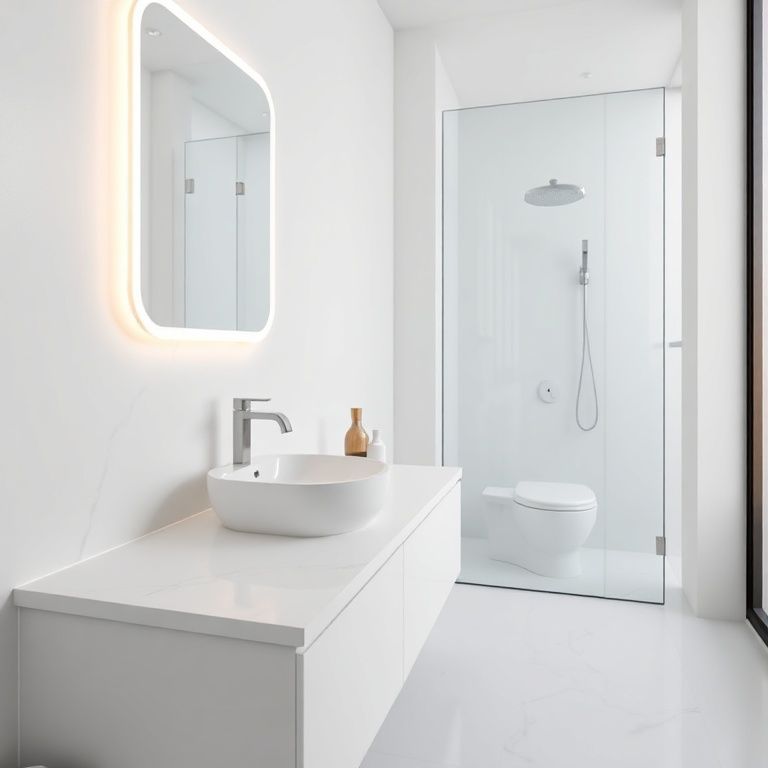
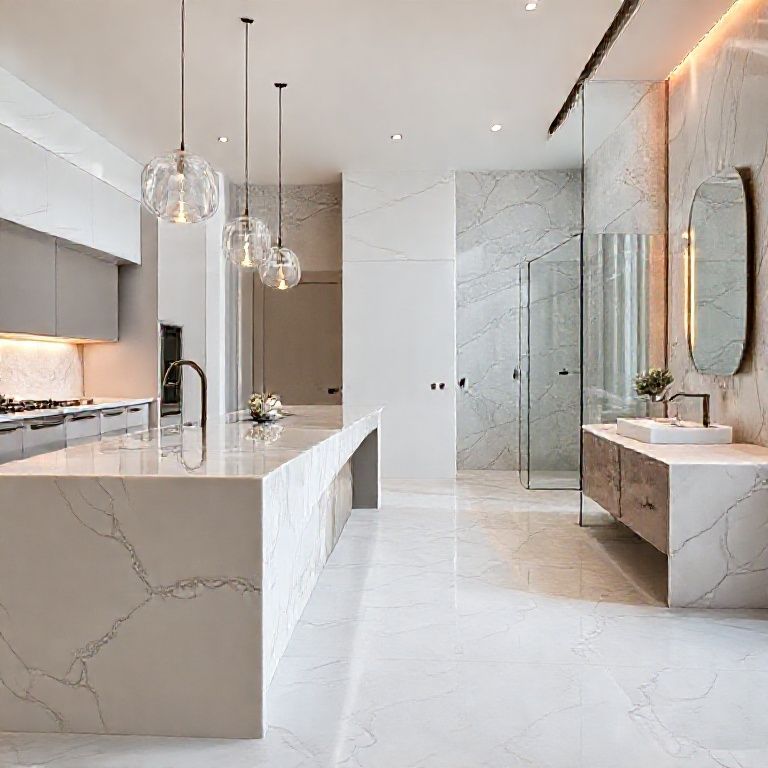
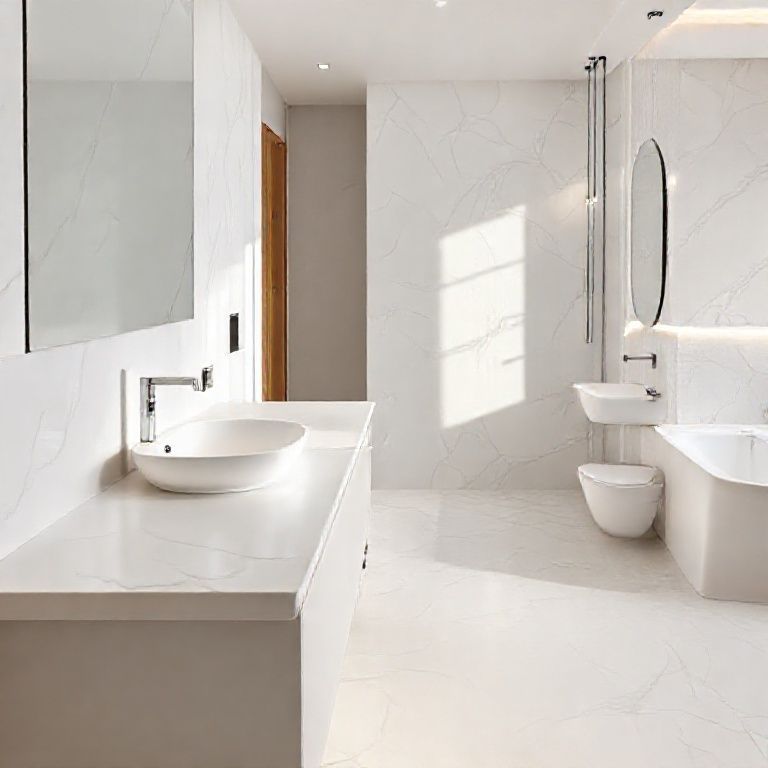
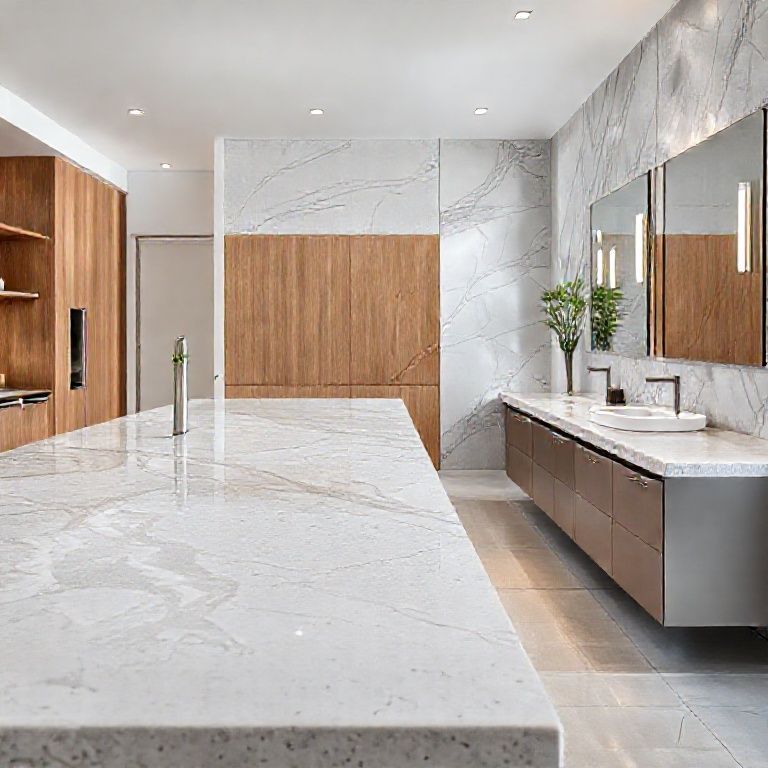
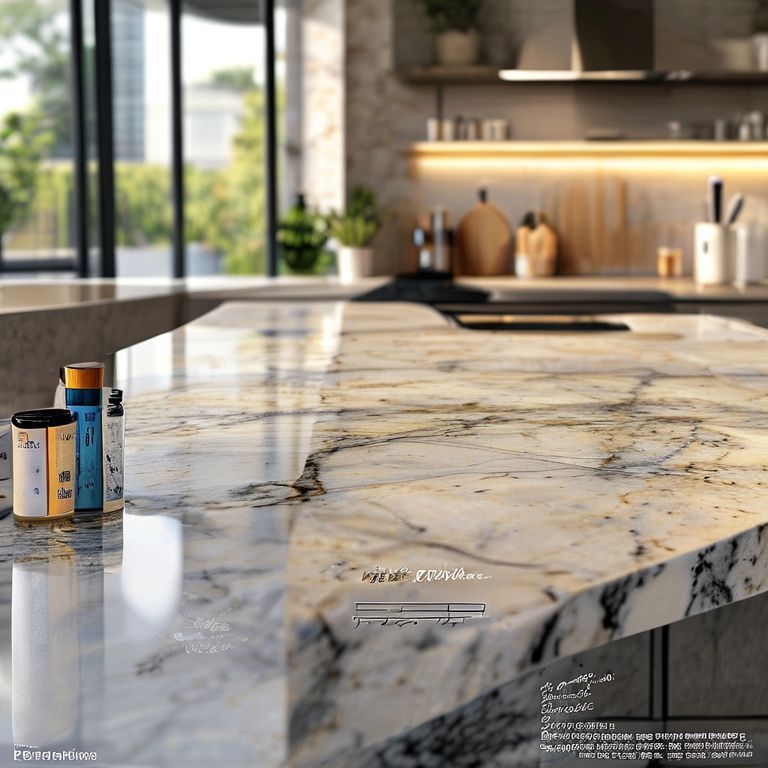
Step into the future of interior design with this captivating exploration of artificial marble. We’ll delve into its origins, unique attributes, and unparalleled benefits, showcasing why it’s revolutionizing spaces from kitchens to bathrooms and beyond. Discover the magic of artificial marble in two enlightening parts!

artificial marble, modern interior design, synthetic stone, countertop materials, durability, aesthetics, installation, kitchen design, bathroom renovation, luxury flooring
Origins and Unique Attributes of Artificial Marble
Introduction
In the ever-evolving world of interior design, artificial marble has emerged as a game-changer. Often referred to as engineered stone, this material has gained immense popularity for its stunning aesthetics, durability, and versatility. But what exactly is artificial marble, and how has it come to dominate modern design trends? Let’s dive into the fascinating origins and unique attributes that make this material so exceptional.
What is Artificial Marble?
Artificial marble, also known as engineered stone, is a composite material that combines natural stone, such as limestone or granite, with other substances like resins, pigments, and fibers. This process creates a material that mimics the appearance of natural marble but with superior qualities. Unlike natural marble, artificial marble is not a single piece but rather a combination of materials that are fused together under high pressure and temperature.
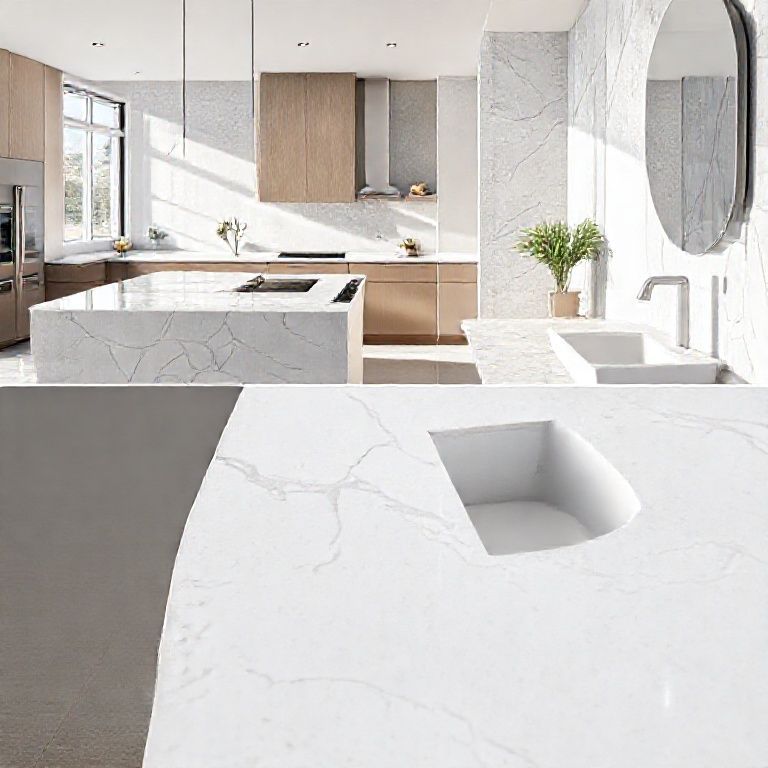
The Origins of Artificial Marble
The concept of creating a synthetic stone dates back to the early 20th century when scientists and designers began experimenting with replicating the beauty of natural stones. However, it wasn’t until the 1970s that significant advancements were made in the technology behind artificial marble. Companies began to produce high-quality engineered stone that could closely mimic the appearance and texture of traditional marble, while offering enhanced durability and a wider range of colors and patterns.
Unique Attributes of Artificial Marble
Durability and Strength: One of the standout features of artificial marble is its exceptional durability. Unlike natural marble, which can be easily scratched, stained, or etched, artificial marble is highly resistant to scratches, stains, and chemical spills. This makes it an ideal choice for high-traffic areas like kitchens and bathrooms.
Versatility in Design: Artificial marble offers an unparalleled level of versatility in design. With advanced manufacturing techniques, it is possible to create intricate designs and patterns that would be nearly impossible to achieve with natural stone. This allows designers to push the boundaries of creativity and craft stunning, customized pieces.
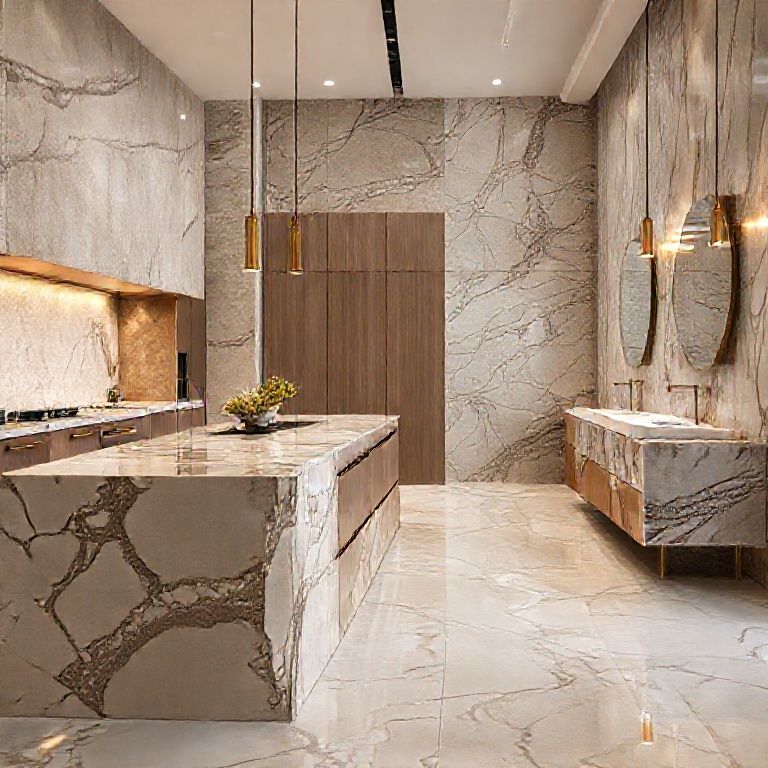
Wide Range of Colors and Patterns: Artificial marble comes in a vast array of colors and patterns, from traditional marble looks to bold, contemporary designs. This variety enables designers to match the material to any aesthetic, whether it’s a classic, modern, or eclectic style.
Lightweight and Easy to Install: Unlike natural stone, which can be heavy and difficult to transport and install, artificial marble is lightweight. This makes it easier to handle and install, reducing labor costs and time. Additionally, the thinner slabs of artificial marble can be easily cut and shaped on-site.
Water Resistance: One of the major advantages of artificial marble is its water resistance. While natural stone can absorb water and become porous over time, artificial marble does not absorb water, making it perfect for areas prone to moisture like kitchens and bathrooms.
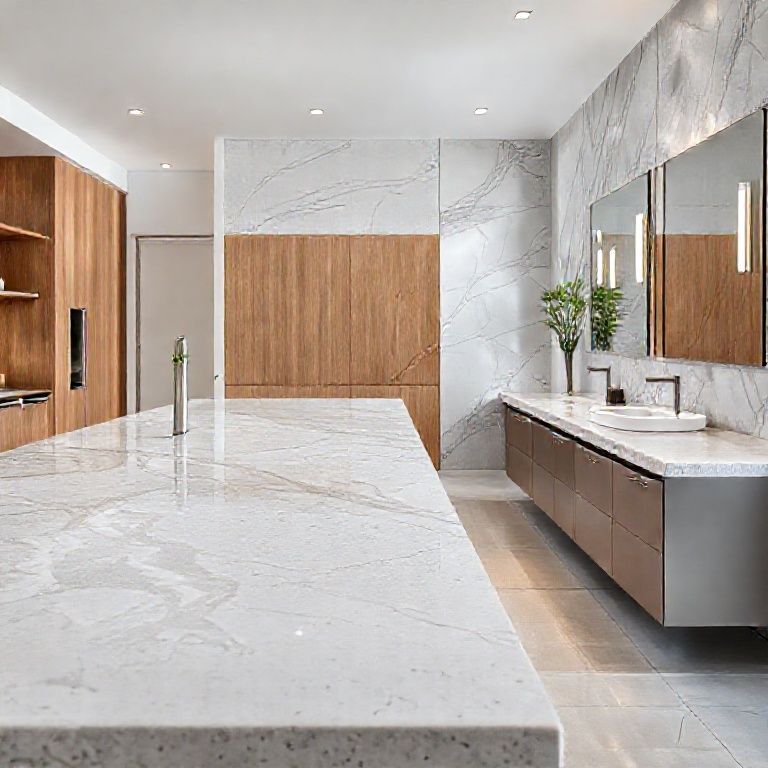
Applications in Modern Interior Design
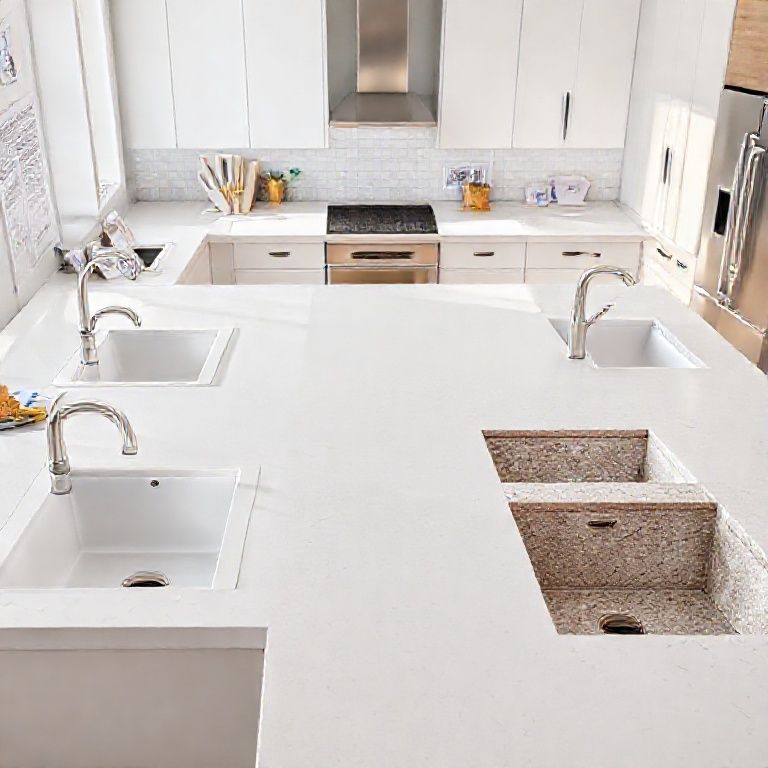
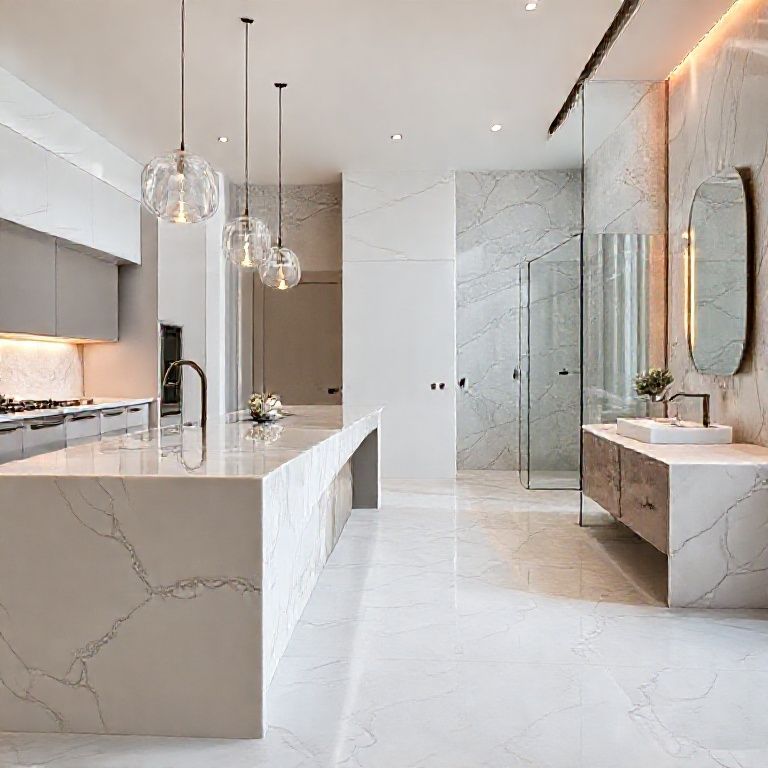
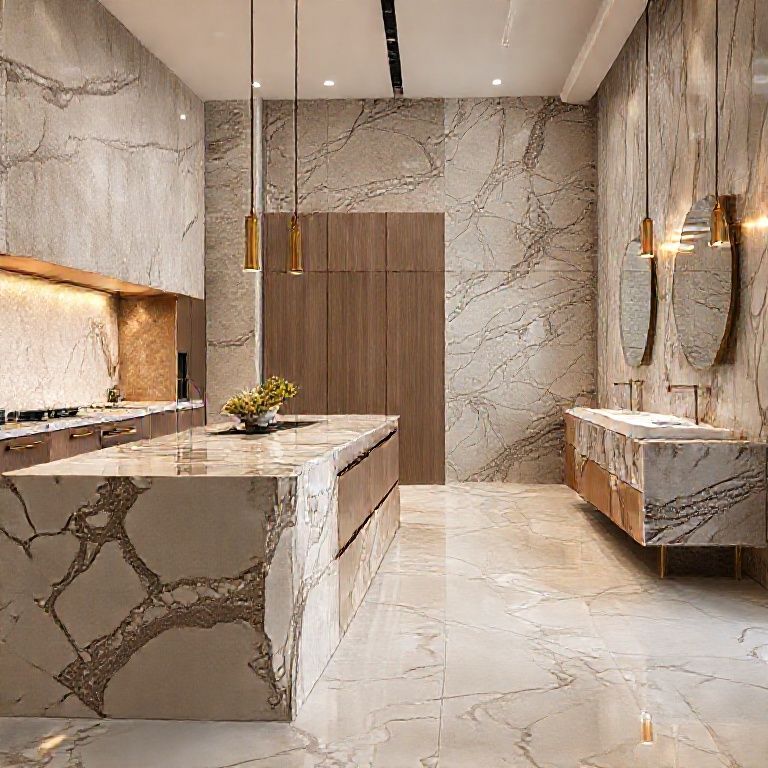
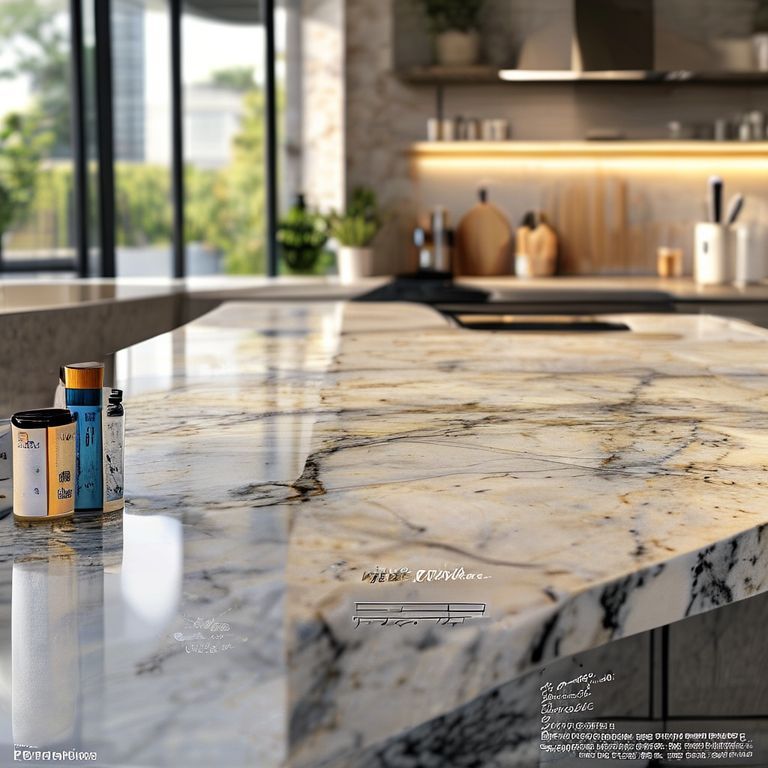
Artificial marble’s unique attributes make it suitable for a variety of applications in modern interior design. From countertops to sinks, backsplashes, flooring, and even bathroom vanities, artificial marble is used to create elegant and functional spaces.
Conclusion
Artificial marble represents a fusion of tradition and innovation, offering the timeless beauty of natural stone with the enhanced benefits of modern engineering. As we continue to explore its remarkable attributes and versatility, it’s clear that artificial marble is not just a material but a transformative force in the world of interior design.
Stay tuned for the second part of our series, where we will delve deeper into the installation process, maintenance tips, and how artificial marble is revolutionizing various interior spaces.
Continue your journey into the future of interior design with this insightful look at artificial marble. Discover practical installation tips, maintenance advice, and how this revolutionary material is transforming kitchens, bathrooms, and beyond. Join us in the second part of our exploration of artificial marble’s limitless potential.
installation of artificial marble, maintenance of artificial marble, kitchen countertops, bathroom renovation, design trends, synthetic stone benefits, artificial marble trends, modern design materials, interior design innovations, luxury home design
Installation, Maintenance, and Transformative Potential of Artificial Marble
Introduction
Artificial marble has firmly established itself as a cornerstone of modern interior design, captivating designers and homeowners alike with its beauty and practicality. In this second part, we’ll explore the installation process, maintenance tips, and the transformative potential of artificial marble across various interior spaces. Whether you’re a designer looking to incorporate this material into your projects or a homeowner considering an upgrade, this guide will provide valuable insights into making the most of artificial marble.
Installation of Artificial Marble
Planning and Preparation Measurements and Design: Begin by accurately measuring the area where the artificial marble will be installed. Use design software or blueprints to visualize the layout and determine the type and size of slabs needed. Substrate Preparation: Ensure the surface where the artificial marble will be installed is clean, flat, and dry. Depending on the existing substrate, you may need to apply a bonding agent or thin-set mortar to provide a stable base. Cutting and Fitting Tools and Techniques: Use a tile cutter or wet saw to cut the artificial marble slabs to fit the space. It’s essential to make precise cuts to ensure a seamless installation. Dry-Fitting: Before applying any adhesive, lay out the slabs in their final positions to ensure everything fits perfectly. Make any necessary adjustments to the cuts to achieve a snug fit. Adhesive Application Thin-Set Mortar: Spread a layer of thin-set mortar or adhesive over the substrate using a notched trowel. Ensure the adhesive is evenly distributed to provide a strong bond. Placing the Slabs: Carefully place the slabs onto the adhesive, pressing down firmly to ensure a good bond. Use spacers to maintain even gaps between the slabs. Grouting and Finishing Grout Selection: Choose a grout that matches the color and finish of the artificial marble. Use a color-matched grout to maintain a seamless look. Grouting Process: Apply the grout using a grout float, working from the center outwards to avoid leaving gaps. Clean off excess grout with a damp sponge and let it cure according to the manufacturer’s instructions. Sealing: Once the grout has cured, seal the artificial marble surface to protect it from stains and spills. Follow the manufacturer’s guidelines for the type and frequency of sealing.
Maintenance of Artificial Marble
Daily Care Cleaning: Regularly clean artificial marble surfaces with a mild soap and water solution. Avoid using acidic cleaners, which can etch the surface. Spot Cleaning: For minor spills and stains, use a soft cloth dampened with water and mild detergent. For tougher stains, consider using a specialized cleaner designed for artificial marble. Deep Cleaning Regular Deep Cleans: To maintain the beauty and integrity of artificial marble, perform a deep clean every few months. Use a cleaner specifically formulated for artificial stone and follow the manufacturer’s instructions. Avoiding Damage: Be cautious with heavy objects and sharp tools, as they can scratch the surface. Use cutting boards and place mats to protect the countertop from daily wear and tear. Sealing and Protection Sealant Application: Reapply a high-quality sealant every six to twelve months, depending on the level of use and exposure to moisture. This will help to maintain the surface’s shine and protect against stains. Professional Cleaning: For high-traffic areas or spaces with heavy use, consider professional cleaning services that can provide deep cleaning and sealing treatments.
Transformative Potential of Artificial Marble
Kitchen Countertops Durability and Aesthetics: Artificial marble offers a durable yet stylish option for kitchen countertops. Its resistance to heat, stains, and scratches makes it ideal for busy kitchens where spills and spills are common. Custom Designs: The versatility of artificial marble allows for custom designs and patterns that can complement the overall kitchen aesthetic. Whether it’s a classic look or a modern, bold design, artificial marble can be tailored to meet any vision. Bathroom Renovations Water Resistance: The water-resistant nature of artificial marble makes it perfect for bathroom renovations. It’s an excellent choice for vanities, countertops, and backsplashes, where moisture is a constant factor. Ease of Installation: The lightweight and easy-to-install properties of artificial marble make it an attractive option for DIY bathroom projects. It reduces installation time and labor costs. Flooring Solutions Durability and Design: Artificial marble flooring offers the durability of natural stone with the flexibility of design. It can be used in both residential and commercial spaces, providing a luxurious yet practical flooring solution. Low Maintenance: Unlike natural stone flooring, artificial marble does not require sealing or regular maintenance, making it非常好,让我们继续探讨关于人造大理石(人工石、工程石)的更多应用和特点。
办公室和商业空间 专业形象: 人造大理石的高品质外观和耐用性使其成为展示公司专业形象的理想选择。它可以用于办公桌、接待台和会议室等区域。 经济实惠: 相比于天然大理石,人造大理石价格更为亲民,同时保持高质量的外观,这使得它成为预算有限但需要高质量材料的项目的绝佳选择。
餐厅和咖啡馆 高耐用性: 餐厅和咖啡馆通常会经历高频次的使用和清洁。人造大理石的耐污、耐热和耐刮擦特性使其成为这些环境中的理想材料。 多样化设计: 餐厅和咖啡馆可以利用人造大理石的多样化设计来创造独特的视觉效果,从而吸引顾客。 卫生间和淋浴房 防水性: 人造大理石的防水特性使其非常适合用于浴室和淋浴房,这些区域通常会经历大量的水和湿气。
易于清洁: 人造大理石表面不容易吸收水分和污渍,这使得清洁和维护变得非常简单。 厨房和烹饪区 耐热性: 人造大理石表面不会受热扩展,因此在厨房和烹饪区域非常安全。 抗污性: 它的抗污性使得在烹饪过程中产生的油污和食物残渣容易清除。 户外应用 耐候性: 尽管人造大理石主要用于室内,但由于其耐候性,它也可以用于一些户外应用,如花园雕塑、步道和露台。
环保与可持续性
低环境影响: 人造大理石的制造过程通常比天然大理石开采更为环保,因为它不需要挖掘或开采原材料,从而减少了对自然环境的破坏。
可再生性: 人造大理石由回收的天然石材和其他废弃材料制成,这使得它具有更高的可再生性和更低的碳足迹。
长寿命: 由于其高耐用性,人造大理石能够减少频繁更换家具和装饰品的需求,这进一步减少了资源的消耗。
结论
人造大理石作为一种现代材料,在多个领域中展现了其优越性。从其卓越的耐用性、美观性到环保特性,它都提供了许多传统材料无法比拟的优势。无论是在住宅、商业还是公共空间,人造大理石都是一个理想的选择。
如果你有任何具体的应用场景或进一步的问题,欢迎随时提问!