The modern home often presents a delightful paradox: we dream of expansive living and entertaining spaces, yet many of us find ourselves navigating the charming realities of more compact dwellings. In the realm of home design, the kitchen often stands as the heart of the household, a place for nourishment, creativity, and connection. But what happens when this heart beats within a more modest 2m x 2.5m footprint? Far from being a limitation, this seemingly small canvas offers a unique opportunity for ingenious design and hyper-functional living. Embracing the challenge of a 2m x 2.5m kitchen design isn’t about compromise; it’s about strategic brilliance and the art of maximizing every centimeter.
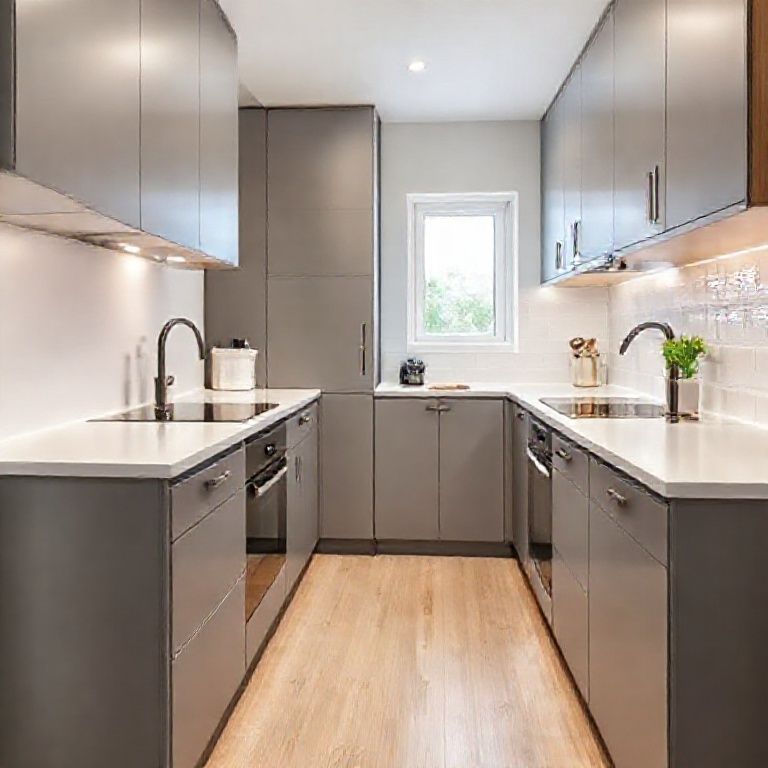
Imagine this: a kitchen that feels surprisingly spacious, effortlessly organized, and brimming with personal style, all within a footprint that might initially seem daunting. The secret lies in a thoughtful approach that prioritizes efficiency, smart storage, and a keen eye for aesthetic flow. This isn’t about cramming; it’s about curating. We’re talking about a kitchen where every element has a purpose, every corner is utilized, and the overall experience is one of delightful usability.
The foundation of any successful small kitchen design is the layout. For a 2m x 2.5m space, the most effective layouts tend to be linear or L-shaped. A single-wall kitchen, stretching along one of the longer walls (2.5 meters), is a classic and often the most practical solution. This arrangement keeps all your essential zones – preparation, cooking, and cleaning – in a neat line, minimizing wasted movement. Think of it as a culinary assembly line, streamlined for maximum efficiency. Alternatively, an L-shaped layout can utilize the corner, bringing in elements of both the 2m and 2.5m walls. This can create a slightly more defined working triangle, even in a compact space, and can sometimes accommodate a small, integrated dining nook.
When considering your appliances, think smart and compact. Full-sized, double-door refrigerators might be a luxury you can forgo. Opt for slimline or under-counter refrigerators, or even integrated drawer refrigerators, which blend seamlessly into cabinetry. For cooking, a two-burner induction hob often suffices for most culinary endeavors, freeing up valuable counter space compared to a larger gas hob. Compact multi-functional ovens that combine convection, grill, and microwave capabilities are also game-changers, offering versatility without a significant footprint. Similarly, dishwashers designed for smaller households or integrated slimline models can be a lifesaver, eliminating the need for manual dishwashing and keeping your countertops clear.
Storage is, of course, the reigning monarch of small kitchen design. In a 2m x 2.5m space, every inch of vertical and horizontal real estate must be exploited. Floor-to-ceiling cabinetry is an absolute must. Don’t shy away from using the entire height of your walls. Opt for pull-out pantry shelves, deep drawers for pots and pans, and clever corner solutions like LeMans or carousel units that make every bit of cabinet space accessible. Think about magnetic knife strips on the wall instead of a bulky block, or utensil rails that hang beneath upper cabinets. Open shelving can add visual interest and accessible storage, but use it judiciously to avoid a cluttered appearance. Consider floating shelves for lighter items like spices or decorative pieces.
The principle of “zones” becomes even more critical in a small kitchen. Designate clear areas for food preparation, cooking, and cleaning. Place your main prep zone between the sink and the hob – this is where the magic happens. Ensure adequate counter space here, perhaps with a pull-out cutting board or a butcher block insert. The sink area should be efficient, with a good-sized basin and easily accessible cleaning supplies stored below. The cooking zone needs to be well-ventilated, with the hob and oven readily accessible. Think about where your spices and frequently used cooking utensils will live – keeping them close to the hob is key.
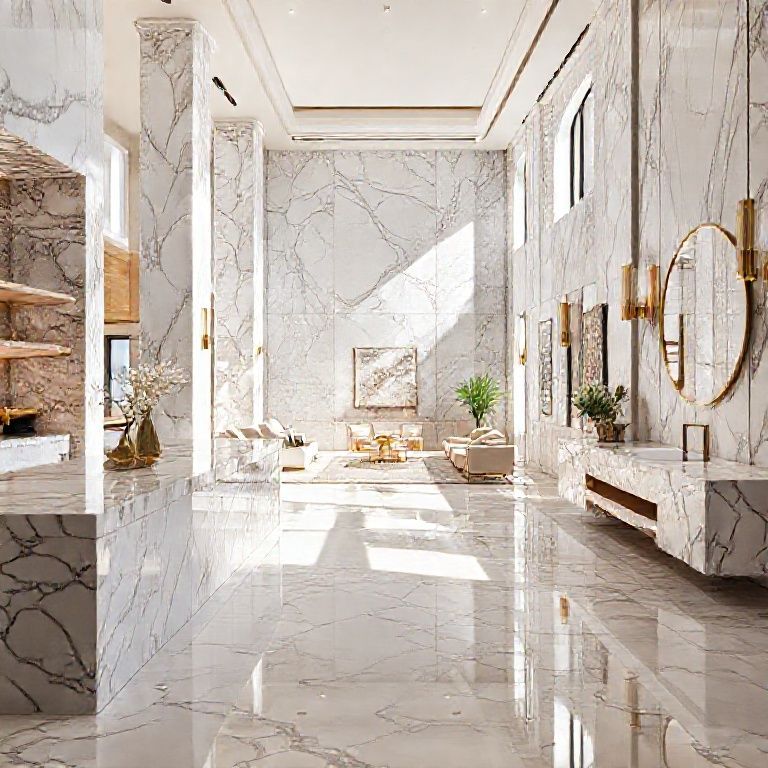
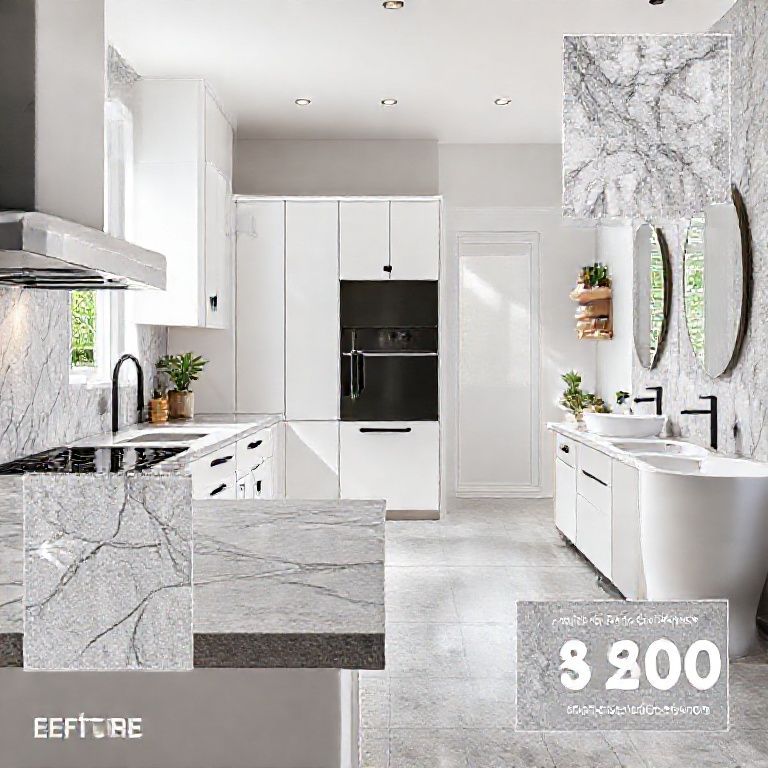
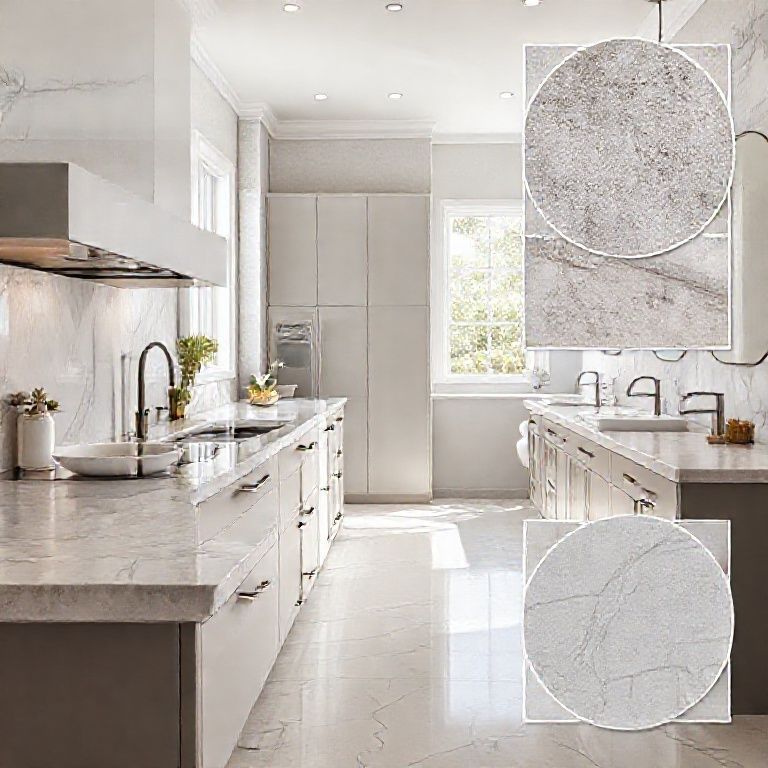
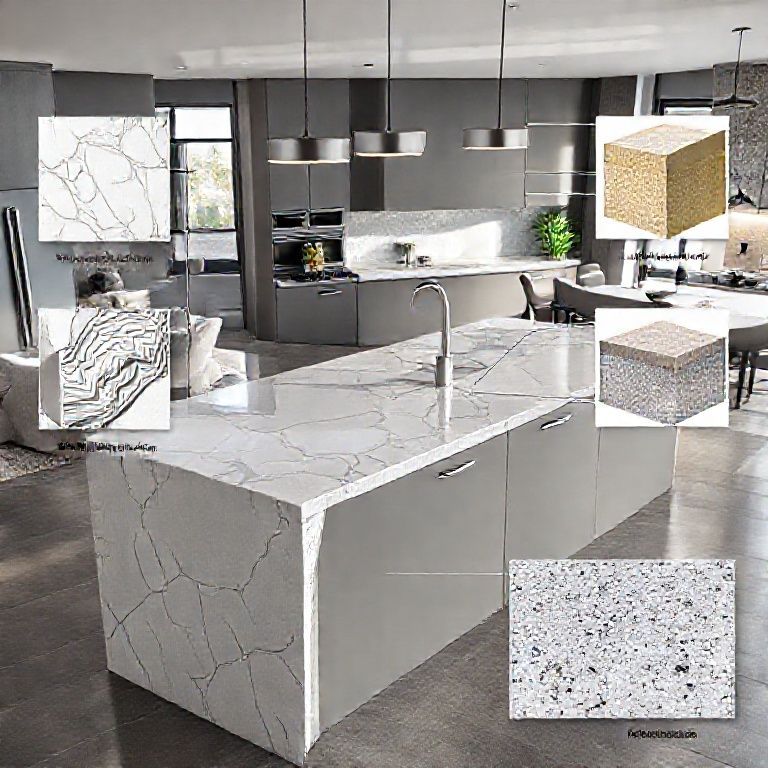
Materials and finishes play a significant role in making a small kitchen feel larger and more inviting. Light colors are your best friend. White, off-white, pale grey, and soft pastels on cabinets, countertops, and walls will reflect light and create an airy, expansive feel. High-gloss finishes on cabinets can also enhance this effect, bouncing light around the room. For countertops, consider durable and low-maintenance materials like quartz or solid surface, which can be fabricated seamlessly, reducing visual clutter. A subtle, light-colored backsplash can add personality without overwhelming the space.
Lighting is another crucial element. A well-lit kitchen feels larger and more functional. Beyond ambient overhead lighting, incorporate task lighting. Under-cabinet LED strips are fantastic for illuminating your prep areas, and pendant lights over a small island or breakfast bar can add a touch of elegance and define zones. Natural light should be maximized. Keep window treatments simple and light, allowing as much daylight to enter as possible.
The visual trickery of making a small space feel larger is an art form. Consider a single, continuous countertop material that runs from the sink to the cooking area, minimizing visual breaks. Similarly, using the same flooring throughout the kitchen and into adjacent living areas can create a sense of flow and spaciousness. Sleek, handleless cabinetry can contribute to a minimalist aesthetic, making the cabinets appear as solid blocks of color rather than fragmented elements. Mirrors strategically placed can also work wonders, reflecting light and the space itself, creating an illusion of depth.
Ultimately, designing a 2m x 2.5m kitchen is an exercise in intelligent living. It’s about embracing the limitations and transforming them into opportunities for creativity and hyper-functionality. By focusing on an efficient layout, smart appliances, abundant and well-organized storage, and carefully chosen materials and lighting, you can create a culinary space that is not just practical, but genuinely delightful. This is where the magic of a compact kitchen truly unfolds – proving that good design is not about size, but about smarts.
Continuing our journey into the art of designing a remarkable 2m x 2.5m kitchen, we delve deeper into the nuances that transform a compact space from functional to fabulous. While the foundational principles of layout, appliances, and storage remain paramount, it’s the finer details – the aesthetic choices, the integration of technology, and the personal touches – that truly elevate the experience. This is where your small kitchen can become a true reflection of your style and a hub of culinary joy, proving that great design transcends square footage.
The concept of a “work triangle” – the spatial relationship between the sink, refrigerator, and hob – is fundamental in kitchen design, aiming to optimize workflow. In a 2m x 2.5m kitchen, a traditional triangle might feel constrained, but the principle of minimizing steps between these key areas is still vital. For a single-wall layout, this triangle essentially flattens into a line, emphasizing the need for logical sequencing. Placing the refrigerator at one end, followed by the sink and prep area, and then the hob and oven, creates a natural progression for meal preparation. If you opt for an L-shape, a more traditional, albeit compact, triangle can be achieved, offering slightly more separation between zones.
When it comes to cabinets, think beyond just storage capacity; consider their visual impact. Full-height cabinets create a sense of verticality, drawing the eye upwards and making the ceiling appear higher. Opt for shaker-style doors for a classic look or handleless flat-front cabinets for a sleek, modern aesthetic. The choice of hardware can significantly alter the overall feel. Slim, minimalist handles or integrated push-to-open mechanisms can prevent visual clutter. Interior cabinet organization is where the real magic happens in a small kitchen. Drawer organizers, pull-out shelves, lazy Susans for corner cabinets, and vertical dividers for baking sheets and platters are essential. Even the space above cabinets can be utilized for less frequently used items if your ceiling height allows, perhaps with decorative baskets.
The backsplash is an opportunity to inject personality and a sense of style without overwhelming the limited space. Large-format tiles, with fewer grout lines, can create a more expansive look. A mirrored backsplash can work wonders in a small kitchen, reflecting light and creating an illusion of depth. Alternatively, consider a continuous countertop material that extends up the wall for a seamless and sophisticated look. Subway tiles, in a light color and laid in a classic brick pattern, can also add visual interest without being too busy.
Lighting, as mentioned, is a critical element. Beyond the essential task and ambient lighting, consider accent lighting. LED strips hidden within toe kicks or above upper cabinets can create a soft, ambient glow, adding warmth and sophistication. Smart lighting systems that allow you to adjust brightness and color temperature can adapt to different times of day and moods, making your kitchen feel more dynamic and inviting.
The floor in a small kitchen can also play a role in its perceived size. Light-colored flooring materials, such as pale wood, large-format porcelain tiles in a neutral shade, or even a seamless vinyl or linoleum, can help to open up the space. Laying floor tiles diagonally can also create a sense of greater width. If your kitchen is part of an open-plan living area, using the same flooring throughout can create a harmonious flow and make both spaces feel larger.
Consider incorporating multi-functional elements. A small island or a peninsula can serve as extra prep space, a breakfast bar, and additional storage. If space is extremely tight, consider a fold-down table or a pull-out countertop that can be extended when needed and tucked away when not in use. A narrow, pull-out dining table that extends from a cabinet can be a brilliant solution for occasional dining.
Integrating technology thoughtfully can enhance the functionality of a small kitchen. Smart plugs can control lighting and small appliances, while integrated charging stations can keep your devices powered up without adding clutter. Voice-activated assistants can be incredibly useful for hands-free tasks like setting timers or looking up recipes while your hands are full.
When it comes to aesthetics, the key is to create a cohesive and uncluttered look. Choose a limited color palette and stick to it. If you have open shelving, curate it carefully with matching or complementary items. Keep countertop items to a minimum, storing frequently used utensils in a sleek utensil holder or wall-mounted racks. A well-chosen sink and faucet can also be statement pieces, adding a touch of elegance. Consider a single-bowl, undermount sink for a cleaner look and easier countertop cleaning.
The overall goal is to create a kitchen that feels intentional and designed for purpose, not like a space that has been compromised by its size. Think about the flow of movement, the accessibility of tools and ingredients, and the ease of cleaning. Every decision, from the cabinet hinges to the type of drawer slides, should contribute to a seamless and enjoyable user experience.
Ultimately, a 2m x 2.5m kitchen is not a limitation; it’s a testament to the power of clever design. It’s a space where every element is considered, every function is optimized, and every corner serves a purpose. By focusing on smart layouts, efficient storage, multi-functional elements, and a cohesive aesthetic, you can create a kitchen that is not only a joy to cook in but also a beautiful and integral part of your home. It’s a reminder that with a little ingenuity and a lot of heart, even the smallest spaces can hold the biggest culinary dreams.