
The quest for the perfect surface is a cornerstone of any inspired interior design. Whether you’re envisioning a sleek, minimalist kitchen, a spa-like bathroom sanctuary, or a durable and stylish commercial space, the choice of material plays a pivotal role. In the realm of contemporary surfacing, two contenders often steal the spotlight: acrylic and solid surface. These engineered materials, born from innovation and a desire for versatility, offer a compelling blend of aesthetics and functionality. But beneath their polished exteriors, lie distinct characteristics that set them apart, influencing everything from their look and feel to their longevity and maintenance. Understanding these differences is key to unlocking the full potential of your design vision.

Let’s begin our exploration with acrylic, often referred to as a type of “artificial stone” or “man-made stone,” though its composition is quite different from traditional stone. Acrylic solid surface is a composite material made from acrylic polymers and alumina trihydrate (ATH). ATH is a mineral filler derived from bauxite ore. This unique blend results in a non-porous, homogeneous material that can be thermoformed, meaning it can be heated and shaped into curves and complex designs, offering incredible design flexibility.
One of acrylic’s most celebrated advantages is its seamless appearance. When fabricated by skilled professionals, joints and seams can be virtually invisible. This creates an unbroken expanse of surface, contributing to a clean, modern, and hygienic aesthetic. Think of a waterfall edge on a countertop that flows uninterrupted, or a seamlessly integrated sink that appears to be part of the countertop itself. This lack of visible seams is not only visually appealing but also incredibly practical. It eliminates grout lines or crevices where dirt, bacteria, and moisture can accumulate, making it an exceptionally hygienic choice for kitchens, bathrooms, and healthcare settings.
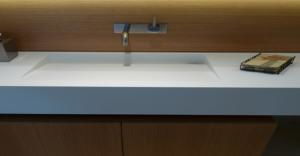
Furthermore, acrylic’s non-porous nature means it resists staining from common household liquids like wine, coffee, and oil. Spills can typically be wiped away with ease, making maintenance a breeze. For those who prioritize a low-maintenance lifestyle, this is a significant draw. The material is also remarkably durable and impact-resistant. While not entirely impervious to scratches or chips, it holds up well to daily use.
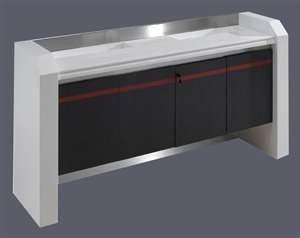
The aesthetic versatility of acrylic is another major selling point. It’s available in an extensive palette of colors, patterns, and textures, ranging from solid whites and subtle neutrals to vibrant hues and imitation stone looks. This allows designers and homeowners to achieve a wide spectrum of styles, from ultra-modern to more traditional. Its ability to be thermoformed opens up a world of design possibilities, allowing for unique shapes, rounded edges, and intricate detailing that would be difficult or impossible with other materials. Imagine a reception desk with a flowing, organic shape or a custom-designed shower surround that perfectly fits an irregularly shaped space.
However, acrylic is not without its drawbacks. One of the most frequently cited concerns is its susceptibility to scratching. While durable, the surface can be scratched by sharp objects or abrasive cleaning materials. Fortunately, this issue is often mitigated by the fact that acrylic can be repaired. Minor scratches can often be buffed out or sanded down, restoring the surface to its original glory. Deeper scratches may require professional attention, but the repairability is a significant advantage over materials that cannot be restored once damaged.
Another consideration is its heat resistance. While acrylic can withstand moderate heat, it is not recommended to place hot pots or pans directly on the surface. Prolonged exposure to high temperatures can cause discoloration or even damage. Using trivets and hot pads is essential to protect the material. This makes it slightly less ideal for very high-traffic kitchen areas where immediate placement of hot items might occur.
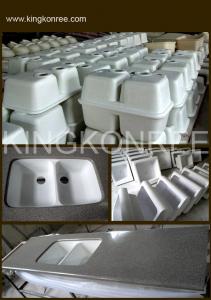
The cost of acrylic can also be a factor. While generally more affordable than natural stone like granite or marble, it can be more expensive than laminate or some other engineered surfaces. The price can vary significantly depending on the color, pattern, and complexity of the fabrication. The installation process itself often requires specialized skills and tools, which can add to the overall cost.
In terms of environmental impact, the production of acrylic involves petrochemicals, which are not a renewable resource. However, many manufacturers are working towards more sustainable production methods, and the longevity and repairability of acrylic can contribute to its overall sustainability by reducing the need for premature replacement.
When comparing acrylic to natural stone, it offers a more consistent appearance and superior stain resistance. Unlike marble, which is porous and prone to etching, or granite, which requires regular sealing, acrylic offers a low-maintenance, predictable surface. The design flexibility is also a clear advantage over the limitations of working with solid slabs of natural stone.
Moving on to our second contender, solid surface is another remarkable engineered material that has gained immense popularity in interior design. It is also a non-porous material, typically composed of a blend of acrylic polymers, polyester resins, and mineral fillers, often alumina trihydrate (ATH). The specific ratio and type of resins can vary between manufacturers, leading to slight differences in performance and appearance.
One of the most prominent benefits of solid surface is its seamless integration capabilities, much like acrylic. When properly fabricated and installed, seams are nearly invisible, allowing for continuous, flowing surfaces. This is particularly advantageous for creating integrated sinks and backsplashes, which offer a sleek, cohesive look and enhance hygiene by eliminating potential dirt traps. The non-porous nature of solid surface means it is highly resistant to stains, bacteria, and moisture, making it an excellent choice for kitchens, bathrooms, laboratories, and healthcare environments where cleanliness is paramount.
Solid surface is also known for its durability and resilience. It can withstand everyday wear and tear, and importantly, it is repairable. Minor scratches and even deeper damage can often be repaired in situ by sanding and polishing, restoring the surface to its original condition. This repairability significantly extends the lifespan of the material and can save considerable costs in the long run.
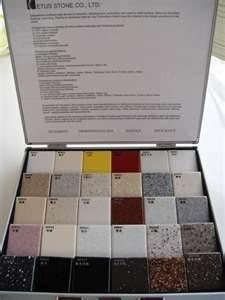
The aesthetic appeal of solid surface is undeniable. It is available in a vast array of colors, patterns, and textures, mimicking the look of natural stone, wood, or offering contemporary abstract designs. This extensive selection allows for immense design freedom, enabling homeowners and designers to achieve a wide range of looks and styles to complement any interior.
The thermoformability of solid surface is another key advantage. Similar to acrylic, it can be heated and shaped into curves, organic forms, and custom designs, making it ideal for unique architectural features, bespoke countertops, and furniture. This ability to be molded allows for creative solutions that are not possible with more rigid materials.
When considering its resistance to heat, solid surface generally performs better than pure acrylic but still requires caution. While it can tolerate moderate heat for short periods, it’s advisable to use trivets and hot pads to prevent thermal shock, which can lead to discoloration or cracking.
The cost of solid surface generally falls within a similar range to acrylic, often positioned as a mid-to-high-end material. The price can fluctuate based on the brand, color complexity, and the intricacy of the fabrication and installation. Like acrylic, professional installation is usually recommended to ensure the best aesthetic and performance outcomes.
In terms of environmental considerations, the production of solid surface materials involves a combination of resins and fillers. While not entirely free from petrochemical origins, many manufacturers are increasingly focusing on eco-friendly formulations and recycling initiatives. The durability and repairability of solid surface also contribute to its sustainability by minimizing the need for replacement.
Comparing solid surface to natural stone, it offers superior stain resistance and a more predictable, consistent appearance. Unlike porous natural stones that require frequent sealing, solid surface provides a virtually maintenance-free surface. Its ability to be seamlessly joined and thermoformed also gives it a significant edge in design flexibility over the inherent limitations of natural stone slabs.
The architectural and interior design worlds are constantly evolving, driven by a desire for materials that are not only aesthetically pleasing but also highly functional and adaptable to modern lifestyles. In this pursuit, engineered surfaces have risen to prominence, offering compelling alternatives to traditional materials like natural stone and wood. Among the most popular and versatile of these are acrylic solid surface and standard solid surface. While both materials share a common goal of providing durable, beautiful, and seamless surfaces, they possess distinct characteristics that cater to different needs and preferences. Understanding these nuances is crucial for making an informed decision that will enhance your living or working space for years to come.
Let’s delve deeper into the tangible differences between these two materials. As mentioned, both acrylic solid surface and standard solid surface are non-porous and can be fabricated to appear seamless. However, the primary distinction lies in their composition. Acrylic solid surface is predominantly made from acrylic polymers, with alumina trihydrate (ATH) as a filler. This higher concentration of acrylic resin lends it certain properties that set it apart.
One of the most significant advantages of acrylic solid surface is its superior thermoformability. Because of the inherent properties of acrylic polymers, this material can be heated to a much lower temperature and bent into more intricate and complex curves than standard solid surface. This allows for truly unique and organic designs. Imagine a reception desk that twists and turns, or a countertop with a gracefully flowing waterfall edge that seems to defy gravity. This level of design freedom is often the deciding factor for architects and designers working on avant-garde projects or spaces with highly customized requirements.
Furthermore, acrylic solid surface is known for its excellent UV resistance. This means it is less likely to fade or degrade when exposed to sunlight, making it a suitable choice for applications near windows or in outdoor settings (though specific formulations and finishes should be considered for full outdoor exposure). Its color stability over time is a valuable asset for maintaining the aesthetic integrity of a space.
The repairability of acrylic solid surface is another strong suit. Minor scratches and blemishes can often be buffed out using fine-grit sandpaper and polishing compounds, restoring the surface to its original sheen. For more significant damage, the material can often be repaired by skilled fabricators, making it a long-lasting investment.
However, this exceptional malleability and composition also come with certain considerations. While durable, acrylic solid surface can be slightly softer than some standard solid surfaces, making it potentially more susceptible to deeper scratches if not treated with care. The cost of acrylic solid surface can also be higher than standard solid surface, reflecting the advanced manufacturing processes and the properties of the acrylic resins. This is a trade-off for its enhanced design capabilities and UV resistance.
When it comes to heat resistance, pure acrylic solid surface is generally more sensitive to high temperatures than standard solid surface. While it can withstand moderate heat, placing extremely hot items directly onto the surface without protection can lead to scorching, discoloration, or even warping. Therefore, the consistent use of trivets and hot pads is even more critical with this material in kitchen environments.
Now, let’s turn our attention to standard solid surface. As mentioned earlier, this material is typically a composite of acrylic polymers, polyester resins, and ATH. The inclusion of polyester resins often contributes to a slightly harder and more rigid material compared to pure acrylic.
The key advantage of standard solid surface often lies in its balance of properties and its cost-effectiveness. It offers many of the same benefits as acrylic solid surface – seamless appearance, non-porosity, stain resistance, and repairability – but often at a more accessible price point. This makes it a popular choice for a wide range of residential and commercial applications where a high-quality, durable, and aesthetically pleasing surface is desired without the premium cost associated with pure acrylic.
Standard solid surface also exhibits good durability and impact resistance. While it can be scratched, its slightly harder composition can make it marginally more resilient to superficial marks than pure acrylic in some instances. The repairability of standard solid surface is also a significant benefit. Like acrylic, minor scratches can be sanded out, and deeper damage can be professionally repaired, ensuring the longevity of the material.
The aesthetic range of standard solid surface is vast, offering an extensive palette of colors, patterns, and textures that can mimic natural stone, wood grain, or present a spectrum of contemporary designs. Its ability to be fabricated into seamless surfaces and integrated sinks makes it a highly versatile material for creating clean and modern environments.
In terms of thermoformability, standard solid surface can indeed be thermoformed, but it generally requires higher temperatures and may not achieve the same extreme curves and intricate shapes as pure acrylic solid surface. This is a limitation for highly complex custom designs but is perfectly adequate for most curved edges and gentle transitions.
Regarding heat resistance, standard solid surface typically performs slightly better than pure acrylic solid surface. While still not impervious to damage from extreme heat, it can often tolerate higher temperatures for short periods before showing signs of distress. However, it is still a best practice to use trivets and hot pads to protect the surface from direct heat.
When comparing acrylic solid surface and standard solid surface directly, the choice often boils down to specific project requirements and budget. If the design calls for exceptionally complex curves, intricate shapes, or superior UV resistance, then acrylic solid surface might be the preferred choice, despite its potentially higher cost and slightly greater susceptibility to scratching.
On the other hand, if the priority is a balance of performance, aesthetics, and cost-effectiveness, and the design does not involve extreme thermoforming, then standard solid surface presents an excellent solution. It delivers the sought-after seamless look, excellent hygiene, and repairability at a more accessible price point.
In conclusion, both acrylic and solid surface materials represent a significant advancement in surfacing technology, offering homeowners and designers a wealth of possibilities. Whether you opt for the unparalleled design freedom of acrylic solid surface or the excellent value and balanced performance of standard solid surface, you are investing in a material that is both beautiful and built to last, enhancing the functionality and aesthetic appeal of your space for years to come. The “image gallery” of possibilities these materials offer is truly vast, limited only by imagination and the skilled hands of the fabricator.









