
The heart of any home, the kitchen, is a space where culinary creations come to life, where families gather, and where memories are made. When embarking on a kitchen renovation or building a new one, every element plays a crucial role in the overall functionality and aesthetic. Among the most significant decisions is the choice of countertop material. For years, quartz has been a rising star, lauded for its durability, low maintenance, and stunning visual appeal. But as with any material choice, there are nuances to consider, and one that frequently sparks debate is thickness. Specifically, the question arises: is 1.5cm (approximately 5/8 inch) quartz enough for your kitchen countertops?

This isn’t just a technical detail; it’s a gateway to understanding the practical implications for your daily life and the enduring value of your investment. Think of it as the foundation upon which your culinary adventures will unfold. Will it withstand the daily grind of chopping, spills, hot pans, and enthusiastic cooks, or will it leave you constantly worried about chips and cracks? Let’s unpack this.
Traditionally, many quartz countertops have been manufactured at a more substantial thickness, typically 2cm (around 3/4 inch) or even 3cm (about 1 1/4 inches). These thicker slabs offer a sense of solidity and gravitas. They often convey a luxurious feel, and for a long time, they were the standard. However, the world of design and materials is constantly evolving, driven by innovation and a desire for more versatile, sustainable, and cost-effective solutions. This is where 1.5cm quartz enters the conversation, presenting itself as a compelling alternative.
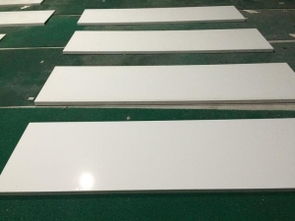
So, what exactly are the implications of choosing a thinner slab? One of the most immediate advantages is weight. Lighter countertops mean less stress on cabinetry, especially if you have standard particleboard or MDF cabinets. This can translate to cost savings on cabinet reinforcement or even allow for more budget-friendly cabinet options. Furthermore, the reduced weight makes installation easier and potentially less expensive. Imagine the ease of maneuvering thinner, lighter slabs during installation – it can make a significant difference in labor costs and time.
Another compelling argument for 1.5cm quartz lies in its aesthetic flexibility. Thinner countertops can offer a sleeker, more modern profile. This is particularly appealing in minimalist or contemporary kitchen designs where clean lines and understated elegance are paramount. The edge profiles also become more refined. Instead of a chunky, substantial edge, a 1.5cm slab can accommodate more delicate and intricate edge details, adding a touch of sophistication without overwhelming the overall design. Think of it as a subtle statement rather than a bold declaration. This can be especially beneficial in smaller kitchens, where a less imposing countertop can help to create a sense of spaciousness.

However, it’s crucial to approach this decision with a balanced perspective. While 1.5cm quartz can be perfectly adequate, its suitability often hinges on how and where it’s installed, and what your expectations are. For areas with moderate to low daily use, such as a secondary kitchen or a less heavily trafficked prep area, 1.5cm can be an excellent choice. It offers all the inherent benefits of quartz – stain resistance, non-porosity, and a wide range of aesthetic options – at a potentially more accessible price point.
But what about the high-pressure zones? The main prep area, the space where you’ll be doing most of your chopping, dicing, and perhaps even rolling out dough? This is where durability becomes paramount. While quartz is inherently strong, a thinner slab might be perceived as more susceptible to chipping or cracking under extreme pressure or impact. For instance, if a heavy cast-iron pan is dropped directly onto the edge of a countertop, a thicker slab might absorb more of the shock. This is not to say that 1.5cm quartz will shatter at the slightest provocation, but it’s a factor to weigh if your kitchen is a hub of intense culinary activity.
The installation method also plays a critical role in the perceived and actual durability of thinner quartz. When installed properly, particularly with adequate support from the cabinetry and potentially a reinforcing sub-layer, 1.5cm quartz can be surprisingly robust. Many manufacturers offer specific installation guidelines for their thinner slabs, which should be followed meticulously. A skilled fabricator and installer will ensure that the countertops are adequately supported, especially at overhangs and edges, to prevent premature stress or damage. The substrate beneath the quartz is also key. A solid, well-constructed cabinet base is non-negotiable. For areas with significant overhangs, additional bracing or support might be recommended, regardless of thickness.
Furthermore, the type of edge profile chosen can influence durability. While a delicate pencil or eased edge might look sleek, a slightly more robust profile, like a bullnose or ogee, can offer more protection to the exposed edge, reducing the likelihood of chipping. It’s a subtle design choice that can have a tangible impact on the longevity of your countertop.
Consider the context of your lifestyle. Are you a home cook who meticulously prepares elaborate meals every evening? Do you have young children who might be prone to accidental impacts? Or are you someone who enjoys the occasional baking project and finds joy in lighter meal preparation? Your answers to these questions will significantly inform whether 1.5cm quartz aligns with your needs. If your kitchen is your sanctuary for serious culinary exploration, and you value absolute peace of mind regarding impacts, you might lean towards a thicker slab. However, if your cooking style is more moderate, or if you’re willing to be mindful of potential impacts, 1.5cm quartz can absolutely be a fantastic and practical choice.
The cost factor is undeniably a major consideration for most homeowners. Typically, thinner quartz slabs tend to be less expensive than their thicker counterparts. This cost difference can be significant, allowing you to allocate your renovation budget to other areas, such as higher-quality cabinetry, advanced appliances, or more elaborate backsplash designs. When comparing prices, it’s important to look at the cost per square foot, but also to factor in installation and fabrication costs, as these can vary based on the thickness and complexity of the job. A thinner slab might reduce these costs, further enhancing its appeal as a budget-conscious yet stylish option.
Moreover, the trend towards sustainability and resourcefulness in home design also lends itself to thinner materials. Using less material to achieve a desired aesthetic and functional outcome is a hallmark of modern, eco-conscious design. While quartz itself is a manufactured product, reducing its physical footprint in terms of thickness can be seen as a step towards more efficient resource utilization.
In essence, the question of whether 1.5cm quartz is sufficient isn’t a simple yes or no. It’s a nuanced discussion about balancing aesthetics, functionality, durability, and budget. For many kitchens, particularly those with modern design sensibilities and moderate daily use, 1.5cm quartz can be an incredibly smart and stylish choice. It offers the beauty and low maintenance of quartz without the premium cost and weight associated with thicker slabs. However, for kitchens that are subjected to extreme daily wear and tear, or for homeowners who prioritize the absolute highest level of perceived solidity and impact resistance, a thicker option might provide greater reassurance. The key lies in understanding your own needs, consulting with experienced fabricators and installers, and making an informed decision that will best serve your home for years to come.
Continuing our exploration into the practicalities and nuances of 1.5cm quartz countertops, let’s delve deeper into how this material choice interacts with various kitchen scenarios, design trends, and the long-term considerations that truly matter. We’ve established that 1.5cm quartz is not a compromise on quality in terms of its inherent material properties like stain resistance and non-porosity, but rather a consideration of its physical dimensions and how those dimensions translate to performance and perception in a busy kitchen environment.
One of the most significant advantages of 1.5cm quartz, beyond its aesthetic and cost benefits, is its adaptability to different design styles. While thicker quartz slabs often lend themselves to a more traditional or robust aesthetic, thinner countertops can truly shine in contemporary and minimalist designs. Imagine a sleek, handleless cabinetry system paired with a slim, almost floating-looking quartz countertop. The clean lines and understated profile of the 1.5cm thickness enhance this modern sensibility, allowing the overall design to speak volumes without being overshadowed by heavy-looking materials. It’s about creating a visual lightness, a sense of openness that is highly sought after in today’s homes. This can be particularly impactful in smaller kitchens or open-plan living spaces where a sense of flow and spaciousness is desired. A bulky countertop can feel visually restrictive, whereas a slimmer profile can contribute to a more expansive feel.
When we talk about aesthetics, the edge profile is a critical component. With 1.5cm quartz, you have a wider array of sophisticated edge options available. A delicate pencil edge, a clean mitered edge, or a subtly beveled edge can all be executed beautifully on a thinner slab. These profiles contribute to the sleek, modern look. However, if you’re concerned about durability, as we touched upon, you can still opt for slightly more protective edges like a half-bullnose or a full bullnose on a 1.5cm slab. The key is that the overall visual impression remains more refined compared to the same edge profile on a much thicker slab. It’s about achieving a balance between form and function, where the edge detail complements the thinness of the material rather than being dictated by it.
Let’s address the elephant in the room: durability and potential for damage. It’s natural to associate thickness with strength. In many contexts, this holds true. However, the strength of quartz is inherent in its composition – engineered stone made from crushed quartz crystals bound together with resins and polymers. This composition makes it incredibly hard, resistant to scratches, and non-porous, meaning it won’t stain easily. The thickness influences its resistance to impact and chipping, particularly on the edges.
For 1.5cm quartz to perform optimally, the installation is paramount. This cannot be stressed enough. A properly supported 1.5cm countertop, especially when installed over sturdy, well-constructed cabinetry with minimal overhangs, can be remarkably durable. Manufacturers often recommend specific support structures for thinner slabs, such as a plywood or MDF sub-layer, or additional bracing. A reputable fabricator will understand these requirements and ensure they are met. The integrity of the cabinetry beneath is also crucial. Weak or sagging cabinets will compromise any countertop, regardless of thickness. Therefore, investing in quality cabinetry is an essential part of ensuring the longevity of your 1.5cm quartz countertops.
Consider the practicalities of everyday use. If you are someone who routinely uses your kitchen as a workspace for heavy-duty tasks like rolling out pastry dough multiple times a week, or if you frequently place very hot pans directly on the counter (though this is ill-advised for any countertop material), then a thicker slab might offer you greater peace of mind. However, for the vast majority of home cooks, the daily demands are met with a standard cutting board, trivets, and sensible kitchen practices. In such scenarios, the durability of 1.5cm quartz is more than sufficient. It’s about matching the material to your lifestyle. If your kitchen is more of a showpiece or for lighter meal preparation, 1.5cm is likely an excellent fit. If it’s a professional-grade culinary arena, you might want to consider thicker options or ensure exceptionally robust installation.
Another aspect to consider is how 1.5cm quartz compares to other popular countertop materials in terms of thickness. For instance, granite and marble are natural stones, and while they can be fabricated at 2cm or 3cm, their inherent properties differ from quartz. Granite is very hard but can be porous and susceptible to staining if not sealed properly. Marble is beautiful but softer and more prone to etching and staining. The decision between quartz and natural stone often comes down to aesthetics and maintenance preferences. When comparing 1.5cm quartz to, say, a 2cm granite, the quartz offers the advantage of being non-porous and virtually maintenance-free, a significant benefit for many homeowners.
The cost savings associated with 1.5cm quartz can be substantial. This difference in price can open up possibilities for other upgrades in your kitchen. Perhaps you can invest in a premium sink and faucet, a more efficient appliance, or a stunning backsplash that would otherwise be out of budget. The ability to achieve a high-end look and feel without a prohibitive price tag is a major draw for 1.5cm quartz. It democratizes the luxury of quartz countertops, making them accessible to a broader range of homeowners and renovation budgets.
When making your decision, engaging with experienced professionals is invaluable. Visit showrooms and see different thicknesses and edge profiles in person. Discuss your kitchen’s intended use with fabricators and installers. They can offer tailored advice based on your specific layout, cabinetry, and lifestyle. They can also explain the specific installation requirements for 1.5cm quartz in your area, ensuring you understand any potential need for additional support.
Ultimately, the question of “is 1.5cm quartz enough?” is less about the material’s inherent quality and more about how it aligns with your specific needs, design vision, and willingness to adhere to proper installation and usage practices. For those seeking a sleek, modern aesthetic, a more budget-friendly option that still delivers on the desirable properties of quartz (durability, stain resistance, low maintenance), and who are committed to proper installation and mindful daily use, 1.5cm quartz can be a truly excellent choice. It offers a compelling blend of style, practicality, and value, proving that sometimes, less can indeed be more, especially when it comes to the sophisticated and elegant surface of your dream kitchen. It’s about making an informed choice that you’ll love every time you step into your kitchen, whether you’re whipping up a gourmet meal or simply enjoying a morning cup of coffee.









