
The mention of a “narrow kitchen” might conjure images of cramped, uninspiring spaces, perhaps a place where culinary creativity goes to die. But what if I told you that a kitchen measuring 2.8 meters wide isn’t a limitation, but rather a blank canvas for some of the most ingenious and stylish design solutions? Forget the gloom; we’re entering the era of the narrow kitchen renaissance, where every inch is optimized for maximum impact, functionality, and sheer aesthetic pleasure.
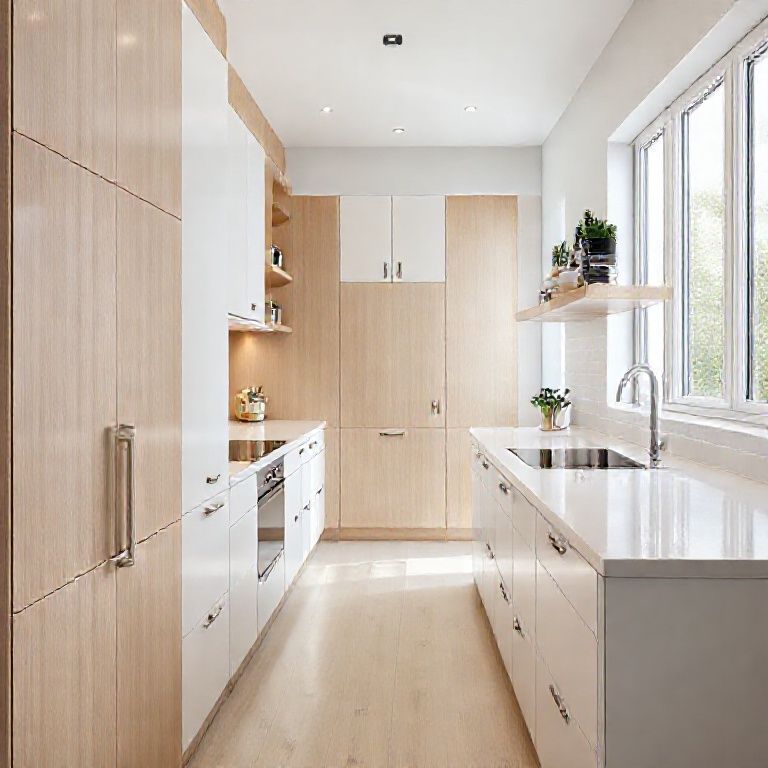
A 2.8-meter width, while certainly not sprawling, offers a unique opportunity to focus on efficiency and flow. It’s the perfect width for a classic galley kitchen layout, a design that, when executed thoughtfully, can be incredibly powerful. Think of it as a culinary runway – a streamlined path that minimizes wasted steps and maximizes your reach. The key here is to embrace the linearity, to work with it rather than against it.
Let’s talk about layout first, because in a narrow space, this is paramount. The galley kitchen, with its parallel runs of cabinetry and countertops, is the undisputed champion of 2.8-meter spaces. One side typically houses your main prep area, sink, and dishwasher, while the other can accommodate your cooking zone (stove/oven) and refrigerator. The beauty of this arrangement is that it creates a clear, efficient work triangle, allowing you to move seamlessly between the essential tasks of cooking. The distance between the two runs of cabinetry is crucial; ideally, you’ll want at least 1.2 to 1.5 meters of clear walkway. This ensures comfortable movement, allows two people to potentially work in the kitchen without bumping elbows, and prevents the space from feeling claustrophobic.
However, a galley kitchen doesn’t have to be a monotonous tunnel. To break up the visual length and add character, consider varying the height of your cabinetry or incorporating open shelving on one side. For instance, one wall could feature floor-to-ceiling cabinets for ample storage, while the opposite wall might have a combination of lower cabinets and open shelves, perhaps displaying attractive dinnerware or decorative items. This visual contrast can make the space feel more dynamic and less like a corridor.
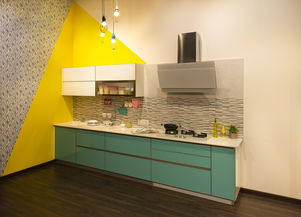
Another effective layout for a 2.8-meter wide kitchen is a single-wall design. If you have a very long, narrow space, all your appliances and cabinetry can be aligned along one wall. This is particularly common in open-plan living areas where the kitchen becomes a sleek, unobtrusive element. The challenge here is storage and workflow. To make this work, you’ll need to be incredibly smart about incorporating multi-functional elements. Think about a pull-out pantry, integrated appliances, and clever corner storage solutions if your layout allows for an L-shape at one end.
Beyond the basic layout, the “work zone” concept is your best friend. Designate clear areas for washing, chopping, and cooking. This might involve strategically placing your sink, a spacious countertop section for food prep, and your stove. Ensure adequate lighting in each zone; task lighting under your upper cabinets is non-negotiable for safe and enjoyable food preparation.
Material choices play a significant role in how a narrow kitchen feels. Opt for lighter colors for your cabinets, countertops, and walls. Whites, pale grays, creams, and soft pastels can visually expand the space, reflecting light and creating an airy ambiance. High-gloss finishes on cabinets can also bounce light around, further enhancing the sense of spaciousness.
Think about your flooring too. Continuous flooring that flows from the kitchen into adjacent areas can create a sense of unity and make the overall space feel larger. Light-colored tiles, wood-look vinyl planks, or polished concrete can all contribute to this effect.
When it comes to cabinetry, consider shallow depth cabinets if possible, especially on one side of a galley layout. This can add a few precious centimeters to your walkway without sacrificing too much storage. Alternatively, explore custom cabinetry that is specifically designed to fit your narrow space perfectly. Integrated handles or push-to-open mechanisms can also contribute to a sleeker, less cluttered look, preventing any visual intrusion into the walkway.
The refrigerator is often the bulkiest appliance. If possible, opt for a counter-depth refrigerator or consider integrating it into your cabinetry for a seamless look. If you have the option of placing it at the very end of the galley or a single-wall run, it can help to break up the linear feel.
Lighting is an often-overlooked hero in small kitchens. Beyond task lighting, consider ambient lighting that provides a general glow and accent lighting to highlight features. Recessed ceiling lights are a good starting point, but don’t underestimate the impact of pendant lights over an island (if your layout allows for one, even a narrow, movable one) or a dining nook.
Finally, let’s not forget the power of illusion. Mirrors can be a game-changer in a narrow kitchen. Placing a mirror strategically on a wall can create the illusion of depth and reflect light, making the space feel considerably larger. Even a well-placed piece of reflective artwork can have a similar effect.
Designing a 2.8-meter wide kitchen is an exercise in thoughtful planning and creative problem-solving. It’s about embracing the inherent characteristics of the space and using them to your advantage. By focusing on an efficient layout, smart material choices, strategic lighting, and a few visual tricks, you can transform what might seem like a constraint into a beautifully functional and undeniably stylish culinary hub. The narrow kitchen renaissance is here, and it’s proving that good design knows no width limit.
Continuing our exploration of the 2.8-meter wide kitchen, let’s delve deeper into the finer details that elevate a functional space into a truly inspiring one. Having established the foundational principles of layout and material selection in Part 1, we now turn our attention to the elements that add personality, maximize utility, and ensure your narrow kitchen is a joy to inhabit.
Storage, of course, remains a top priority. In a 2.8-meter wide space, every cabinet and drawer must work overtime. Think vertically. Utilize the full height of your walls with cabinetry that extends to the ceiling. This not only maximizes storage but also draws the eye upward, making the room feel taller. For those hard-to-reach upper cabinets, consider a sleek step stool that can be easily stored away or even integrated into your design. Lazy Susans and pull-out shelves within cabinets are invaluable for making the contents of deep or back-corner cabinets accessible, preventing lost space and forgotten ingredients.
Open shelving can be a double-edged sword in a narrow kitchen. While it can add visual lightness and display opportunities, too much can lead to a cluttered appearance. The key is balance. Use open shelving strategically for frequently used items or decorative pieces that add personality without overwhelming the space. Consider floating shelves for a minimalist aesthetic, or cubby-style shelving that offers a more structured look. Ensure these are kept tidy; a narrow kitchen benefits immensely from an organized, uncluttered presentation.
Appliances are another area where clever choices can make a significant difference. Beyond the refrigerator, consider compact dishwashers that can fit neatly under the counter, or even a dishwasher drawer if your budget and needs allow. A slimline oven or a combination microwave-oven unit can save valuable space. When selecting a range, a two-burner induction cooktop might be sufficient for many households and takes up less counter space than a standard four-burner. Think about where your appliances are placed too. If possible, avoid having the oven door swing open directly into the main walkway.
The concept of a “work triangle” in a galley kitchen is about more than just appliance placement; it’s about creating efficient zones. Imagine your kitchen as a production line. You have your “receiving and prep” zone (sink and counter space), your “cooking” zone (stove), and your “storage and serving” zone (refrigerator and pantry). In a narrow kitchen, these zones are necessarily close together, so optimizing the flow between them is key. Ensure there’s enough uninterrupted counter space between the sink and the stove for comfortable food preparation.
Let’s talk about color and finish again, but with a focus on how they influence perception. Beyond light colors, consider incorporating reflective surfaces. A mirrored backsplash can work wonders, creating an illusion of depth and doubling the visual space. Even glossy tiles or a polished metal backsplash can contribute to this effect. When choosing cabinet finishes, opt for matte or satin over high-gloss if you’re concerned about showing fingerprints, but remember that gloss can amplify light.
Hardware is your jewelry. In a narrow kitchen, it’s best to keep hardware simple and unobtrusive. Integrated handles, slim bar pulls, or even handleless cabinets (push-to-open mechanisms) contribute to a clean, streamlined look that prevents visual clutter. Avoid overly ornate or bulky hardware that can snag or feel like an obstruction.
Lighting, as mentioned, is crucial. Layer your lighting strategy. Start with general ambient lighting from recessed ceiling fixtures. Then, add focused task lighting under your upper cabinets to illuminate countertops for prep work. Consider accent lighting, perhaps a small spotlight on a display shelf or a strip of LED lighting under a toe kick, to add warmth and ambiance. Dimmers are your friend; they allow you to control the mood and intensity of light throughout the day.
If your 2.8-meter kitchen is part of an open-plan living area, consider how it integrates visually. A cohesive color palette between the kitchen and adjacent spaces can make the entire area feel more expansive. If you have the space for a narrow island or peninsula, it can serve multiple functions: additional prep space, casual dining, or even a visual divider between the kitchen and living area. Opt for a slim, perhaps mobile, island that can be moved out of the way when not in use.
Don’t underestimate the power of thoughtful accessories. A well-organized utensil drawer, magnetic knife strips, and wall-mounted spice racks can free up valuable counter and cabinet space. Consider a wall-mounted drying rack that folds away when not in use.
When it comes to workflow, think about the “landing zones.” Where will you place groceries when you bring them in? Where will dirty dishes go before they enter the dishwasher? Planning these small moments of interaction with the space can make a big difference in daily usability.
Ultimately, designing a 2.8-meter wide kitchen is about a mindful approach to space. It’s about selecting every element with purpose and considering its impact on both functionality and the overall aesthetic. It’s about embracing efficiency, celebrating smart storage solutions, and using light and color to create an environment that feels open, inviting, and inspiring. This narrow space, when designed with intention, can become a testament to the fact that style and practicality can indeed go hand in hand, proving that limitations can often be the greatest drivers of creativity. Your compact kitchen can be a masterpiece, a testament to clever design and a delightful place to whip up culinary wonders.









