
Certainly! Here is a soft article on the theme of “2-meter wide kitchen layout design” that aims to be engaging and informative.
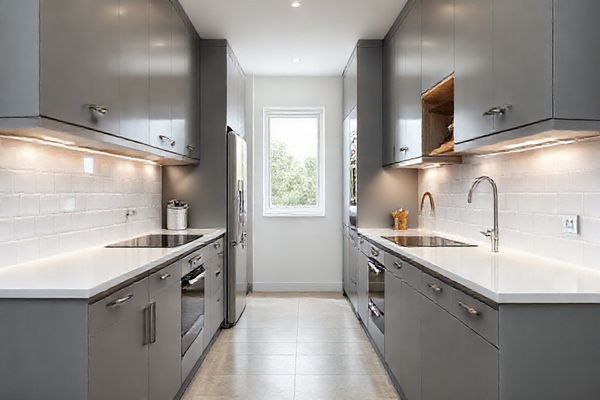
The kitchen is often called the heart of the home, a place where culinary creations come to life, and memories are made over shared meals. But what if your heart of the home is a little… well, narrow? For many, especially those in urban apartments or older homes, the reality is a kitchen that stretches more in length than in width, often measuring around two meters across. This constraint can feel daunting, conjuring images of cramped countertops and a frustrating lack of workflow. However, I’m here to tell you that a 2-meter wide kitchen isn’t a limitation; it’s an invitation to get creative! With the right design approach, this seemingly narrow space can be transformed into a remarkably efficient, stylish, and joy-inducing area for cooking, dining, and gathering.
Think of the 2-meter wide kitchen layout as a blank canvas begging for clever solutions. The most common and effective layout for such a space is the galley kitchen. This design, characterized by parallel countertops and cabinets running along two opposite walls, is inherently suited for longer, narrower rooms. It optimizes the available width by creating a dedicated “corridor” for movement and workflow. The key to a successful galley kitchen lies in maximizing every inch, ensuring that functionality doesn’t come at the expense of aesthetics.
The foundation of any great kitchen, narrow or not, is its layout. In a 2-meter wide space, the galley layout is your best friend. It allows for a logical progression of tasks: the “work triangle” (sink, refrigerator, and stove) can be efficiently arranged along one or both walls. For instance, you might place the sink and dishwasher on one side, with the stove and oven on the opposite. The refrigerator can be positioned at either end, depending on access and the overall flow. This linear arrangement minimizes unnecessary steps and creates a streamlined cooking experience.
Beyond the basic galley, consider the “one-wall” kitchen. This is even more space-conscious, with all cabinets, appliances, and work surfaces consolidated along a single wall. While this might seem extreme, it can be incredibly effective in very tight spaces, often found in studio apartments. In a 2-meter wide scenario, a one-wall kitchen could still offer ample storage and workspace if designed thoughtfully, perhaps with a central island or a pull-out dining table to compensate for the lack of a second work surface. However, for a true 2-meter width, the dual-sided galley often provides a more comfortable and functional experience.
The “parallel” or “corridor” kitchen, another term for the galley, is your primary consideration. Imagine this: on one wall, you have your primary prep area, sink, and dishwasher. On the opposite wall, you might house your refrigerator, pantry storage, and perhaps the oven and stovetop. The beauty of this arrangement is that it keeps the central walkway clear, allowing two people to work comfortably side-by-side without bumping elbows. The distance between the two parallel runs is crucial. Ideally, this should be between 1.2 to 1.8 meters (approximately 4 to 6 feet). If your kitchen is exactly 2 meters wide, you’ll likely have about 1 meter of clear walkway space once cabinets and appliances are in place, which is perfectly functional.
When designing your 2-meter wide galley kitchen, think about the “zones” of activity. You have your cleaning zone (sink and dishwasher), your preparation zone (countertop space), and your cooking zone (stove and oven). Arranging these in a logical sequence is paramount. A common and effective flow is: refrigerator (storage) -> sink (cleaning/prep) -> stovetop (cooking). This mirrors the natural progression of cooking. However, you might find it more practical to have the sink and stove on opposite walls to maximize your usable countertop space in the middle. For example, placing the sink on the wall with the refrigerator allows for direct access to water for washing ingredients before prep and cooking. Then, placing the stovetop on the opposite wall allows for easy transfer of prepared food to the cooking surface, with prep space on either side of the stove.
The depth of your cabinets is also a critical factor. Standard base cabinets are typically 60cm (24 inches) deep. In a 2-meter wide kitchen, if you have 60cm cabinets on both sides, you’re left with 80cm (32 inches) of walkway space. This is a comfortable width for movement. However, if you have a very tight 2-meter space or want more generous movement, you might consider slightly shallower base cabinets on one side, perhaps 45-50cm (18-20 inches). This would increase your walkway to around 1 to 1.1 meters, offering a more open feel. The trade-off is a reduction in storage capacity within those cabinets, so you’ll need to compensate elsewhere.
Lighting is another design element that can dramatically impact the feel of a narrow kitchen. In a 2-meter wide space, you want to avoid dark corners and create an illusion of spaciousness. Ample task lighting is essential. Under-cabinet lighting is a must for illuminating countertops during prep. Pendant lights over a central island or dining area can add both light and a visual anchor. Recessed ceiling lights can provide overall ambient illumination. Consider using reflective surfaces like glossy tiles or polished countertops to bounce light around the room, further enhancing the sense of openness.
Color plays a significant role, too. Lighter colors tend to make spaces feel larger and airier. Think crisp whites, soft grays, pale blues, or gentle greens for your cabinets and walls. If you’re feeling bold, a vibrant accent color on one wall or in your backsplash can add personality without overwhelming the space. Glossy finishes on cabinets and tiles will reflect light, making the kitchen feel brighter and more expansive.
Maximizing storage is perhaps the most pressing challenge in any small kitchen, and a 2-meter wide galley is no exception. Every inch of vertical space should be utilized. Consider tall pantry cabinets that reach the ceiling, providing ample room for dry goods and less frequently used items. Open shelving can add visual lightness and display decorative items, but be mindful of clutter. Pull-out shelves, drawer organizers, and corner cabinet solutions like lazy Susans or pull-out baskets can make accessing items in the back of cabinets much easier. Think about specialized storage solutions: spice racks that mount inside cabinet doors, magnetic knife strips on the wall, and tiered organizers for pots and pans.
Finally, the walkway itself is a design opportunity, not just a path. If the layout allows, a narrow, built-in dining bench along one wall can be a brilliant space-saver, offering seating without encroaching on the central walkway. Alternatively, a fold-down dining table or a small breakfast bar at the end of a cabinet run can provide a spot for quick meals or a place for a guest to sit while you cook. The goal is to make the most of every square foot, ensuring that your 2-meter wide kitchen is not just functional but a delightful space to be in.
Having established the foundational principles for a successful 2-meter wide kitchen layout, let’s delve deeper into the specific design choices and strategies that will elevate your narrow culinary space from functional to fabulous. It’s not just about fitting everything in; it’s about creating an environment that feels open, inviting, and a true pleasure to use, no matter its dimensions.
The concept of the “work triangle” is a time-tested principle in kitchen design, but in a narrow galley kitchen, its interpretation needs to be precise. The ideal distance between the sink, refrigerator, and stove is typically between 4 and 9 feet. In a 2-meter wide kitchen, you’ll likely be working with linear arrangements along one or both walls. This means your “triangle” might be stretched out along a single line or distributed across the two parallel runs. The key is to ensure that the most frequent transitions between these points are short and intuitive. For instance, if your sink and stove are on opposite walls, a direct path between them is essential. Avoid placing obstructions like a rolling cart or a freestanding island directly in this path, as it will disrupt the workflow.
Appliance selection is crucial for a compact kitchen. Opt for slimline or compact appliances where possible. A 45cm dishwasher, for example, can save valuable cabinet space and width compared to a standard 60cm model. Consider a built-in microwave that can be placed above the oven or in a dedicated cabinet niche, freeing up countertop space. For the refrigerator, a counter-depth model will sit more flush with your cabinets, preventing it from jutting out and making the walkway feel narrower. If possible, a drawer-style refrigerator or freezer can be integrated seamlessly under the countertop, further minimizing its visual impact. For cooking, a single oven with a four-burner hob is often sufficient for most households, and you can find these in narrower widths if needed.
The materials you choose can make a profound difference in how spacious your 2-meter wide kitchen feels. For countertops, light-colored quartz, granite, or solid surface materials are excellent choices. They reflect light and create a clean, bright aesthetic. If you’re opting for a more budget-friendly option, laminate countertops in a light, subtle pattern can also work well. For cabinetry, consider high-gloss finishes on your cabinet doors. These act like mirrors, reflecting light and the surrounding space, making the kitchen appear larger. Light wood veneers, painted cabinets in white, cream, or pale pastels are also excellent choices.
When it comes to storage, think vertically and think smart. Tall, wall-mounted cabinets that extend to the ceiling are a game-changer. They provide a vast amount of storage for less frequently used items, keeping the lower cabinets and countertops clear. Use the upper reaches for seasonal items or bulk purchases. Within cabinets, invest in drawer organizers, pull-out shelves, and lazy Susans for corner cabinets. These solutions ensure that every inch of space is accessible and usable, preventing forgotten items from accumulating in the dark recesses of your cabinets. Consider open shelving for display items or frequently used dishes, but keep it curated to avoid a cluttered look. Floating shelves can add a touch of modern design and keep the visual weight down.
The backsplash is an often-overlooked element that can significantly impact the perception of space. A large-format tile with minimal grout lines can create a seamless look, making the wall appear larger. Mirrored backsplashes are also an option for a dramatic effect, bouncing light and adding a sense of depth. If you’re using a lighter cabinet color, a slightly darker or more textured backsplash can add visual interest without overwhelming the space.
The flooring in your narrow kitchen should be durable and easy to clean, but also contribute to the overall aesthetic. Light-colored flooring, such as pale wood-look tiles, light gray porcelain, or even a simple white linoleum, can help to visually expand the space. Laying planks or tiles diagonally can also create a sense of movement and make the room feel wider.
Don’t underestimate the power of accessories and decor. Keep countertop items to a minimum. Utilize wall-mounted storage for utensils, knives, and even small appliances like toasters if they are used daily. A well-placed mirror can create an illusion of depth and reflect light, making the kitchen feel larger. Artwork or decorative items should be chosen carefully to add personality without making the space feel cluttered.
If your 2-meter wide kitchen has space at one or both ends, consider how you can incorporate dining. A compact, round dining table that seats two or three can be a perfect fit. Alternatively, a narrow breakfast bar extending from a countertop or cabinet run can provide a casual dining spot. Stools that tuck neatly underneath when not in use are ideal. For ultimate space-saving, a fold-down table that attaches to the wall is a brilliant solution, disappearing when not needed.
Finally, let’s talk about lighting again, but this time with a focus on creating a mood. While task lighting is essential for functionality, ambient and accent lighting can transform your narrow kitchen into a cozy and inviting space. Under-cabinet LED strips provide a warm glow for evening use. A stylish pendant light over your dining area or a narrow island can become a focal point and add a touch of elegance. Dimmers on your main ceiling lights allow you to adjust the brightness, creating different atmospheres for cooking, dining, or entertaining.
Transforming a 2-meter wide kitchen is an exercise in smart design and creative problem-solving. By embracing the galley layout, selecting compact appliances, utilizing vertical space for storage, choosing light and reflective materials, and paying attention to lighting and decor, you can create a kitchen that is not only highly functional but also a beautiful and enjoyable heart of your home. It’s proof that even the narrowest of spaces can be designed to feel expansive, stylish, and utterly charming.









