Part 1
Part 1
Introduction: The Timeless Allure of Natural Marble
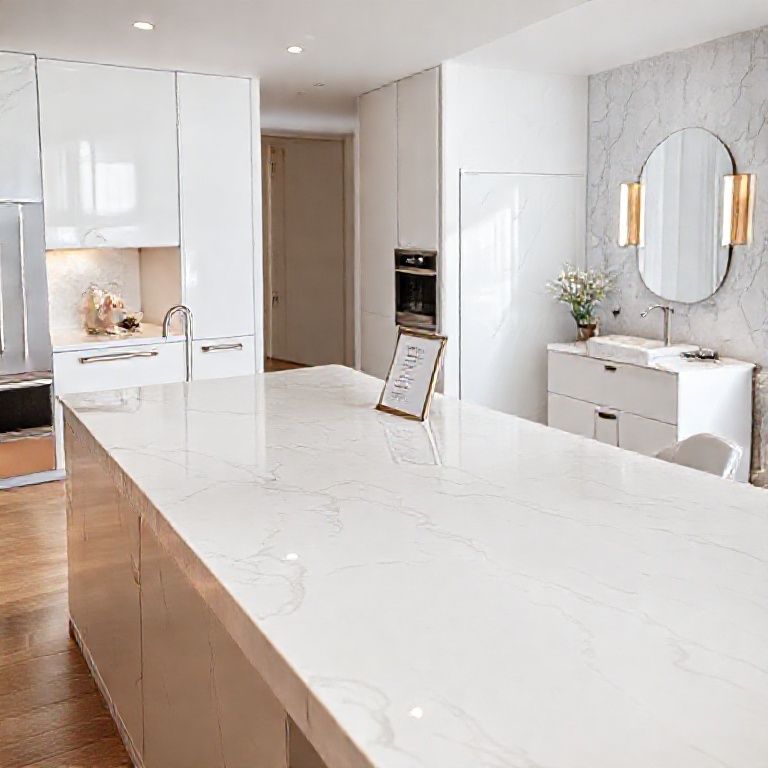
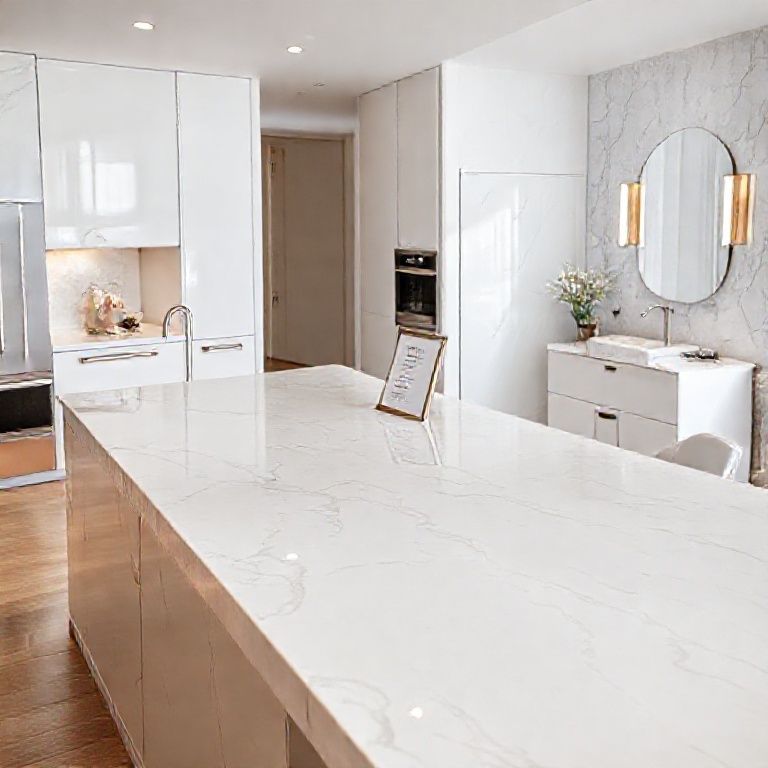
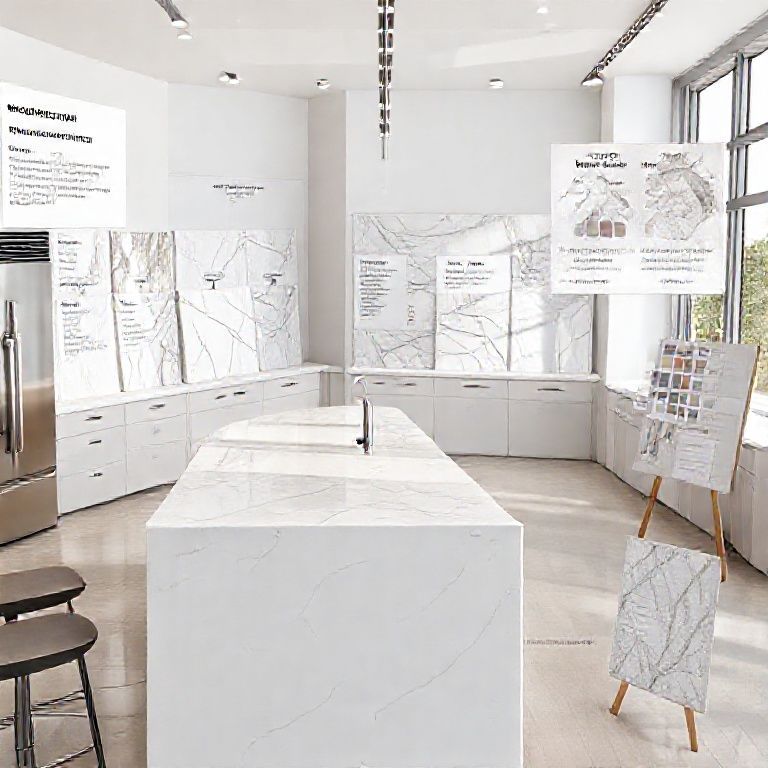
Natural marble has been a coveted material for centuries, celebrated for its timeless beauty, elegance, and durability. From the grandeur of ancient Roman temples to the sophisticated interiors of modern homes, marble has always been a preferred choice for architects and designers. Its unique, veined patterns and smooth texture make it a perfect material for countertops, flooring, and decorative elements. However, with the increasing awareness of health and safety, concerns have been raised about potential radiation and formaldehyde emissions in natural marble. This article aims to demystify these concerns and provide you with a comprehensive understanding of the safety and benefits of natural marble.

Understanding Natural Marble
Marble is a metamorphic rock formed from the transformation of limestone under high pressure and temperature. The process creates beautiful patterns and colors, resulting in the diverse array of marble types available today. Unlike synthetic materials, natural marble is a natural stone, which means it is composed of minerals and naturally occurring substances. This intrinsic nature raises questions about its safety, particularly concerning radiation and formaldehyde.
Radiation in Natural Marble
One of the primary concerns surrounding natural marble is its potential to emit radiation. To understand this, it is essential to delve into the geology of marble. Marble, like other natural stones, can contain trace amounts of radioactive elements such as uranium, thorium, and potassium. These elements can emit radiation, albeit in minimal quantities. However, the radiation levels in natural marble are extremely low and pose no significant health risk.
Regulatory Standards and Safety Protocols
To ensure that natural marble is safe for use, regulatory bodies around the world have established guidelines for radiation levels in building materials. In the United States, the Environmental Protection Agency (EPA) and the Consumer Product Safety Commission (CPSC) have set strict limits on radiation emissions. According to these standards, natural marble that meets these guidelines is considered safe for indoor use.
Scientific Studies and Findings
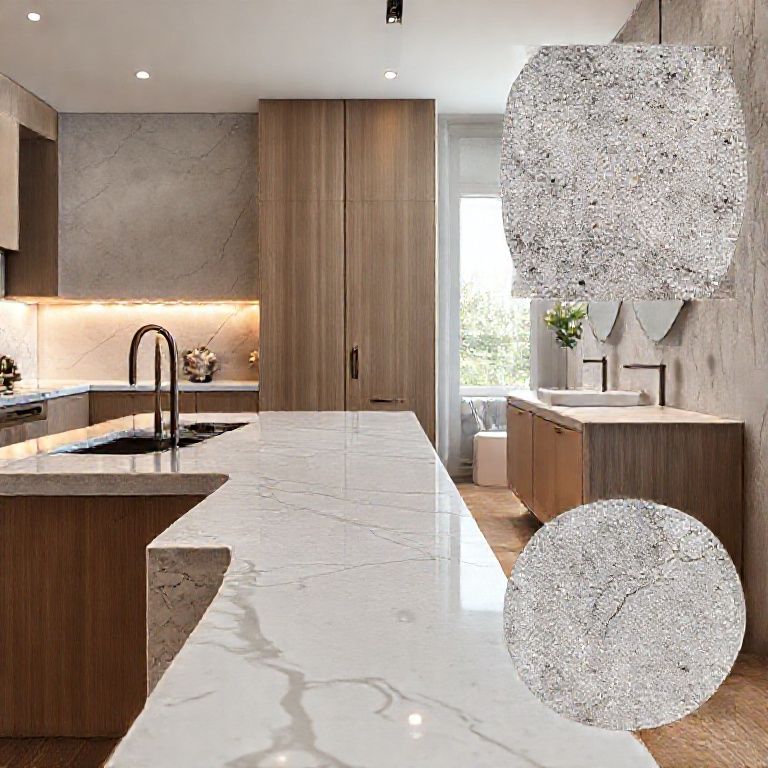
Numerous scientific studies have been conducted to measure the radiation levels in natural marble. The results consistently show that the radiation levels in natural marble are far below the safety thresholds set by regulatory bodies. For instance, a study by the University of California found that the radiation levels in natural marble are comparable to those found in granite and other common building materials. This reinforces the notion that natural marble does not pose a significant radiation risk when used in indoor settings.
Addressing Concerns: Practical Implications
When incorporating natural marble into your home, it is crucial to source your materials from reputable suppliers who adhere to safety standards. By choosing high-quality marble that has undergone testing and meets regulatory guidelines, you can ensure that the radiation levels are within safe limits. Additionally, proper installation and maintenance of marble surfaces can help mitigate any potential risks.
Formaldehyde in Natural Marble
Another common concern regarding natural marble is its potential to emit formaldehyde, a chemical compound known to cause various health issues. However, it is important to note that natural marble itself does not contain formaldehyde. The potential for formaldehyde emissions typically arises from the adhesives and sealants used during the installation process.
The Role of Adhesives and Sealants
During the installation of marble countertops, adhesives and sealants are commonly used to secure the marble to the substrate. These materials can release formaldehyde as they cure. To address this concern, it is essential to choose high-quality, low-formaldehyde adhesives and sealants that meet industry standards.
Ensuring Low-Formaldehyde Emissions
To minimize formaldehyde emissions, select adhesives and sealants that are labeled as low-VOC (volatile organic compounds) or zero-VOC. Additionally, ensuring proper ventilation during and after the installation process can help dissipate any formaldehyde that might be released. Following the manufacturer’s instructions for curing times and allowing adequate drying periods can further reduce the risk of formaldehyde exposure.
The Environmental Impact of Marble
While addressing concerns about radiation and formaldehyde, it is also important to consider the environmental impact of using natural marble. Marble mining and extraction processes can have significant ecological consequences, including habitat destruction and water pollution. However, advancements in sustainable practices are helping to mitigate these effects.
Sustainable Marble Sourcing
Many marble producers are now adopting sustainable practices to minimize their environmental footprint. This includes responsible mining techniques, recycling of water, and implementing measures to reduce waste and emissions. Supporting brands that prioritize sustainability can help ensure that the marble you choose is responsibly sourced.
Lifecycle Considerations
When evaluating the environmental impact of natural marble, it is essential to consider its entire lifecycle, from extraction to installation and eventual disposal. Natural marble is a durable material that can last for decades with proper care, reducing the need for frequent replacements and minimizing waste. Additionally, marble is recyclable, making it a more environmentally friendly option compared to many synthetic materials.
Conclusion: The Safety and Beauty of Natural Marble
In conclusion, the concerns surrounding radiation and formaldehyde in natural marble are largely unfounded. Regulatory standards and scientific studies consistently demonstrate that natural marble is safe when sourced and installed correctly. The unique beauty and elegance of natural marble make it a timeless choice for enhancing the aesthetic appeal of any space. By understanding the safety protocols and sustainable practices associated with natural marble, you can confidently incorporate this exquisite material into your home, knowing that it meets both aesthetic and health standards.
Part 2
Part 2
Modern Innovations in Marble Safety
In recent years, advancements in technology and materials science have further enhanced the safety and sustainability of natural marble. These innovations have addressed some of the concerns related to radiation and formaldehyde, providing additional peace of mind for consumers.
Advanced Testing and Certification
Modern testing techniques allow for precise measurement of radiation levels in natural marble. These tests ensure that the material meets stringent safety standards before it reaches the market. Additionally, certification from reputable organizations, such as the International Marble Institute (IMI), guarantees that the marble has undergone rigorous testing and adheres to safety guidelines.
Eco-Friendly Sealants and Adhesives
The development of eco-friendly sealants and adhesives has significantly reduced the risk of formaldehyde emissions during the installation process. These products are designed to cure at lower temperatures, minimizing the release of harmful chemicals. Moreover, many of these eco-friendly products are biodegradable, further reducing their environmental impact.
The Role of Consumer Education
Consumer education plays a vital role in ensuring the safe use of natural marble. By staying informed about the latest safety standards and best practices, consumers can make educated decisions when selecting and installing marble for their homes. This includes understanding the importance of choosing high-quality materials and following proper installation techniques.
Health and Safety Considerations
While natural marble itself does not pose significant health risks, it is essential to consider overall indoor air quality and overall home environment. Proper ventilation, regular cleaning, and the use of high-quality installation materials contribute to maintaining a healthy indoor environment.
Maintaining Marble Surfaces
To ensure the longevity and safety of natural marble, regular maintenance is crucial. This includes cleaning the surface with appropriate products that do not contain harsh chemicals that could potentially react with the marble. Additionally, avoiding the use of abrasive cleaners and excessive heat can help preserve the beauty and integrity of the marble.
Environmental Impact: A Sustainable Future
The environmental impact of natural marble is a significant consideration, and ongoing efforts to enhance sustainability are making a positive difference. Sustainable practices in marble mining and production are becoming more prevalent, with many suppliers adopting eco-friendly methods to reduce their ecological footprint.
Responsible Mining Practices
Responsible mining practices involve the use of technology to minimize land disruption and water usage. Implementing measures to restore mined areas to their natural state, such as reforestation and habitat restoration, helps mitigate the environmental impact of marble extraction. Suppliers committed to sustainability often provide detailed information about their practices, allowing consumers to make informed choices.
Sustainable Supply Chains
A sustainable supply chain involves ethical sourcing, fair labor practices, and reduced carbon emissions. By supporting brands that prioritize sustainability, consumers can contribute to the responsible production of natural marble. This includes choosing suppliers that demonstrate a commitment to reducing their environmental impact throughout the supply chain.
Innovations in Marble Production
Advancements in marble production technology are also contributing to a more sustainable future. Innovations such as reduced energy consumption in manufacturing processes, recycling of waste materials, and the development of eco-friendly products are helping to minimize theenvironmental impact of marble production. These innovations are essential for ensuring that natural marble remains a viable and sustainable option for future generations.
The Future of Natural Marble
As we look to the future, the demand for natural marble is expected to remain strong, driven by its timeless beauty and durability. However, this also highlights the need for continued efforts in sustainability and safety. The integration of modern technology and sustainable practices will be key to meeting these challenges.
Advancements in Sustainable Technology
Technological advancements in marble production are paving the way for more sustainable practices. For instance, the development of new adhesives and sealants that are both high-performing and environmentally friendly is helping to reduce the ecological footprint of marble installations. Additionally, innovations in recycling and waste management are contributing to a more circular economy in the marble industry.
Consumer Responsibility and Awareness
Consumers play a crucial role in driving the demand for sustainable and safe natural marble. By choosing products that are responsibly sourced and manufactured, consumers can support the industry’s shift towards more sustainable practices. Increased awareness and education about the environmental impact and safety of natural marble will empower consumers to make informed choices.
Conclusion: Embracing the Beauty and Safety of Natural Marble
Natural marble remains a cherished material for its beauty, elegance, and durability. By understanding the safety concerns related to radiation and formaldehyde, and by embracing sustainable practices, we can continue to enjoy the timeless allure of natural marble in our homes and public spaces. The ongoing commitment to safety and sustainability ensures that natural marble will remain a preferred choice for architects, designers, and homeowners alike.
In summary, the safety and sustainability of natural marble are well within reach through responsible sourcing, advanced testing and certification, the use of eco-friendly materials, and ongoing consumer education. As we continue to innovate and improve our practices, natural marble will undoubtedly remain a celebrated and safe material for generations to come.
Final Thoughts: The Timeless Appeal of Natural Marble
Natural marble’s enduring appeal lies in its unique beauty and versatility. From the intricate patterns and colors that make each piece unique to its durability and timeless elegance, natural marble continues to captivate the hearts of architects, designers, and homeowners worldwide. By addressing safety concerns and embracing sustainable practices, we can fully appreciate and enjoy the natural beauty of marble while ensuring the health and well-being of our indoor environments.
The journey towards a safer, more sustainable future for natural marble is ongoing, but with continued efforts and innovations, we can ensure that this exquisite material remains a cherished and enduring part of our built environment.