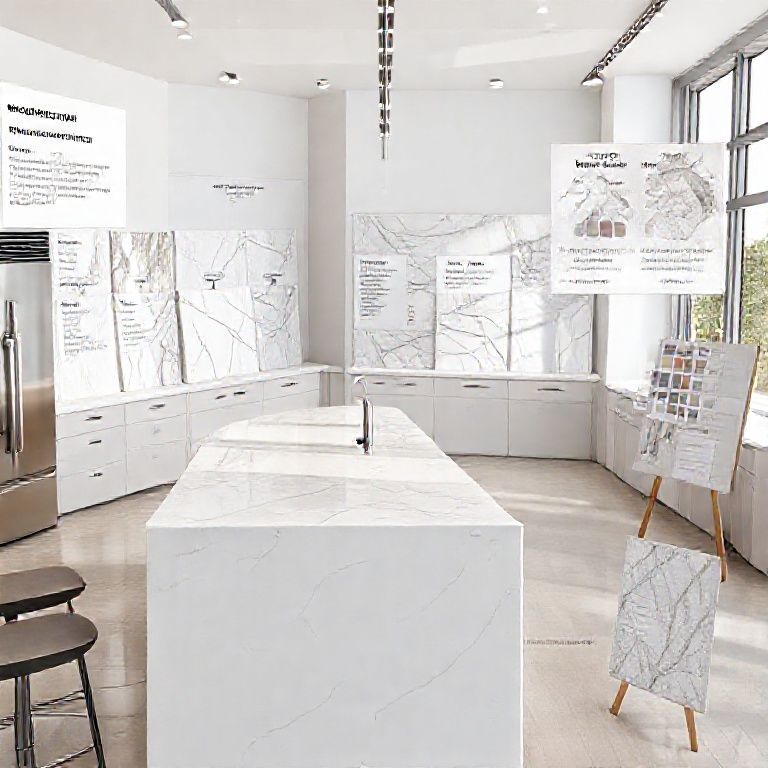
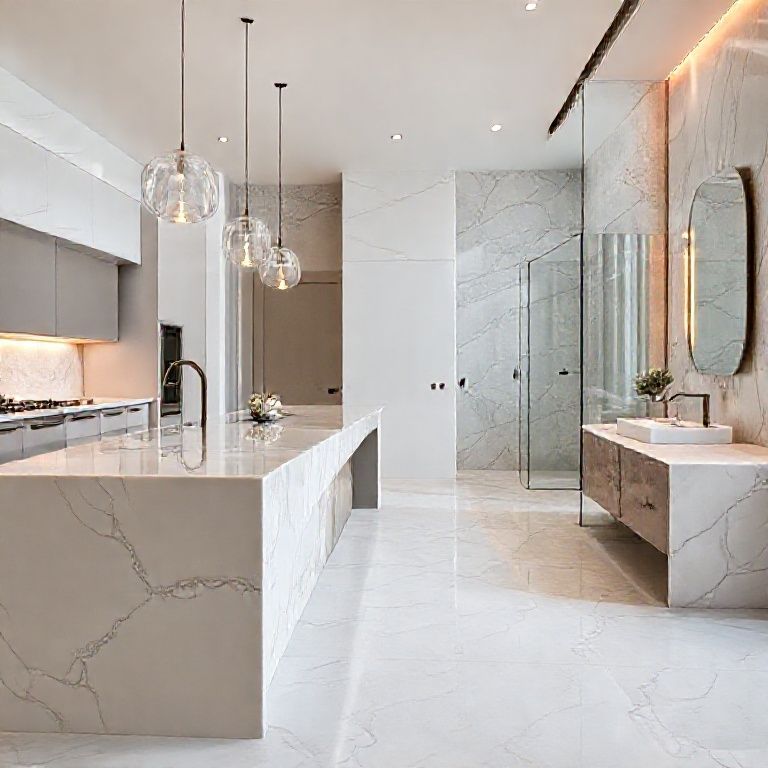
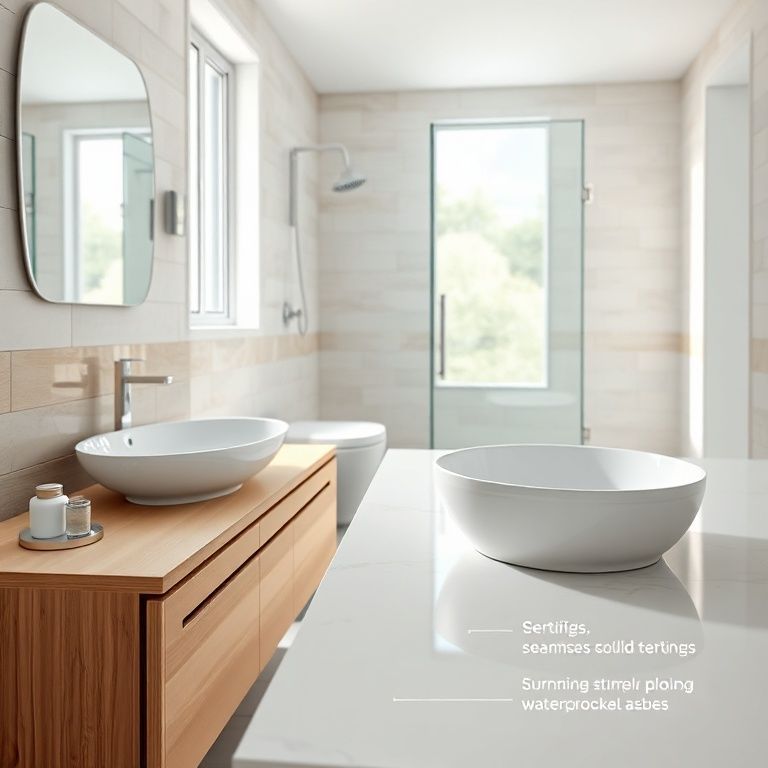
The Perfect Thickness for Artificial Stone Countertops: A Comprehensive Guide
Artificial stone countertops have revolutionized kitchen and bathroom design, offering a blend of durability, aesthetic appeal, and low maintenance. Among the myriad considerations when selecting artificial stone for your countertops, one critical aspect often overlooked is the thickness. Understanding the ideal thickness for artificial stone countertops is essential for ensuring both functionality and longevity. In this part of our guide, we will delve into the various factors influencing the optimal thickness of artificial stone countertops, and provide practical insights to help you make an informed decision.
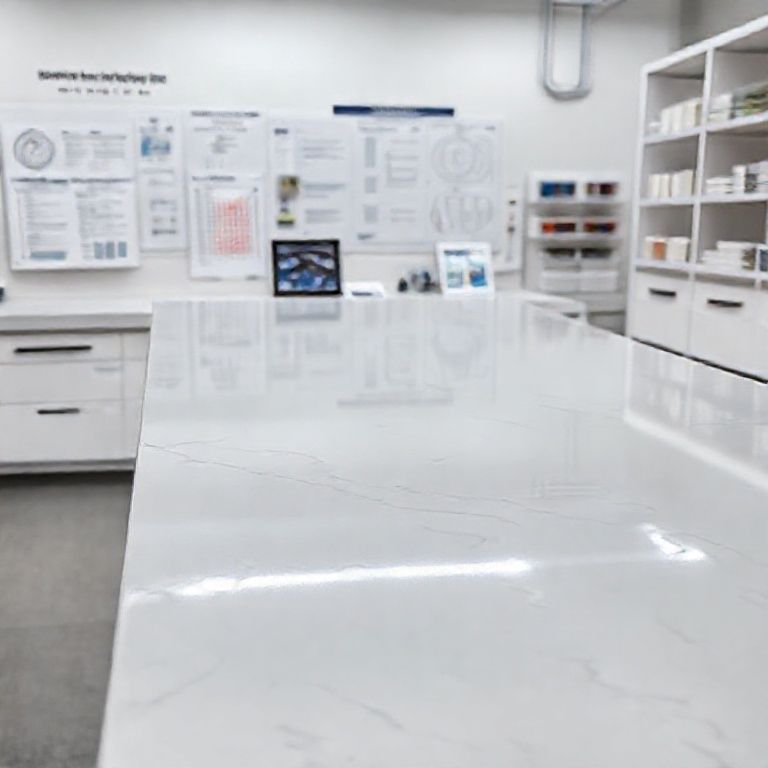
What is Artificial Stone?
Artificial stone, also known as quartz or composite stone, is a modern material crafted from a combination of natural stones and resins. This innovative material boasts a myriad of benefits, including exceptional durability, water resistance, and a wide array of customizable designs. Unlike traditional granite or marble, artificial stone is impervious to stains and scratches, making it an excellent choice for high-traffic areas like kitchens and bathrooms.
Factors Influencing Countertop Thickness
The thickness of artificial stone countertops is a pivotal factor that affects both their appearance and functionality. Several key elements come into play when determining the ideal thickness:
Functionality and Durability: Load-Bearing: Countertops that support heavy items, such as cookware or appliances, benefit from greater thickness. A thicker countertop distributes weight more evenly, preventing potential cracks or damage. Daily Use: In areas where the countertop sees frequent use, a thicker stone can withstand daily wear and tear better than a thinner one. Installation and Support: Support Structures: The thickness of the countertop must complement the underlying support structure. For instance, a thicker countertop may require a more robust backsplash or integrated support. Weight Distribution: Ensuring that the weight is evenly distributed across the support structure is essential for preventing warping or damage over time. Aesthetic Appeal: Visual Balance: The thickness of the countertop can impact the overall aesthetic of your kitchen or bathroom. A thicker countertop often provides a more substantial and robust look, while a thinner one can offer a sleek, modern appearance. Design Trends: Current design trends favor both thick and thin countertops. Depending on your style preferences, you might opt for a thicker slab for a traditional look or a thinner piece for a contemporary design.
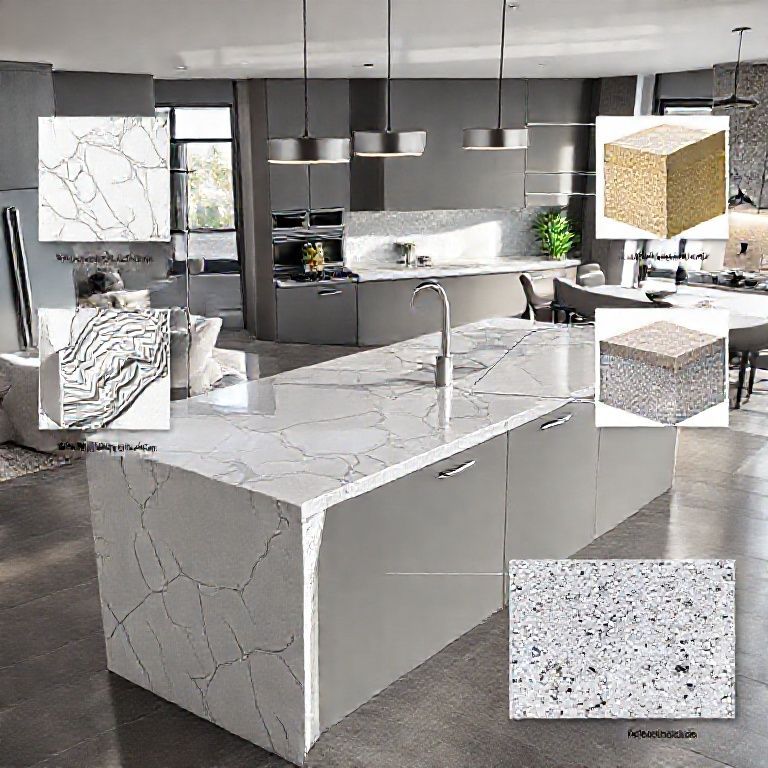
Standard Thickness Range
The standard thickness for artificial stone countertops generally ranges from 1 to 2 inches (2.5 to 5 cm). However, specific applications may call for thicker or thinner options:
1 inch (2.5 cm): Ideal for modern, minimalist designs where a sleek, thin appearance is desired. 1.5 inches (3.8 cm): A versatile thickness suitable for most general-purpose countertops, offering a good balance between durability and aesthetics. 2 inches (5 cm): Best for high-traffic areas, such as kitchen countertops that experience heavy use and require extra durability.
Benefits of Optimal Thickness
Choosing the right thickness for your artificial stone countertop is not just about aesthetics; it’s also about functionality and longevity. Here are some benefits of selecting the optimal thickness:
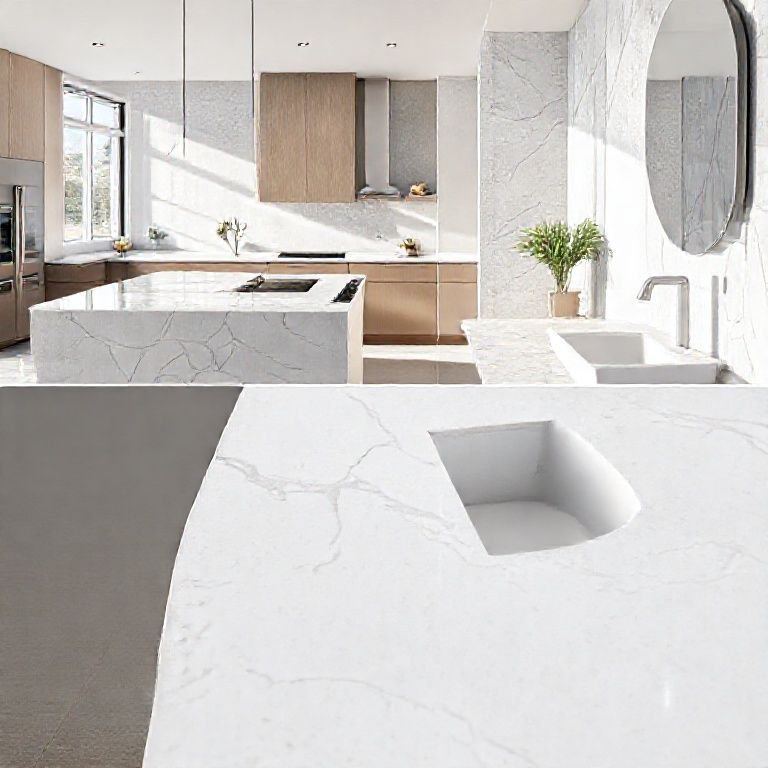
Enhanced Durability: A thicker countertop is less likely to crack under pressure and can withstand more significant impacts. Improved Stability: Proper thickness ensures that the countertop remains stable and does not warp or shift over time. Better Aesthetic Integration: The right thickness complements the overall design of your kitchen or bathroom, enhancing the visual appeal.
Practical Tips for Choosing the Right Thickness
When selecting the ideal thickness for your artificial stone countertop, consider the following practical tips:
Assess Your Space: Evaluate the specific requirements of the area where the countertop will be installed. High-traffic areas may require a thicker slab, while spaces with lighter use might accommodate a thinner one. Consult with Professionals: Engage with a professional installer or designer who can provide expert advice tailored to your particular needs. They can offer insights into the best thickness based on the support structure and overall design plan. Consider Future Maintenance: Think about the long-term maintenance and potential future modifications. A thicker countertop may be more challenging to work with but offers greater durability and lower maintenance in the long run. Explore Design Trends: Stay updated on current design trends to ensure that your choice of thickness aligns with contemporary styles. This can significantly impact the overall look and feel of your space. Budget Considerations: While thicker countertops may have a higher upfront cost, their durability can result in long-term savings by reducing the need for frequent repairs or replacements.
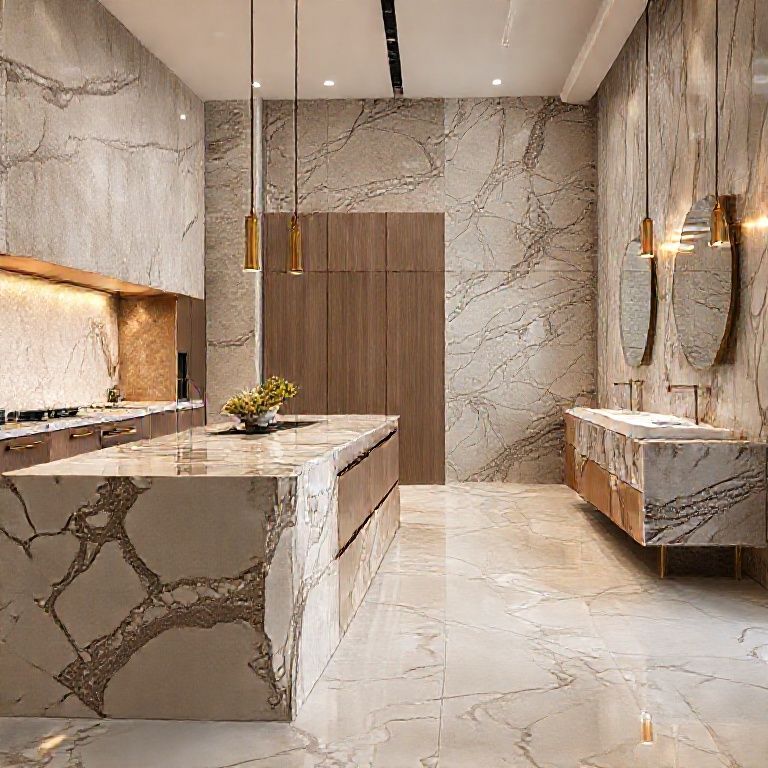
In conclusion, understanding the ideal thickness for artificial stone countertops is essential for achieving both functionality and aesthetics in your kitchen or bathroom design. By considering factors such as load-bearing, installation, and design trends, you can make an informed decision that enhances the longevity and appeal of your space.
The Perfect Thickness for Artificial Stone Countertops: A Comprehensive Guide (Continued)
Continuing from our exploration of the optimal thickness for artificial stone countertops, this part delves deeper into specific scenarios where different thicknesses are advantageous, and provides detailed insights into installation, maintenance, and potential challenges. We will also discuss how to integrate artificial stone countertops seamlessly into various design styles, ensuring a cohesive and visually appealing look.
Scenarios Favoring Different Thicknesses
Understanding the scenarios where different thicknesses of artificial stone countertops shine can help you make an informed decision based on your specific needs and preferences.
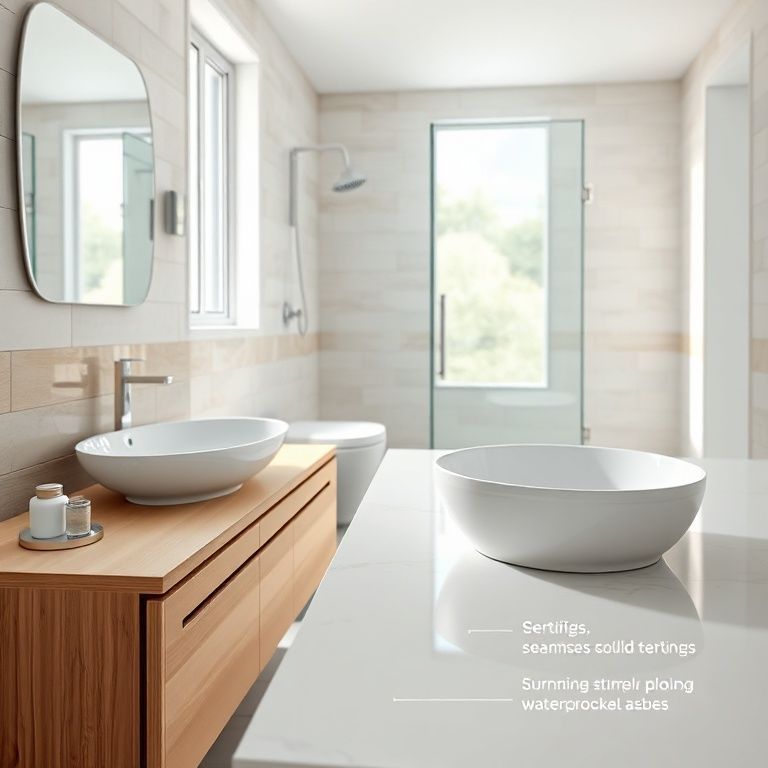
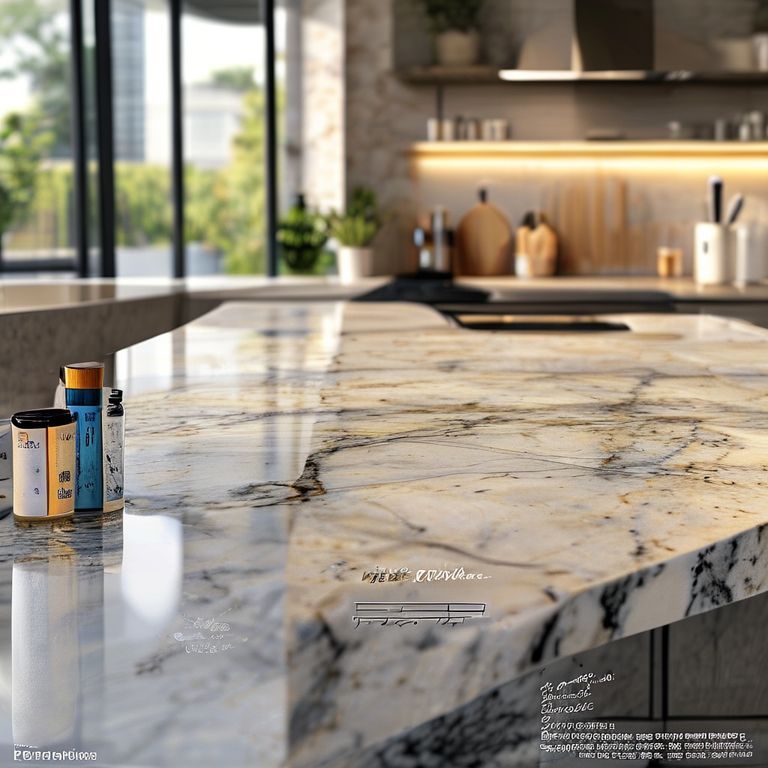
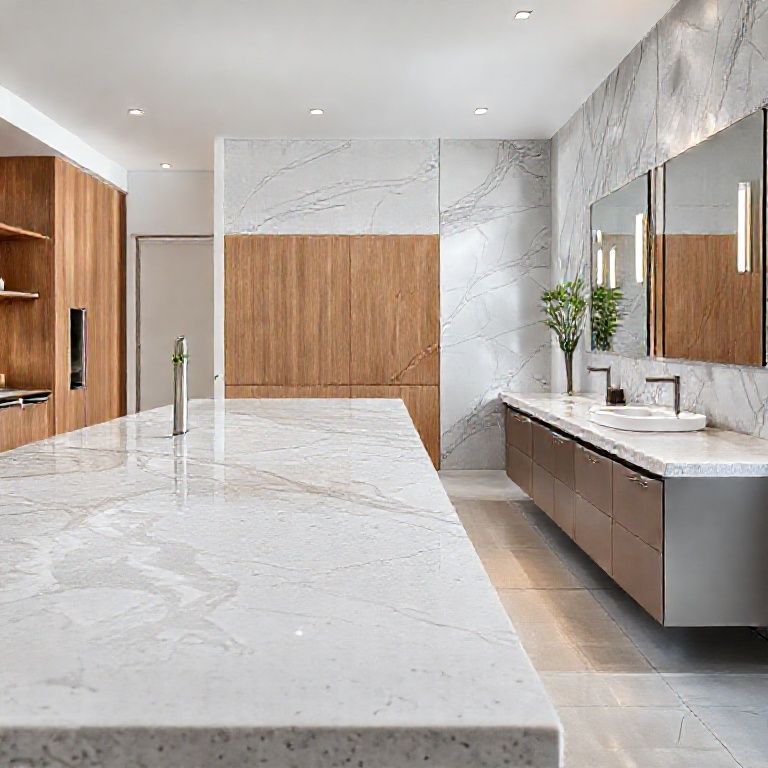
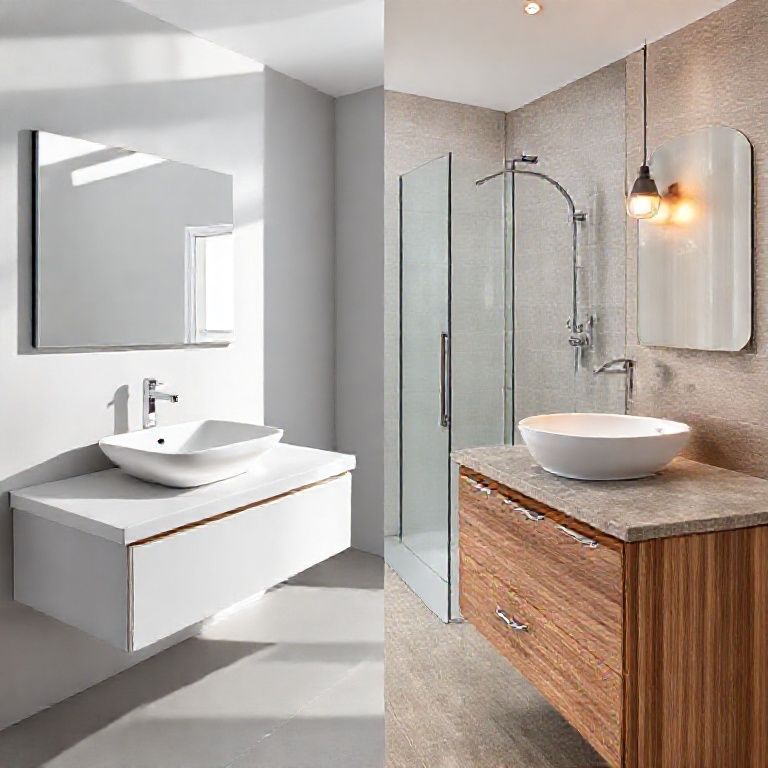
Kitchen Countertops: High-Traffic Areas: For kitchen countertops that experience frequent use, a thickness of 1.5 to 2 inches is typically recommended. This range provides the necessary durability to withstand heavy items, spills, and daily wear and tear. Countertop Islands: Larger kitchen islands often benefit from a thicker countertop (up to 2 inches) to support the weight of cookware, cutting boards, and other heavy items. Bathroom Countertops: Vanity Tops: Bathroom vanities can opt for a slightly thinner thickness (1 to 1.5 inches) since they are generally less prone to heavy use compared to kitchen countertops. The thinner slab provides a sleek and modern look. Sink Countertops: If the sink countertop is part of a larger surface area, a thickness of 1.5 inches is often sufficient. This ensures durability while maintaining a light and airy appearance. Backsplashes: Short Backsplashes: For shorter backsplashes that extend a few inches above the sink or stove, a thickness of 1 inch can be adequate. This provides a modern look without overwhelming the space. Long Backsplashes: For extensive backsplashes, a thickness of 1.5 inches is often preferred. This ensures that the material maintains its integrity and aesthetic appeal over a larger area.
Installation Considerations
Proper installation is crucial for ensuring the longevity and stability of your artificial stone countertop. Here are some key considerations:
Support Structure: Ensure that the underlying support structure, such as cabinetry or walls, can adequately support the chosen thickness. Thicker countertops require more robust support to prevent sagging or shifting. Weight Distribution: Distribute the weight evenly across the support structure to avoid potential warping or damage. This is particularly important for larger countertops or those with significant weight on them. Seamless Integration: For seamless integration with existing cabinetry or walls, precise cutting and fitting are essential. Professional installation ensures that the countertop fits perfectly without gaps or misalignments. Sealing and Finishing: After installation, sealing and finishing the countertop are crucial to enhance its durability and aesthetic appeal. Regular maintenance, including periodic sealing, helps maintain the countertop’s longevity.
Maintenance Tips
Maintaining your artificial stone countertop is relatively straightforward, but following some best practices can ensure it remains in pristine condition for years to come:
Regular Cleaning: Clean the countertop regularly with a mild soap and water solution to remove everyday spills and stains. Avoid using abrasive cleaners or sharp objects that can scratch the surface. Immediate Spill Management: Address spills immediately to prevent stains and damage. For tougher stains, use a gentle cleaner or mild abrasive scrub, but avoid harsh chemicals that can degrade the material. Avoiding Heat Damage: To prevent heat damage, avoid placing hot pots, pans, or appliances directly on the countertop. Use pot holders or trivets to protect the surface. Periodic Sealing: While artificial stone countertops are generally low-maintenance, periodic sealing can enhance their durability and resistance to stains. Follow the manufacturer’s recommendations for resealing.
Potential Challenges and Solutions
While artificial stone countertops offer numerous benefits, there are some potential challenges to be aware of:
1. Cutting and Shaping:
Challenge: 由于人造石硬度较高,切割和塑形可能比较困难,特别是对于厚度较大的台面。 Solution: 使用专业的切割工具和设备,比如电锯或者切割机。如果需要复杂的形状,建议寻求专业人员的帮助。
2. Installation Difficulty:
Challenge: 由于人造石的重量,安装过程可能会比较费力,特别是对于单人操作。 Solution: 在安装之前,确保使用适当的支撑设备,如吊架或者支架,以减轻重量。可以请专业人员协助安装。
3. Surface Imperfections:
Challenge: 在切割和安装过程中,可能会出现表面瑕疵或者不平整。 Solution: 使用砂纸或者研磨机对表面进行打磨和平整。如果瑕疵较大,可以考虑更换部分材料。
4. Adhesion Issues:
Challenge: 如果粘合剂或者安装方法不当,可能会导致台面脱落或者不牢固。 Solution: 选择高质量的粘合剂,并按照说明书正确使用。在安装前,确保台面和支撑结构的表面干净、干燥。
3. Conclusion
人造石台面以其耐用、美观和易于维护的特点,成为了现代厨房和浴室设计的热门选择。选择和安装人造石台面时,厚度、安装方法和维护都是需要特别关注的因素。通过仔细规划和专业的安装,您可以享受到这种材料带来的长久美观和功能性。
如果您对如何选择和安装人造石台面有更多问题,或者需要专业的安装服务,建议咨询专业的建筑或装修公司。他们将提供专业的建议和高质量的安装服务,确保您的项目顺利完成。