Understanding Artificial Stone and Oil Permeability
Introduction:
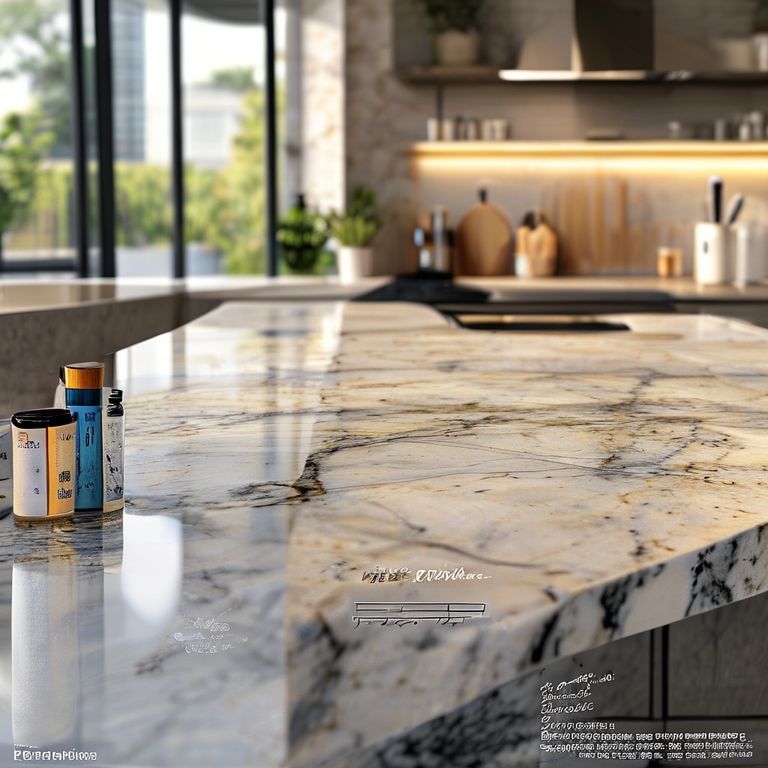
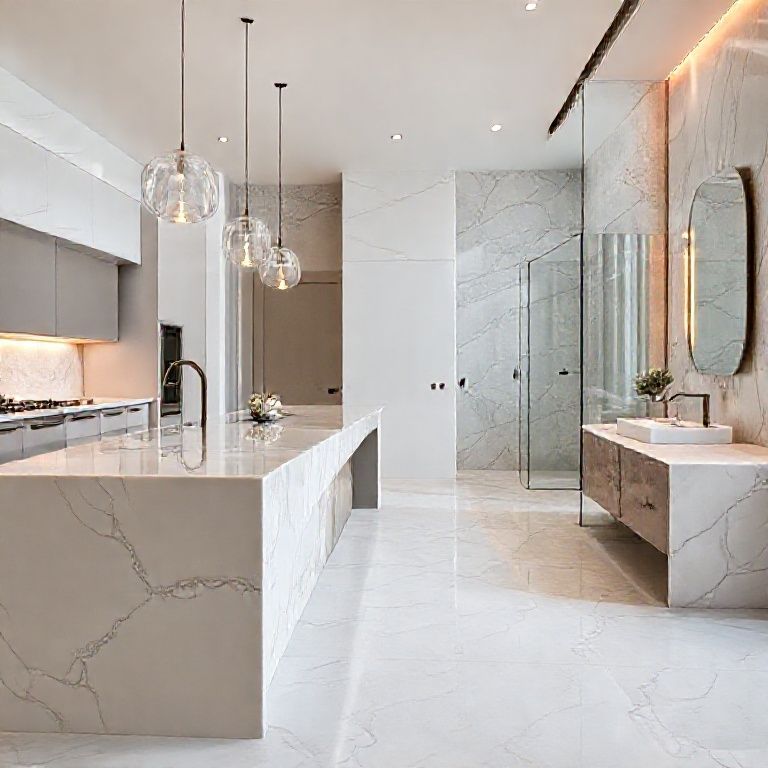
Artificial stone countertops have become a popular choice in modern kitchens and bathrooms due to their durability, low maintenance, and aesthetic appeal. Unlike natural stone like granite, artificial stone is a composite material made from a combination of minerals, resins, and other additives. This unique composition gives artificial stone its strength and resistance to various environmental factors. However, a question often arises regarding the behavior of this material when exposed to substances like oil. In this first part, we will explore the nature of artificial stone, its construction, and the issue of oil permeability.
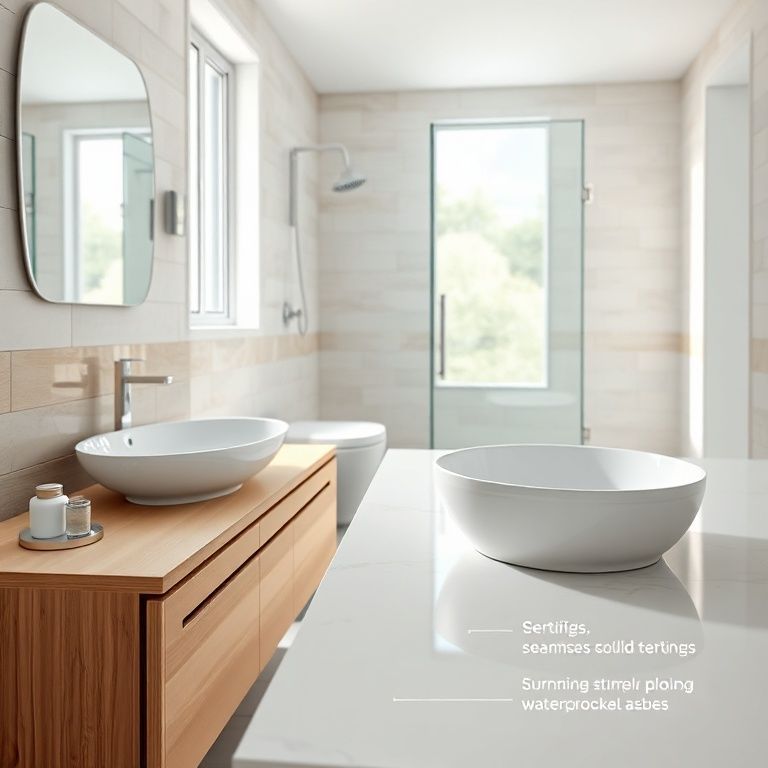
The Composition of Artificial Stone:
Artificial stone, often referred to as engineered stone, is manufactured through a process that binds natural minerals with resins under high pressure and temperature. This combination results in a material that mimics the appearance of natural stone but is significantly more durable. Common types of artificial stone include quartz, Corian, and onyx.
Quartz: Known for its high durability and scratch resistance, quartz countertops are often preferred for their ability to withstand daily wear and tear. Corian: Corian is recognized for its non-porous surface, which prevents bacteria growth and staining. Its smooth texture makes it an excellent choice for kitchen countertops. Onyx: This type of artificial stone combines the beauty of natural stone with the benefits of engineered stone, offering a sleek and modern look.
Oil Permeability in Artificial Stone:
One of the key characteristics of artificial stone is its non-porous nature. Unlike natural stone, which has open pores that can absorb liquids, artificial stone has a sealed surface. This sealed surface is one of the main reasons why artificial stone is highly resistant to stains, bacteria, and scratches.
However, despite its non-porous nature, some individuals have raised concerns about oil permeation. Oil permeation refers to the ability of oil to penetrate the surface of a material. In the context of artificial stone countertops, it raises the question of whether oil from cooking or other activities can seep through the surface and affect the integrity of the material.
The Myth of Oil Seepage:
The belief that artificial stone allows oil to seep through often stems from a misunderstanding of the material’s properties. Here’s why this myth doesn’t hold up:
Non-Porous Surface: Artificial stone is designed to have a smooth, uniform surface that does not have the open pores found in natural stone. This means that oil cannot penetrate deep into the material. Instead, any oil that comes into contact with the surface will sit on top and can be easily cleaned.
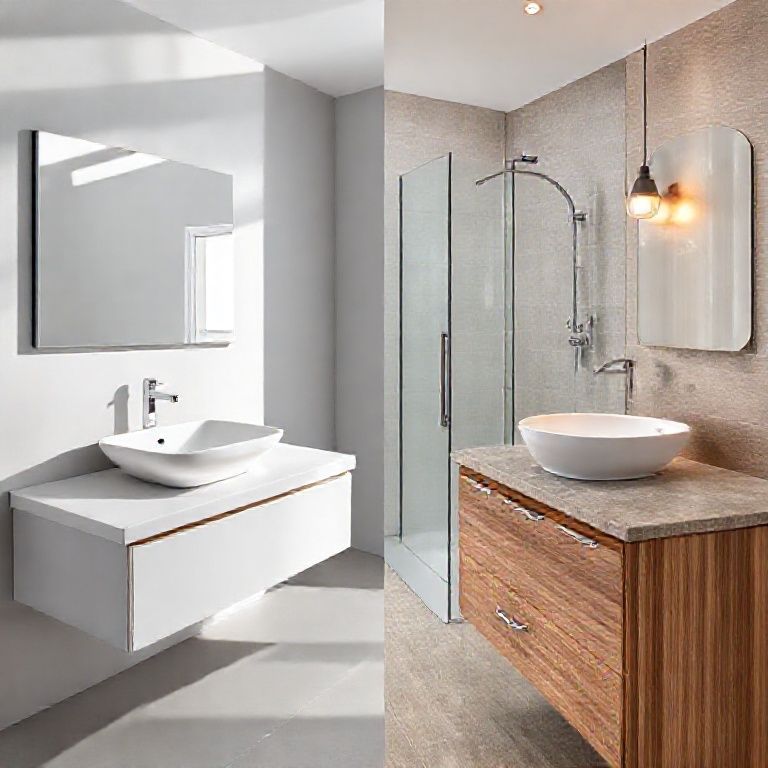
Resin Binding: The resin used in the manufacturing process of artificial stone creates a robust, cohesive structure that prevents liquid substances from seeping into the material. The resin binding ensures that any oil will only affect the top layer, which can be wiped away with ease.
Resistance to Stains and Oil: The high-pressure and high-temperature manufacturing process of artificial stone creates a surface that is resistant to a wide range of stains and oils. This resistance extends to cooking oils, which are commonly used in kitchen environments.
Potential Concerns and Misconceptions:
Despite the non-porous nature of artificial stone, some misconceptions may still linger. Here are a few common concerns addressed:
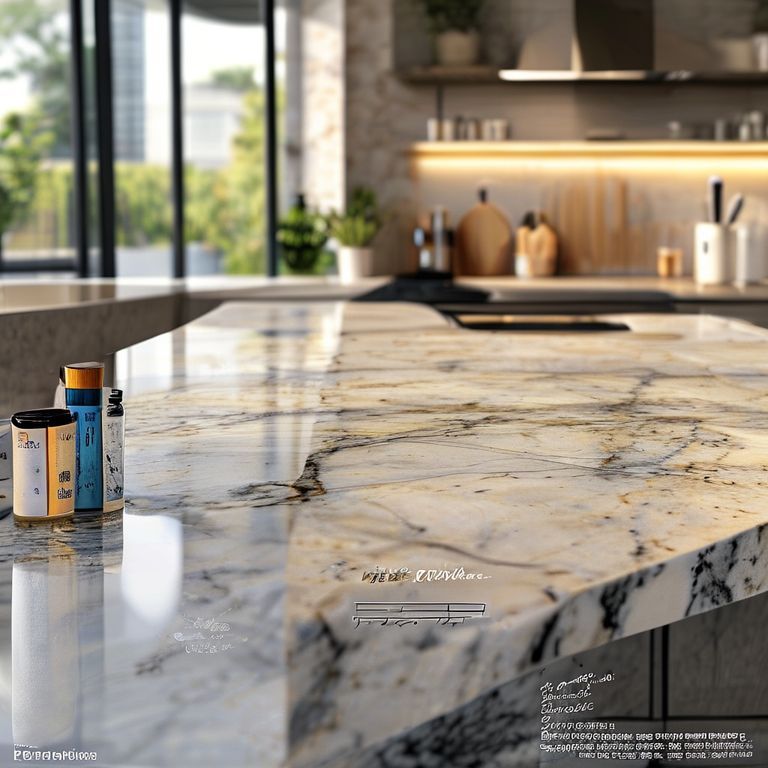
Oil Stains on the Surface: While oil cannot penetrate the surface of artificial stone, it can leave a visible stain if not cleaned promptly. This is because oils can create a thin film on the surface, which may appear as a stain until it is removed.
Heat Conduction: Some people worry that oil on an artificial stone countertop might cause heat conduction issues, especially during cooking. However, the material is designed to handle heat without transferring it directly through the surface. The primary concern with heat is the potential for the oil to cause burns if it splashes onto exposed skin.
Long-Term Effects: Over time, frequent exposure to oil and other liquids could potentially dull the surface of the artificial stone, but this is not due to oil permeation but rather the wear and tear from regular use.
Conclusion:
In conclusion, artificial stone countertops are designed with a non-porous surface that effectively prevents oil permeation. The resin-bound structure and the high-pressure manufacturing process ensure that oil cannot penetrate the material, making it an excellent choice for kitchen and bathroom applications. While oil can leave a temporary stain on the surface, this can be easily cleaned and does not indicate any underlying damage to the countertop. Understanding these properties helps in appreciating the durability and low-maintenance nature of artificial stone, making it a reliable choice for modern living spaces.
Maintenance Tips and Best Practices for Artificial Stone Countertops
Introduction:
Maintaining artificial stone countertops ensures they continue to look beautiful and function optimally for years to come. In this second part, we will delve into the best practices for maintaining your artificial stone countertops, including how to clean and care for them to prevent any potential issues such as oil stains or damage. We will also explore some common myths and provide tips on how to extend the life of your artificial stone surfaces.
Proper Cleaning Techniques:
Artificial stone countertops are known for their durability and low maintenance, but proper cleaning is essential to keep them looking their best.
Immediate Cleaning: The first step in maintaining your artificial stone countertops is to clean them immediately after any spillage, especially from cooking oils or acidic substances. Allow the spill to air dry slightly before wiping it away to prevent deeper penetration.
Mild Cleaning Products: Use mild cleaning products specifically designed for stone surfaces. Harsh chemicals or abrasive cleaners can scratch the surface of the artificial stone. A simple solution of warm water and mild dish soap is often sufficient for regular cleaning.
Avoiding Abrasives: Avoid using abrasive sponges or scrubbers that can scratch the surface. Instead, opt for soft cloths or non-abrasive cleaning pads to gently wipe the countertop.
Regular Maintenance: Regularly clean your countertops to prevent buildup of oils, food particles, and other residues. Routine cleaning helps maintain the appearance and functionality of the artificial stone.
Dealing with Stains:
Stains can occur on artificial stone countertops, but they do not penetrate the surface.
Immediate Action: As soon as you notice a stain, gently wipe it with a soft, damp cloth to remove any residue. For stubborn stains, a mild detergent solution can be used.
Avoiding Heat: While artificial stone can withstand heat, prolonged exposure to high temperatures can cause discoloration. Avoid placing hot pots, pans, or utensils directly on the countertop without a trivet or heat-resistant pad.
Professional Cleaning: For tough stains, consider hiring a professional cleaning service that specializes in stone surfaces. They have specialized tools and products that can effectively clean without damaging the countertop.
Preventing Damage:
Artificial stone is robust, but certain precautions can help prevent potential damage.
Using Cutting Boards: Always use cutting boards when preparing food. Cutting directly on the countertop can cause scratches over time.
Protective Pads: Use trivets or heat-resistant pads when placing hot items on the countertop. This prevents direct heat exposure, which can lead to discoloration.
Avoiding Sharp Objects: Avoid using sharp objects like knives or scissors directly on the surface. These can cause scratches and cuts. Instead, use cutting boards or place a sheet of parchment paper underneath when cutting.
Addressing Common Myths:
Several myths persist about artificial stone countertops, which can lead to unnecessary concerns.
Myth: Artificial Stone is Porous: One of the biggest myths is that artificial stone is porous. As discussed earlier, artificial stone is designed to have a non-porous surface that prevents liquids from seeping in. This property makes it highly resistant to stains and bacteria.
Myth: Oil Seeps Through: The misconception that oil can seep through the surface is unfounded. While oil can leave a temporary stain on the surface, it does not penetrate the material. Prompt cleaning can easily remove any oil residue.
Myth: Artificial Stone is Fragile: Another myth is that artificial stone is fragile and easily damaged. In reality, artificial stone is highly durable and can withstand the rigors of daily use in a kitchen or bathroom environment.
Long-Term Care and Durability:
Proper care and maintenance extend the life of your artificial stone countertops.
Regular Inspections: Regularly inspect your countertops for any signs of wear or damage. Early detection of small scratches or cracks can prevent more significant issues.
Professional Touch-Ups: For minor scratches or discolorations, professional touch-up services can restore the appearance of your countertops. These services use specialized products to polish and rejuvenate the surface.
3长期保养和耐用性:
适当的保养和维护可以确保人造石台面的长期美观和功能性。
定期检查: 定期检查台面是否有磨损或损坏的迹象。小划痕或裂缝的早期发现可以防止更大的问题。
专业修复: 对于轻微的划痕或变色,可以选择专业的修复服务。这些服务使用专门的产品来抛光和恢复台面的表面。
使用保护垫: 在放置热物品或厨房用具时,使用垫子或热阻垫。这可以防止直接接触热源,从而避免色泽变化。
避免化学暴露: 尽量避免使用强酸、强碱或其他腐蚀性化学品清洁台面。这些化学品可能会对人造石表面造成损害。
适当存放: 如果需要长时间存放任何物品在台面上,确保这些物品不会对台面表面造成压力或划伤。例如,玻璃盖或其他重型物品应该有适当的支撑。
清洁与保养: 使用温和的清洁剂和水定期清洁台面。避免让液体长时间停留在台面上,因为这可能导致积累和潜在的污渍。
环境和使用注意事项:
避免阳光直射: 长时间的阳光直射可能导致色泽褪色。如果可能,在摆放台面的房间有窗户的地方,使用遮阳网或窗帘来保护台面。
防火安全: 在烹饪时,始终使用烹饪垫来防止热液体直接接触台面。火灾或高温可能导致台面表面损坏。
合适的摆放: 在选择摆放台面时,考虑到它将承受的压力和使用频率。例如,在厨房台面需要更耐用和易清洁的材料。
结论:
人造石台面以其耐用性和低维护特性成为了现代家庭的热门选择。通过了解其特性和遵循简单的保养建议,您可以确保人造石台面在家庭中长期美观和功能性。定期的清洁和维护,以及适当的防护措施,将帮助延长台面的使用寿命,保持其原有的光泽和美观。