
The Petite Kitchen: More Than Meets the Eye
“Is a 2-meter wide kitchen small?” This is a question that echoes in the minds of many, particularly those navigating the charmingly compact spaces of modern apartments or older, character-filled homes. On the surface, the answer might seem obvious. Two meters, roughly the width of a standard doorway, doesn’t exactly conjure images of expansive culinary empires. It’s a space that demands respect, a place where every inch counts, and where the “open-plan” dream might feel a little… well, closed off.
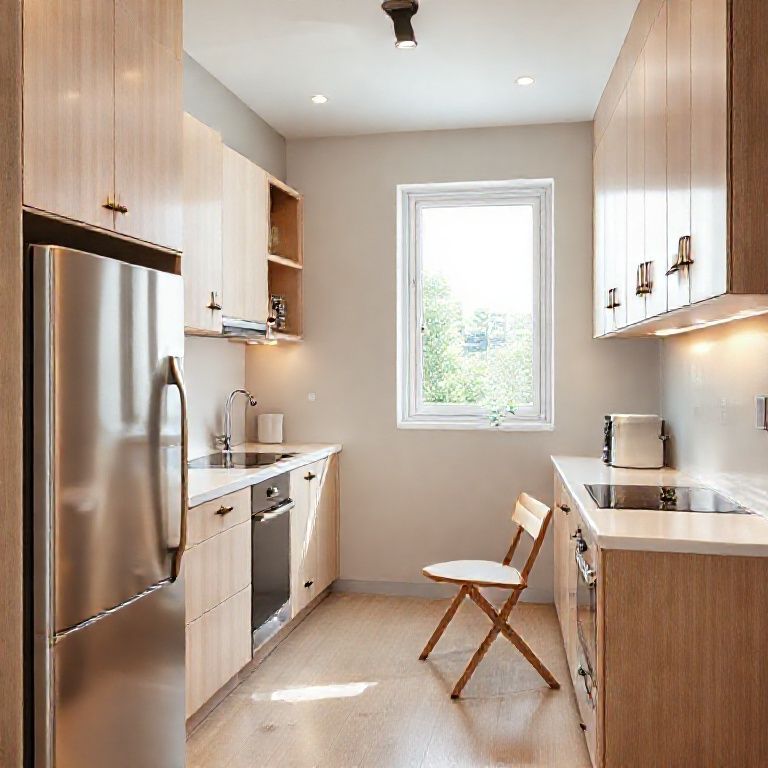
But here’s where things get interesting. The narrative around small kitchens often focuses on their limitations, painting a picture of cramped countertops and a constant battle against clutter. While those challenges are real, they’re not insurmountable. In fact, a 2-meter wide kitchen can be a canvas for some of the most ingenious and aesthetically pleasing design solutions. It forces a certain kind of creativity, a deeper understanding of efficiency, and a refined appreciation for what truly matters in a kitchen. It’s not about the square footage; it’s about the smarts.
Think of it like this: a grand ballroom offers boundless space, but sometimes, that very bigness can feel overwhelming, even impersonal. A cozy, well-designed den, on the other hand, feels intimate, purposeful, and incredibly inviting. A 2-meter kitchen, when approached with the right mindset, can embody that same sense of curated comfort and focused functionality. It’s a space that encourages a mindful approach to cooking and living, where every tool has its purpose and every surface is utilized to its full potential.
The initial reaction to a 2-meter kitchen might be a sigh, a mental tally of all the things that won’t fit. But before we resign ourselves to a life of culinary compromise, let’s reframe the conversation. Instead of “small,” let’s think “intimate.” Instead of “limiting,” let’s consider “purposeful.” This isn’t about squeezing in more than what’s sensible; it’s about optimizing what’s essential.
One of the first considerations for a 2-meter kitchen is its layout. The classic galley kitchen, with cabinets and appliances on opposing walls, is a natural fit. However, even within this format, there are variations. You might opt for a single-wall layout if one side is particularly narrow or if there’s a desire to keep one side completely open for a dining nook or a pass-through. A well-executed single-wall kitchen can be incredibly efficient, with everything within arm’s reach. The key here is to think vertically. Tall, narrow cabinets can maximize storage without encroaching on precious floor space. Open shelving, strategically placed, can add visual interest and make the space feel less boxed in, while also providing easy access to frequently used items.
Color plays a crucial role in how we perceive space. Light, airy colors are your best friends in a 2-meter kitchen. Whites, creams, pale blues, and soft grays can make the space feel larger and more open. Consider a high-gloss finish on your cabinets or backsplash tiles; these reflective surfaces bounce light around the room, creating an illusion of greater depth. Conversely, dark colors can make a space feel smaller and more enclosed. If you’re drawn to darker tones, use them as accents rather than dominant features. A dark accent wall or dark hardware can add a touch of sophistication without overwhelming the senses.
Lighting is another non-negotiable element. A well-lit kitchen feels more spacious and inviting. Beyond general overhead lighting, think about task lighting. Under-cabinet lighting illuminates countertops, making prep work safer and more enjoyable. Pendant lights over a small island or breakfast bar can add a focal point and a warm glow. Natural light is, of course, the ultimate space enhancer. If your kitchen has a window, keep it unobstructed and consider sheer curtains that allow light to filter through.
Appliances are often the biggest hurdle in a compact kitchen. The temptation might be to go for the smallest possible versions of everything, but that can sometimes lead to frustration. Instead, focus on multi-functional appliances. A combination microwave-convection oven can serve the purpose of two appliances in one. A slimline dishwasher might be essential for those who prefer not to wash by hand but doesn’t take up as much room as a standard model. And when it comes to refrigerators, consider models with smart storage solutions that allow you to maximize internal space. Built-in appliances can also contribute to a sleeker, more streamlined look, making the kitchen feel less cluttered.
The concept of “work triangle” – the imaginary lines connecting the sink, stove, and refrigerator – is often discussed in kitchen design. In a 2-meter kitchen, this triangle might be compressed, but its principles remain important for efficiency. Keeping these key areas close together minimizes unnecessary steps and makes the cooking process smoother. However, sometimes, the traditional work triangle needs to be adapted. In a single-wall kitchen, the “triangle” becomes a line, with everything positioned along one wall. This can be incredibly efficient if laid out thoughtfully.
Beyond the functional aspects, the aesthetic of a 2-meter kitchen is just as vital. This is where personal style truly shines. Embrace the opportunity to be intentional. Choose finishes and materials that you love, even if they’re a bit more luxurious. Because the space is smaller, a few high-quality pieces can have a significant impact without breaking the bank. Think about a beautiful marble or quartz countertop, a unique backsplash tile, or custom cabinetry with elegant hardware. These details can elevate the entire space and make it feel like a bespoke design.
Ultimately, a 2-meter wide kitchen is not a compromise; it’s an invitation. It’s an invitation to be clever, to be resourceful, and to appreciate the beauty in thoughtful design. It’s a space that encourages you to curate your possessions, to embrace multi-functionality, and to find joy in the process of creating delicious meals and cherished memories, all within a perfectly proportioned frame. The next part will delve deeper into specific design strategies, material choices, and the psychological impact of living and cooking in a beautifully optimized small kitchen.
Continuing our exploration of the 2-meter wide kitchen, we move from understanding the initial perception to actively designing for success. The beauty of a compact space lies in its inherent demand for intention. Every decision, from the choice of cabinet handles to the placement of a cutting board, carries weight and contributes to the overall functionality and feel of the room. It’s about creating a symphony of efficiency and style, where every element plays its part harmoniously.
Let’s talk about cabinetry. In a 2-meter kitchen, the temptation might be to cram in as many cabinets as possible. However, balance is key. While ample storage is crucial, an overabundance of closed cabinets can make the space feel heavy and closed off. Consider a mix of closed cabinets and open shelving. Open shelves can break up the visual monotony of solid cabinet doors, creating an opportunity to display attractive dinnerware, cookbooks, or decorative items. This not only adds personality but also makes the space feel more open and airy. When choosing closed cabinets, opt for shaker-style doors or flat-panel designs for a clean, modern look. Avoid overly ornate detailing, which can make the space feel cluttered. For hardware, sleek, minimalist pulls or knobs in finishes like brushed nickel, matte black, or even a touch of brass can add a sophisticated touch without overwhelming the cabinetry.
The backsplash is another area where you can inject personality and practicality. In a small kitchen, a visually interesting backsplash can act as a focal point. Consider subway tiles, which are classic and versatile, or opt for something a little more unique like a patterned tile or a textured mosaic. A glossy finish will reflect light, further enhancing the sense of space. For ease of cleaning, opt for materials that are easy to wipe down, especially around the cooking area.
Countertops are where the magic of meal preparation happens. In a 2-meter kitchen, every inch of countertop real estate is precious. Opt for durable and low-maintenance materials. Quartz is an excellent choice, offering a wide range of colors and patterns, resistance to stains and scratches, and a non-porous surface that’s hygienic. Granite is another durable option, though some types may require more sealing. Solid surface materials like Corian can also be a good choice, offering seamless integration and repairability. If budget is a concern, consider laminate with a realistic stone or wood-look finish. The key is to choose a material that is both beautiful and hard-wearing, as you’ll be relying on it heavily. Think about the depth of your countertops as well. Standard depth is usually around 60cm, but if space is extremely tight, you might consider slightly shallower options in certain areas, provided it doesn’t compromise functionality.
When it comes to the sink, a single-bowl sink is often more practical in a small kitchen than a double-bowl. It offers a larger, uninterrupted space for washing pots and pans, which are often the bulkiest items. Undermount sinks create a seamless look with the countertop, making cleaning easier and the space feel more cohesive. A pull-down faucet is also a smart choice, offering flexibility for rinsing and cleaning.
The flooring in a small kitchen should be both practical and aesthetically pleasing. Durable materials like porcelain or ceramic tiles are excellent choices, as they are water-resistant and easy to clean. Hardwood or luxury vinyl plank flooring can also work well, adding warmth and continuity if you have adjoining living areas. Light-colored flooring can help to visually expand the space, while darker colors can ground the room.
Don’t underestimate the power of a well-placed small island or a pull-out dining table. A narrow island, perhaps on wheels, can provide extra prep space and a place to enjoy a quick meal. It can also offer additional storage underneath. Alternatively, a drop-leaf table that can be folded down when not in use is a fantastic space-saving solution. This can be attached to a wall or a cabinet.
Ventilation is an often-overlooked but critical aspect of any kitchen, especially a compact one. A good range hood will remove cooking odors, grease, and steam, keeping the air fresh and preventing them from settling on surfaces. Consider a slimline or under-cabinet hood that blends seamlessly with your cabinetry.
The psychological impact of a well-designed small kitchen cannot be overstated. When a space is organized, efficient, and aesthetically pleasing, it fosters a sense of calm and control. Instead of feeling frustrated by the lack of space, you can feel a sense of accomplishment and pride in your ability to make it work beautifully. This can translate into a more enjoyable cooking experience and a greater appreciation for your home. It encourages a mindful approach to cooking, focusing on quality ingredients and streamlined processes.
Ultimately, a 2-meter wide kitchen is not a design constraint; it’s an opportunity to be innovative and stylish. By focusing on smart layouts, multi-functional appliances, effective storage solutions, and thoughtful material choices, you can transform this compact space into a highly functional and incredibly charming heart of your home. It’s a testament to the idea that good design is not about the size of the canvas, but the skill and creativity of the artist.









