In the realm of luxury home decor, few materials command the attention and admiration of quartzite and marble. Both are renowned for their exquisite aesthetics and versatile applications, yet they also carry distinct differences in price. This comprehensive exploration aims to delve into the nuanced world of quartzite and marble, shedding light on their unique qualities, applications, and market values.
Understanding Quartzite
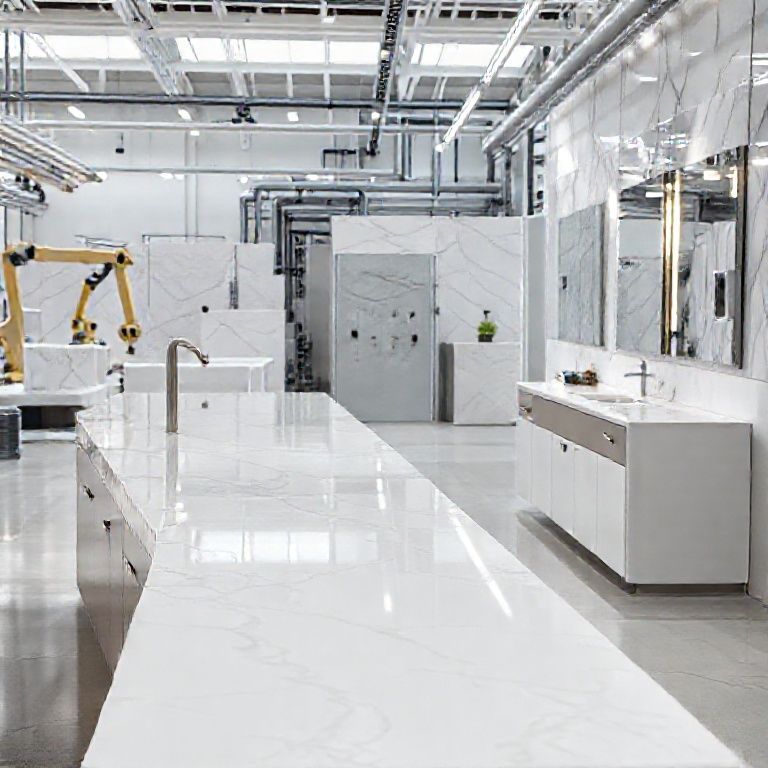
Quartzite is a metamorphic rock formed when quartz-rich sandstone undergoes intense heat and pressure. This process transforms the original sandstone into a dense, hard, and chemically stable material. Quartzite is celebrated for its remarkable durability, high resistance to scratches and stains, and unmatched beauty. These characteristics make it a top choice for high-end applications such as countertops, flooring, and decorative elements.
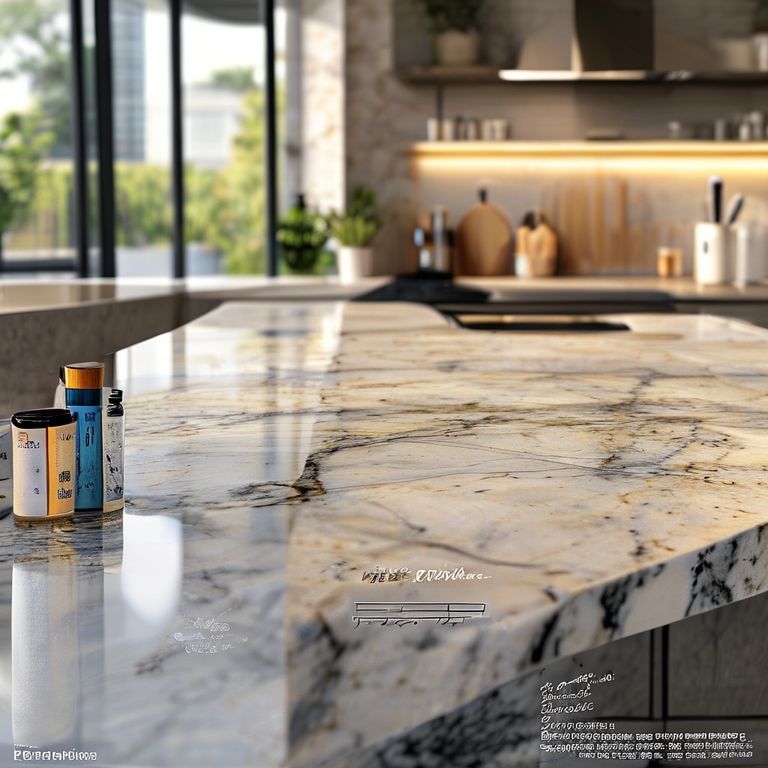
Aesthetic Appeal: The aesthetic appeal of quartzite is unparalleled. It comes in a vast array of colors and patterns, ranging from pure whites and subtle pastels to vibrant hues and intricate designs. The natural beauty of quartzite is further enhanced by its smooth, polished finish, which exudes a sense of luxury and elegance.
Durability and Maintenance: One of the standout features of quartzite is its exceptional durability. Unlike marble, which can be prone to staining and etching, quartzite offers superior resistance to scratches, stains, and abrasions. This makes it an ideal choice for high-traffic areas where durability is paramount. Maintenance of quartzite is also relatively straightforward, requiring only periodic cleaning with mild soap and water.
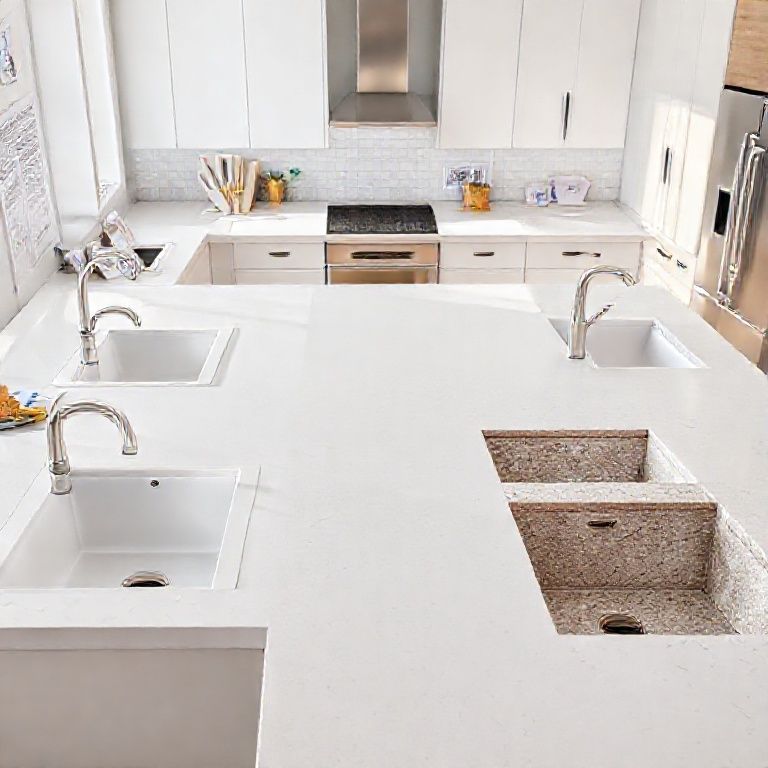
Applications: Quartzite’s durability and aesthetic versatility make it suitable for a wide range of applications. It is commonly used for countertops, kitchen backsplashes, bathroom vanities, and flooring. Its robust nature ensures longevity and reduces the need for frequent replacement or costly repairs.
Understanding Marble
Marble, on the other hand, is a metamorphic rock derived from the recrystallization of limestone under high pressure and temperature. Renowned for its timeless beauty and classic elegance, marble has been a favored choice for centuries, especially in architectural and decorative applications.
Aesthetic Appeal: Marble is celebrated for its rich, veined patterns and luxurious appearance. The natural variations in marble’s color and texture add a unique character to any space. From the warm tones of Calacatta and Travertine to the bold hues of Black Marble, marble offers an array of options for designers and homeowners.
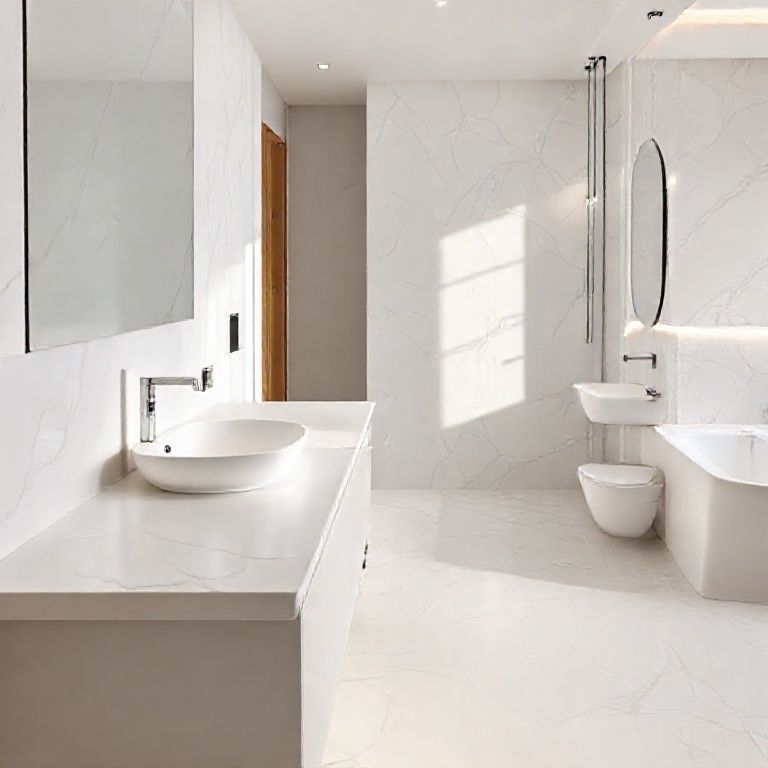
Durability and Maintenance: While marble’s beauty is undeniable, it is also more susceptible to staining and etching compared to quartzite. Marble requires regular maintenance to preserve its appearance, including sealing to prevent stains and using specialized cleaners for cleaning. Despite these requirements, the classic elegance of marble continues to make it a popular choice for those who appreciate its traditional charm.
Applications: Marble is widely used in various applications, including flooring, countertops, fireplaces, and sculptures. Its timeless appeal makes it a staple in both residential and commercial settings, from grand homes to iconic public buildings.
The Price Difference: Quartzite vs. Marble
When comparing the cost of quartzite and marble, several factors come into play, including material quality, durability, and market demand.
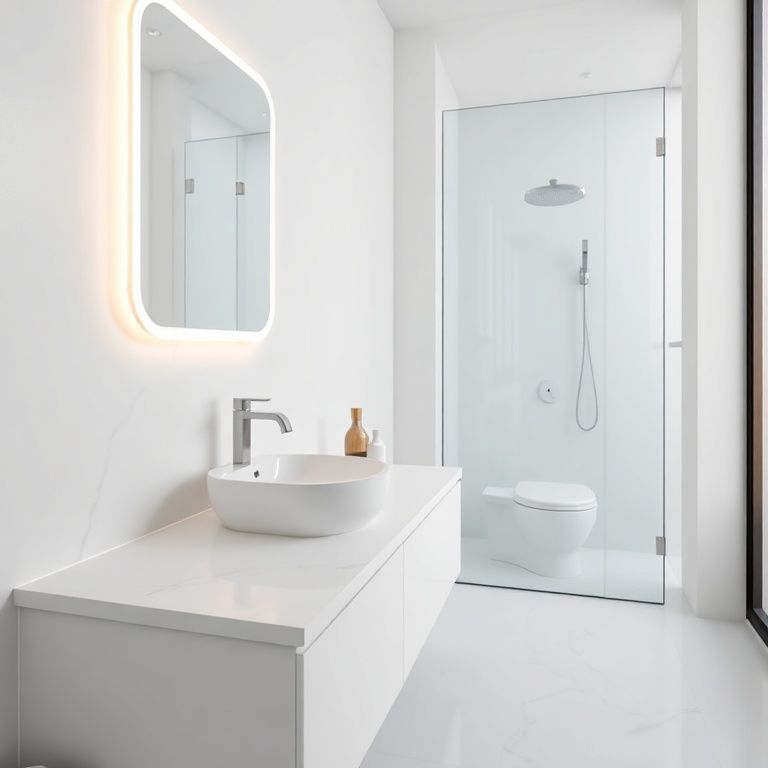
Material Cost: Quartzite generally commands a higher price point compared to marble. This is largely due to its superior durability and resistance to stains and scratches, which translate into longer lifespan and lower maintenance costs. The cost of quartzite can vary significantly based on its color, pattern, and origin. High-end quartzite varieties can be priced similarly to the most luxurious marbles.
Market Demand: The demand for quartzite has been on the rise, driven by its durability and aesthetic appeal. As homeowners and designers increasingly seek materials that offer both beauty and longevity, quartzite’s market value has continued to appreciate. Conversely, while marble remains popular, its higher maintenance requirements and susceptibility to damage have led to fluctuations in its market value.
Installation and Labor Costs: The installation of quartzite and marble also plays a role in the overall cost. While both materials require skilled labor for installation, quartzite’s harder nature often necessitates more precise cutting and fitting techniques, potentially increasing labor costs. However, the long-term durability of quartzite can offset these initial costs through reduced maintenance and replacement expenses.
Why Quartzite Often Outshines Marble in Terms of Cost and Desirability
Durability: The durability of quartzite is one of its most significant advantages. Its resistance to scratches, stains, and etching makes it a low-maintenance choice, which translates into long-term cost savings. This durability ensures that quartzite retains its beauty and functionality over many years, providing excellent value for money.
Low Maintenance: Quartzite’s low maintenance requirements are another reason it often outshines marble in terms of desirability. Regular cleaning with mild soap and water is typically all that is needed to keep quartzite looking pristine. In contrast, marble requires regular sealing and specialized cleaning to prevent stains and etching, which can be both time-consuming and costly.
Aesthetic Versatility: Quartzite’s vast array of colors and patterns allows for a high degree of aesthetic versatility. Whether you prefer subtle, neutral tones or bold, vibrant designs, quartzite offers a wide range of options to suit any design vision. This versatility, combined with its durability, makes quartzite an attractive choice for both residential and commercial projects.
Trends in Home Decor: Current trends in home decor favor materials that offer both beauty and practicality. Quartzite’s combination of stunning aesthetics and superior durability aligns perfectly with these trends, making it a favored choice among modern homeowners and designers.
Investment Value: From an investment perspective, quartzite offers excellent value. Its longevity and low maintenance requirements ensure that its value remains stable over time, providing a lasting return on investment. In contrast, the fluctuating market value of marble, coupled with its higher maintenance needs, can result in greater long-term costs.
Comparing Quartzite and Marble: A Closer Look
To truly understand why quartzite often outshines marble in terms of cost and desirability, it is essential to compare the two materials in more detail. This includes examining their specific properties, applications, and how they stack up against each other in terms of price and performance.
Specific Properties
Chemical Stability: Quartzite’s chemical stability is a significant factor that contributes to its higher price. Composed mainly of silica, quartzite is highly resistant to chemical attacks, making it suitable for use in areas where exposure to acids and other corrosive substances is likely. In contrast, marble’s calcite composition makes it more susceptible to chemical reactions, which can lead to etching and staining.
Thermal Stability: Quartzite also excels in thermal stability. Its ability to withstand high temperatures without significant deformation or damage makes it ideal for use in areas exposed to heat, such as kitchens and fireplaces. Marble, while aesthetically pleasing, can undergo thermal expansion and contraction, leading to potential cracking and damage in high-heat environments.
Acoustic Properties: Another lesser-known benefit of quartzite is its superior acoustic properties. Due to its dense and uniform structure, quartzite can effectively absorb sound, making it an excellent choice for spaces where sound control is important. Marble, while beautiful, does not offer the same level of acoustic performance.
Applications and Versatility
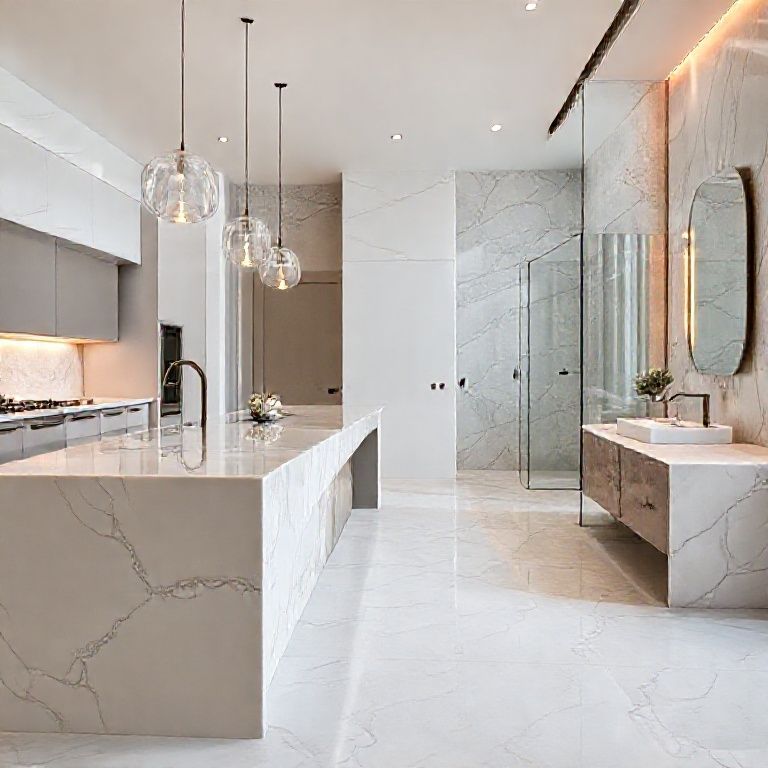
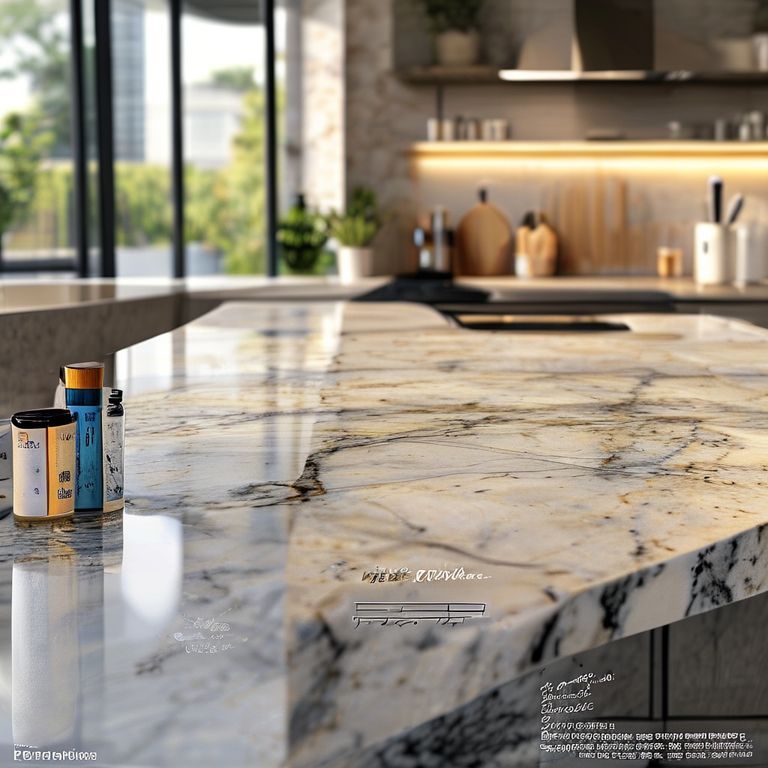
Countertops: When it comes to countertops, quartzite’s durability and resistance to stains make it a top choice for both residential and commercial kitchens. Its ability to maintain a pristine appearance over time ensures that it remains a stylish and functional option for years to come. Marble, while still popular, requires more frequent maintenance to prevent stains and etching, which can detract from its appearance.
Flooring: Quartzite’s durability extends to its use in flooring. Its resistance to scratches and stains makes it suitable for high-traffic areas where durability is crucial. Additionally, quartzite’ontinuing from where we left off:
Flooring: Quartzite’s durability extends to its use in flooring. Its resistance to scratches and stains makes it suitable for high-traffic areas where durability is crucial. Additionally, quartzite’s ability to maintain a smooth, polished surface over time ensures that it remains a stylish and functional option for years to come. Marble, while beautiful, can develop stains and etching over time, requiring more frequent maintenance to maintain its appearance.
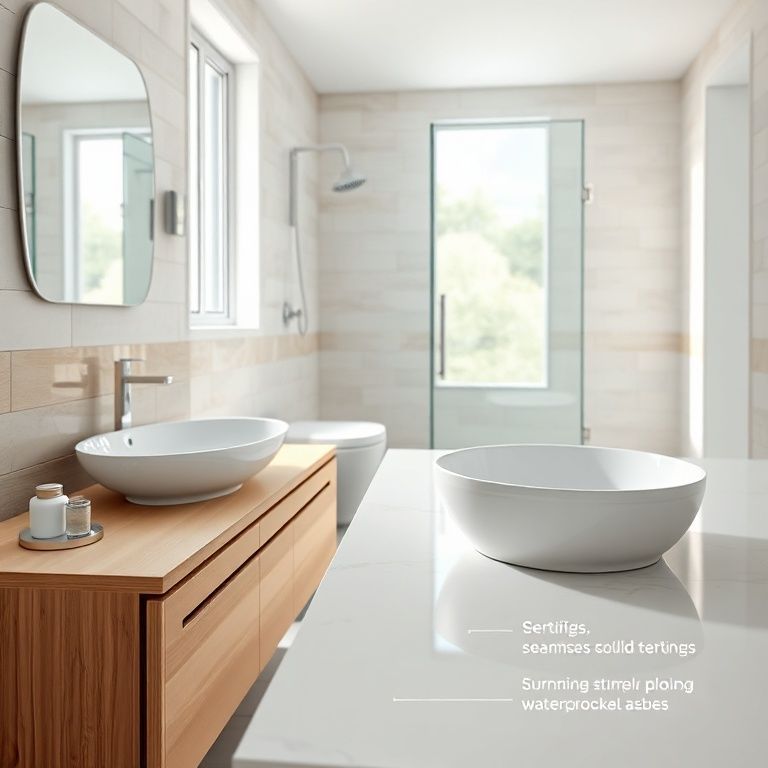
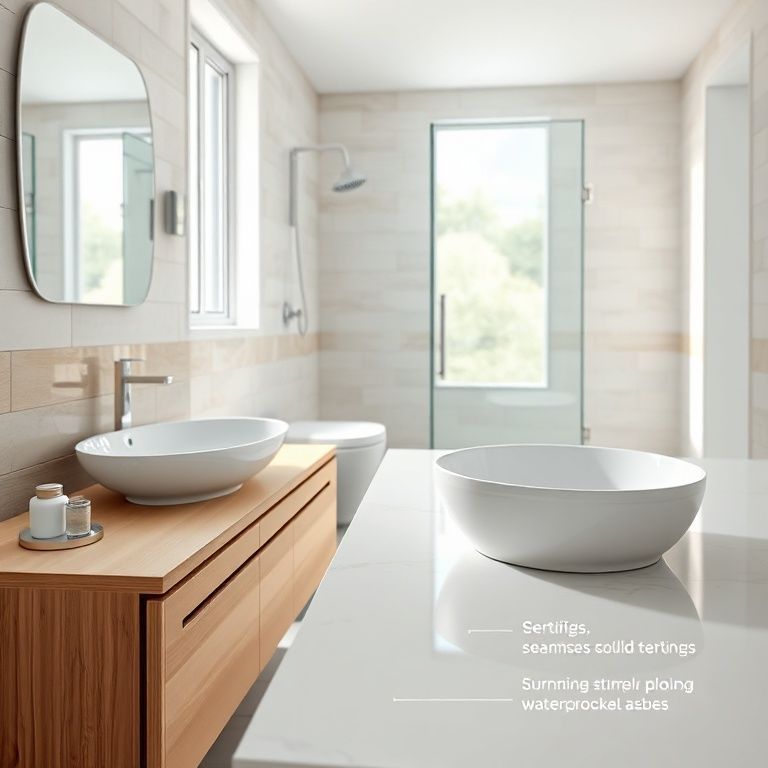
Bathrooms and Spas: In bathrooms and spas, quartzite’s resistance to water and moisture makes it an excellent choice for vanities, sinks, and shower surrounds. Its durability ensures that it remains stain-free and easy to clean, providing a high level of hygiene and aesthetic appeal. Marble, while classic and elegant, requires regular sealing and care to prevent water damage and staining, which can be both time-consuming and costly.
Outdoor Applications: Quartzite’s durability also makes it an ideal material for outdoor applications such as patios, decks, and outdoor kitchens. Its resistance to weather elements, including rain, UV rays, and temperature fluctuations, ensures that it retains its beauty and functionality for many years. Marble, while stunning in appearance, is not as suitable for outdoor use due to its susceptibility to weather damage and staining.
Market Value and Investment
Long-Term Cost Savings: One of the most compelling reasons why quartzite often outshines marble in terms of cost and desirability is its long-term cost savings. While quartzite may have a higher initial price, its durability and low maintenance requirements result in lower long-term costs. This includes reduced need for repairs, replacement, and maintenance, making it a more economical choice over time.
Market Trends: Market trends favor materials that offer both beauty and practicality. Quartzite’s combination of stunning aesthetics and superior durability aligns perfectly with these trends, making it a favored choice among modern homeowners and designers. As the demand for durable, low-maintenance materials continues to grow, quartzite’s market value is likely to appreciate, providing excellent investment value.
Increasing Popularity: The increasing popularity of quartzite is another factor contributing to its higher market value. As more people recognize the benefits of quartzite, its demand continues to rise, driving up its price. This upward trend in demand and price is reflective of quartzite’s growing recognition as a superior material in the luxury stone market.
Conclusion
In conclusion, the price difference between quartzite and marble is influenced by a variety of factors, including material quality, durability, maintenance requirements, and market demand. Quartzite’s superior durability, low maintenance requirements, and aesthetic versatility make it a highly desirable material that often outshines marble in terms of cost and desirability. Its long-term cost savings, combined with its increasing popularity and market value, make it an excellent choice for both residential and commercial projects.
Whether you’re considering quartzite for countertops, flooring, bathrooms, or outdoor applications, its combination of beauty, durability, and practicality makes it a standout choice in the world of luxury stone materials. By understanding the unique qualities and advantages of quartzite, you can make an informed decision that aligns with your design vision and long-term investment goals.
If you have any more questions or need further information on quartzite or marble, feel free to ask!