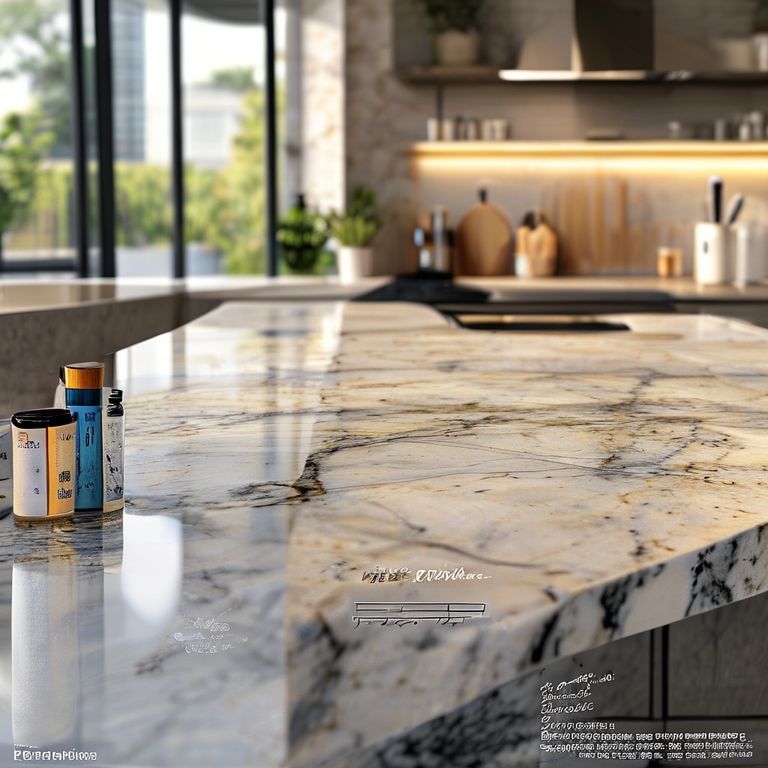
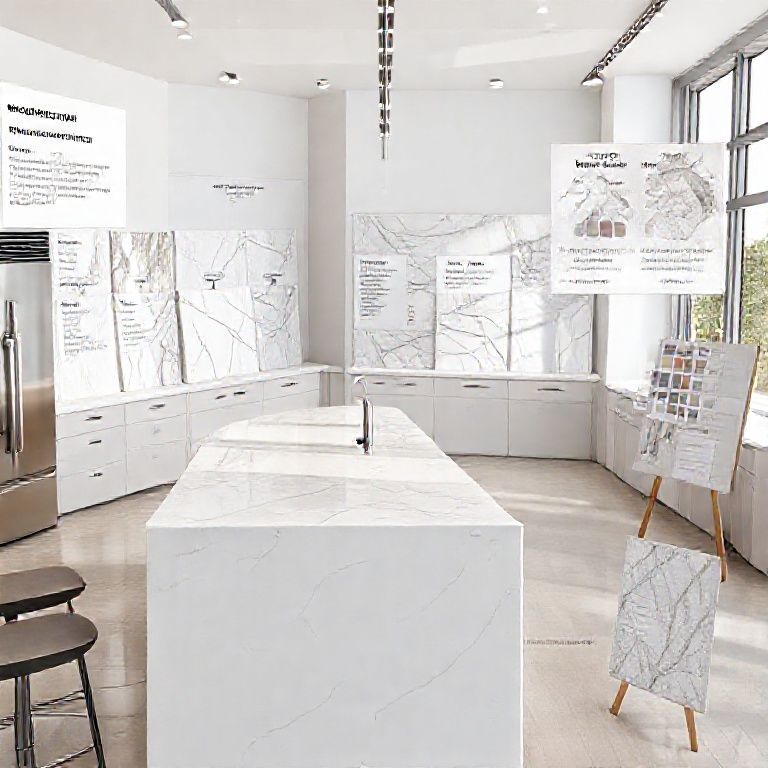
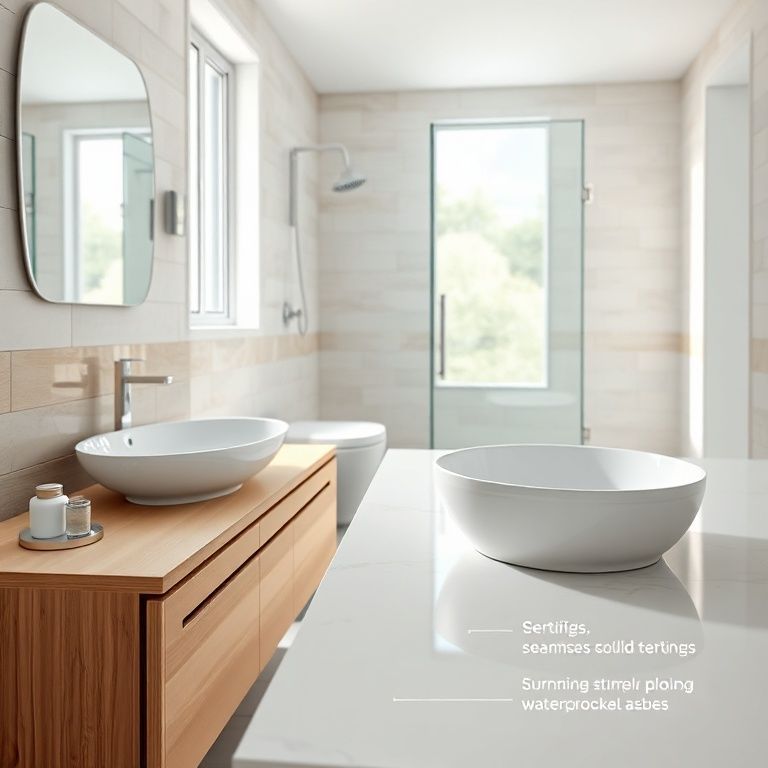
Curious about the cost difference between synthetic stone and quartz countertops? In this engaging article, we explore the intricacies of material pricing, durability, and maintenance. Find out why one might be the better choice for your next kitchen or bathroom renovation. This is Part 1 of a comprehensive two-part series.
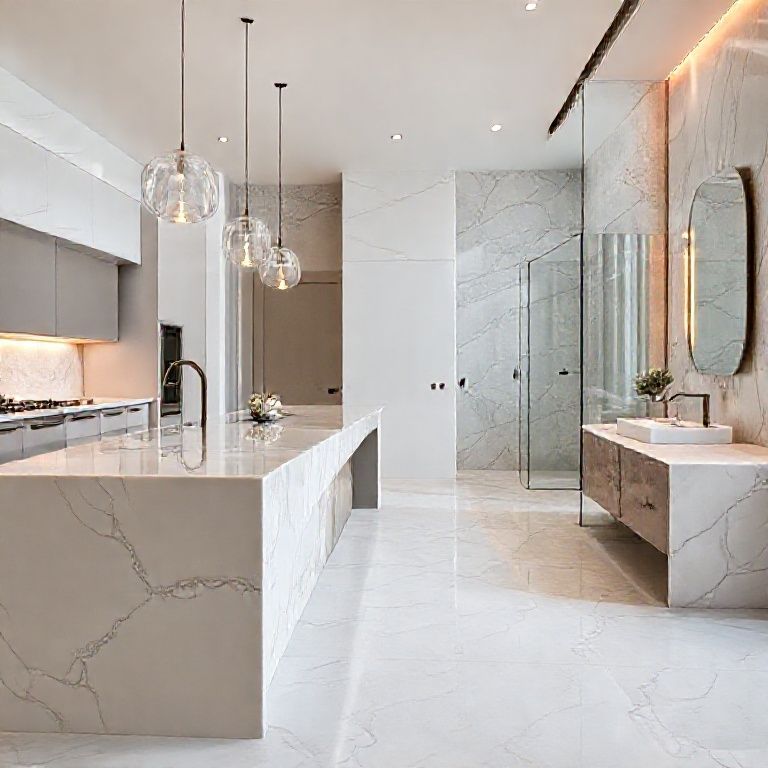
synthetic stone countertops, quartz countertops, price difference, kitchen renovation, bathroom renovation, countertop materials, durability, maintenance, countertop cost
Understanding the Basics: Material Composition and Initial Costs
When it comes to selecting countertops for your home, the choice between synthetic stone and quartz countertops often stands out due to their unique properties and aesthetic appeal. Both materials are engineered to mimic natural stone, yet they diverge significantly in terms of composition, cost, and maintenance. Understanding these differences can help you make an informed decision that aligns with your budget and lifestyle needs.
What Are Synthetic Stone Countertops?
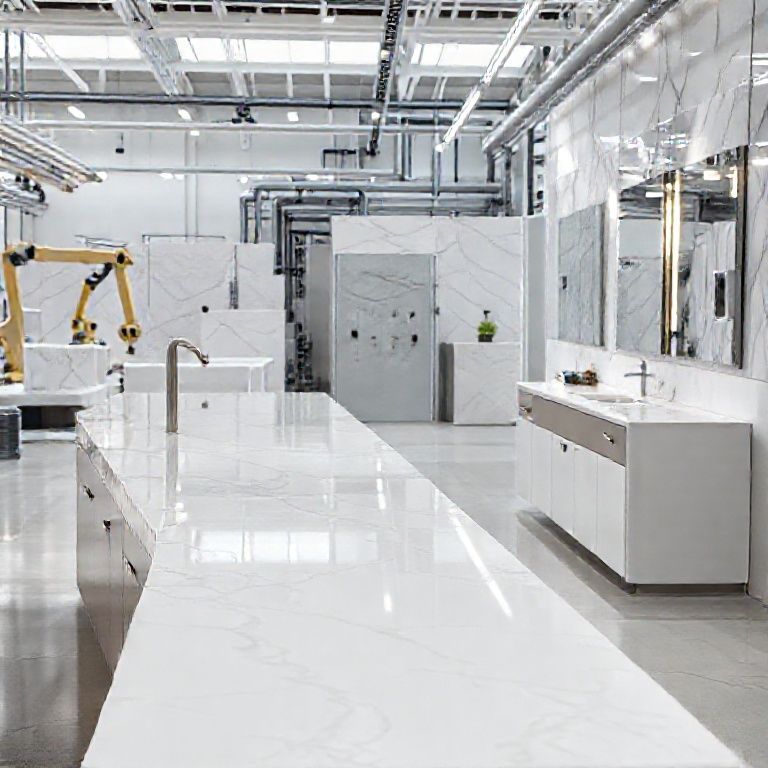
Synthetic stone countertops, often referred to as cultured stone, are a blend of natural stone, typically marble or granite, mixed with resin and other additives. This composite material is crafted in a factory setting, where it is poured into molds and cured to achieve a stone-like appearance and texture.
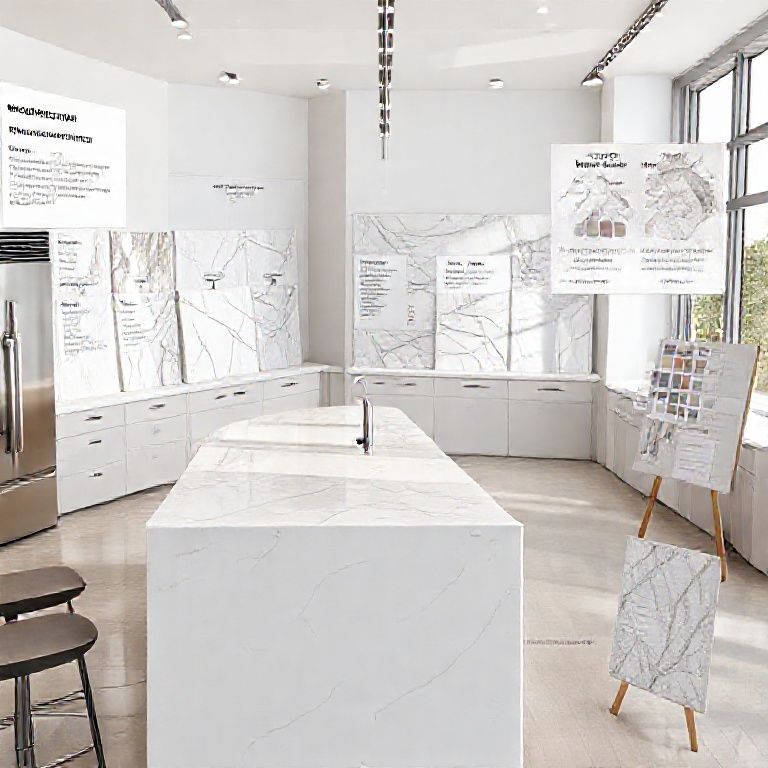
Material Composition:
Natural Stone: Typically marble or granite Resin: Acts as a binding agent Colorants: To mimic the appearance of natural stone
Initial Cost: The price of synthetic stone countertops ranges broadly based on the quality of the natural stone used and the specific design of the countertop. Generally, synthetic stone countertops are priced between $25 to $50 per square foot. This makes them an attractive option for homeowners looking for a high-end stone look at a more affordable price point.
What Are Quartz Countertops?
Quartz countertops are a product of the Silestone brand, though similar products exist from other manufacturers. Quartz is made from 93% natural stone powder, primarily quartz, fused together with a resin binder. This composite material is pressed and cured under high pressure and temperature, giving it a seamless, solid surface appearance.
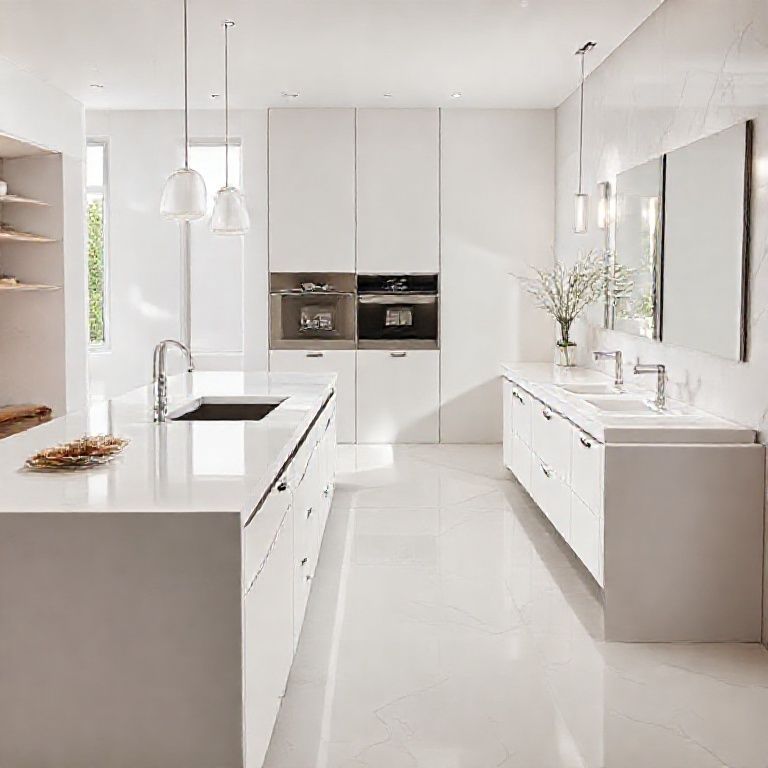
Material Composition:
Natural Quartz Stone Powder: Up to 93% Resin: Acts as a binding agent Colorants: To achieve desired aesthetic
Initial Cost: Quartz countertops generally cost between $40 to $80 per square foot. This higher price point is due to the substantial amount of natural quartz used and the advanced manufacturing process required to create the material.
Durability and Aesthetic Appeal
Synthetic Stone Countertops:
Durability: While durable, synthetic stone is not as scratch-resistant as quartz. It can handle most everyday wear and tear but may not stand up to heavy commercial use. Aesthetic Appeal: Offers a wide range of colors and patterns, often mimicking various types of natural stone.
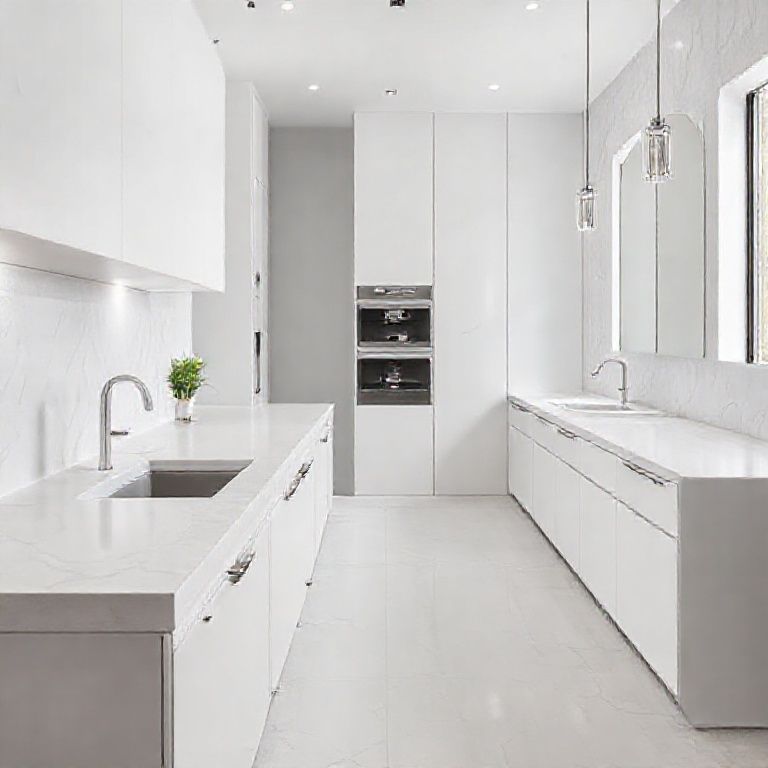
Quartz Countertops:
Durability: Quartz is one of the hardest natural minerals, making it highly scratch-resistant and durable. It can withstand heavy usage, making it ideal for high-traffic areas. Aesthetic Appeal: Available in a vast array of colors and patterns, quartz can mimic virtually any natural stone, giving you extensive design flexibility.
Maintenance and Care
Synthetic Stone Countertops:
Maintenance: Generally low maintenance. They are resistant to stains from acids and oils but can still be scratched by sharp objects. Care: Regular cleaning with mild soap and water is usually sufficient. Avoid using abrasive cleaners or steel wool.
Quartz Countertops:
Maintenance: Extremely low maintenance. Due to their hardness, quartz countertops are highly resistant to stains, scratches, and even heat. Care: Cleaning with mild soap and water is usually enough. Avoid using acidic cleaners as they can damage the surface.
Environmental Impact
Synthetic Stone Countertops:
Environmental Impact: The production of synthetic stone involves the use of resins and colorants, which can contribute to environmental pollution. However, it reduces the need for large amounts of natural stone extraction.
Quartz Countertops:
Environmental Impact: Quartz countertops involve the extraction of natural quartz, which can have environmental implications. However, the manufacturing process is designed to be more sustainable than traditional stone extraction.
Conclusion
Both synthetic stone and quartz countertops offer unique advantages that cater to different needs and preferences. Synthetic stone provides a cost-effective solution with a wide range of design options, making it ideal for those looking for an affordable yet stylish countertop. Quartz, on the other hand, offers unmatched durability and low maintenance, making it perfect for high-traffic areas and those who want a long-lasting, virtually indestructible surface.
In the next part of this series, we will delve deeper into the long-term cost implications, installation processes, and real-life case studies to help you make the best choice for your home renovation.
In the second part of our comprehensive series on synthetic stone vs. quartz countertops, we explore the long-term costs, installation processes, and provide real-life case studies to help you decide which countertop is best for your home. This detailed guide covers everything from maintenance to installation tips.
long-term costs, installation, synthetic stone vs quartz, countertop installation, maintenance, case studies, home renovation
Long-Term Costs, Installation, and Real-Life Case Studies
When planning a kitchen or bathroom renovation, it’s not just the initial cost that matters; long-term costs, maintenance, and ease of installation also play critical roles in your decision-making process. In this part, we will delve into these aspects in detail to help you understand the total cost of ownership for synthetic stone and quartz countertops.
Long-Term Cost Implications
Synthetic Stone Countertops:
Installation Costs: The installation cost for synthetic stone countertops is relatively low, often ranging from $800 to $1,500 for a typical kitchen countertop. This is due to the relatively straightforward installation process. Maintenance Costs: Given their lower scratch resistance, synthetic stone countertops might require more frequent professional cleaning and maintenance, adding a small but noticeable cost over time. Typically, homeowners might spend $50 to $100 annually on professional cleaning. Replacement Costs: While synthetic stone is durable, it is not as scratch-resistant as quartz. Over time, the cost of replacing damaged or worn areas can add up, especially if the countertop is used heavily.
Quartz Countertops:
Installation Costs: The installation cost for quartz countertops can range from $1,000 to $2,500 for a typical kitchen countertop. This higher cost is due to the intricate manufacturing process and the need for specialized installers. Maintenance Costs: Quartz countertops are highly resistant to stains, scratches, and heat, meaning they require minimal maintenance. The annual cost for professional cleaning is generally less than $50. Replacement Costs: Due to their durability, replacement costs are significantly lower over time. In most cases, homeowners rarely need to replace quartz countertops, making them a cost-effective choice in the long run.
Installation Processes
Synthetic Stone Countertops:
Installation: The installation process for synthetic stone is relatively simple and can often be completed by a DIY enthusiast. Synthetic stone countertops are available in pre-cut slabs that can be adhered directly to the existing backsplash or countertop surface. Tools Needed: Basic tools such as a utility knife, saw, and adhesive are typically sufficient. Timeframe: Installation can usually be completed in a single day.
Quartz Countertops:
Installation: Quartz countertops require more precise cutting and installation due to their solid surface nature. Professional installation is recommended to ensure a perfect fit and seamless integration with existing cabinetry. Tools Needed: Specialized tools such as tile nippers, saws, and a professional adhesive are needed. Timeframe: Installation can take 2-3 days due to the careful cutting and fitting required.
Real-Life Case Studies
Case Study 1: The Budget-Conscious Homeowner
Scenario: A couple looking to renovate their kitchen on a tight budget chose synthetic stone countertops. Initial Cost: $3,000 for a 200 sq ft synthetic stone countertop. Long-Term Costs: Over 10 years, they spent an additional $1,000 on professional cleaning and minor repairs due to scratches. Outcome: While the initial cost was lower, the long-term costs and maintenance issues led to regret, making their total expenditure comparable to quartz.
Case Study 2: The Durability-Focused Homeowner
Scenario: A family with young children and pets opted for quartz countertops for their kitchen. Initial Cost: $6,000 for a 200 sq ft quartz countertop. Long-Term Costs: Over 10 years, they spent only $200 on professional cleaning, and there were no major repairs. Outcome: The initial higher cost was offset by the low maintenance and durability, resulting in a lower total cost over time.
Conclusion
设计与美观性
人造石台面:
设计灵活性:人造石可以通过添加各种颜料和色泽来达到多种视觉效果。设计师可以自由创造出丰富多彩的图案和纹理,因此在设计上有很大的灵活性。 经典风格:由于人造石能够模仿天然石材的外观,它们常用于传统和经典的设计中。
石英石台面:
无缝设计:石英石台面以其无缝、光滑的表面而闻名,提供了一种现代、简约的外观。这种设计非常适合现代和极简主义风格的厨房和浴室。 颜色和图案:石英石可以有多种颜色和图案,但其自然界中的纹理通常比人造石更为均匀和无缝。石英石的外观更加自然,给人一种高端的感觉。
耐用性和维护
人造石台面:
耐刮擦:人造石的耐刮擦性能较好,但仍可能在使用刀具或硬物时出现划痕。 耐污渍:虽然人造石台面相对耐污渍,但仍需定期清洁和保养,以防止污渍渗入表面。
石英石台面:
极高的耐刮擦性:石英石具有非常高的耐刮擦性,能够抵御日常使用中的大多数划痕。 抗污渍和抗热斑:石英石的表面涂层使其对污渍和热斑具有很强的抵抗力,只需简单擦拭即可保持光亮如新。
环保和健康
人造石台面:
环保性:尽管人造石含有大量的树脂和其他添加剂,但其生产过程中排放的甲醛等有害物质已经得到了显著的控制和减少。高质量的人造石台面能够满足环保标准。 健康性:选择经过认证的人造石产品,可以减少对健康的潜在影响。
石英石台面:
环保性:石英石由天然石英粉制成,因此在生产过程中不会释放有害物质。石英石台面被认为是环保且健康的选择。 健康性:由于石英石的材料来源和制造过程,它被认为是对人体更安全的选择。
安装与维修
人造石台面:
安装:人造石相对较轻,因此安装过程较为简单。需要注意的是,安装时要确保台面的平整度和对齐。 维修:如果人造石台面受损,可以通过更换小块材料来修复,但需要专业技能。
石英石台面:
安装:由于石英石的硬度,安装过程可能会比较复杂,需要专业人员操作,以确保精确切割和安装。 维修:石英石台面的维修相对困难,因为其硬度较高,小的划痕可能难以修复。如果受损严重,可能需要更换整块台面。
总结
选择人造石台面或石英石台面主要取决于您的设计偏好、预算、耐用性要求以及对环保和健康的考虑。如果您追求低成本、灵活设计和较高的耐用性,人造石可能是更好的选择。而如果您更注重现代设计、极高的耐用性和健康环保,那么石英石台面将会是更好的选择。
希望这些信息能帮助您做出更明智的决策!如果您有更多具体问题,欢迎继续提问。