The Pros of Artificial Stone Countertops
Artificial stone countertops, also known as cultured stone, have emerged as a popular choice for modern kitchen and bathroom design. These versatile surfaces combine the beauty of natural stone with the practicality of synthetic materials, offering homeowners a unique blend of aesthetics and functionality. Let’s delve into the myriad benefits that make artificial stone countertops an attractive option for contemporary home renovations.
1. Superior Durability and Hardness
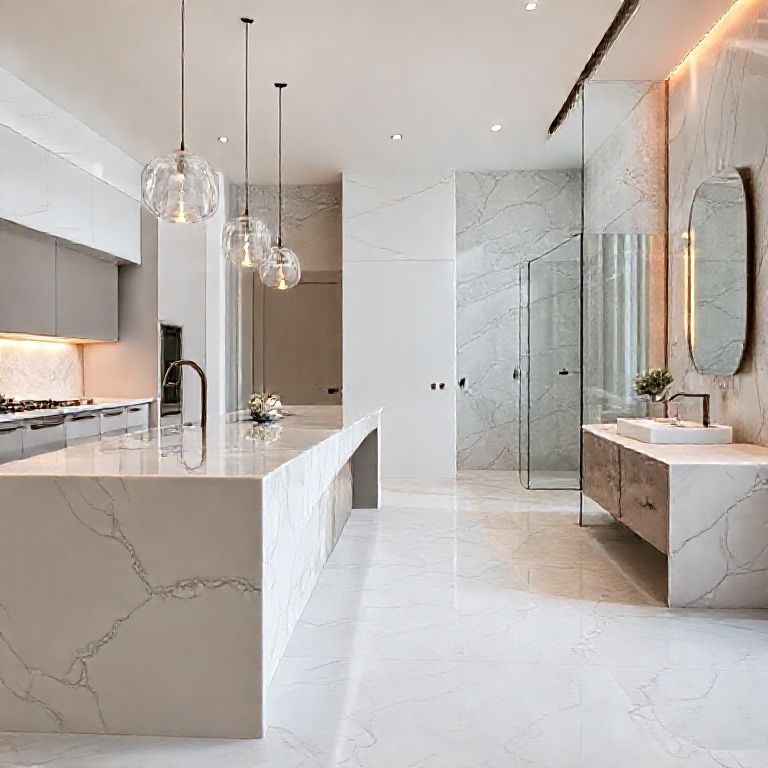
One of the standout advantages of artificial stone countertops is their exceptional durability. Unlike traditional stone materials such as granite or marble, artificial stone is engineered to be highly resistant to scratches, chips, and impacts. This makes it an ideal choice for high-traffic areas where wear and tear are inevitable. The hardness of artificial stone means that it can withstand the rigors of everyday use without significant wear, ensuring a long-lasting surface that maintains its integrity over time.
2. Unmatched Aesthetic Variety
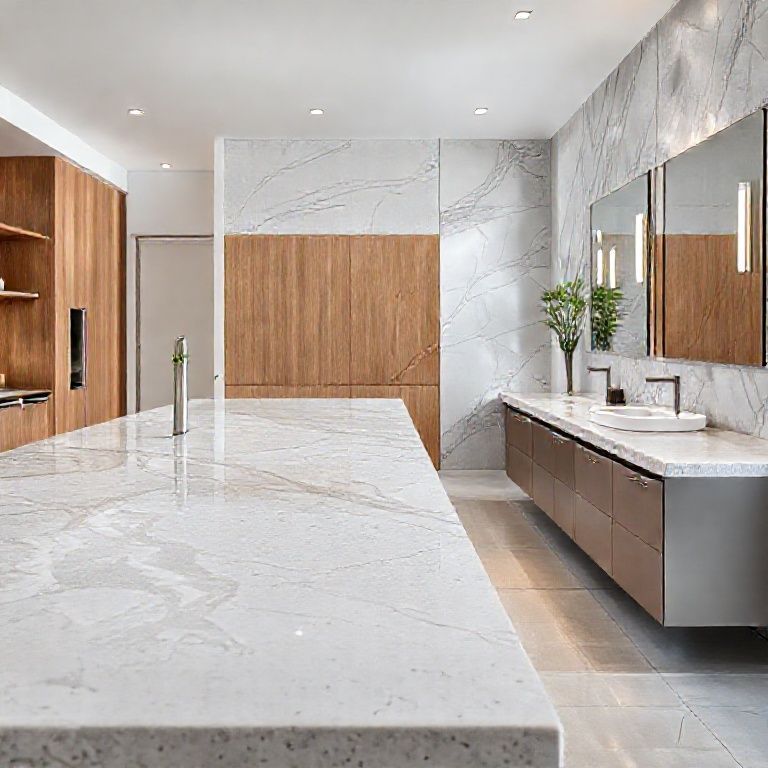
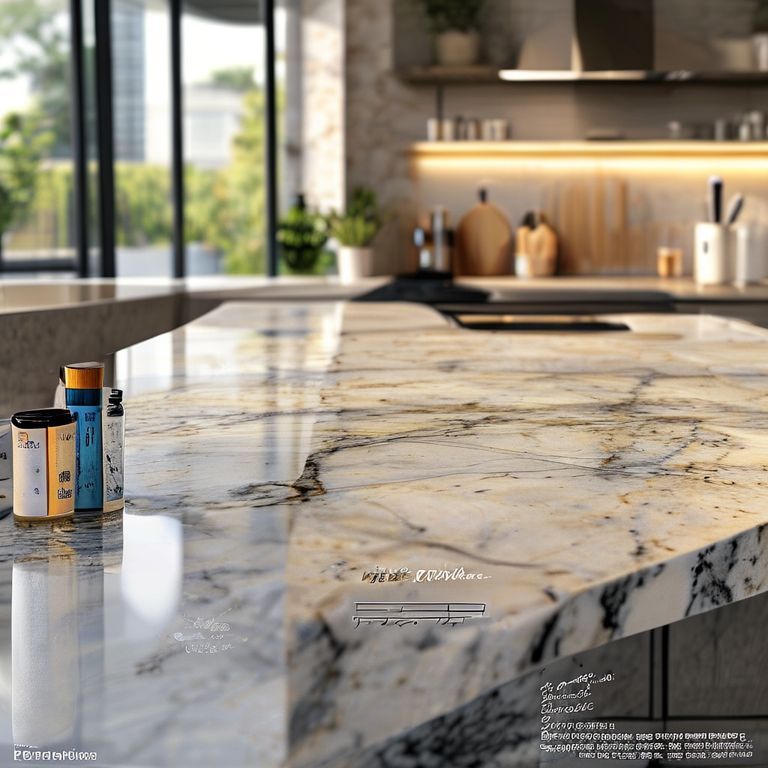
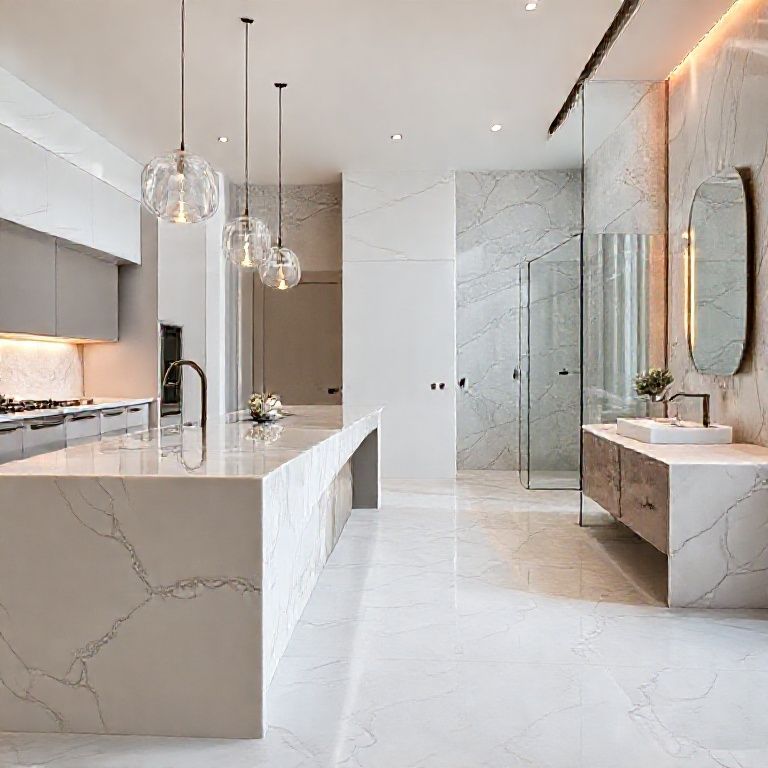
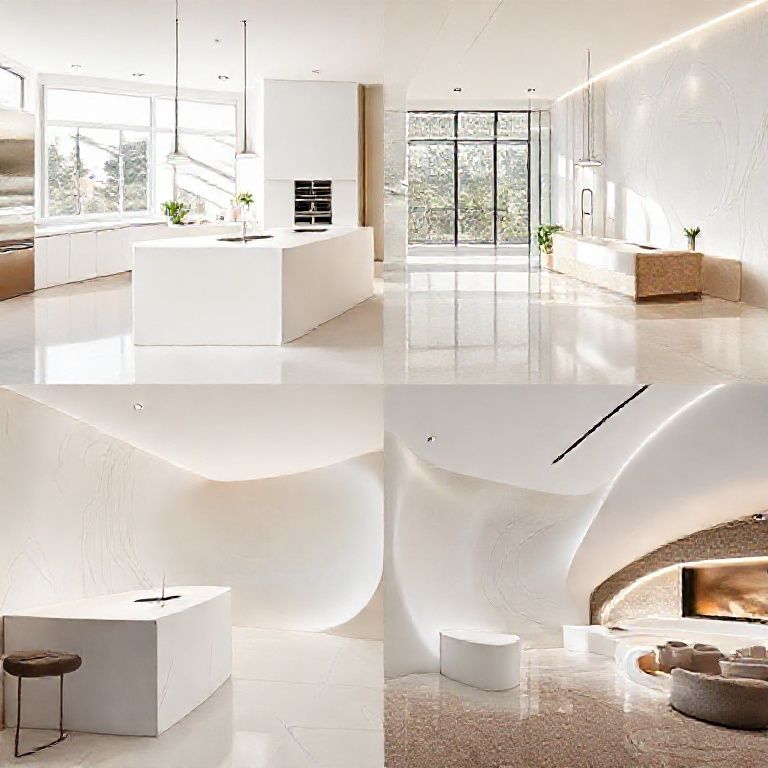
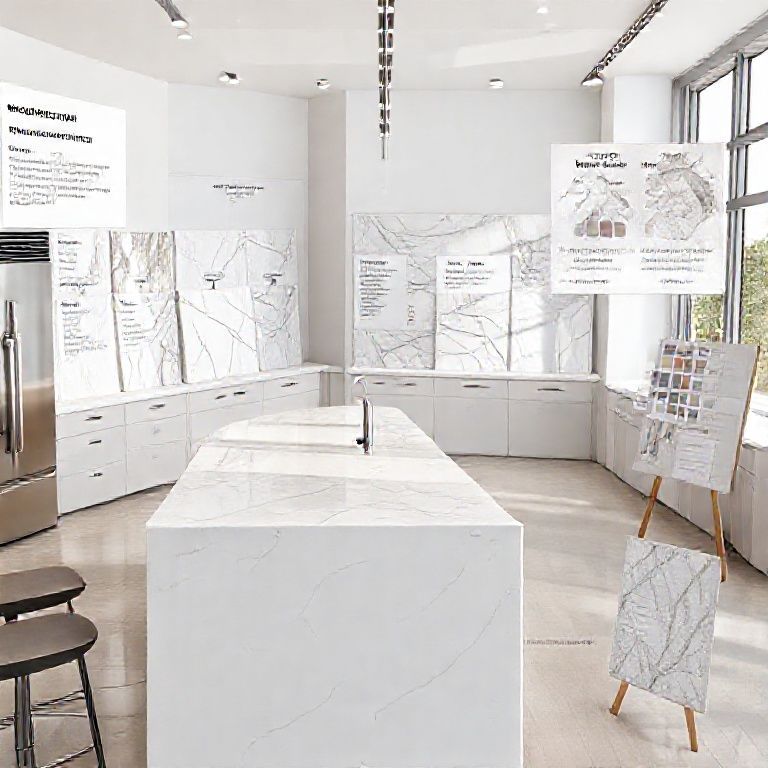
Artificial stone countertops offer a level of aesthetic versatility that is unmatched by many natural stone options. With thousands of color combinations and finishes available, these surfaces can mimic the appearance of virtually any natural stone, including granite, marble, and quartz. This flexibility allows designers and homeowners to create unique and customized designs that perfectly match their personal style and aesthetic preferences. Whether you prefer a sleek, modern look or a more traditional, natural appearance, artificial stone provides the flexibility to achieve your desired design.
3. Easy Maintenance
Maintaining artificial stone countertops is incredibly simple compared to other types of stone. Because these surfaces do not absorb liquids like natural stone does, spills and stains are easy to clean off with a damp cloth and a mild soap solution. This low-maintenance characteristic makes artificial stone an excellent choice for busy households and those who prefer a hassle-free kitchen or bathroom experience. Additionally, because artificial stone is not porous, it does not harbor bacteria or mold, further enhancing its appeal for health-conscious homeowners.
4. Cost-Effectiveness
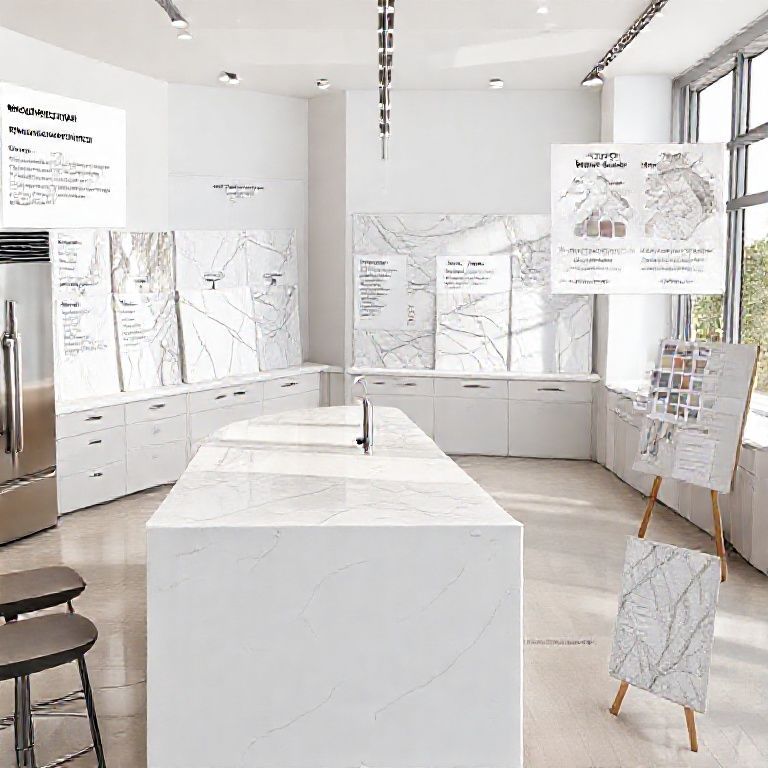
Another significant advantage of artificial stone countertops is their cost-effectiveness. While the initial investment may be comparable to some natural stone options, the long-term savings can be substantial. The durability and low maintenance of artificial stone mean that homeowners do not need to invest in expensive repairs or replacements as frequently as they might with natural stone. Additionally, the wide range of design options available often means that homeowners can achieve their desired aesthetic at a competitive price point, making artificial stone a financially savvy choice.
5. Environmentally Friendly Option
For environmentally conscious consumers, artificial stone presents an appealing alternative to natural stone. The production of artificial stone typically requires fewer natural resources and results in less waste compared to the extraction and processing of natural stone. Additionally, the synthetic nature of artificial stone means that it does not rely on the same mining practices that can have detrimental effects on local ecosystems. By choosing artificial stone, homeowners can contribute to a more sustainable approach to home renovation.
The Cons of Artificial Stone Countertops
While artificial stone countertops offer numerous benefits, it is also important to consider their potential drawbacks. Understanding the limitations of artificial stone can help homeowners make a well-informed decision that aligns with their specific needs and preferences. Here, we explore the primary disadvantages of artificial stone countertops, providing a balanced view of their performance and suitability for various applications.
1. Limited Heat Resistance
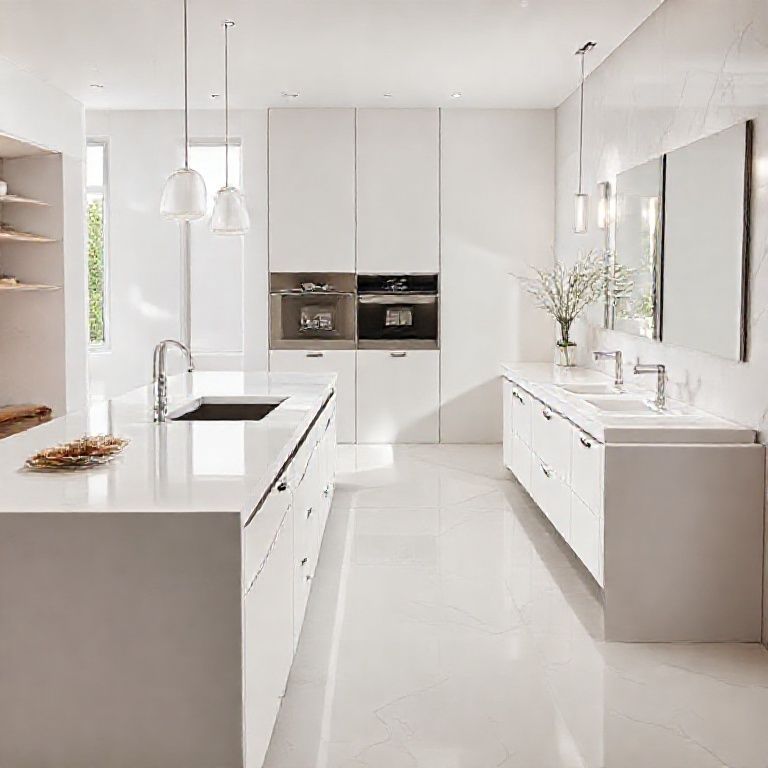
One of the most notable cons of artificial stone countertops is their limited heat resistance compared to natural stone options like granite or quartz. Artificial stone is typically made from a mixture of minerals, resin, and pigments, which can cause the surface to discolor or deform when exposed to high temperatures. This makes artificial stone less suitable for areas where hot pots, pans, or appliances are frequently placed directly on the surface. To avoid potential damage, it is essential to use hot pads or trivets when placing hot items on artificial stone countertops.
2. Potential for Surface Damage
Although artificial stone is durable, it is not impervious to all forms of damage. While it resists scratches and chips better than many natural stones, it can still be susceptible to dents and impacts from heavy objects. This potential for surface damage means that in environments where heavy items are frequently moved or dropped, artificial stone may not be the best choice. Careful placement and use of protective measures can mitigate this risk, but it is something to consider when evaluating the suitability of artificial stone for your space.
3. Limited Customization Options
While artificial stone offers a wide range of design options, it does have limitations in terms of customization compared to some natural stone materials. The color and finish options are extensive, but achieving a truly unique or bespoke design may be more challenging. For homeowners seeking highly customized, one-of-a-kind designs, natural stone might offer more flexibility in terms of cutting and shaping to achieve the desired effect. However, for most practical purposes, the available options for artificial stone are more than sufficient.
4. Higher Initial Cost in Some Cases
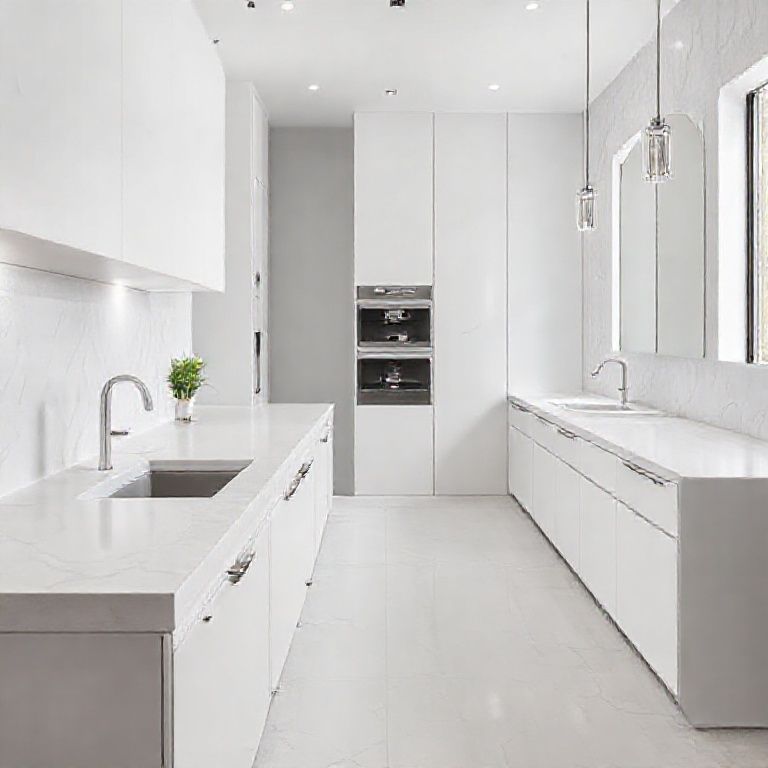
Although artificial stone is generally considered cost-effective in the long run due to its durability and low maintenance, the initial cost can sometimes be higher than expected. Depending on the quality, design, and complexity of the countertop, the upfront investment may exceed what one would pay for some natural stone options. It is essential to compare prices carefully and consider the total cost of ownership when making a decision.
5. Aesthetic Limitations
While artificial stone can mimic the appearance of natural stone to a remarkable degree, there are still aesthetic limitations to consider. The finish and color options are impressive, but achieving a perfectly natural look with all the nuances and imperfections of real stone can be challenging. For those who have a deep appreciation for the natural beauty of stone and are looking for a truly authentic experience, artificial stone may not fully satisfy these aesthetic expectations. However, for most practical purposes, the aesthetic appeal of artificial stone is more than adequate.
Conclusion
Artificial stone countertops represent a compelling blend of durability, design flexibility, and cost-effectiveness that makes them an attractive option for modern kitchen and bathroom renovations. While they do come with some limitations, such as limited heat resistance and potential for surface damage, these drawbacks are generally manageable with proper care and use. By weighing the pros and cons, homeowners can make an informed decision that aligns with their design preferences and practical needs.
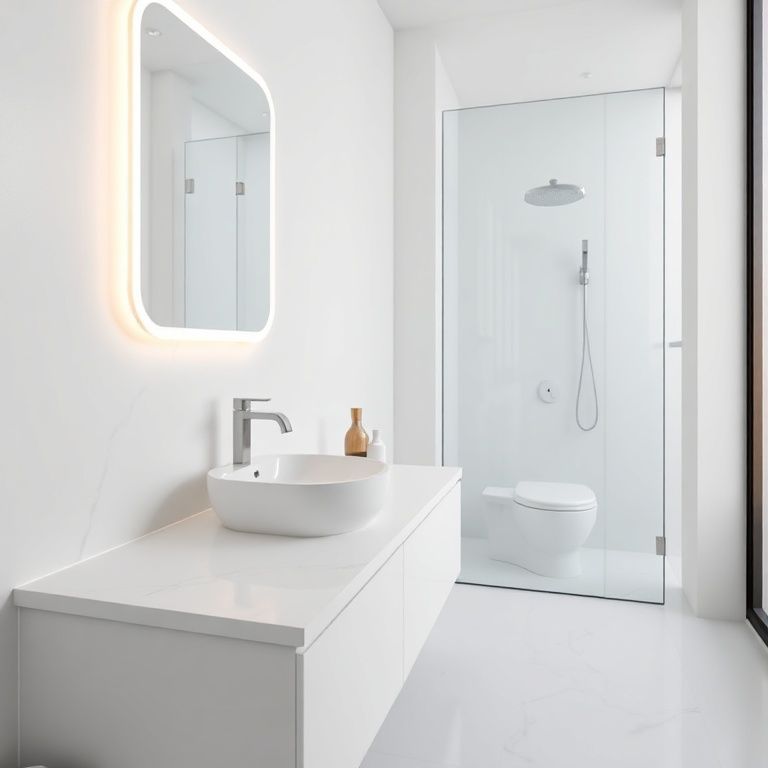
Whether you are looking to enhance the functionality of your kitchen or create a serene and elegant bathroom space, artificial stone countertops offer a versatile and sustainable choice that can elevate the beauty and efficiency of your home. By understanding both the advantages and disadvantages, you can confidently choose artificial stone as the perfect solution for your next renovation project.